admin
admin
The geographic identity of the San Francisco Bay Area’s brewing scene has long been anchored by the historic anchors of San Francisco proper and the experimental hubs of the East Bay. However, a significant cultural and economic shift has solidified a new "beer trail" along the western bayfront of San Mateo County. Stretching approximately 30 miles along the Highway 101 corridor—connecting the transit-oriented communities of Burlingame, Belmont, San Carlos, and Redwood City—a dense concentration of independent breweries and specialized taprooms has transformed the Peninsula from a suburban commuting artery into a primary destination for craft beer enthusiasts and culinary tourists.
This development comes at a time when the craft brewing industry is navigating post-pandemic shifts in consumer behavior, with a renewed focus on local "third places" and high-concept gastropubs. In San Mateo County, this evolution is characterized by a blend of industrial-park ingenuity, international brewing traditions, and a sophisticated approach to food pairing that mirrors the region’s high-tech and epicurean demographics.
The Evolution of the Peninsula Brewing Landscape
The emergence of the Peninsula beer trail is not an overnight phenomenon but the result of a decade-long maturation of the local market. While the "Silicon Valley" moniker often overshadows the North Peninsula’s cultural contributions, the brewing scene here has quietly built a reputation for technical precision and stylistic diversity. The corridor is anchored by its proximity to the Caltrain line, allowing for a "hop-on, hop-on" transit-based tourism model that connects disparate downtown cores.
Historically, the Peninsula was seen as a retail and residential buffer between the major metropolitan centers of San Francisco and San Jose. However, as real estate prices in San Francisco pushed artisans outward, and as the tech workforce settled into the suburbs of San Mateo County, the demand for sophisticated local amenities rose. This created a fertile environment for entrepreneurs like Bob Trahan, a former tech executive, and Lars Smith, an award-winning pizzaiolo, to establish roots in areas like Burlingame and Redwood City.
Burlingame: The Northern Gateway and the Rise of Twelvemonth
The northern terminus of this trail begins in Burlingame, just south of San Francisco International Airport (SFO). The focal point of the local scene is Twelvemonth, an ambitious project that signals the broader trend of "adaptive reuse" in the brewing industry. Occupying a large-scale former brewery space, Twelvemonth is more than a taproom; it is a plant-based restaurant and bakery complex that seeks to bridge the gap between fine dining and casual beer culture.
Founded by Bob Trahan, Twelvemonth emphasizes a "tech-to-table" ethos, utilizing the expansive infrastructure of its predecessor to house a staggering array of taplines. The selection strategy here reflects a curated approach to the regional market. While Twelvemonth maintains its own identity, it serves as a showcase for legendary California staples, such as Russian River Brewing’s Pliny the Elder, alongside local innovators like East Brother Beer Co. from Richmond and non-alcoholic options from Fort Point Beer Company. This mix of high-concept plant-based cuisine and a diverse tap list represents the modern Peninsula consumer: health-conscious, tech-savvy, and discerning about beverage quality.
Belmont and San Carlos: Industrial Innovation and Scientific Brewing
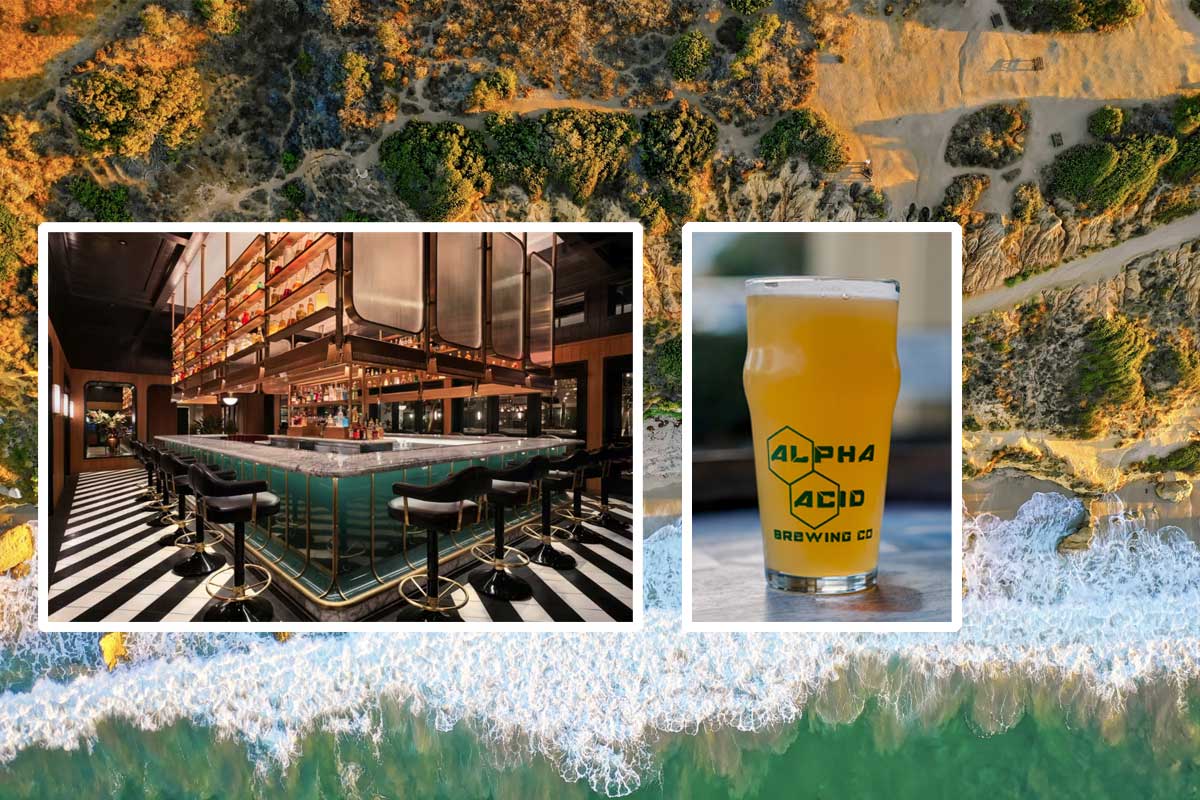
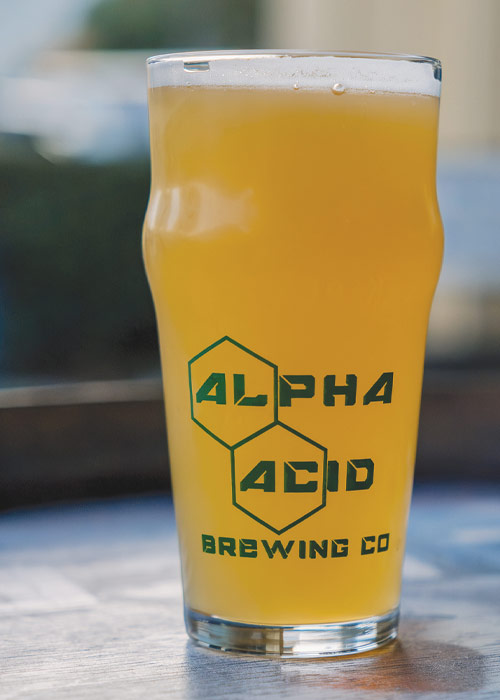
Moving south into Belmont and San Carlos, the trail takes on a more "industrial-chic" aesthetic, where breweries are often tucked into business centers and warehouse districts. This environment has fostered a culture of experimentation, exemplified by Alpha Acid Brewing Company in Belmont.
Located in the Harbor Business Center, Alpha Acid has become a destination for "hop-heads" and aficionados of barrel-aged complexity since its inception in 2014. The brewery’s name itself refers to the chemical compounds in hops that provide bitterness, signaling a scientific approach to brewing. Their portfolio ranges from the "May The Haze Be With You" New England-style IPA to the "Murder She Wroatmeal" stout. Alpha Acid also taps into the growing market for high-ABV, barrel-aged products, such as their "Flying Dutchman," a tropical stout aged in rum barrels. The presence of rotating taco trucks at this industrial site highlights a symbiotic relationship between local mobile food vendors and stationary breweries, a hallmark of the California craft scene.
A few miles further south in San Carlos, Blue Oak Brewing Co. focuses on the sour and fruit-forward segments of the market. Their "Cherry Bomb" and "POG is My Copilot" (a blend of passion fruit, orange, and guava) cater to a demographic that values tartness and tropical profiles over traditional bitterness. Notably, Blue Oak utilizes cutting-edge brewing technology, such as "thiolized" yeast. This specific yeast strain is engineered to unlock aromatic compounds in hops and malt that are usually dormant, amplifying the "juicy" fruit flavors in their "Hello Motueka" Hazy IPA. This intersection of microbiology and craft beer is a defining characteristic of the Peninsula’s competitive brewing market.
Redwood City: A Hub of Tradition and Community
Redwood City serves as the southern anchor of this 30-mile stretch, offering perhaps the most diverse array of brewing styles in the region. From neighborhood pubs to international beer halls, the city has become a microcosm of the global brewing landscape.
Ghostwood represents the modern neighborhood brewpub model. Winning accolades for its "Extra Crispy" American lager, Ghostwood focuses on drinkability and community engagement. The venue integrates entertainment—trivia nights, billiards, and vintage gaming—with a sophisticated beverage program that includes "Cold IPAs" like "Serial Chiller." Unlike traditional IPAs, Cold IPAs are fermented at lower temperatures, resulting in a crisper, cleaner finish that highlights the nuances of Riwaka and Nelson hops.
In contrast to the modern American styles of Ghostwood, Freewheel Brewing Company, located in the Marsh Manor Shopping Center, is a bastion of English brewing tradition. Since 2012, Freewheel has specialized in "cask ales" or "real ale." This method involves secondary fermentation in the container from which the beer is served, resulting in a naturally carbonated, slightly warmer, and more complex pint. Their "Big V Amber" and various nitro-pour stouts provide a smooth, creamy texture that has made the brewery a hub for British expatriates and those seeking an alternative to the highly carbonated, refrigerated beers dominant in the U.S. market.
Culinary Synergy: State of Mind and Gourmet Haus Staudt
The Peninsula beer trail is bolstered by its integration with world-class gastronomy. State of Mind Public House and Pizzeria in Redwood City, led by U.S. Pizza Team member Lars Smith, exemplifies this. Smith’s international awards in pizza making are matched by a rotating draft list that treats craft beer with the same reverence as his artisanal pies. This synergy between "world-class food" and "world-class beer" has elevated the Peninsula’s reputation beyond that of a mere suburban corridor.
Furthermore, Gourmet Haus Staudt provides a historical and international anchor for the region. As a classic Bavarian Bierstube, it serves as a critical link to the roots of brewing. Remarkably, this Redwood City establishment is noted for its high volume of Weihenstephaner sales—the world’s oldest continuously operating brewery. By combining a German market, a bottle shop, and a traditional beer hall, Gourmet Haus Staudt offers a comprehensive "old world" experience that complements the "new world" innovations found elsewhere along the trail.
Data and Economic Impact of the Peninsula Craft Scene
The growth of the San Francisco Peninsula’s beer corridor reflects broader trends identified by the Brewers Association. According to industry data, small and independent craft brewers contributed $82.9 billion to the U.S. economy in recent years, supporting more than 490,000 jobs. In California, which boasts the highest number of craft breweries in the nation, the industry is a vital component of the state’s hospitality sector.
The Peninsula corridor specifically benefits from several demographic and economic factors:
- Transit Proximity: The proximity of these breweries to the Caltrain corridor aligns with "transit-oriented development" goals, reducing the reliance on automobiles for taproom visits.
- Corporate Presence: The high concentration of technology firms (including Oracle, Meta, and various biotech startups) provides a consistent customer base with high discretionary income and a preference for artisanal products.
- Tourism Spillover: Being situated between SFO and the tech hubs of Silicon Valley allows these breweries to capture "bleisure" (business + leisure) travelers who are looking for authentic local experiences outside of the standard hotel bar.
Broader Implications and Future Outlook
The rise of the San Francisco Peninsula beer trail suggests a decentralization of the Bay Area’s cultural centers. As the "30-mile stretch" along Highway 101 continues to develop, it is likely to see further investment in hospitality and artisanal manufacturing.
The focus on specialized brewing techniques—ranging from the centuries-old cask conditioning at Freewheel to the thiolized yeast experiments at Blue Oak—indicates that the Peninsula is no longer just following trends but setting them. The integration of high-level culinary arts, as seen at Twelvemonth and State of Mind, further reinforces the region’s status as a sophisticated gastronomic hub.
For the cities of Burlingame, Belmont, San Carlos, and Redwood City, these breweries serve as vital "third places" that foster community identity. In an era of remote work and digital interaction, the physical taproom remains a crucial space for social cohesion. As long as the "tap lines and tanks are full," the San Francisco Peninsula will remain a destination worth traipsing for those seeking the pinnacle of California’s craft beer culture.