admin
admin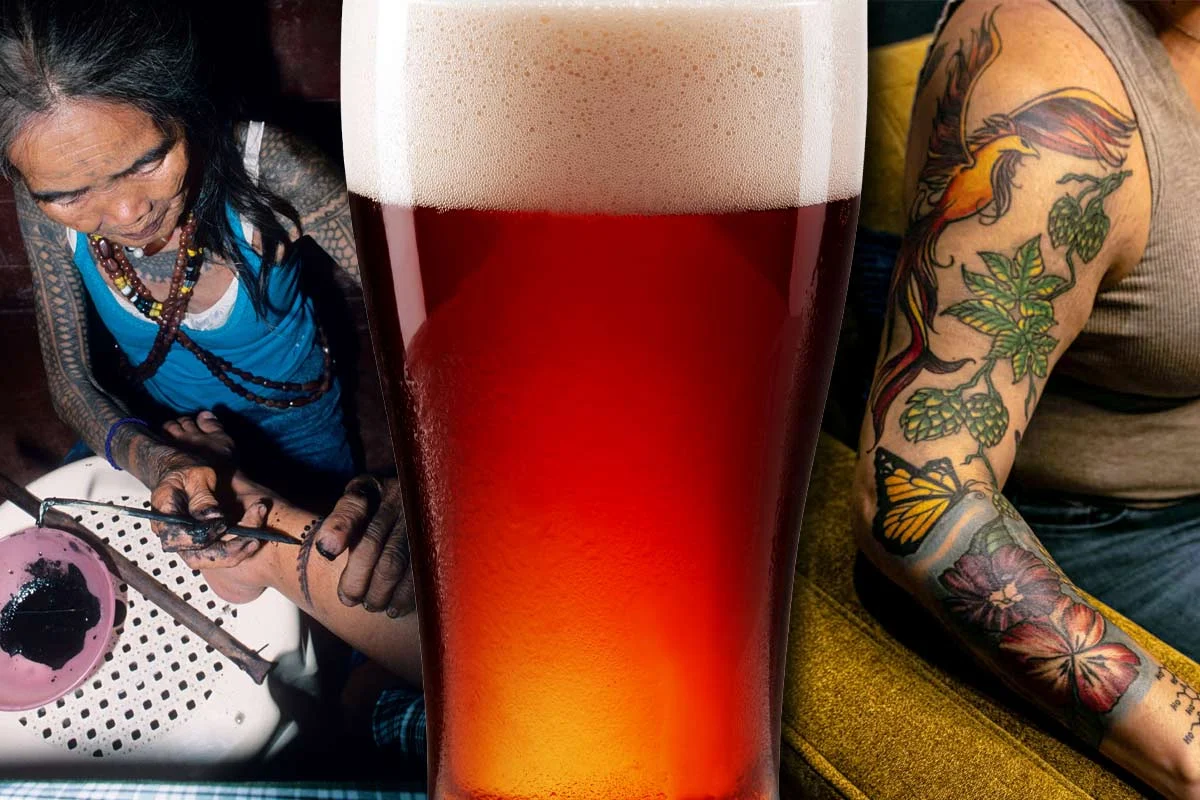
Across the diverse landscapes of the Japanese north, the rugged Cordillera of the Philippines, the savannas of Guyana, and the volcanic reaches of Hawaii, two seemingly disparate human endeavors—tattooing and fermentation—share a profound and ancient kinship. These practices represent more than mere aesthetic or culinary choices; they are technologies of transformation that reshape raw materials through a relationship with the land, the spiritual world, and the community. While tattooing inscribes identity and ancestry onto the skin, fermentation preserves and nourishes, binding communities through shared ritual and taste. Both crafts rely on embodied knowledge passed through generations, creating a permanent record of cultural continuity in the face of historical suppression.
In the contemporary landscape, these traditions are being re-examined not as relics of the past, but as living methodologies for maintaining connection to one’s heritage. The intersection of "ink and drink" reveals a shared grammar of change, where the hearth serves as the laboratory for both the pigment that marks the body and the beverage that sustains the spirit.
The Hearth as the Center of Transformation for the Ainu
For the Ainu, the Indigenous people of northern Japan and the Russian Far East, the hearth (unji) is the physical and cosmological center of the universe. Historically, the Ainu homelands stretched across Hokkaidō, Sakhalin, and the Kuril Islands, where they lived as hunters, fishers, and foragers. In Ainu culture, the domestic sphere is overseen by Kamuy Fuchi, the goddess of the hearth, who is believed to reside within the fire itself. It is from this fire that both tattooing and fermentation emerge.
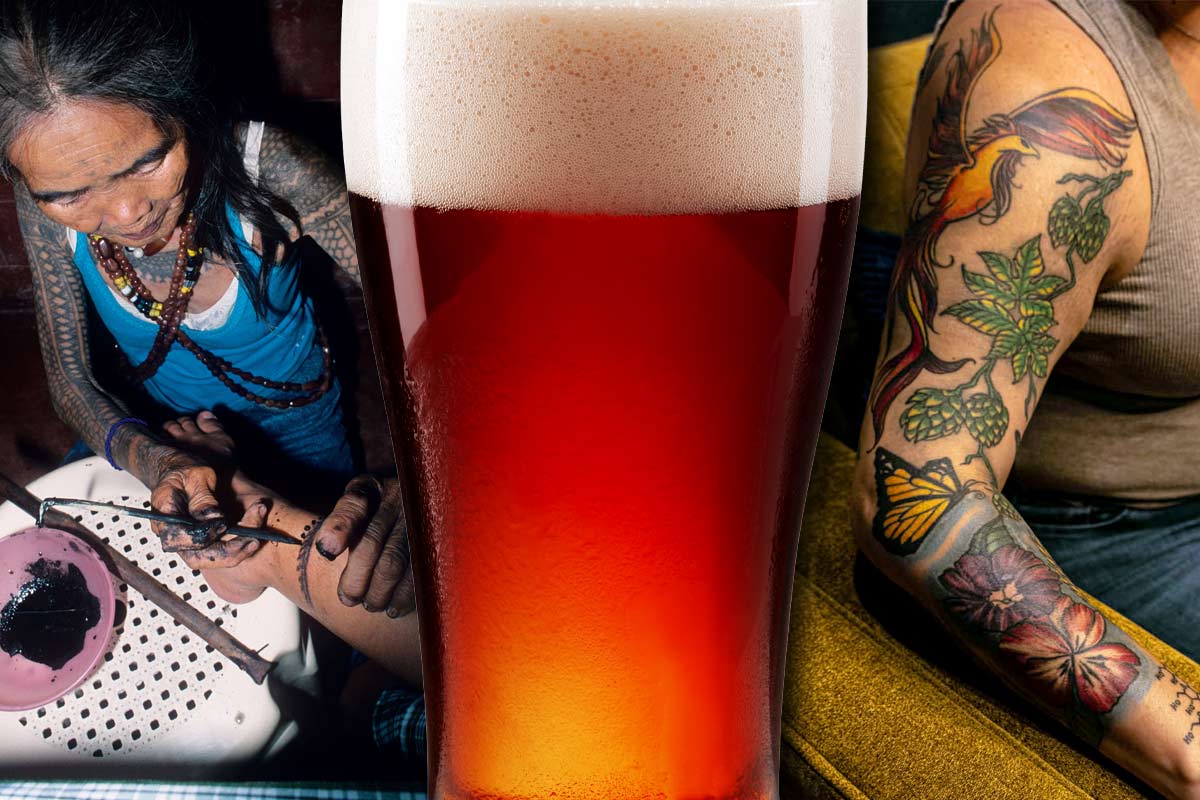
Ainu tattooing, or nuye, was a gendered practice performed almost exclusively on women. The process was deeply tied to the hearth: practitioners collected soot from the underside of earthenware cooking pots used for daily meals and brewing. This soot was mixed with water and rubbed into patterned incisions made with a makiri (tattooing knife). These markings, particularly the distinctive lip tattoos that expanded as a girl reached womanhood, were believed to offer protection against malevolent spirits and ensure the woman’s entry into the afterlife.
Simultaneously, the hearth was the site for brewing tonoto, a sacred rice-and-millet beer. The production of tonoto was a spiritual responsibility held by women, who offered prayers to the kamuy (divine beings) throughout the fermentation process. The beer was considered a living entity, and its successful maturation was seen as a sign of divine favor.
The suppression of these practices began in earnest during the late 19th century. Following the Meiji Restoration in 1868, the Japanese government implemented the Hokkaido Former Aborigines Protection Act of 1899. This colonial policy aimed at forced assimilation, banning the Ainu language, traditional salmon fishing, and the practice of tattooing. By stripping these arts of their mythological context, the state attempted to sever the Ainu’s connection to Kamuy Fuchi. However, in recent decades, a resurgence of Ainu identity has seen a renewed interest in the hearth as a site of cultural reclamation, where the stories of tonoto and nuye are once again being told.
Chemical Intersections and Social Bravery Among the Kalinga
In the northern Philippines, the Kalinga people of the Cordillera mountain region have maintained a tattoo tradition known as batok for over a millennium. Unlike the Ainu, whose ink was derived from cooking soot, the Kalinga utilized a unique intersection of pigment and fermentation. Traditional mambatok (tattoo practitioners) created ink by mixing soot with water or plant-based liquids, including sugarcane juice.
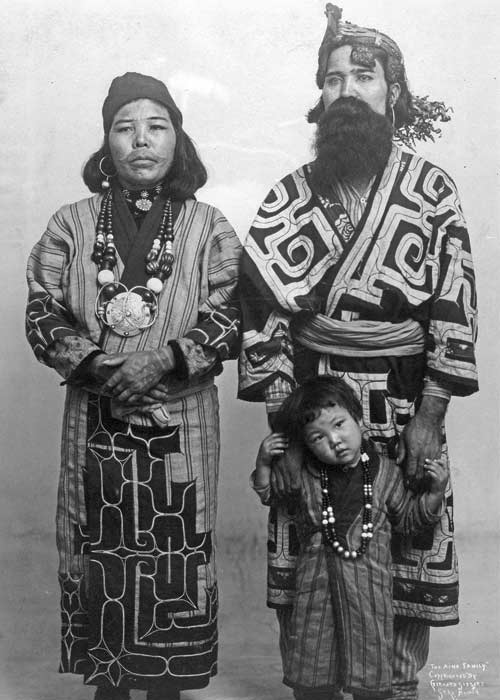
The use of sugarcane juice introduced a biological element to the craft. When allowed to rest, the natural sugars in the juice would begin to ferment, subtly altering the chemical composition of the ink. While the primary function of the ink was aesthetic and social, the fermentation of the carrier liquid mirrored the fermentation of traditional beverages like tapuy (rice wine) and tuba (palm wine) that accompanied the tattooing ceremonies.
Kalinga tattoos were historically earned. For men, the bikking (chest tattoo) was a mark of the manbunig (warrior) who had protected the village. For women, tattoos were considered essential jewelry, representing beauty, maturity, and social status. Grace Palicas, a modern practitioner who trained under the world-renowned 108-year-old master mambatok Apo Whang-od Oggay, notes that these markings functioned as a permanent record of a person’s contributions to the community.
Today, the village of Buscalan has become a global destination for "tattoo tourism," bringing significant economic changes to the region. While the traditional headhunting context of the tattoos has vanished, the ritualistic nature of the hand-tapping process remains. The presence of fermented rice wine at these modern gatherings continues to anchor the practice in Kalinga social logic, where the transformation of the skin is celebrated through the communal sharing of a transformed drink.
The Makushi and the Charms of Fermentation
In the Guiana Shield region of South America, the Makushi people demonstrate perhaps the most direct link between tattooing and the quality of fermented products. For the Makushi of Guyana and Brazil, the staple crop is cassava, which is processed into a complex fermented beer known as parakari.
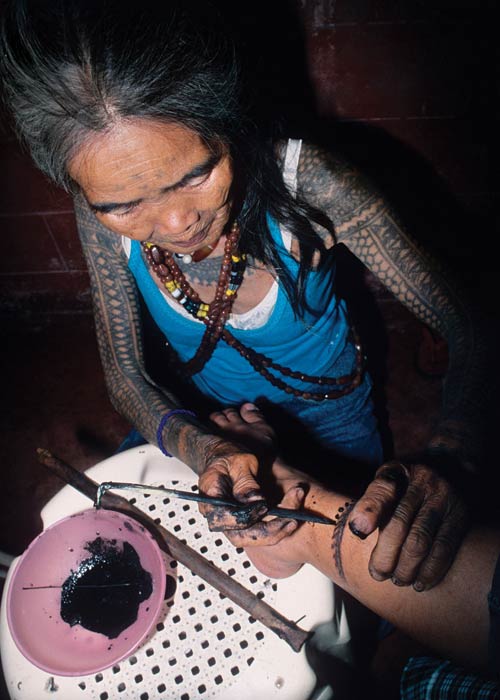
Parakari is unique among indigenous ferments because it involves a two-stage process: an initial mold-based saccharification (similar to the production of sake) followed by yeast fermentation. This labor-intensive process is central to Makushi social cohesion and labor exchange. Historically, Makushi women bore tattoos known as kansku, which functioned as brewing charms.
These tattoos were not merely decorative; they were believed to be active participants in the fermentation process. Patterns depicting bees or scorpions were inscribed on the arms and jaws of women to influence the flavor of the brew. A "bee" motif was intended to bring honey-like sweetness, while a "scorpion" motif was meant to provide a "sting" or "kick" (yekî). In the Makushi language, yekî is a polysemous term that refers both to the sting of an insect and the state of alcohol-induced intoxication.
According to cultural anthropologist Dr. Lars Krutak, these tattoos were a prerequisite for social participation. A woman was often required to have her arms tattooed before she was deemed capable of preparing and serving parakari to the men of the community. This belief system embeds cosmology directly into the physical body, suggesting that the transformation of cassava into beer is dependent on the prior transformation of the brewer’s skin.
Hawaiian Epistemology and the Genealogy of Kalo
In Hawaii, the relationship between tattooing (kākau) and fermentation is viewed through the lens of genealogy and kinship. Native Hawaiian culture is rooted in the concept of Hāloa, the ancestral figure from whom the Hawaiian people and the kalo (taro) plant both descend.
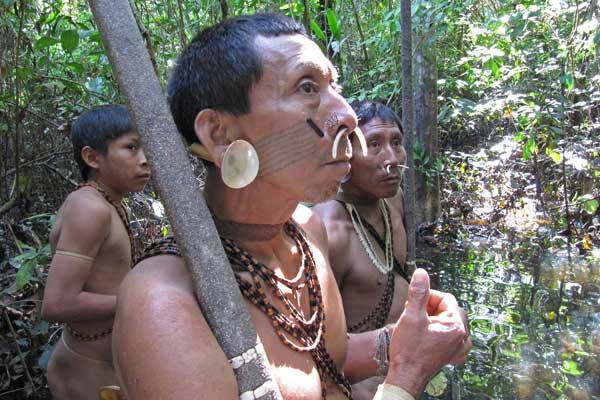
Poi, the fermented staple made from pounded taro, is more than a food source; it is a "living elder sibling." The fermentation of poi is a careful process of maintaining a living culture, mirroring the way kākau maintains the living record of one’s ancestry on the skin. Dr. Lindsay Malu Kido, a scholar of Indigenous body sovereignty, argues that both practices are acts of decolonization.
"Our traditions are rooted in the physical expression of our genealogy on our bodies," Dr. Kido explains. By reclaiming the practice of kākau, Hawaiians are asserting authority over their own bodies, moving away from Western moral frameworks that historically sought to pathologize or criminalize traditional markings. Similarly, the cultivation and fermentation of kalo represent a rejection of industrial food systems in favor of ancestral self-sufficiency.
Contemporary Echoes in the Craft Brewing Industry
The ancient link between ink and drink finds a modern, albeit different, expression within the global craft beer movement. In the United States and Europe, the "tattooed brewer" has become a recognizable archetype, yet the motivations behind these markings often mirror the ancestral themes of identity, memory, and transformation.
For many professionals in the industry, tattoos serve as a visual resume of their relationship with the craft. Images of hop bines, yeast cells, and chemical formulas like that of alpha acids or ethanol are common. However, for some, the connection is more personal and restorative.
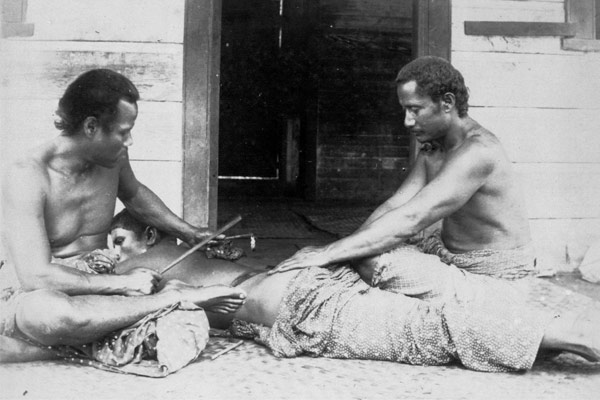
Sandra Murphy, owner of Murphy’s Law Brewery in Texas, utilized tattooing as a means of processing profound grief following the loss of her daughter. Her sleeve tattoo—incorporating the chemical formula for ale yeast walls, barley stalks, and a phoenix—symbolizes her journey of rebirth through the brewing industry. "It saved my life," Murphy states, highlighting how the transformative nature of fermentation provided a framework for personal recovery.
Similarly, Rachael Engel, a brewer at Sound2Summit Brewery in Washington, views her tattoos as an extension of her identity journey. Engel, who came out as transgender during her career, notes that her "hop sleeve" represents her realization of her true self. In this context, the tattoo is a marker of a successful internal fermentation—a process of change that results in a more authentic final product.
Analysis of Implications and Cultural Continuity
The intersection of tattooing and fermentation provides a unique window into how human societies manage change. Whether it is the chemical change of sugars into alcohol or the physical change of clear skin into a storied surface, both processes require time, patience, and a specific set of environmental conditions.
- Relational Technology: These practices suggest that technology is not always about machinery; it is also about "relational technology"—the ways in which humans interact with microorganisms and pigments to signal their place in the world.
- Resistance to Erasure: In every culture studied, the revival of these arts has served as a form of resistance against colonial erasure. By reclaiming their tattoos and their traditional ferments, Indigenous groups are reclaiming their history.
- The Third Space: The modern craft brewery often acts as a "third space" where the ritual of drinking facilitates community building, much like the Ainu hearth or the Kalinga village square. The prevalence of tattoos in these spaces reinforces the idea that craft is an embodied experience.
Ultimately, ink and fermentation remain two of humanity’s oldest methods for making sense of the world. They are practices of "slow culture," requiring a deliberate engagement with the physical world that stands in stark contrast to the rapid, disposable nature of modern consumerism. As these traditions continue to evolve, they remind us that the marks we leave on our bodies and the drinks we share are the enduring traces of our collective journey.