admin
admin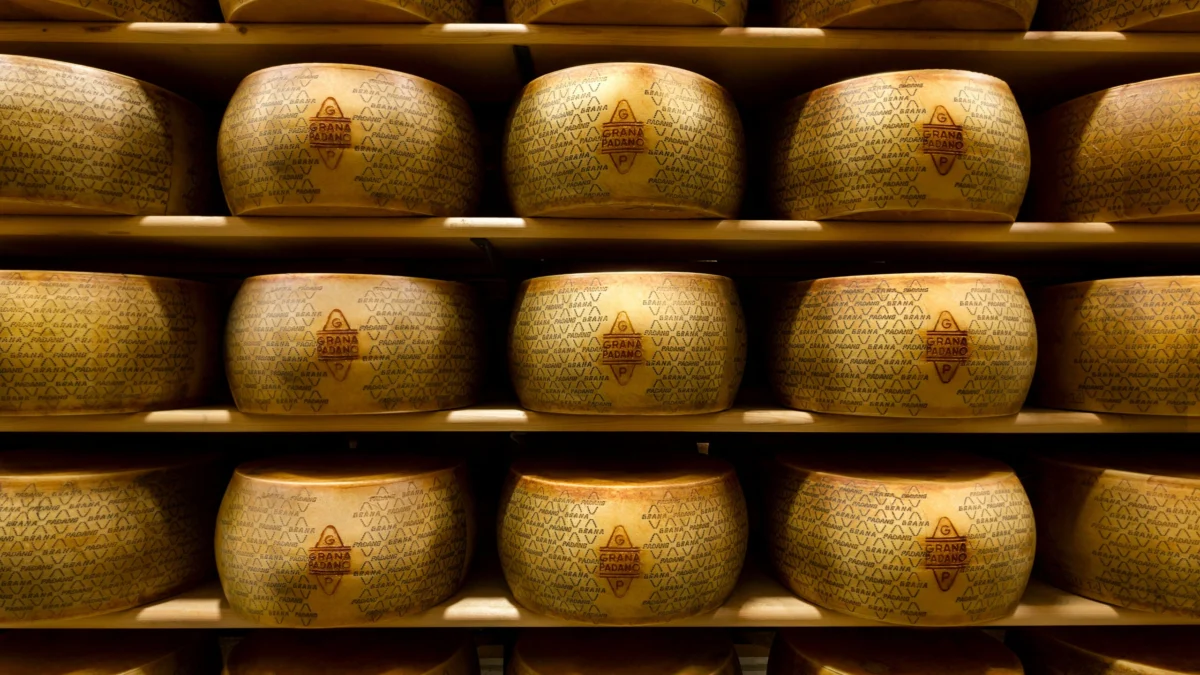
The story of Grana Padano cheese is a testament to centuries of innovation, tradition, and the enduring appeal of quality craftsmanship. From its humble beginnings in the marshlands of Northern Italy to its esteemed status as a Protected Designation of Origin (PDO) product recognized across the European Union, Grana Padano represents a significant chapter in European culinary history. This hard, granular cheese, instantly recognizable by the diamond pattern branded into its rind, is more than just a foodstuff; it is a cultural icon deeply rooted in the agricultural ingenuity of the Middle Ages.
Genesis in the Abbey: Monastic Ingenuity and Preservation
The origins of Grana Padano can be traced back to the 12th century, a period when the region surrounding Milan, known as the Valle Padana or Po River Valley, was characterized by vast, often waterlogged marshlands. It was within this challenging environment that Cistercian monks, following the Rule of Saint Benedict and a philosophy of land stewardship, established Chiaravalle Abbey. Their mandate extended beyond prayer to encompass rigorous agricultural practices, focusing on the sustainable transformation of the landscape.
The monks’ immediate challenge was to render the marshy terrain arable to cultivate high-quality feed for dairy cattle. This foundational step was crucial, as it provided the raw material for milk production. However, the perishability of fresh milk and cheese presented a significant obstacle to sustaining the monastic community and the wider population. The monks, driven by necessity and a spirit of innovation, embarked on a quest to develop methods for preserving this valuable food source.

The Birth of a Culinary Staple: The First Cheese Dairy
The solution they devised was a process that, remarkably, remains largely unchanged in its fundamental principles today. They began by heating the milk in large copper cauldrons, a practice that contributed to the cheese’s unique flavor profile. Rennet, a coagulating enzyme, was then introduced to separate the milk solids from the whey. The resulting curds were meticulously cut into minuscule pieces, akin to grains of rice, a process that would later give the cheese its name. These curds were then molded, salted through immersion in brine, and aged.
This pioneering approach to cheese production, developed by the monks of Chiaravalle Abbey, is widely recognized as the foundation of the world’s first dedicated cheese dairy. By transforming a perishable commodity into a long-lasting, nutritious food, they not only solved a practical problem but also laid the groundwork for a culinary tradition that would flourish for centuries.
Evolution of a Name: From "Caseus Vetus" to "Grana Padano"
The cheese, born out of necessity, quickly became an emblematic food. Its portability, ease of consumption, and rich nutritional content—particularly its protein and calcium—made it a staple enjoyed by all strata of Italian society, from the peasantry to the aristocracy, through the Renaissance and into the modern era.
Initially, the monks referred to their creation as "caseus vetus," Latin for "old cheese," reflecting its aged nature and preservation qualities. However, among the common populace, who were less familiar with Latin, the cheese became known as "grana." This name derived from the distinctive grainy texture that characterized the cheese, a direct result of the monks’ meticulous curd-cutting technique. As production methods spread beyond the confines of Chiaravalle Abbey, different regions began to produce their own versions of this esteemed cheese. For instance, cheese produced in Milan was known as "grana Milanese," while that from Mantua was called "grana Mantovano." Each regional variation, while sharing core similarities, developed subtle differences influenced by local milk sources, aging techniques, and specific environmental factors.

Codification and Recognition: The Rise of Grana Padano PDO
The proliferation of these regional "grana" cheeses, while indicative of their widespread appeal, also led to a degree of fragmentation. It wasn’t until 1954 that a significant step was taken to unify these distinct varieties under a single, protected designation. The Italian government officially codified the name "Grana Padano," establishing a unified geographical indication that encompassed all cheeses produced within a specific, traditional area. Concurrently, the Grana Padano Protection Consortium was established. This pivotal moment marked the beginning of a concerted effort to safeguard the cheese’s heritage, quality, and authenticity.
The importance of this initiative was further amplified in 1996 when Grana Padano was awarded the European Union’s Protected Designation of Origin (PDO) status. This designation is a rigorous certification that guarantees a product’s origin, quality, and traditional production methods, ensuring that it is produced, processed, and prepared in a defined geographical area using recognized know-how. The PDO status provides consumers with a crucial assurance of authenticity and distinguishes Grana Padano from imitations.
Today, the Grana Padano Protection Consortium boasts 134 member dairies, a testament to the continued vibrancy of this ancient tradition. In 2025 alone, these dairies collectively produced over 6 million wheels of cheese. The Consortium’s mandate extends beyond mere name protection; it is actively involved in the global promotion of Grana Padano PDO and meticulously governs every facet of its production to ensure unwavering adherence to the strict standards set forth by the PDO.
The Rigorous Standards of Production: A Commitment to Quality
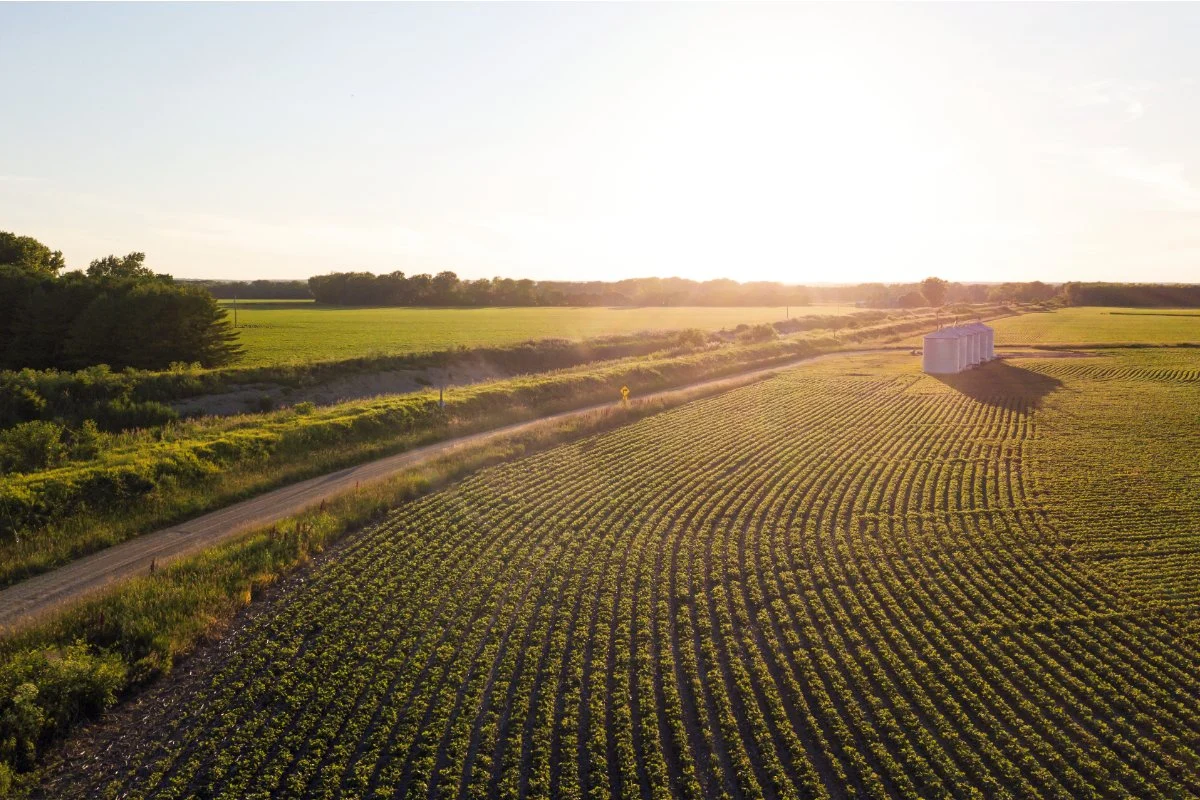
The specifications for Grana Padano PDO are comprehensive, beginning with the diet of the dairy cows. A critical requirement is that all fresh forage and at least 75% of the dry fodder, such as hay, must be grown within the designated cheese production area of the Po River Valley. This localized sourcing ensures that the cows’ diet reflects the specific environmental conditions of the region, which in turn influences the milk’s composition and the cheese’s characteristic flavor.

The raw milk collected must be used within 24 hours of milking and is partially skimmed through natural separation of the cream. This process is essential for achieving the correct fat content and texture. A natural whey starter, cultured from previous cheese-making batches, is then introduced into copper or copper-lined milk vats. The use of copper is a nod to traditional methods, believed to contribute to the even distribution of heat and the development of complex flavors. Calves’ rennet is then added to initiate coagulation.
The subsequent steps are critical for developing the cheese’s signature texture. The coagulated curd is broken into particles the size of rice grains using a "spino," a tool resembling a large whisk. This precise cutting is what gives the cheese its name, "grana," meaning "grainy." The curds are then carefully packed into round molds, where they remain for at least 36 hours. Following this initial molding, the wheels are immersed in brine for a period ranging from 14 days to a full month. This salting process is vital for flavor development, preservation, and the formation of the cheese’s protective rind.
The aging process is perhaps the most defining characteristic of Grana Padano PDO. Wheels are matured for a minimum of nine months, and can be aged for up to 24 months or even longer. Cheeses that have undergone an aging period exceeding 20 months are eligible for the "Riserva" designation, indicating a more mature and intensely flavored product. This extended aging period allows for the development of the cheese’s complex aroma and the characteristic crystalline texture that makes it so appealing.
A Symphony of Flavors and Textures: The Grana Padano Experience
The sensory experience of tasting Grana Padano PDO is a journey through nuanced flavors and textures. Younger wheels typically offer a delicate sweetness, reminiscent of fresh milk, complemented by subtle savory notes and a hint of toasted nuts. As the cheese matures into a Riserva, its texture becomes more pronounced, often developing a flakier, more crystalline structure. However, even the most aged Grana Padano remains remarkably delicate, never becoming dry or crumbly. The flavor intensifies, becoming more complex and pronounced, yet always retaining a refined elegance.

The versatility of Grana Padano PDO is a key factor in its enduring popularity. It shines on a cheese board, offering a delightful contrast to softer cheeses and fruits. It is an exquisite accompaniment to cured meats, particularly Prosciutto di Parma PDO, and a drizzle of aged balsamic vinegar elevates this simple pairing into a sophisticated appetizer. In the kitchen, Grana Padano serves as a rich and flavorful filling for pasta dishes like ravioli, and its finely grated form provides an unparalleled savory depth when sprinkled over soups and pasta.
Nutritional Powerhouse: More Than Just Delicious
Beyond its culinary appeal, Grana Padano PDO is also a significant source of nutrition. It is naturally lactose-free and gluten-free, making it accessible to individuals with dietary sensitivities. Its relatively low fat content belies its rich flavor and satisfying texture. Furthermore, it is an excellent source of high-quality protein, calcium, and vitamin B12. A modest 30-gram serving, just over one ounce, provides a nutritional profile comparable to a pint of milk, offering sustained energy and essential nutrients. This makes Grana Padano a beneficial and delicious solution for combating the "afternoon slump" for both children and adults.
A Culinary Heritage for the Ages
When sharing Grana Padano PDO with others, it is an opportunity to connect with a culinary heritage that spans over a millennium. Each bite is a taste of European history, a tangible link to the ingenuity of medieval monks and the agricultural traditions of the Po River Valley. The cheese is not merely a product of its time; it is a living testament to the enduring value of tradition, quality, and the simple yet profound pleasure of savoring a well-crafted food.
The continued production and promotion of Grana Padano PDO, supported by initiatives like the one funded by the European Union, ensures that this iconic cheese will continue to grace tables and delight palates for generations to come. It serves as a powerful reminder that some of the world’s most cherished flavors are born from centuries of dedication, skill, and a deep respect for the land.