admin
admin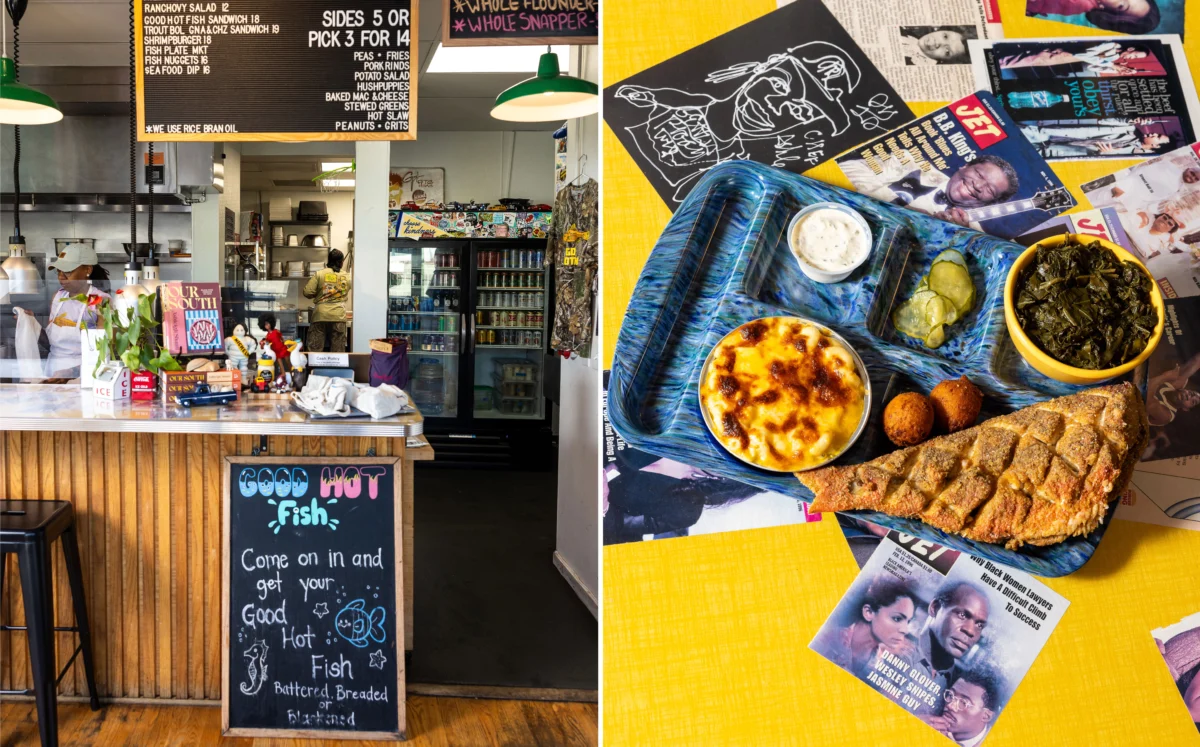
The vibrant culinary scene in Asheville, North Carolina, is more than just a collection of restaurants; it’s a deeply integrated ecosystem where talent, local agriculture, and a distinctive Southern hospitality converge. This interconnectedness, fueled by a virtuous cycle of chefs, farmers, and dedicated restaurateurs, creates a dynamic and constantly evolving gastronomic landscape that benefits both locals and visitors. The city’s commitment to sourcing ingredients from nearby farms, coupled with a unique approach to integrating diverse cuisines with a Southern throughline, distinguishes Asheville as a significant culinary destination.

The Asheville Advantage: A Connected Culinary Community
A defining characteristic of Asheville’s dining experience is the palpable sense of community among its culinary professionals. Many chefs and restaurateurs have roots in the local scene, having honed their skills at established establishments before branching out to create their own ventures. This creates a network of mentorship and collaboration, where alumni from one restaurant often become the driving force behind another. Beyond professional ties, this community extends to a shared commitment to local causes, such as participating in hurricane-relief events, further solidifying their bonds.
This strong internal network means that visitors to Asheville are consistently presented with a high caliber of dining experiences. The "virtuous cycle of talent" ensures a continuous influx of skilled individuals, maintaining a robust pipeline of culinary innovation. The author notes, "It feels like every restaurant I love is either run by an alum of one of the places I’ve been involved in, or by people that I’ve worked side by side with at hurricane-relief events, or by someone I know I’m going to see at the farmers market." This sentiment underscores the deeply personal and interconnected nature of Asheville’s food community.

Despite the high quality and diverse offerings, dining out in Asheville maintains a refreshingly laid-back atmosphere. This casual approach, where diners can confidently expect a great meal, belies the sheer range and sophistication of the city’s restaurants, especially considering its relatively small size. The author reflects on this, stating, "It’s almost funny how not a big deal eating out here is. It’s so laid-back. We take it for granted that it’s going to be a great restaurant—of course it is! Having said that, the sheer range of restaurants is incredible. Given how small our town actually is, I sometimes find myself thinking, How lucky are we?"
Farm-to-Table: A Cornerstone of Asheville’s Dining
The deep connection between Asheville’s restaurants and the surrounding agricultural landscape is a defining feature of its culinary identity. The region boasts a significant number of farmers’ markets, with estimates suggesting over a dozen operating within Asheville itself, and more than double that number of local farms located within an hour’s drive. This proximity fosters direct relationships between chefs and farmers, where producers are often known by name.

This intimacy translates into menu transparency and a shared appreciation for local produce. Restaurants frequently highlight the specific farms from which their ingredients are sourced, a practice that resonates with diners who value freshness and provenance. The author illustrates this point by noting, "So when you go to a restaurant, they’ll just say, ‘It’s Evan’s greens tonight,’ and everybody knows who Evan is." This level of familiarity not only supports local agriculture but also cultivates a sense of shared ownership and pride in the region’s bounty.
The Southern Throughline: Unifying Diverse Cuisines
A unique aspect of Asheville’s culinary scene is the unifying "Southern throughline" that subtly influences even the most globally inspired dishes and the overall hospitality. This doesn’t necessarily mean incorporating traditional Southern ingredients like cornbread or okra into every dish. Instead, it represents a thoughtful acknowledgment and integration of the decision to open restaurants with diverse culinary traditions – Indian, Filipino, Italian, Spanish, and more – within the Appalachian context.

This approach emphasizes a holistic dining experience, where the distinctiveness of each cuisine is respected while also being harmoniously blended with the region’s inherent character and hospitality. The author explains, "it’s honoring the fact that we all chose to open Indian or Italian restaurants here in Appalachia, so let’s not divorce the two from each other. Let’s find a way to make it feel holistic. We do that really well." This philosophy ensures that the dining experience feels authentic to Asheville, celebrating both global influences and local roots.
The resilience of Asheville’s culinary community was tested by the COVID-19 pandemic and Hurricane Helene. However, the city has demonstrated remarkable recovery and continues to be a leader in culinary innovation. The author expresses optimism for the future, stating, "I was worried after the pandemic and Hurricane Helene that Asheville might not bounce back, but we have. I know that this place is going to continue to trailblaze for years to come."

Notable Culinary Destinations in Asheville
The author highlights several establishments that exemplify Asheville’s vibrant food scene:
Luminosa: Hyper-Local Italian Excellence
Luminosa is described as a premier date-night destination, offering an intimate yet spectacular dining experience. The restaurant’s "hyper-local Italian" cuisine has earned it a Michelin Green Star and a Michelin Bib Gourmand, testament to its commitment to quality and sustainability. The menu’s frequent changes, while sometimes challenging, ensure a constant sense of discovery for patrons. The service is characterized by an "old-fashioned" warmth, where every staff member contributes to a welcoming and personalized dining experience.

Cúrate Bar de Tapas: Consistently High-Caliber Spanish Cuisine
Cúrate Bar de Tapas, led by Chef Katie Button, is lauded for its sustained excellence in representing Spanish tapas. The restaurant maintains an incredibly high standard, offering an energetic and intimate atmosphere, amplified by its open kitchen. Despite its popularity, leading to it often being "a victim of its own success," the author emphasizes that even a simple order of sherry and jamón ibérico is well worth the effort to secure a table.
Neng Jr.’s: A Personal Filipino Culinary Gem
Neng Jr.’s is celebrated as a quintessential "only-in-Asheville" experience, showcasing Chef Silver Iocovozzi’s Filipino cuisine. Having previously worked with the author, Chef Iocovozzi’s intimate, small-seating restaurant offers a deeply personal dining experience. The food is described as brilliant and fun, with flavor profiles that evoke elements of Indian street food, incorporating fermentation and distinct "funk."

Leo’s House of Thirst: Rustic Charm and Transcendent Comfort Food
Leo’s House of Thirst offers a unique dining experience, set in a converted house that evokes a small village in Provence. With a menu blending French and American influences, the establishment is also recognized for its exceptional wine program. What sets Leo’s apart is its ability to elevate simple dishes, like a grilled cheese and tomato soup, to extraordinary levels of quality and flavor. It serves as a go-to recommendation for visitors seeking a transportive and memorable meal.
The Admiral: A West Asheville Pioneer
The Admiral holds a special place as one of West Asheville’s pioneering restaurants. Once a dive bar in a modest building, it transformed into a culinary hotspot under the guidance of Chef Elliot Moss, who served innovative gastropub fare. While the neighborhood has evolved and Moss has moved on, The Admiral continues to deliver world-class cuisine, making reservations a highly sought-after commodity.

The Bull & Beggar: Elevated British Pub Fare with a Southern Twist
Chef Matt Dawes’s The Bull & Beggar offers an intriguing blend of elevated British pub cuisine, infused with French techniques and a Southern sensibility. The menu features dishes ranging from steak frites to an exemplary shepherd’s pie and Welsh rarebit. Despite its location near railroad tracks and a bustling brewery, the restaurant is consistently reliable and satisfying, solidifying its reputation as a city favorite.
Good Hot Fish: Celebrating Black Southern Foodways
Good Hot Fish, a recent addition to Asheville’s scene, is spearheaded by James Beard Award-winner and Top Chef contestant Ashleigh Shanti Santi. This establishment is dedicated to Black Southern foodways, offering a fish counter with exceptional hot fish sandwiches and seafood sourced from local waterways. Dishes like fried catfish, Gulf shrimp burgers, and a notable fish dip showcase immaculate technique and a commitment to authentic flavors.

All Souls Pizza: Carolina Pizza with Heirloom Grains
All Souls Pizza stands out for its unique "Carolina pizza," crafted with stone-ground heirloom grains from local farms. David Bauer, a renowned bread expert in Asheville, is instrumental in this venture, utilizing grains he grew and milled himself. The pizzas, cooked in a wood-fired oven with locally sourced toppings, are served in a repurposed diner building, offering a relaxed atmosphere and the option for outdoor picnics. It embodies Asheville’s ethos of doing one thing exceptionally well without pretension.
Mother: A European-Inspired Bakery and Eatery
Mother, a bakery and restaurant, offers a full lunch and dinner menu with a distinctly European feel, despite its unconventional location. The jambon-beurre sandwich is lauded as one of the best outside of Paris, and the pumpernickel bread receives high praise. The establishment is perceived as a labor of love by passionate friends dedicated to providing exceptional food and hospitality to the community.

Owl Bakery: Southern Sensibilities Meet French Technique
Owl Bakery is celebrated for its fusion of Southern sensibilities and French patisserie techniques. Their croissants, particularly the almond rose variant, and cardamom buns are highly sought after, often selling out by early morning. The bakery’s quality and execution are so exceptional that the author humorously laments the casual appreciation of its patrons, suggesting they may not fully grasp the rarity of such culinary excellence.
Rocky’s Hot Chicken Shack: Consistently Fiery Fried Chicken
Rocky’s Hot Chicken Shack, though not visited by the author in recent years, remains a takeout favorite for its consistently outstanding hot fried chicken. The establishment is noted for its authentic, "melt-your-face hot" spice levels, catering to both beginners and seasoned chili enthusiasts. The chicken’s perfectly seasoned crust and the restaurant’s unwavering order accuracy over 17 years highlight an often-underrated aspect of great hospitality: reliability and precision.

Asheville’s culinary landscape is a testament to the power of community, a deep respect for local resources, and a creative spirit that allows diverse influences to flourish. The city’s restaurants are not just places to eat, but integral parts of a vibrant ecosystem that continues to attract and delight diners from all walks of life.