admin
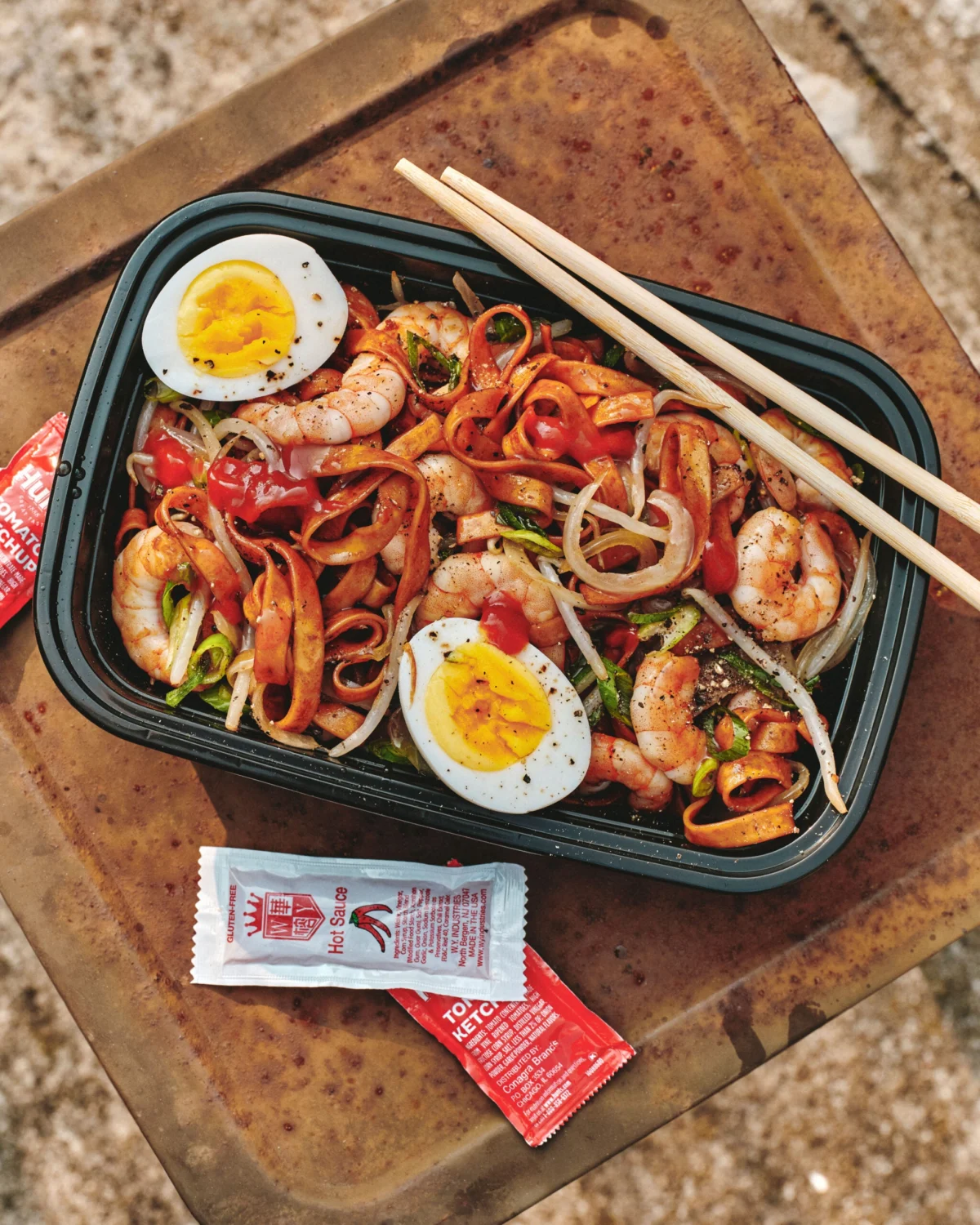
Baltimore Yak Mein, a dish affectionately known as Baltimore yak or dirty yak, stands as a testament to the enduring spirit of culinary adaptation and the rich tapestry of Chinese American comfort food. Its origins are deeply intertwined with the history of Chinese immigration to Baltimore, dating back to the late 19th century. As Chinese immigrants began to establish communities within the city, particularly in traditionally Black and working-class neighborhoods, they encountered a new landscape of available ingredients. This necessity spurred a creative evolution of their traditional recipes, most notably the Beijing classic zha jiang mian.
The original zha jiang mian, a staple in Beijing, typically features a rich sauce made from fermented soybean paste and often pork belly, served over wheat noodles. However, in the bustling port city of Baltimore, Chinese cooks ingeniously reinterpreted this dish. They substituted the more complex fermented pastes with a simpler, more accessible soy-based gravy. This pragmatic shift, driven by local availability and economic realities, laid the foundation for what would become a uniquely Baltimorean culinary icon. Over generations, this adaptation blossomed into a distinct dish: savory wheat noodles, wok-fried with a medley of ingredients such as shrimp, beef, and assorted vegetables, all crowned with the visual and textural appeal of a perfectly hard-boiled egg. Today, this beloved dish remains a cherished part of Baltimore’s gastronomic identity, readily available at cherished counter-service establishments like Jimmy’s Carryout, Danny’s, and Pimlico Chinese Carry Out, where it continues to evoke nostalgia and satisfy cravings for authentic comfort.
The Science of "Dirty" Flavor: Chef Steve Chu’s Modern Interpretation
The intrinsic allure of Baltimore yak mein has been further explored and celebrated by contemporary culinary figures. Steve Chu, the visionary chef behind Baltimore’s acclaimed Ekiben, offers an at-home version of this iconic dish that delves into the nuanced techniques that define its unique character. Chu’s rendition emphasizes the smoky, wok-charred essence of the noodles, achieved through precise application of heat and expertly balanced sauces.
The heart of the dish’s distinctive flavor profile lies in what makes it “dirty.” This term refers not to any lack of cleanliness, but rather to the complex taste that develops when soy sauce, sugar, and aromatics are intentionally scorched against the intensely hot metal of a wok. This high-heat caramelization process creates deep, savory notes, often described as wok hei – a term that translates to "the breath of a wok." This elusive smokiness is a hallmark of skilled wok cooking, imbuing the dish with an unparalleled depth and complexity. Chu’s recipe underscores the importance of maintaining high heat and constant stirring to facilitate this magical transformation. The subtle sweetness that emerges from caramelized onions and the careful balance of umami from soy and oyster sauces further contribute to the dish’s addictive quality. A surprising yet essential finishing touch in Chu’s recipe is a squeeze of ketchup, which, far from being an outlier, provides a crucial acidic punch that cuts through the richness and elevates the overall flavor profile, bringing the dish to a harmonious conclusion.
Recipe: Chef Steve Chu’s Baltimore Yak Mein (At-Home Version)
Yields: 2 servings
Prep time: 15 minutes
Cook time: 15 minutes
Ingredients:
- 1 pound fresh wheat noodles (lo mein style)
- 2 tablespoons duck fat or other high-smoke-point oil
- 1 cup bean sprouts
- 1/2 yellow onion, thinly sliced
- 2 scallions, whites and greens separated, thinly sliced
- 3 tablespoons soy sauce
- 1 tablespoon dark soy sauce (for color and deeper flavor)
- 1 tablespoon oyster sauce
- 1/4 teaspoon MSG (optional, but recommended for enhanced umami)
- 1 teaspoon granulated sugar
- 1/2 teaspoon red pepper flakes (or to taste)
- 1 ½ cups water
- 4 ounces raw shrimp, peeled and deveined
- 1 hard-boiled egg, halved or quartered
- Ketchup, for serving
- Hot sauce, for serving
Instructions:
-
Prepare the Noodles: Bring a large pot of salted water to a rolling boil. Add the fresh wheat noodles and cook for approximately 1 minute less than the package instructions. The goal is for the noodles to be slightly undercooked, as they will continue to cook in the wok. Drain the noodles thoroughly and rinse them briefly under cold water to stop the cooking process and prevent them from clumping. Set aside to cool while you prepare the other ingredients.
-
Build the Flavor Base: Heat a wok over high heat until it begins to lightly smoke. This intense heat is crucial for achieving wok hei. Add the duck fat (or oil) to the hot wok. Once shimmering, add the bean sprouts, sliced yellow onion, and the white parts of the scallions. Stir-fry vigorously for about 1 minute, or until the vegetables begin to show signs of browning around the edges.
-
Incorporate Sauces and Aromatics: Add the blanched noodles to the wok. Pour in the soy sauce, dark soy sauce, oyster sauce, MSG (if using), granulated sugar, and red pepper flakes. Stir-fry continuously, tossing the noodles and vegetables to ensure they are evenly coated with the sauce. Continue to stir-fry for an additional 1 to 4 minutes, allowing the sauce to caramelize and brown against the hot metal of the wok. This is where the signature "dirty" flavor develops. For a richer, darker hue, you can add a touch more dark soy sauce at this stage.
-
Deglaze and Simmer: Carefully add 1 ½ cups of water to the wok. Use your spatula to scrape up any browned bits that have adhered to the bottom of the wok – these are packed with flavor. Bring the liquid to a simmer and allow it to cook for about 1 minute, or until the noodles have absorbed some of the liquid. If you prefer a saucier dish, you can add a little more water at this point.
-
Add Protein and Egg: Gently add the peeled and deveined shrimp to the wok. Add the halved or quartered hard-boiled egg. Continue to toss gently for about 30 seconds to 1 minute, just until the shrimp are cooked through and the egg is warmed. The goal is for the egg to absorb some of the dark soy color without breaking apart.
-
Serve: Immediately transfer the Baltimore yak mein to serving bowls. Garnish with the reserved green parts of the scallions. Serve hot, with ketchup and your favorite hot sauce on the side, allowing each diner to customize their plate with the desired amount of acidity and heat.
Historical Context and Socioeconomic Roots
The narrative of Baltimore yak mein is more than just a culinary story; it’s a chronicle of immigration, adaptation, and the formation of cultural identity through food. The late 19th and early 20th centuries saw significant waves of immigration to the United States, with Chinese laborers arriving to fill labor demands, particularly in industries like railroad construction and agriculture. Baltimore, as a major port city and industrial hub, became a destination for many.
These early Chinese immigrants often found themselves navigating unfamiliar social and economic landscapes. They established businesses, including restaurants and laundries, in communities that were often marginalized or underserved. The neighborhoods where Chinese eateries first took root were frequently those with a strong working-class demographic, predominantly African American. This proximity and interaction fostered a unique cultural exchange, where culinary traditions were not only preserved but also creatively reinterpreted to resonate with local palates and ingredient availability.
The adaptation of zha jiang mian is a prime example. The original Chinese dish, with its nuanced fermented pastes, might have been challenging for local tastes or difficult to source ingredients for consistently. By simplifying the sauce to a soy-based gravy, Chinese cooks made their cuisine more accessible and palatable to a broader audience, while also utilizing readily available pantry staples. This pragmatic approach not only ensured the survival and success of their businesses but also created a distinct culinary fusion that became deeply embedded in the local food scene. The dish’s evolution reflects a broader pattern observed in immigrant communities across America, where traditional foods are often modified to incorporate local ingredients and flavors, resulting in unique hybrid cuisines that become integral to the regional identity.
Data and Trends in Urban Culinary Evolution
The story of Baltimore yak mein aligns with broader trends in urban culinary evolution, particularly concerning the impact of immigrant communities on local food landscapes. Research in urban sociology and food studies consistently highlights how immigrant groups introduce new ingredients, cooking techniques, and flavor profiles that enrich the existing food culture.
For instance, studies on the impact of Chinese immigration in cities like San Francisco and New York have documented the profound influence of Cantonese and other regional Chinese cuisines on American dining. Baltimore yak mein represents a localized manifestation of this phenomenon, demonstrating how a specific immigrant group can create a signature dish within a particular urban context. The dish’s enduring popularity, evidenced by its continued presence in local eateries for over a century, suggests a strong cultural resonance. Market data from Baltimore’s food service industry, though not publicly detailed for specific dishes, indicates a consistent demand for carryout and comfort food options, with ethnic cuisines playing a significant role. The continued patronage of establishments like Jimmy’s Carryout and Danny’s suggests that Baltimore yak mein occupies a stable and cherished niche in the city’s culinary economy.
Furthermore, the rise of chefs like Steve Chu, who actively engage with and reinterpret traditional dishes, signifies a growing appreciation for this culinary heritage. This trend is often supported by demographic shifts, with younger generations in both immigrant families and the broader community developing an interest in exploring their local food history. The "at-home" version of the recipe democratizes access to this cultural dish, allowing individuals to recreate the experience in their own kitchens, further solidifying its place in the cultural lexicon.
Broader Impact and Implications
The culinary evolution of Baltimore yak mein has implications that extend beyond mere gastronomic enjoyment. It serves as a powerful symbol of cultural integration and resilience. The dish’s journey from a humble adaptation of a Beijing classic to a beloved Baltimore staple illustrates how immigrant communities have historically contributed to the economic and cultural fabric of American cities.
The existence of such dishes also fosters a sense of shared identity and community. For many Baltimore residents, regardless of their background, Baltimore yak mein represents a taste of home, a connection to the city’s working-class roots, and a reminder of the diverse influences that have shaped its character. The continued popularity of these dishes at local carryout spots speaks to the enduring appeal of accessible, flavorful, and comforting food.
In an era increasingly focused on the provenance and authenticity of food, the story of Baltimore yak mein highlights the dynamic nature of culinary traditions. It demonstrates that "authenticity" is not static but can evolve through adaptation and innovation. The dish’s enduring appeal is a testament to the power of food to bridge cultural divides, create shared experiences, and tell the rich, complex stories of the people who call a place home. The ongoing celebration and reinterpretation of this dish by chefs like Steve Chu ensure that its legacy will continue to be savored by generations to come, a flavorful reminder of Baltimore’s unique history and its vibrant, ever-evolving culinary landscape.