admin
The famous inscription on the Statue of Liberty, penned by Emma Lazarus in The New Colossus, has long served as the definitive preamble to the American immigrant narrative. While the storied "huddled masses" of the early 20th century are most frequently associated with the tenement houses of New York and the industrial hubs of the East Coast, a parallel and equally significant transformation was occurring on the Pacific seaboard. In San Francisco, the promise of the "Golden Door" was literalized through the burgeoning beer industry, which provided a foundation for thousands of Eastern European migrants, particularly those of Slovene descent, to establish roots and achieve upward mobility. This industrial evolution not only shaped the city’s economy but also created a unique cultural tapestry that persists in the modern craft beer movement.
The Foundations of San Francisco Brewing: From Gold to Grain
San Francisco’s identity as a destination for fortune-seekers was solidified during the 1848 Gold Rush. However, as noted by contemporary observers like Richard Henry Dana, the reality of the era was that few individuals found wealth in the mines. Instead, the true economic engine of the region shifted toward commerce and manufacturing. By 1858, San Francisco had transitioned from a quiet outpost at Yerba Buena into a bustling metropolis. Among the most successful ventures were those catering to the thirsty population of prospectors and laborers.
The history of beer in California predates the peak of the Gold Rush. In 1843, merchant Benjamin T. Reed’s firm imported the first recorded shipment of bottled beer into the city. Due to the lack of refrigeration and the unique climate of the Bay Area, local brewers developed "steam beer." This process involved allowing the heated wort to cool in large, shallow pools on rooftops, utilizing the city’s natural fog and cool air to trigger fermentation before adding yeast. The Anchor Brewing Company, established in 1896, eventually trademarked the term, though the technique was once common practice across the region.
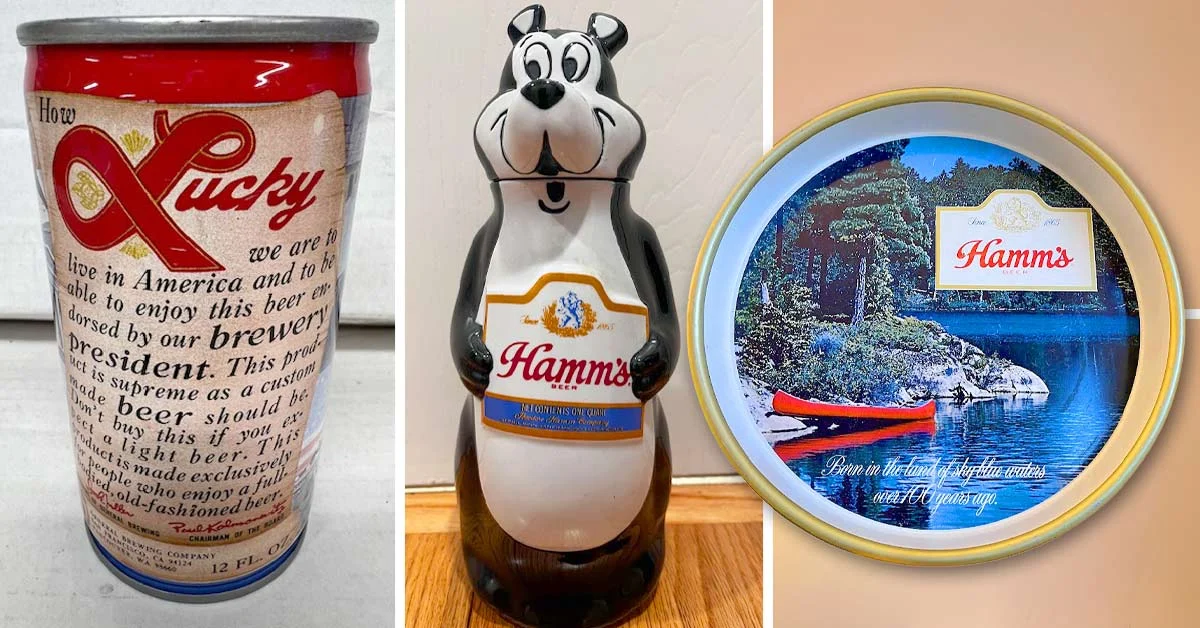
The early 20th century presented a series of existential threats to the industry. The Great Earthquake of 1906 destroyed numerous facilities, and the subsequent implementation of Prohibition in 1920 forced many brewers to pivot to "near-beer" or soda production. Furthermore, the anti-German sentiment following World War I marginalized many of the industry’s pioneers. Despite these setbacks, the post-Prohibition era saw a resurgence of West Coast brewing empires, including Lucky Lager, Acme Brewing, and the Milwaukee Brewing Company—later rebranded as the San Francisco Brewing Corp. and eventually Burgermeister.
The Slovene Migration and Post-War Industrial Boom
The Slovene-American experience in San Francisco is a micro-history of the broader South Slavic diaspora. In the early 1920s, the United States census estimated there were approximately 228,000 Slovene immigrants and their children residing in the country. While many initially settled in the mining and agricultural regions of Idaho, Montana, and the Midwest, the post-World War II era triggered a secondary migration toward urban manufacturing centers.
For many Slovene men, the path to San Francisco was paved by military service. Veterans returning from the European theater, including those who served in General Patton’s Third Army, found a city in the midst of an industrial expansion. Initially, these workers found employment in heavy industries such as Soule Steel, which produced landing craft and barges for the war effort. However, as defense contracts waned in the late 1940s, the beer industry emerged as a more stable and lucrative alternative.
The transition into brewing was often facilitated by tight-knit community networks. The Klemens family, early Slovene arrivals in San Francisco, played a pivotal role in this pipeline. Joseph Klemens, an employee of Burgermeister since the end of Prohibition in 1933, actively recruited fellow Slovenes to the factory floor. By the 1950s, a significant portion of the workforce at the Burgermeister plant—colloquially known as "Burgie"—consisted of Slovene-American men who had traded the hazardous conditions of Montana mines for the steady, unionized labor of the bottling line.
Labor Dynamics and the "Melting Pot" of the Brew Floor
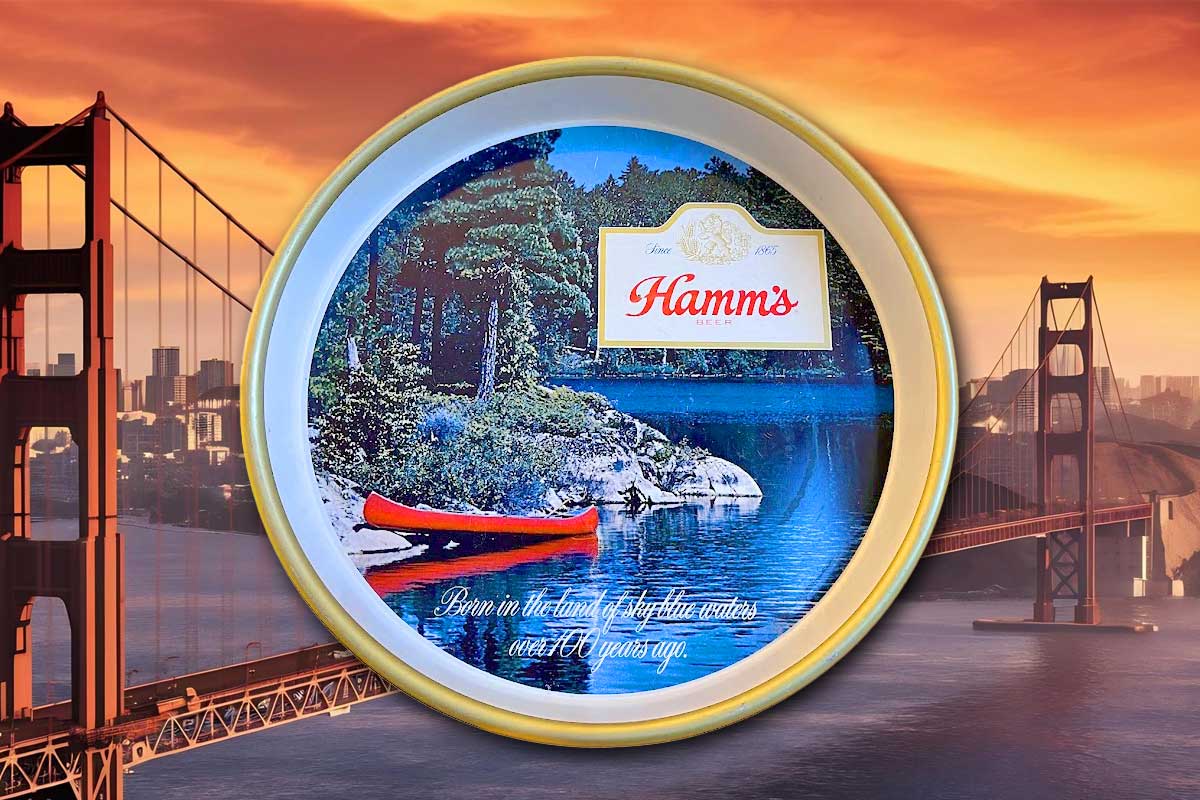
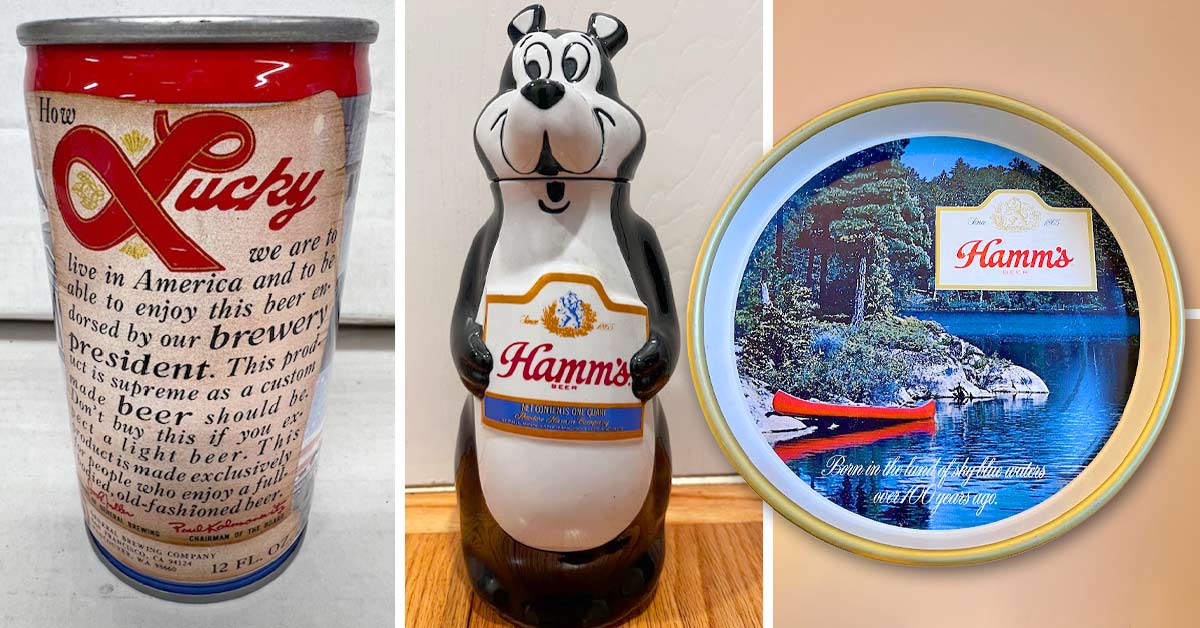
The mid-20th century represented the zenith of large-scale brewing in San Francisco. National and regional brands such as Hamms, Schlitz, Regal Pale, and Acme operated massive facilities that functioned as self-contained ecosystems. The work was grueling but offered a rare level of economic security for immigrant families.
Laborers on the brew floors operated in a "melting pot" environment. While ethnic tensions existed in the broader city—exemplified by discriminatory "No Bohunks Need Apply" signs targeting Czechs, Slovaks, and Slovenes—the brewery floor often functioned as a meritocracy of labor. Workers from Irish, Italian, French, and Scottish backgrounds toiled alongside the Slovene contingent. In the 1970s, these facilities began to integrate African American workers, further diversifying the industrial landscape.
The roles were primarily blue-collar and highly specialized:
- Packaging and Warehousing: Laborers packed glass bottles and moved heavy kegs using forklifts.
- Production Lines: Workers monitored fillers and labeling machines, ensuring the high-speed output of cans and bottles.
- Quality Control: A smaller subset of workers tested pH levels and product consistency to maintain brand standards.
During peak summer months, production schedules were relentless. Factories often operated on three shifts—day, swing, and graveyard—to meet the seasonal spike in demand. It was not uncommon for a single eight-hour shift to produce upwards of 500,000 units. This high volume allowed for extensive overtime, providing the capital necessary for immigrant families to purchase homes in San Francisco’s Victorian neighborhoods and fund the college educations of the next generation.
The Role of Organized Labor and the 1973 Pivot
The stability of the Slovene-American community was inextricably linked to the strength of labor unions, particularly the Teamsters. Union representation ensured that beer factory work was not merely a job, but a career with a guaranteed pension. This collective bargaining power was put to the test during the 1973 boycott of the Coors plant.
The boycott, sparked by allegations of union-busting, low wages, and discriminatory hiring practices, received widespread support from San Francisco’s brewery workers. The Slovene community, having experienced the transition from manual labor to industrial automation, viewed the union as the primary safeguard against the erosion of the middle class. The 1973 labor actions underscored a growing tension in the industry: the conflict between traditional manual craftsmanship and the rising tide of technological efficiency.
Technological Disruption and the Decline of Large-Scale Brewing
The late 1970s and early 1980s marked a period of rapid decline for San Francisco’s traditional brewing giants. The same technological innovation that fueled the Bay Area’s burgeoning computer revolution began to transform the factory floor. Automation replaced the need for large teams of quality control testers and packaging laborers.
As machines became more capable of performing repetitive tasks, the demand for human labor plummeted. Many of the original Slovene immigrants retired during this era, while younger workers were forced to transition to other beverage sectors, such as the production of soft drink syrups for Coca-Cola or Dr Pepper, or relocate to larger, more modern facilities like the Anheuser-Busch plant in Fairfield, California.
The closure of the Burgermeister factory—now the site of a Costco wholesale warehouse—symbolized the end of an era. By the mid-1980s, the landscape of San Francisco brewing had shifted from mass production to a new model: the craft brewery. This transition was spearheaded by figures like Fritz Maytag, who rescued Anchor Brewing from financial ruin in 1965 and spent a decade refining the business model that would eventually inspire the modern microbrewery movement.
Legacy and the Modern Context
Today, the contribution of Slovene-American workers to San Francisco’s history is largely preserved through family oral histories and industrial memorabilia. However, the city remains a global hub for beer culture. Events such as SF Beer Week, held annually in February, showcase the evolution of the industry from the "steam beer" of the 19th century to the innovative IPAs and stouts of today.
Interestingly, the beer culture in Slovenia itself has undergone a parallel evolution. The country currently boasts a thriving market dominated by brands like Laško and Union (now owned by Heineken), alongside a growing craft scene. This creates a full-circle connection for the descendants of the San Francisco Slovene workers, who now see Slovenian imports appearing in high-end Bay Area bottle shops.
The story of the Slovene beer workers is a testament to the transformative power of industrial labor in the American West. It highlights a period when the "Golden Door" of San Francisco opened not onto a gold mine, but onto a factory floor where the work of one’s hands could build a legacy. As the city continues to change, the foundations laid by these immigrant families remain an integral part of the region’s socioeconomic fabric, reminding a new generation that the history of a city can often be found at the bottom of a glass.