admin
The traditional image of the brewery as an isolated industrial facility—characterized by stainless steel tanks, heavy machinery, and a singular focus on high-volume production—is undergoing a profound transformation. In an increasingly saturated market, independent brewers are moving beyond the standard taproom model to embrace multifaceted identities. These modern establishments are redefining themselves as "third places," shared cooperatives, and centers for experimental fermentation, responding to a complex intersection of economic pressures, shifting consumer demographics, and a renewed desire for hyper-local community engagement.
The Rise of the Tiers-Lieu and the Collective Model
As the craft beer industry matures, many entrepreneurs are rejecting the traditional "industrial park" startup model in favor of integrated community spaces. This shift is particularly evident in Europe, where the concept of the tiers-lieu, or "third place," has gained significant traction. This social architecture, popularized by sociologist Ray Oldenburg, refers to spaces that are neither the home (the first place) nor the workplace (the second place), but rather communal anchors where people gather to socialize and learn.
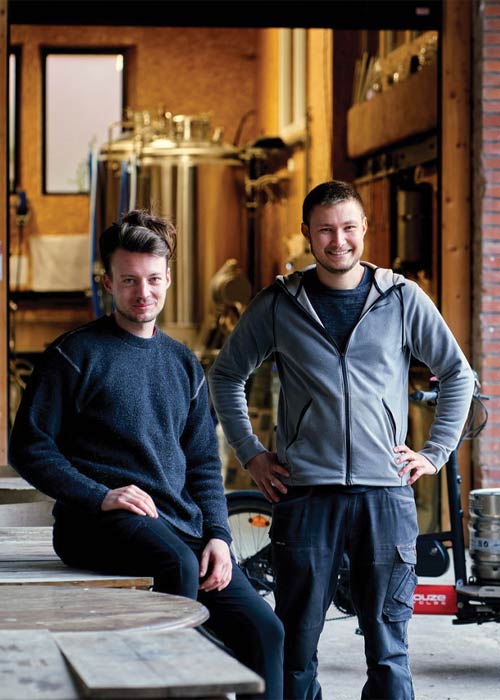
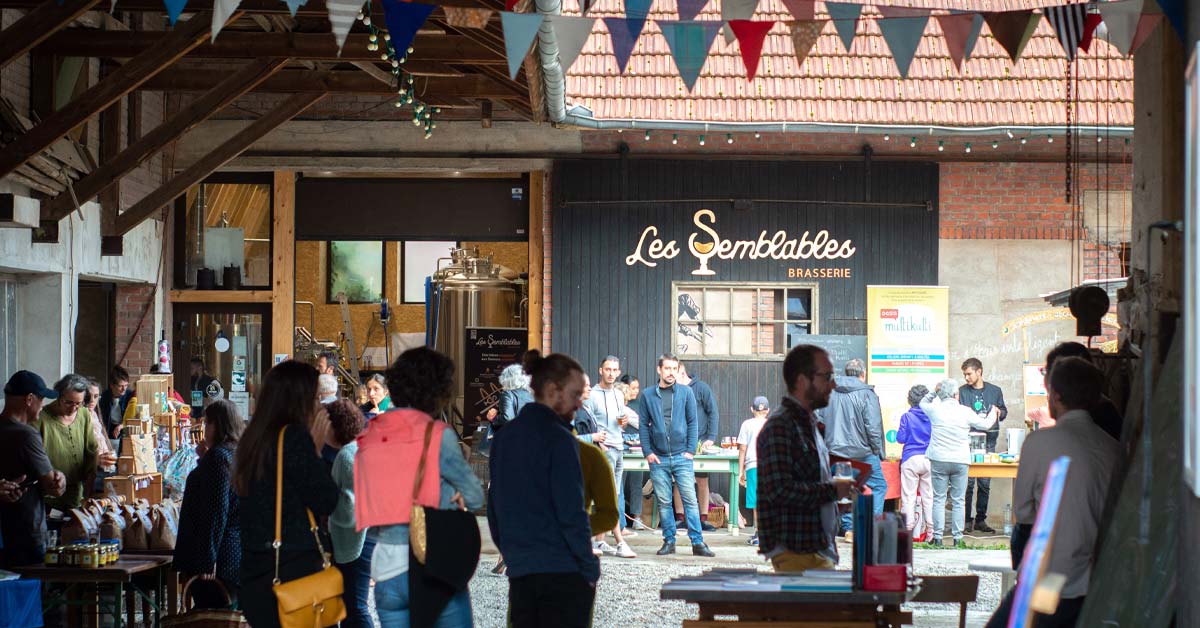
In Alsace, France, the establishment of Brasserie Les Semblables within the Oasis Multikulti collective serves as a primary example of this evolution. Founders Eliott Pernelle and Etienne Voinson deliberately avoided the isolation of industrial zones, choosing instead to settle on a repurposed farm in the village of Mietesheim. This "tiers-lieu" is managed by a volunteer association and hosts a diverse array of activities, including pottery, knitting, a community garden, and a weekly farmer’s market.
The decision to integrate a brewery into an existing cultural hub provides immediate benefits in terms of foot traffic and brand visibility. By situating their production equipment in former stables, Pernelle and Voinson tapped into an established ecosystem of visitors. However, this model requires a departure from traditional business management. To maintain their standing within the collective, the brewers contribute volunteer hours toward the association’s operations, such as managing social media and coordinating events. This symbiotic relationship reflects a broader trend where breweries prioritize social capital alongside financial profit, ensuring long-term resilience through deep-rooted community ties.
Economic Resilience Through Shared Infrastructure
The financial climate for independent breweries has become increasingly hostile over the last five years. According to data from the Brewers Association, while the craft sector has shown resilience, it has faced significant headwinds from rising raw material costs, energy price spikes, and a plateauing of the rapid growth seen in the 2010s. In response, a growing number of brewers are turning to cooperative models to mitigate the high capital expenditure required for brewery ownership.
This "shared economy" approach finds its spiritual roots in the German tradition of Zoiglbier. For centuries, non-professional brewers in Bavarian towns have shared communal brewhouses, a practice that was officially recognized by UNESCO as part of Germany’s intangible cultural heritage in 2018. Five towns—Windischeschenbach, Neuhaus, Mitterteich, Falkenberg, and Eslarn—continue to maintain these communal facilities, where a rotating "star" (the Zoigl) outside a home indicates that fresh beer is available for the community.
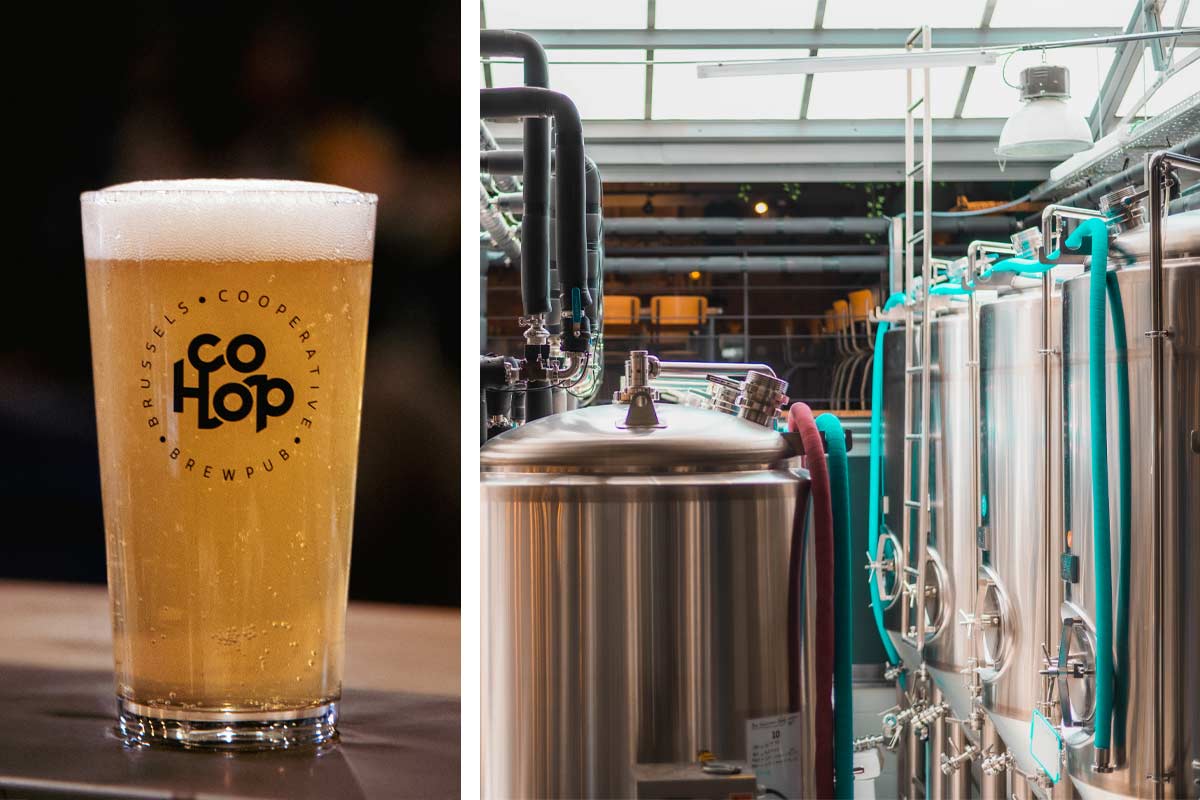
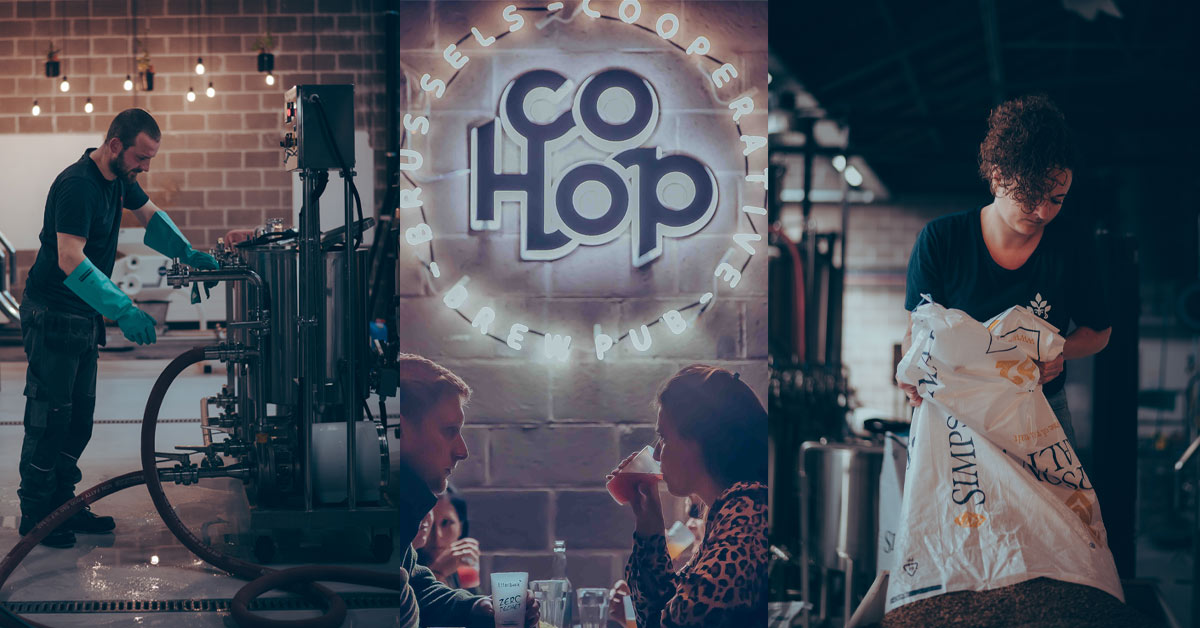
In Brussels, the CoHop project has modernized this ancient concept. Founded in 2021 by Thomas Detourbe and R&©mi Pequin, CoHop serves as a shared production facility for five distinct microbreweries: La Bagarre, Janine, 1Bière 2Tartines, Brasserie Witloof, and La Flaque. The transition from contract brewing (renting space at another facility) to shared ownership allowed these brands to control their production without the crushing debt of individual facility construction.
The logistical framework of CoHop is highly structured to ensure efficiency. Each member brewery takes responsibility for a specific operational pillar: one manages the brewing schedule, another handles raw material procurement, and a third oversees equipment maintenance. This division of labor allows the brewers to focus on their unique brand identities while benefiting from the sustainability of a single brewhouse. Furthermore, the onsite restaurant utilizes bread from Janine—which functions as both a brewery and a bakery—creating a circular economy within the four walls of the facility.
Redefining the Product: The Fermentation Laboratory
The evolution of the brewery is not limited to its physical space or business structure; it is also fundamentally changing the nature of what is produced in the fermenters. As consumer interest in health-conscious options and low-alcohol beverages rises, some producers are pivoting away from the "brewery" label entirely, opting for terms like "fermenterium" or "fermentery."
This rebranding is a strategic response to a diversifying market. According to 2023 market research, the global non-alcoholic and low-alcoholic beverage market is projected to grow at a compound annual growth rate (CAGR) of over 7%. By expanding their focus beyond malt-based beer, these establishments can cater to the "sober-curious" movement, those with dietary restrictions, and consumers seeking probiotic benefits.
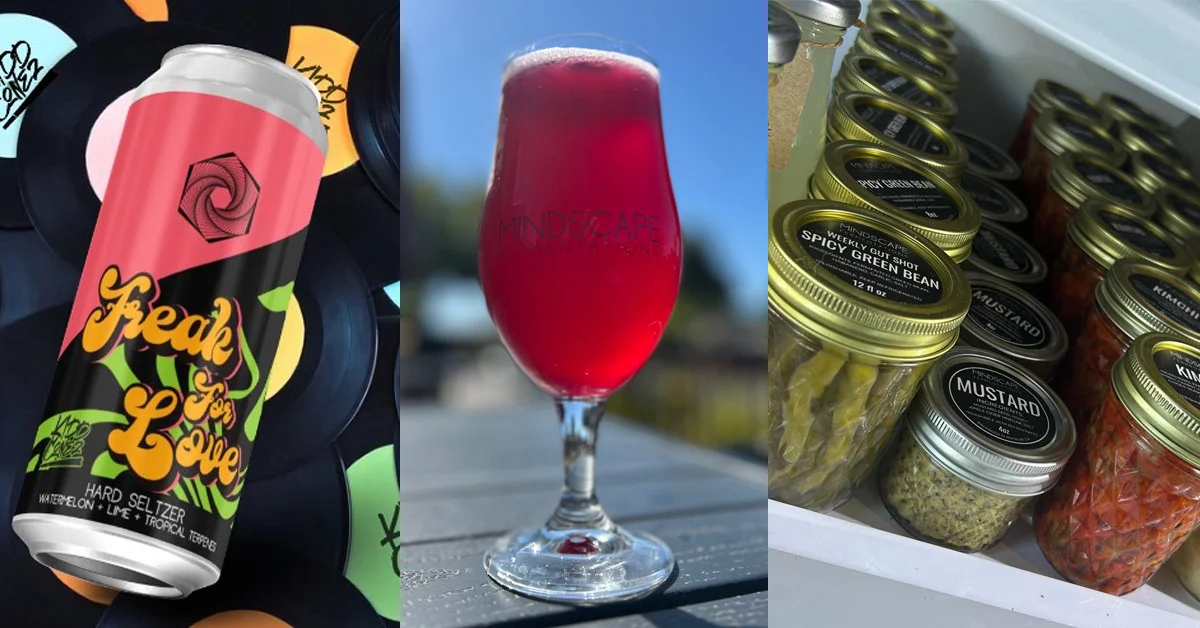
In Rocklin, California, Lauren Price and Lauren Houston of Mindscape Fermentations have embraced this broader definition. By identifying as a "fermentorium," they produce not only craft beer but also kombucha, seltzers, and fermented foods. This diversification serves as a hedge against the volatility of the beer market. If beer sales decline, the growth in kombucha or alternative fermented beverages can stabilize the business.
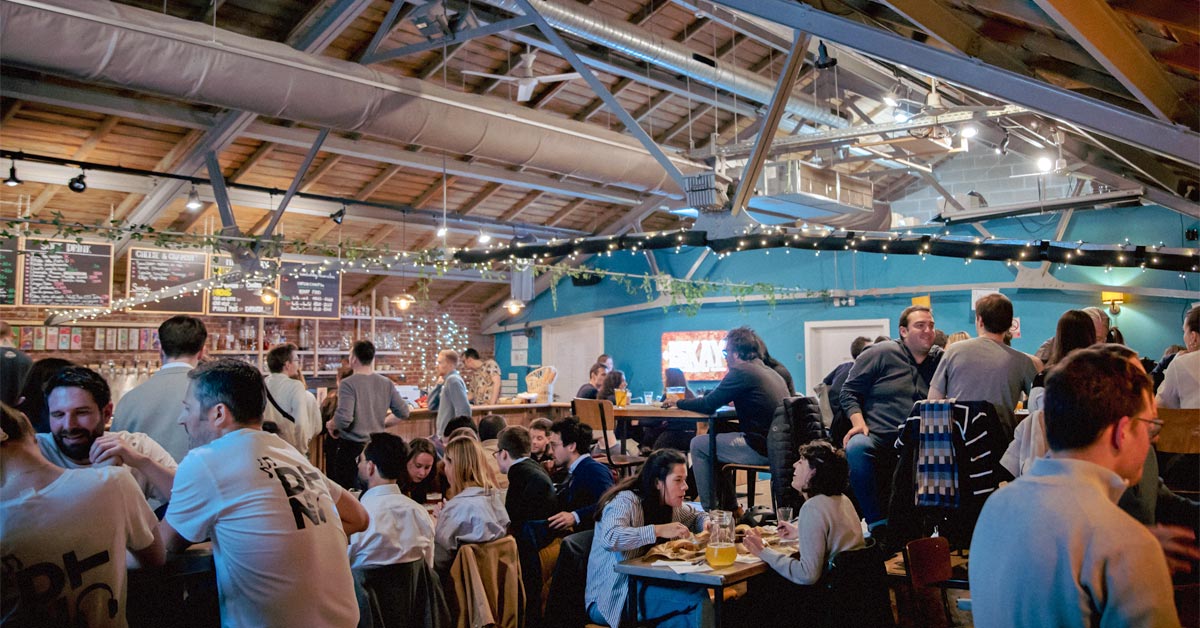
Moreover, this focus on fermentation has proven to be a powerful tool for demographic expansion. Houston notes that Mindscape Fermentations attracts a significantly higher percentage of female patrons and a wider age range than traditional breweries. This shift suggests that the "fermenterium" model is more inclusive, breaking down the often-masculine stereotypes associated with traditional taprooms.
Other notable examples of this trend include:
- Fermentery Form (Philadelphia, PA): Specializes in co-fermented beers using winemaking techniques like the Solera system.
- Fox Tale Fermentation (San Jose, CA): Integrates botanical ingredients and kombucha into a diverse fermentation portfolio.
- The Fermentorium (Wisconsin): Bridges the gap between traditional brewing and cidermaking, offering a wide array of apple-based ferments.
Chronology of the Modern Brewery Shift
The trajectory of this movement can be traced through several key milestones over the past decade:
- 2014–2018: The "Taproom Boom." Breweries began moving away from wholesale distribution, focusing on onsite sales to maximize margins. This era saw the introduction of basic community features like board games and food trucks.
- 2018: UNESCO recognizes communal brewing (Zoigl) as cultural heritage, sparking renewed interest in shared production models.
- 2020–2021: The COVID-19 pandemic forces breweries to rethink their business models. The need for outdoor space and diverse revenue streams leads to the integration of coffee shops, workspaces, and expanded fermentation lines.
- 2021: CoHop opens in Brussels, proving the viability of a multi-brand cooperative brewhouse in an urban environment.
- 2023–2025: High inflation and market saturation accelerate the "Tiers-Lieu" movement. Breweries increasingly seek out non-traditional locations and partnerships to reduce overhead and enhance community relevance.
Broad Implications and Future Outlook
The transformation of the brewery into a multifaceted community hub has significant implications for urban planning and local economies. By acting as "third places," these establishments contribute to social cohesion and the revitalization of rural or neglected industrial areas. The collective model used by groups like CoHop offers a blueprint for sustainable entrepreneurship, reducing the carbon footprint of production by consolidating resources and energy usage.
From a regulatory perspective, this shift may eventually require a reevaluation of zoning laws and licensing. As "breweries" begin to function as bakeries, community centers, and laboratories, the traditional legal definitions of a production facility may become obsolete.
For the consumer, the result is a richer, more educational experience. The modern brewery is no longer just a place to consume a beverage; it is a space to engage with the science of fermentation, participate in local culture, and support a more resilient, cooperative business model. As the industry continues to navigate a challenging economic landscape, the brewers who succeed will likely be those who view their four walls not as a factory, but as a dynamic platform for community and creativity.