admin
The culinary world, often a vast tapestry of interconnected flavors and techniques, occasionally finds profound illumination in the focused exploration of a single ingredient. This approach, evident in a growing genre of books dedicated to a solitary fruit, vegetable, or pantry staple, reveals the surprising depth and significance of items we often take for granted. From the robust character of an onion to the vibrant tang of radicchio, these tomes, while sometimes slim in page count, offer an obsessive, detailed immersion into their chosen subjects, unveiling histories, cultural impacts, and innovative culinary applications that extend far beyond their common perception.
The Allium’s Allure: Unpacking the Onion’s Significance
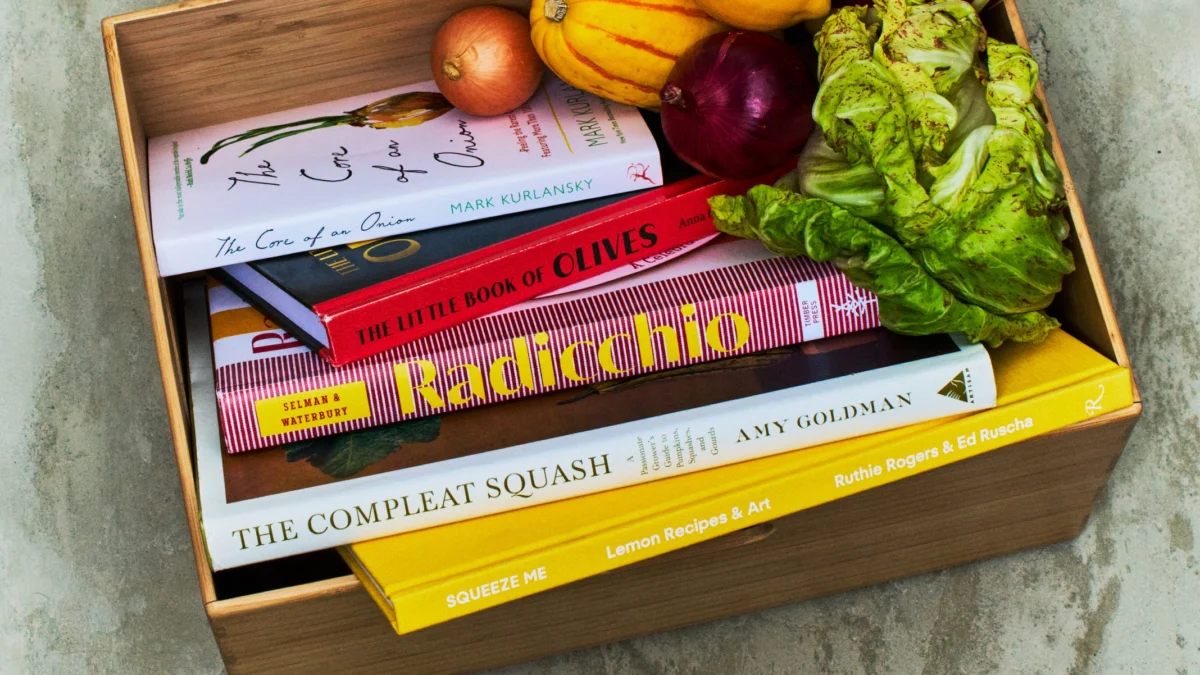
Mark Kurlansky’s The Core of an Onion: Peeling the Rarest Common Food, published in 2023, exemplifies this genre’s power. Clocking in at a concise 200 pages, the book, penned by an author with a distinguished track record in culinary nonfiction—including previous works on oysters, salt, and cod—delves into the multifaceted world of the onion with a blend of scholarly authority and playful irreverence. Kurlansky posits that "Onions have a way of taking on unexpected significance," a statement he thoroughly substantiates.
The initial chapters of The Core of an Onion meticulously trace the vegetable’s historical trajectory and its pervasive cultural footprint. This section provides fascinating historical anecdotes, such as the ancient Egyptian practice of placing onions on the feet of mummies as a preservative, underscoring the onion’s long-standing association with life, death, and preservation. Kurlansky also explores the onion’s role in various mythologies and religious practices, often symbolizing fertility, warding off evil, or representing the cycles of life. The economic impact of onions throughout history is also examined, detailing their role as a stable and accessible food source that has fueled populations through various eras.
Following this historical and cultural deep dive, Kurlansky transitions to a more practical, albeit loosely structured, exploration of the onion’s culinary potential. The recipes offered span a range of applications, from rustic breads and complex sauces to innovative main courses, all designed to highlight the humble bulb’s inherent flavors and textures. This approach challenges the common perception of the onion as merely an aromatic base, showcasing its capacity to be the star of a dish. The book’s success lies in its ability to transform a ubiquitous ingredient into an object of culinary fascination, demonstrating that even the most common items can hold extraordinary stories and possibilities.
Cultivating Obsession: The Squash Family’s Grandeur
Amy Goldman Fowler’s The Compleat Squash: A Passionate Grower’s Guide to Pumpkins, Squash, and Gourds, a seminal work from 2004, stands as another testament to the power of single-subject culinary literature. This book is an extensive ode to the Cucurbitaceae family, and it is characterized by the palpable passion of its author, a master gardener. Fowler’s profound connection to her subject is captured in her statement, "Sometimes I don’t know where pumpkins begin and I end."
The Compleat Squash is more than just a cookbook; it is an encyclopedic exploration of pumpkins, squash, and gourds. The book features a stunning array of individual portraits of these fruits, each specimen rendered with an artistic eye that emphasizes its unique form and beauty. This visual component underscores the diversity within the squash family, showcasing varieties that range from the common to the exceptionally rare. Fowler meticulously details the characteristics of each type, including their origins, growth habits, and typical uses.
Beyond the aesthetic appreciation, the book provides practical guidance for both growers and cooks. Fowler shares a wealth of recipes, demonstrating the versatility of squash and gourds in both sweet and savory dishes. Her expertise extends to detailed advice on cultivation, covering everything from seed starting and soil preparation to pest management and harvesting techniques. Furthermore, the book serves as a valuable resource for home gardeners and food enthusiasts, offering recommendations for seed suppliers and information on heirloom varieties, encouraging readers to engage directly with the cultivation and consumption of these remarkable plants. The book’s comprehensive nature solidifies its status as a definitive guide, appealing to those who appreciate the intricate details of botany, agriculture, and gastronomy.
Embracing the Bitter: The Case of Radicchio
In contrast to the broadly familiar onion or the widely appreciated squash, some single-subject books aim to introduce readers to less ubiquitous, perhaps even challenging, ingredients. Lane Selman and Margarett Waterbury’s Radicchio: A Celebration of the Beloved Italian Vegetable falls into this category. This book delves into the "human and natural history" of the bitter chicory, a vegetable often overlooked or misunderstood in many culinary traditions.
Selman, founder of the Culinary Breeding Network—an organization dedicated to fostering collaboration between scientists, farmers, and chefs to explore and promote new produce varieties—brings a unique perspective to this project. Her involvement highlights a growing movement to celebrate and revive interest in heirloom and underutilized crops. The book not only explores the history and cultivation of radicchio but also ventures into its more unconventional culinary applications.
Radicchio presents a fascinating collection of recipes that push the boundaries of how this ingredient is typically used. These include innovative dishes such as gnocchi with radicchio pesto, radicchio with prosciutto gratin, and even a daring chocolate-radicchio cake, demonstrating the vegetable’s surprising adaptability. The book reads almost as a community cookbook, a deliberate choice by Selman. She explains that her inspiration stemmed from a profound lack of existing literature on radicchio, leading her to seek out and include the stories and expertise of the many individuals she encountered on her research journey. "All of these people that we’ve met on our way down the rabbit hole needed to be included," she states, emphasizing that "Sometimes it takes a village" to truly understand and celebrate a particular food. This collaborative spirit imbues the book with a sense of shared discovery and appreciation for a vegetable that, for many, is an acquired taste. The book’s exploration of radicchio’s unique flavor profile and its potential to elevate diverse dishes positions it as a vital resource for culinary adventurers.
Pantry Staples Reimagined: The Humble Olive
Other single-subject cookbooks turn their spotlight onto pantry staples that are often relegated to supporting roles. Anna Hezel’s Little Book of Olives: A Guide to Cooking, Eating, and Drinking for the Brine-Inclined is a prime example of this. This compact volume seeks to elevate the olive from its common status as a mere garnish or pizza topping to a central ingredient with a rich culinary heritage.
Hezel’s book offers a diverse array of recipes that showcase the olive in unexpected ways. These include a refreshing cantaloupe and crushed-olive panzanella, a vibrant Castelvetrano and pistachio pesto, and an entire chapter dedicated to olive-based desserts. This imaginative approach to recipe development highlights the fruit’s complex flavor profile, which can range from briny and salty to subtly sweet and fruity, depending on the variety and curing method.
Beyond the recipes, Little Book of Olives provides practical guidance for consumers. It includes essential shopping tips, helping readers navigate the vast and often confusing world of olive varietals and brine-cured options. The book also offers a breakdown of different types of olives, explaining their origins, characteristics, and best culinary uses. The book’s distinctive retro aesthetic is not merely a stylistic choice; it lends a sense of historical weight and seriousness to an ingredient that is frequently overlooked. By presenting olives with such care and attention, Hezel’s work encourages a deeper appreciation for their nuanced flavors and their potential to transform everyday dishes into something extraordinary. The book’s accessible format and comprehensive advice make it an invaluable resource for home cooks looking to explore the full spectrum of olive possibilities.
Art Meets Cuisine: The Zesty Lemon
Finally, some single-subject books transcend purely informational or instructional purposes, aiming instead to dazzle and inspire through a fusion of art and culinary exploration. The 2025 release Squeeze Me: Lemon Recipes & Art, a collaboration between pop artist Ed Ruscha and River Café chef Ruthie Rogers, exemplifies this approach. This high-gloss publication is a vibrant love letter to the lemon.
The book is characterized by its visually striking presentation, featuring pop art-inspired photography accompanied by witty captions. This artistic framing elevates the lemon beyond its utilitarian function, celebrating its aesthetic appeal and its symbolic representation of brightness and zest. Interspersed with the artistic elements are a suite of minimalist recipes that highlight the lemon’s diverse applications. These include elegant dishes such as lemon-mascarpone tart and classic limoncello, showcasing the citrus’s ability to add both brightness and depth to a wide range of culinary creations.
Squeeze Me is designed to be as much a coffee table piece as it is a kitchen resource. Its sophisticated design and artistic flair make it an object of beauty, while its curated recipes offer practical inspiration for home cooks. The collaboration between Ruscha, known for his iconic imagery and textual explorations, and Rogers, a renowned chef celebrated for her commitment to quality ingredients and simple yet elegant cooking, results in a unique and engaging exploration of the lemon. The book’s dual focus on visual artistry and culinary delight demonstrates that even the simplest of ingredients can be the subject of profound aesthetic and gustatory appreciation. The lemon, often taken for granted for its ubiquitous presence in kitchens worldwide, is here presented as a muse, inspiring both artistic expression and culinary innovation.
The Power of Focus: Less is More
While the styles and forms of these single-ingredient books vary significantly, they share a common and powerful objective: to illuminate the often surprising pleasures and profound significance of a particular fruit or vegetable. Whether delving into historical archives, showcasing agricultural diversity, or celebrating unique flavor profiles, these authors and their works demonstrate that a focused approach can yield extraordinary insights. The meticulous research, the passionate storytelling, and the innovative culinary explorations presented in these books collectively prove that, in the realm of culinary literature, working with less—in terms of the subject matter—can indeed lead to discovering more, revealing a universe of flavor, history, and culture within the most familiar of foods. This genre’s continued success suggests a growing audience eager to move beyond superficial knowledge and engage in a deeper, more appreciative understanding of the ingredients that shape our plates and our lives.