admin
admin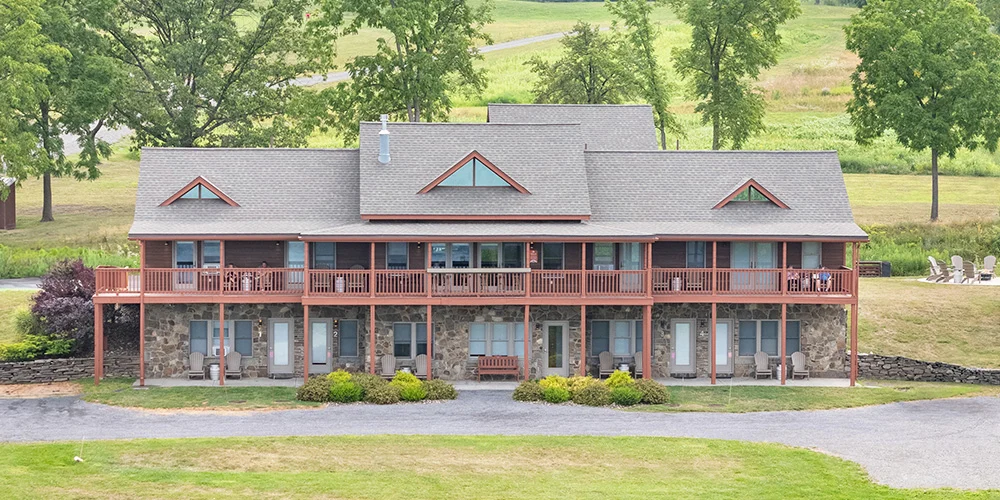
Across the United States, the craft brewing industry is undergoing a significant structural evolution, moving beyond the traditional taproom model to embrace a comprehensive hospitality-driven strategy. Independent brewers are increasingly diversifying their portfolios by transforming historic landmarks, rustic barns, and scenic bungalows into specialized accommodations. This movement, colloquially known as the "beercation," allows brands to foster deeper emotional connections with consumers by offering immersive, multi-day experiences that reflect their specific brand ethos. From alpine lodges in Vermont to luxury cabins in the Pacific Northwest, these destinations represent a maturing market where beer is no longer just a product, but a cornerstone of regional tourism and lifestyle branding.
The Evolution of the Destination Brewery
The shift toward brewery-led lodging is a response to a saturated craft beer market and a changing consumer landscape. According to data from the Brewers Association, while the number of operating craft breweries in the U.S. has climbed to over 9,500, the industry has seen a stabilization in production growth. To maintain relevance and capture a larger share of consumer spending, breweries are looking toward the "experience economy." By providing overnight stays, breweries can extend the "dwell time" of their patrons, turning a one-hour tasting flight into a 48-hour brand immersion.
Historically, beer tourism was limited to industrial tours of large-scale facilities. However, the modern "beercation" is rooted in the concept of storytelling. For independent brewers, lodging serves as a physical manifestation of their values. Whether through sustainable building practices, the preservation of local history, or the integration of outdoor recreation, these accommodations allow guests to live within the brewery’s narrative. This strategy has proven effective in building brand loyalty that persists long after the guest has checked out.
Cabin Culture and the Pacific Northwest Model
In the Pacific Northwest, the integration of craft beer and outdoor adventure has created a unique hospitality niche. Backwoods Brewing Company, located in Carson, Washington, exemplifies this trend. Situated in the Columbia River Gorge—approximately one hour from Portland and three hours from Seattle—the brewery has transitioned from a local watering hole into a regional destination.
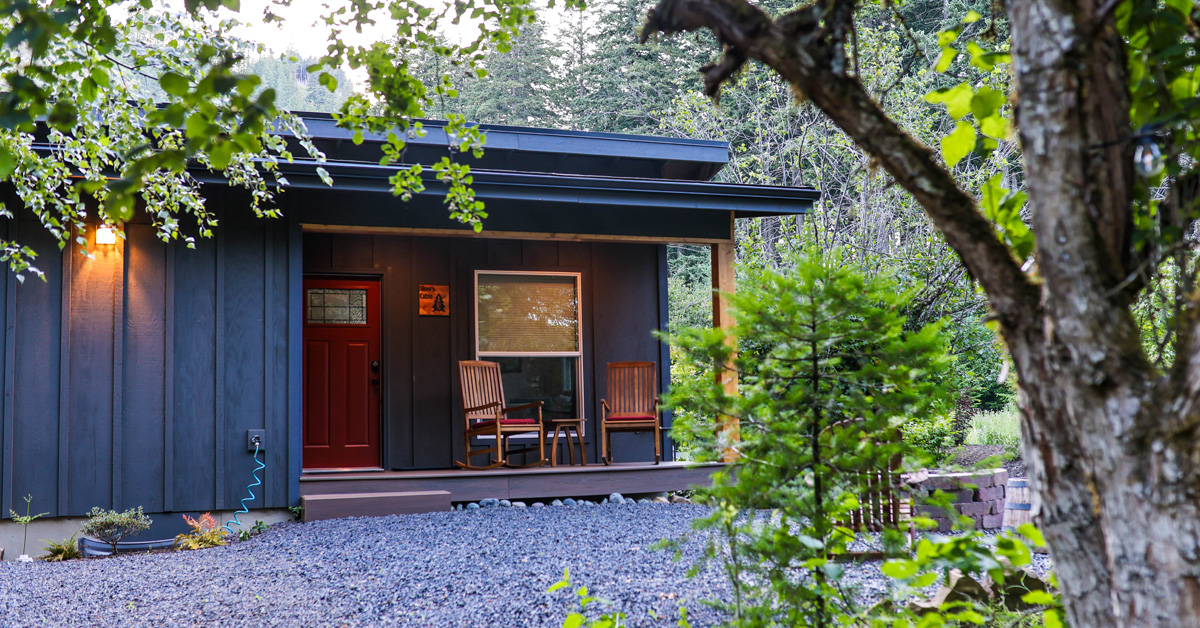
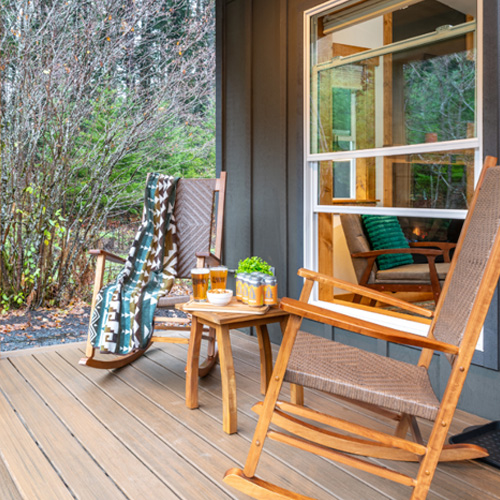
The Waters family, who founded Backwoods, recognized the untapped potential of the surrounding landscape. In an effort to encourage visitors to "slow down," they developed Backwoods Cabins, a collection of eight luxury-leaning units. Steve Waters, CEO of Backwoods, notes that the cabins were designed to be an extension of the pub’s welcoming atmosphere. Each cabin is themed to reflect regional activities, such as hiking, kayaking, and stargazing.
Technically, these accommodations bridge the gap between "cabin-core" aesthetics and modern luxury. Features include gas fireplaces, 600-thread-count linens, and kitchenettes stocked with local goods. To integrate the brewery experience, guests have the option to pre-order curated beer selections for their rooms. This model highlights a growing trend in the industry: the "frictionless" beer experience, where the product is woven into the guest’s relaxation and recreation cycle.
Alpine Heritage and the Legacy of von Trapp Brewing
In the Northeast, the von Trapp Family Lodge in Stowe, Vermont, offers a different perspective on beer hospitality, one rooted in historical legacy and European tradition. While the family gained international fame through the story of The Sound of Music, their 2,600-acre alpine resort has become a primary driver of Vermont’s craft beer reputation.
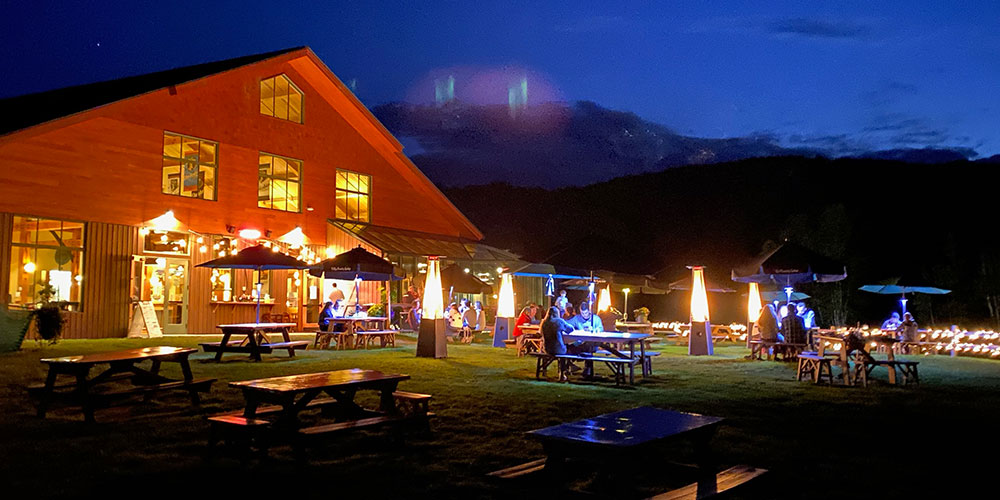
Johannes von Trapp established von Trapp Brewing with the goal of recreating the crisp, refreshing lagers of his Austrian heritage. The brewery was integrated directly into the resort’s infrastructure, utilizing natural spring water from the property. This vertical integration allows the resort to offer a "farm-to-table" and "grain-to-glass" experience.
The hospitality model here is deeply immersive. Guests participate in Austrian-inspired dining at the Bierhall, where house-made bratwurst and schnitzel are paired with award-winning Helles and Kölsch-style ales. Emily Provost, the brewery’s marketing manager, emphasizes that the stay is about more than just the beverage; it is about connecting to the land and the history of the von Trapp family. This approach demonstrates how established hospitality entities can successfully pivot to include craft brewing as a core part of their value proposition.
The Finger Lakes and the Strategic Integration of Lodging
While many breweries add lodging as an afterthought, Grist Iron Brewing in Watkins Glen, New York, utilized a lodging-first strategy. When the owners scouted the property in the Finger Lakes region, the presence of existing accommodations was a primary factor in the acquisition. Today, The Lodge at Grist Iron serves as a central hub for visitors exploring the region’s famous wine and beer trails.
The design of The Lodge is intentionally "beer-centric," featuring rustic-modern interiors, brewing-themed murals, and mini-fridges stocked with the brewery’s flagship cans, such as Lake Life IPA and MaXXimus Brown Ale. One notable feature is the inclusion of built-in shower ledges designed specifically for "shower beers," a detail that has become a signature part of the Grist Iron brand experience.
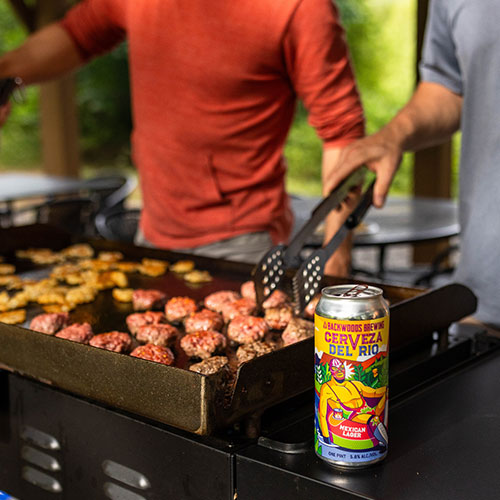
By expanding their offerings to include "Beer Mountain"—a disc golf course and a dog park with a "Woof Top" bar—Grist Iron has effectively blurred the lines between a traditional brewery and a full-service resort. Emily Knowlden, the brewery’s marketing coordinator, reports that this immersive environment leads to longer guest stays and higher levels of engagement with the staff, which in turn fosters a more resilient customer base.
Adaptive Reuse and the Transformation of Historic Spaces
A significant portion of the brewery-hotel movement is driven by adaptive reuse—the process of repurposing old buildings for new functions. McMenamins, operating in Oregon and Washington, has mastered this approach. The company is known for transforming decommissioned schools, churches, and poor farms into eclectic hotel-brewery hybrids.
These properties serve as living museums, where local history is preserved through art and architecture. Guests might stay in a former classroom and walk down the hall to a theater-brewpub or a secret speakeasy tucked behind an unmarked door. This model not only saves historic structures from demolition but also provides a unique, non-standardized experience that appeals to travelers looking for authenticity.
Similarly, in Fargo, North Dakota, Drekker Brewing has introduced the Brewhalla Crash Pad. This boutique hotel is part of a larger "food and entertainment wonderland." Each room is themed after a specific Drekker beer, utilizing bold murals and industrial design to mirror the brand’s psychedelic label art. This hyper-branding strategy turns the hotel stay into a marketing asset, encouraging social media sharing and brand storytelling.
Economic Impact and Industry Analysis
The move into hospitality offers several strategic advantages for craft breweries. First and foremost is the diversification of revenue. As wholesale competition for shelf space in grocery stores becomes more intense, direct-to-consumer sales through taprooms and on-site lodging offer significantly higher margins.
Furthermore, brewery stays contribute to the economic health of rural and semi-rural areas. By creating "destination" status, breweries like Backwoods in Washington or Commerce Street Brewery Hotel in Wisconsin draw tourists who spend money not only at the brewery but also at local restaurants, gas stations, and retail shops. This "halo effect" often makes breweries essential partners in local economic development.
Data suggests that the "beer tourist" is a high-value demographic. According to travel industry reports, craft beer enthusiasts are likely to stay longer and spend more per trip than the average tourist. They prioritize quality over quantity and are willing to pay a premium for unique, localized experiences. By providing high-end accommodations, breweries are directly catering to this affluent segment of the market.
Future Outlook: The Convergence of Craft and Comfort
The trend of brewery-based lodging is expected to continue growing as more brewers seek to stabilize their business models. We are likely to see more "lifestyle" integrations, where breweries partner with outdoor gear brands, wellness retreats, or local artisans to provide a holistic vacation package.
However, the transition from brewer to innkeeper is not without challenges. Hospitality requires a different set of skills—property management, guest services, and housekeeping—that are distinct from the technical demands of brewing. The most successful "beercations" are those that manage to balance professional hotel standards with the laid-back, community-focused atmosphere that defines craft beer culture.
As the industry moves into 2025 and beyond, the "beercation" will likely move from a novelty to a standard offering for regional powerhouse breweries. For the consumer, this shift offers a more profound way to engage with their favorite brands. Instead of simply buying a six-pack, they are buying an experience, a memory, and a story. The success of these brewery stays confirms that in the modern market, the most valuable commodity a brand can offer is a sense of place.