admin
admin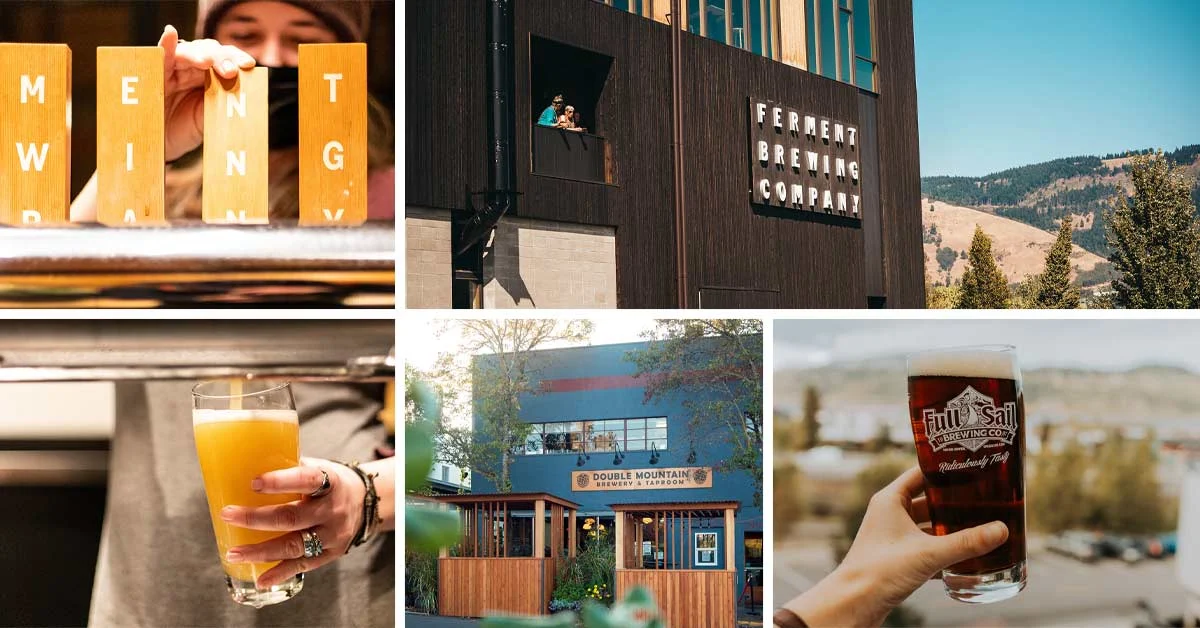
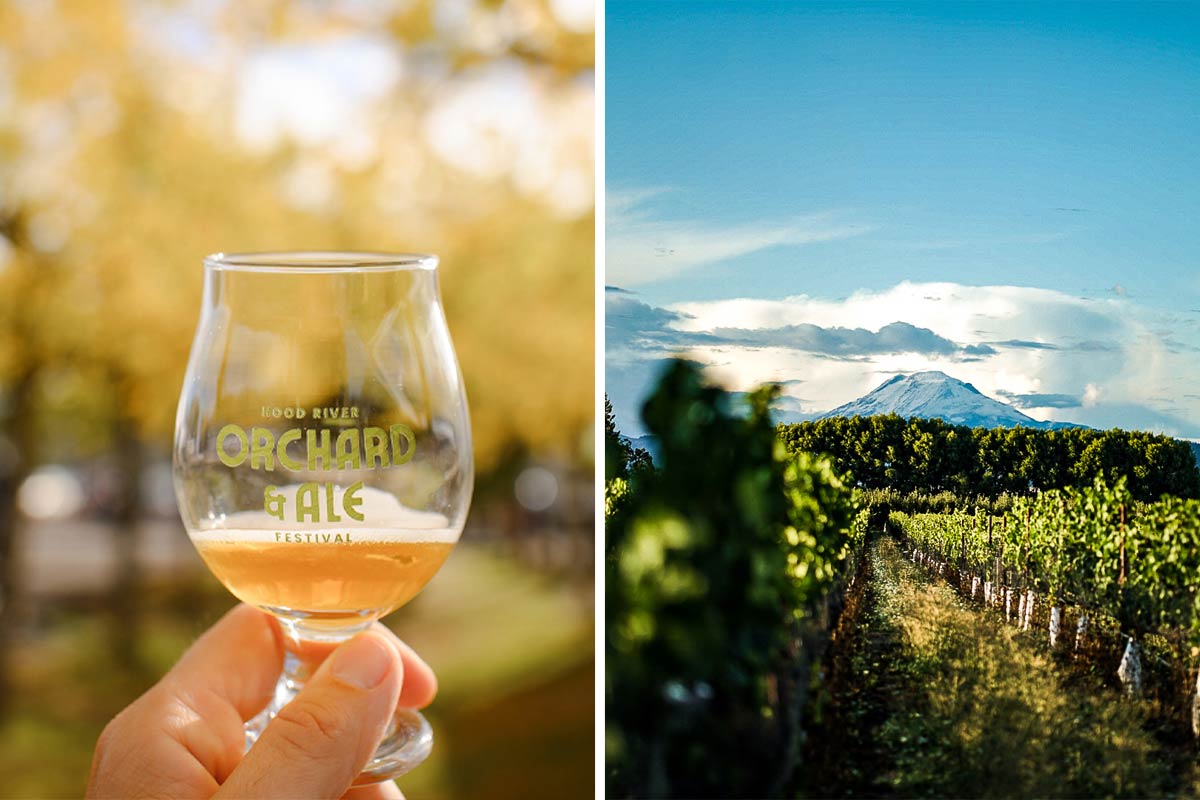
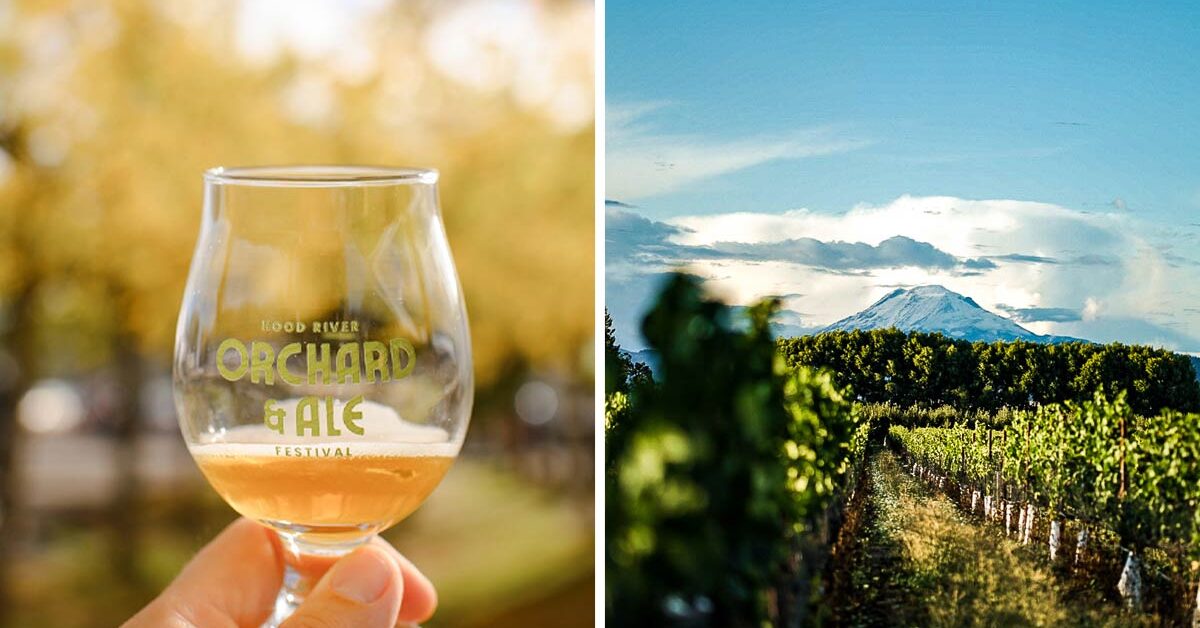
The inaugural Hood River Orchard and Ale Festival recently marked a significant milestone in the development of Oregon’s craft beverage sector, drawing enthusiasts to the scenic Columbia River waterfront to celebrate the region’s unique intersection of agriculture and fermentation. Set against the backdrop of the Columbia River Gorge, the event served as a showcase for the high-density brewing culture of Hood River, a town of approximately 8,000 residents that has become a global focal point for craft beer production. The festival highlighted the geographical and environmental factors that have allowed this small community to maintain an outsized influence on the North American beer market, emphasizing the transition from traditional agriculture to a sophisticated, value-added beverage economy.
Environmental Foundations and the Hood River Watershed
The success of the brewing industry in Hood River is inextricably linked to the geological and hydrological characteristics of the Columbia River Gorge. While the Columbia River itself is the most prominent feature of the landscape, the town’s breweries do not draw their production water from it. Instead, the industry relies on the Hood River watershed, which is fed primarily by snowmelt from the 14,000-foot peaks of the Cascade Mountains.
Geological analysis of the region reveals that this water undergoes a natural filtration process through layers of volcanic basalt rock. This filtration results in a water profile that is remarkably soft and clean, yet retains a specific mineral balance ideal for brewing. In the world of commercial brewing, water chemistry is a foundational element; the soft water of the Cascades allows Hood River brewers to produce clean, crisp lagers and complex ales without the need for extensive chemical adjustments.
Furthermore, the region’s proximity to the Willamette Valley provides a logistical advantage that few other brewing hubs can claim. The Willamette Valley is one of the premier hop-growing regions in the world. This proximity allows Hood River brewers access to "fresh hops"—hops that are harvested and utilized in the brewing process within hours, rather than being dried and pelletized. This seasonal capability was a primary focus of the Orchard and Ale Festival, which took place during the early October harvest window.
The Inaugural Orchard and Ale Festival: Logistics and Atmosphere
The festival was positioned on the Hood River waterfront, a location known for its high-velocity winds. The Gorge acts as a natural wind tunnel, creating a microclimate that attracts windsurfers and kiteboarders while presenting unique challenges for event organizers. During the event, steady gusts necessitated a shift in attendee behavior, with many opting for weighted glassware over traditional plastic tasting cups to prevent debris and loss of product.
The festival’s theme, "Orchard and Ale," reflects the dual heritage of the Hood River Valley. For over a century, the valley has been a leading producer of apples and pears. In recent decades, the integration of these fruits into the brewing process has become a hallmark of the local style. From farmhouse-style sours to fruit-infused lagers, the festival demonstrated how local brewers utilize the "terroir" of the Gorge—the specific environmental factors that affect a crop’s phenotype—to create products that cannot be replicated elsewhere.
A Chronological Evolution of Hood River Brewing
The current density of the Hood River beer scene is the result of nearly four decades of industry evolution, beginning with the "first wave" of craft brewing in the 1980s.
The Foundation: Full Sail Brewing Co. (1987)
Full Sail Brewing Co. is recognized as one of the "OG" (original) craft breweries in the United States. Established in 1987 in a former fruit cannery, Full Sail was a pioneer in the employee-ownership model and helped establish the Pacific Northwest as a craft beer stronghold. While the brewery is famous for its classic Amber Ale, it has maintained its market relevance by adapting to modern trends, including the development of West Coast and Hazy IPAs. Its presence downtown remains a cornerstone of the local economy.
The Second Wave: Double Mountain Brewery (2007)
Twenty years after Full Sail opened its doors, Double Mountain Brewery was established, signaling a shift toward more experimental and hop-forward styles. Double Mountain gained a reputation for its commitment to traditional European techniques combined with bold American hop profiles. The brewery also became a leader in sustainability within the region, utilizing a refillable bottle program that predated many modern environmental initiatives.
Regional Expansion: pFriem Family Brewers (2012)
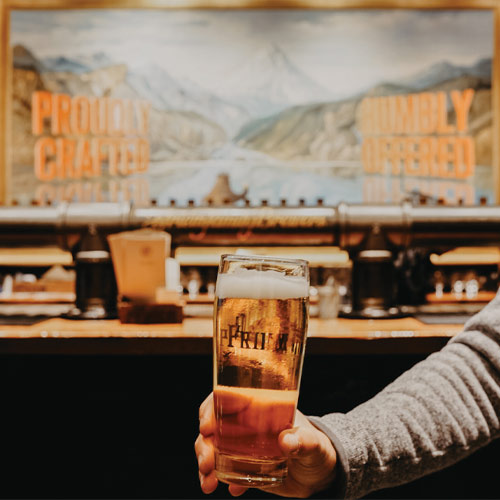
The opening of pFriem Family Brewers in 2012 marked a new era of national recognition for Hood River. Located directly on the waterfront, pFriem focused on Belgian-influenced ales and high-quality German-style lagers. Their success has been characterized by significant regional growth and numerous industry awards. The brewery’s ability to scale production while maintaining artisanal quality has made it a model for modern craft operations.
Modern Innovation: Ferment Brewing Company and Beyond
In recent years, the scene has continued to diversify. Ferment Brewing Company, situated near pFriem on the waterfront, utilizes farmhouse techniques and local flora to capture the essence of the region. Their "Lost in Fragaria" sour ale, which utilizes Oregon strawberries, is a prime example of the "Orchard and Ale" synergy.
In 2023, Hood River Brewing Company added to the downtown landscape with a focus on eclectic styles, such as Mexican Amber Lagers. This was followed in 2025 by the opening of The Walled Garden, a public house launched by Kings & Daughters Brewery. These newer establishments indicate that despite the high concentration of existing breweries, there remains a significant market appetite for new entries in the Hood River craft sector.
Technical Analysis of Regional Styles
The Hood River brewing community is noted for its technical proficiency in several specific styles, which were prominently featured at the festival:
- Bottom-Fermented Lagers: Establishments like Working Hands Fermentation have specialized in lagers, such as the Night Shift Schwarzbier. This style requires precise temperature control and long conditioning periods, resulting in a light-bodied but dark-colored beer with subtle roasted notes.
- Fresh-Hop IPAs: Utilizing the Strata and Mosaic hop varieties from the nearby Willamette Valley, brewers produce seasonal IPAs that emphasize aromatic oils and "green" flavors that are lost in the drying process.
- Czech and German Classics: The local water profile is particularly well-suited for Pilsners and Czech Dark Lagers. The soft water allows for a prominent yet smooth hop bitterness and a clean malt finish.
Economic and Broader Implications
The Hood River craft beer industry serves as a vital economic engine for the region. With more than a dozen breweries and tasting rooms serving a population of only 8,000, the town boasts one of the highest numbers of breweries per capita in the world. This density drives a robust tourism industry, as the Gorge becomes a destination for "beercations," supplementing the revenue generated by outdoor recreation.
Industry analysts point to Hood River as a successful case study in "beverages-led revitalization." By converting agricultural raw materials into high-value consumer goods, the town has insulated itself against some of the volatility of the raw commodity markets. The integration of local fruit (apples, pears, strawberries) into the brewing process further supports the local farming community, creating a circular economy that benefits multiple sectors.
Moreover, the collaborative nature of the Hood River brewing scene—exemplified by the inaugural festival—suggests a move toward collective branding. By marketing the region as a whole, rather than as individual competing businesses, Hood River has positioned itself to compete with much larger metropolitan areas like Portland or Seattle.
Future Outlook
As the craft beer industry nationwide faces a period of maturation and consolidation, Hood River appears to be bucking the trend through specialization and a focus on quality over sheer volume. The launch of the Orchard and Ale Festival suggests a commitment to long-term community engagement and a desire to formalize the town’s status as a premier global brewing hub.
The continued investment in new taprooms and the expansion of existing facilities indicate that the local industry has not yet reached its saturation point. For the residents of Hood River and the thousands of tourists who visit the Gorge annually, the "beer fest" atmosphere is not merely a seasonal event but a permanent fixture of the regional identity. As the industry moves forward, the focus is expected to remain on the preservation of the Hood River watershed and the continued exploration of the unique flavors provided by the Columbia River Gorge’s fertile soil and volcanic history.