admin
admin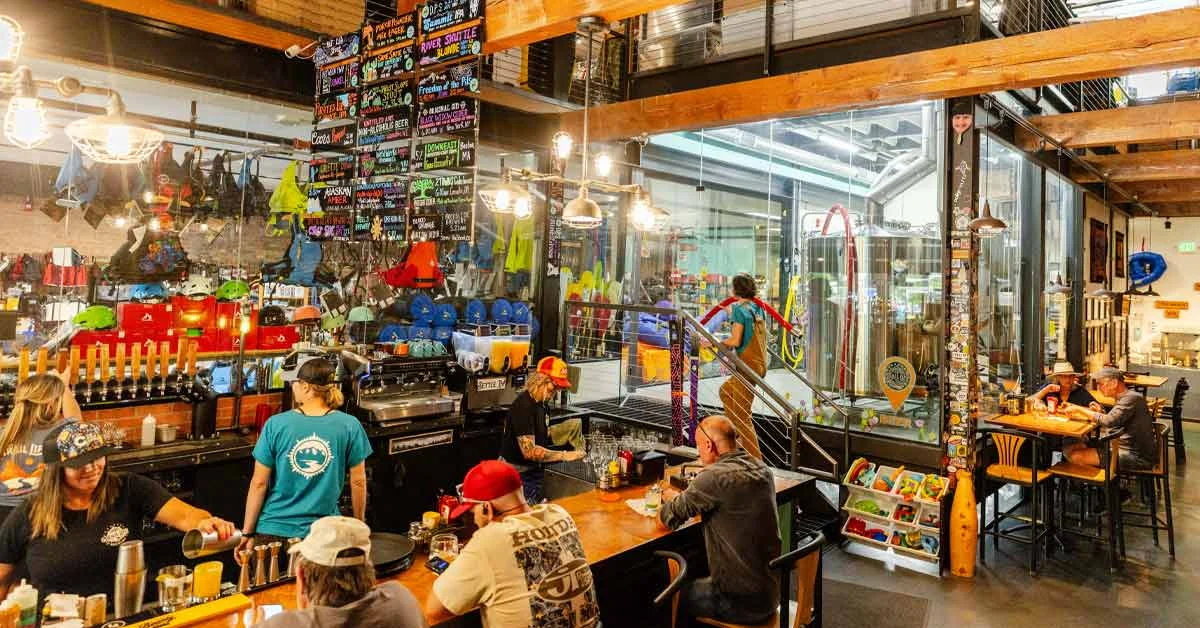
Grand Junction, Colorado, situated at the confluence of the Colorado and Gunnison Rivers, is undergoing a significant cultural and economic transformation as it emerges from the shadow of the state’s more populous Front Range. While the Colorado National Monument offers a geological spectacle of red rock canyons and towering monoliths comparable to the Grand Canyon, it remains notably less congested, providing a serene alternative for domestic and international travelers. This lack of over-tourism has allowed a sophisticated and community-centric craft beer industry to flourish, creating a unique synergy between high-desert adventure and artisanal fermentation. Local business leaders and industry analysts suggest that the city is no longer merely a waypoint between Denver and Salt Lake City, but a primary destination for enthusiasts seeking a high-quality, authentic experience without the logistical hurdles of overcrowded national parks.
The Geographical and Historical Context of the Grand Valley
The city of Grand Junction derives its name from its location at the "grand" junction of two major waterways. Historically, the region was inhabited by the Ute people before becoming a hub for agriculture and fruit orchards in the late 19th century. Today, the geography of the Grand Valley defines its tourism appeal. To the west lies the Colorado National Monument, a 32-square-mile expanse of plateau and canyon lands. To the east stands the Grand Mesa, the largest flat-top mountain in the world, rising to over 11,000 feet and spanning 500 square miles. To the northwest, the Book Cliffs provide a stark, dramatic backdrop, while the Rattlesnake Arches offer one of the highest concentrations of natural stone arches outside of Utah.
This diverse terrain has fostered a robust outdoor recreation culture. According to the Colorado Office of Economic Development and International Trade, outdoor recreation contributes billions to the state’s GDP annually. In Grand Junction, this manifests in a lifestyle centered on mountain biking, hiking, and river sports. Adam Kinsey, owner of Handlebar Tap House and WestCo Brewing, notes that the local population is almost universally engaged in outdoor activities, a factor that has directly influenced the development of the city’s hospitality sector.
A Chronology of the Grand Junction Brewing Movement
The evolution of the craft beer scene in Grand Junction mirrors the broader growth of the American craft beer movement, but with a distinct regional character.
-
The Foundation (1994): The Rockslide Brew Pub opened its doors in 1994, serving as the pioneer for the local industry. At a time when the "craft" designation was in its infancy, Rockslide established the viability of brewpubs in the Western Slope, focusing on classic ales and lagers that catered to both locals and travelers.
-
The Expansion Phase (2010–2018): As the national craft beer boom accelerated, Grand Junction saw the arrival of new players like Base Camp Beer Works and Gemini Beer Company. These establishments began experimenting with more diverse styles, moving beyond standard ambers and pales to incorporate seasonal ingredients and modern techniques.
-
The Modern Renaissance (2020–Present): Despite the global economic disruptions of the early 2020s, the Grand Junction beer scene experienced a surge in high-concept openings. Ramblebine Brewing launched in 2020, followed by the integrated bike-and-brew model of Trail Life Brewing. The most recent addition, WestCo Brewing, highlights the maturation of the market, focusing on specific niche styles and high-end culinary pairings.
Analytical Profile of Key Industry Players
The current market is characterized by a "quality over quantity" ethos, where breweries differentiate themselves through specialized brewing techniques and lifestyle integration.
Ramblebine Brewing: Technical Innovation and Diversity
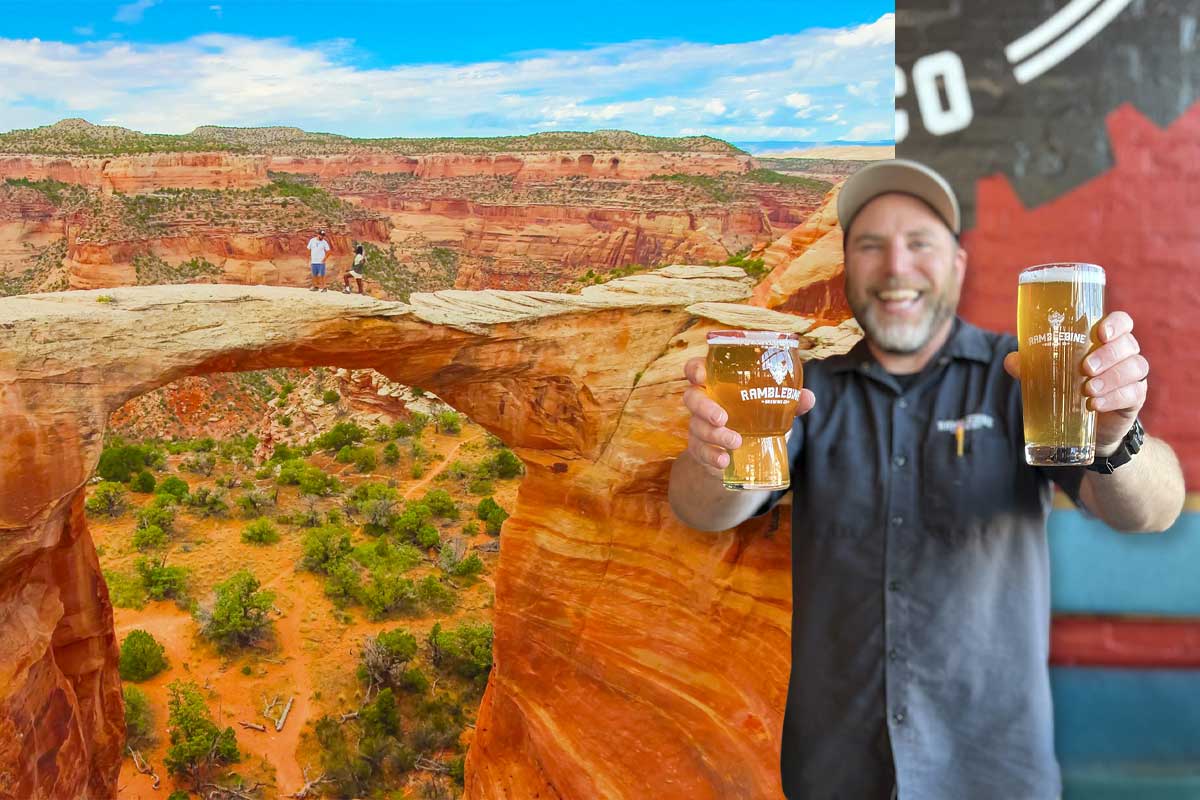
Ramblebine Brewing has distinguished itself through a commitment to stylistic breadth. Founders Eli Gerson and Rob James have moved beyond the traditional IPA-heavy portfolio to include Norwegian-style kveik ales. Their flagship "God Hammer" utilizes kveik yeast, which ferments at higher temperatures and produces unique ester profiles, a nod to ancient farmhouse brewing traditions adapted for a modern palate. This technical proficiency is balanced by a taproom environment designed to educate consumers, moving them from standard lagers toward more complex barrel-aged stouts and tart fruit sours.
Trail Life Brewing and Handlebar Tap House: The Outdoor Integration Model
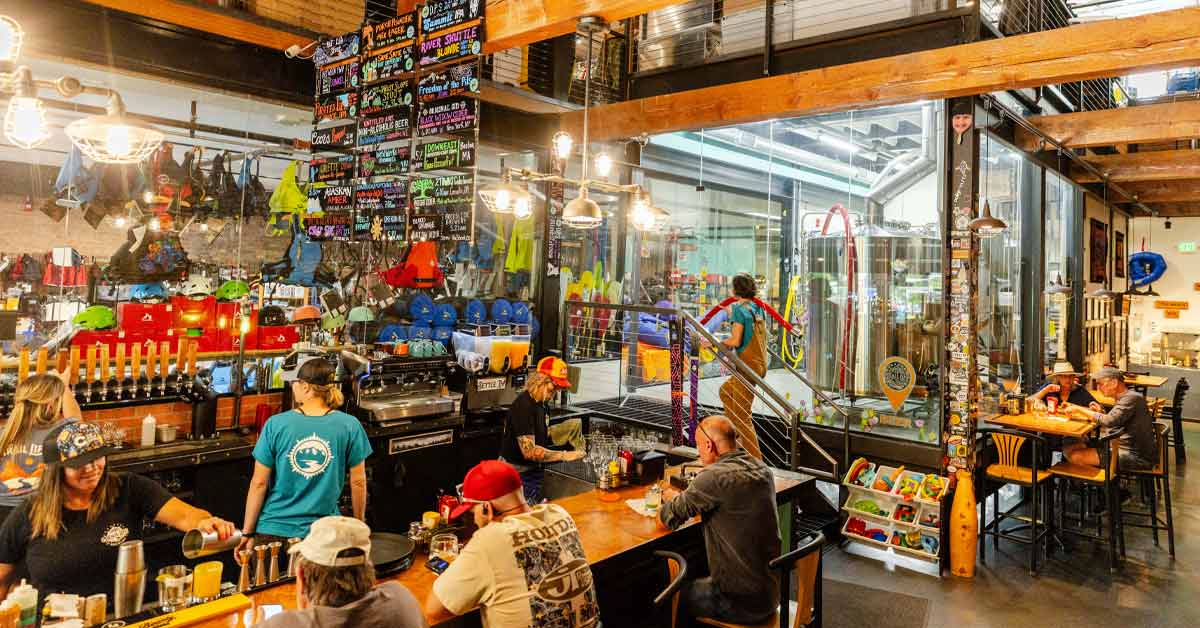
The proximity of Trail Life Brewing to a mountain bike shop is not a coincidence but a strategic alignment with the city’s demographic. This "bike-and-brew" model caters to the "apres-adventure" crowd. Trail Life focuses on refreshing, approachable styles such as Mexican-style lagers and blonde ales, designed for post-exertion consumption. Similarly, Handlebar Tap House utilizes its 24 rotating taps to showcase the best of the Western Slope, acting as a curated gateway for visitors to sample the broader regional output while maintaining a menu that emphasizes locally sourced ingredients.
WestCo Brewing: Culinary Sophistication and Community Space
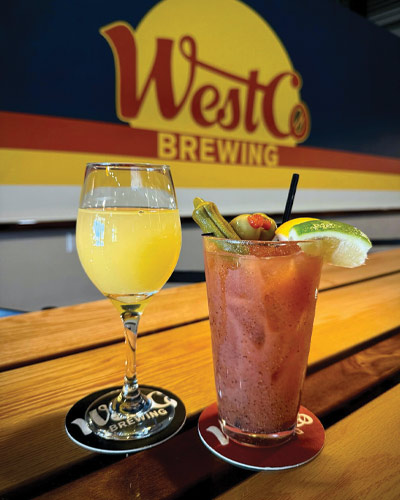
WestCo Brewing represents the latest evolution of the scene, where the beer is part of a larger gastronomic and cultural experience. Situated near the Amphitheater at Las Colonias Park, it leverages its location to capture the concert-going demographic. The brewery’s culinary program—featuring Japanese chicken curry, gyoza, and Colorado elk sloppy joes—indicates a shift toward "destination dining" within the brewery context. Their beer program focuses on precision, offering rice lagers and extra pale ales that provide clean, crisp finishes suitable for the arid Colorado climate.
Economic Impact and Supporting Data
The growth of the Grand Junction beer scene is supported by broader economic trends in Colorado. According to the Brewers Association, Colorado ranks among the top five states in the U.S. for both the number of breweries per capita and the economic impact of the craft brewing industry. In 2023, the industry contributed over $2.4 billion to the state’s economy.
In Grand Junction specifically, the hospitality sector has become a vital component of the local tax base. Tourism data suggests that "beer-centric" travelers tend to stay longer and spend more per day than the average visitor. By positioning itself as a less-crowded alternative to Denver or Fort Collins, Grand Junction is successfully capturing a segment of the market that prioritizes authenticity and ease of access. The Colorado National Monument, while receiving fewer visitors than the 4.7 million annual guests at the Grand Canyon, provides a higher "quality of experience" metric due to the lack of infrastructure strain.
Industry Perspectives and Broader Implications
Industry veterans suggest that the success of Grand Junction’s breweries is rooted in a collaborative rather than competitive environment. The "all ships rise with the tide" philosophy is evident in establishments like Gemini Beer Company, which features guest taps from other local breweries. This cooperation strengthens the city’s identity as a cohesive "beer destination."
The implications of this growth extend beyond tourism. The rise of these businesses has led to job creation in manufacturing, distribution, and service. Furthermore, the breweries often serve as "third places"—social environments outside of home and work—that strengthen community bonds. As urban centers like Denver face rising costs and saturation, Grand Junction offers a sustainable model for mid-sized cities to leverage their natural assets and local craftsmanship to build a resilient economy.
Strategic Recommendations for Visitors
For those looking to explore the region, a multi-day itinerary is recommended to fully appreciate the intersection of geography and industry.
- Day 1: The Canyon and The Classics. Morning exploration of the Colorado National Monument, followed by a visit to The Rockslide Brew Pub to understand the roots of the local scene.
- Day 2: High Altitudes and Experimental Ales. A trip to the Grand Mesa for hiking or fishing, returning to the city for a session at Ramblebine or Base Camp to sample experimental styles.
- Day 3: Two-Wheeled Tours. Utilizing the local trail systems near the Book Cliffs, concluding with a visit to Trail Life Brewing or WestCo Brewing to experience the modern, community-focused side of the Grand Junction movement.
The trajectory of Grand Junction indicates that it will continue to grow as a hub for the "New West"—an economy built on the preservation of natural beauty and the promotion of independent, artisanal businesses. As the craft beer industry continues to mature, the city stands as a testament to the power of regional identity and the enduring appeal of the American West.