admin
admin
The practices of tattooing and fermentation, while seemingly disparate in the modern industrial world, share a profound historical and ritualistic lineage rooted in the transformation of raw materials into symbols of identity, community, and spiritual protection. Across diverse Indigenous cultures—from the Ainu of northern Japan to the Kalinga of the Philippines and the Makushi of Guyana—these two crafts have functioned as parallel technologies of continuity. Tattooing inscribes ancestry and social status onto the human canvas, while fermentation preserves nourishment and binds communities through shared ritual consumption. Both processes require time, care, and a deep relationship with the land, serving as embodied knowledge passed down through generations. In examining these intersections, it becomes clear that ink and drink are not merely products of labor but are central to the way human societies stay in conversation with their ancestors and the natural world.
A Shared Grammar of Transformation: The Historical Context
Historically, both tattooing and fermentation have been marginalized by colonial frameworks that sought to standardize culture and suppress Indigenous autonomy. In the late 19th and early 20th centuries, many of these practices were driven underground as colonial governments viewed them as "primitive" or incompatible with modernized religious and social structures. However, the 21st century has seen a significant resurgence in both artisanal fermentation and traditional tattooing as acts of cultural reclamation.
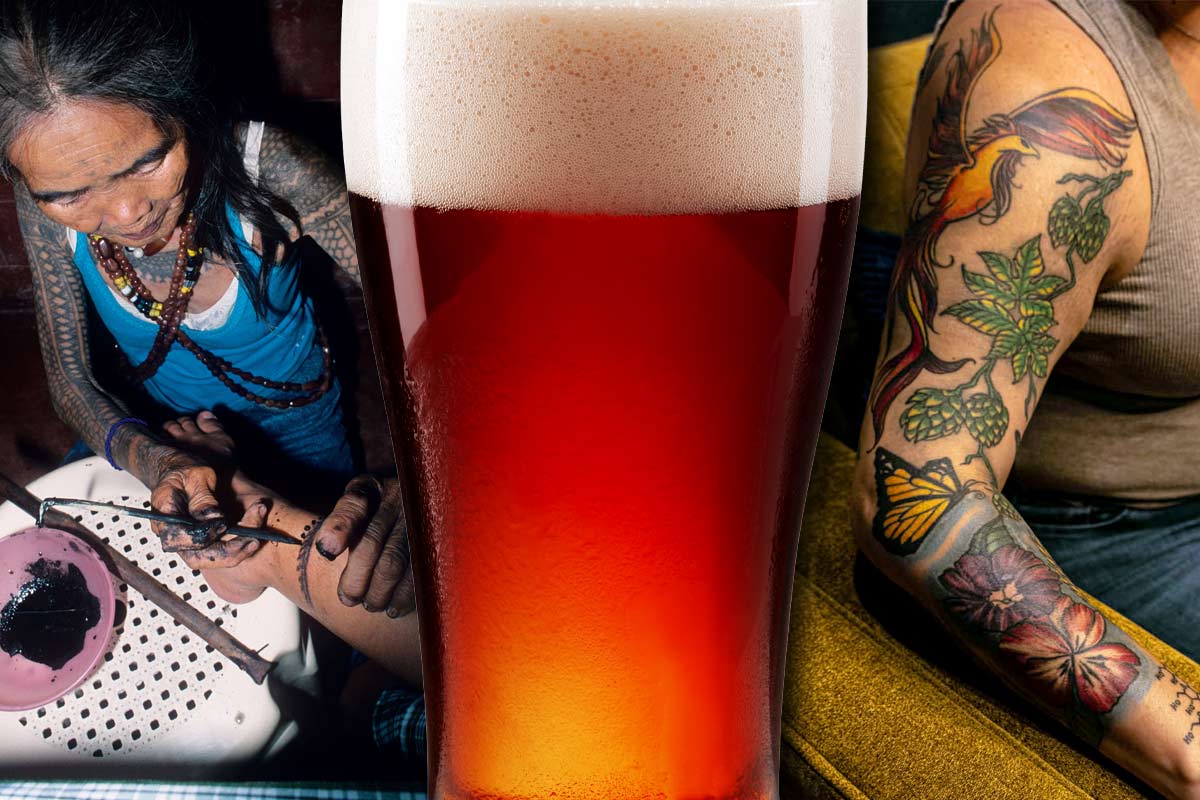
The relationship between the two often centers on the "hearth"—the domestic and spiritual nucleus of the home. In many Indigenous epistemologies, the heat required for cooking and brewing is the same symbolic fire that animates the spirit. The materials used in these processes often overlap; soot from the brewing fire becomes the pigment for the skin, and the fermented liquids themselves sometimes act as carriers for the ink. This synergy suggests that the transformation of the body (tattooing) and the transformation of the harvest (fermentation) are two sides of the same cultural coin.
The Ainu of Northern Japan: The Hearth as a Spiritual Nexus
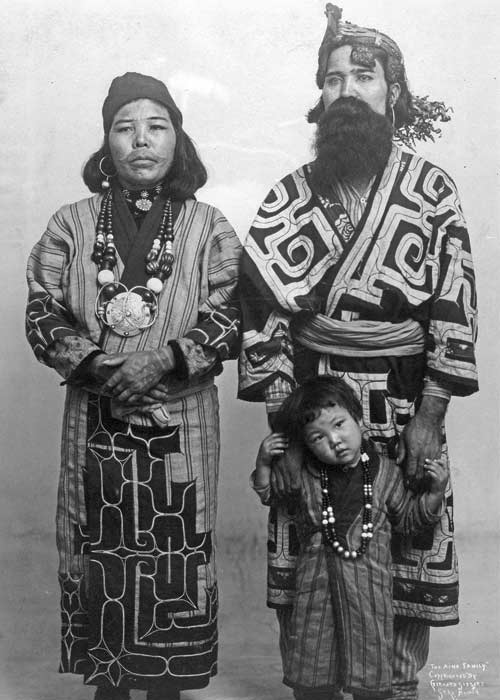
For the Ainu, the Indigenous people of Hokkaido, Sakhalin, and the Kuril Islands, the hearth served as the physical and cosmological center of life. Both tattooing and brewing were governed by Kamuy Fuchi, the goddess of the hearth, who was believed to offer protection to those who maintained these traditions. Ainu tattooing was a gendered practice, performed almost exclusively on women. The process involved using a makiri (tattooing knife) to create incisions, into which soot collected from the bottom of earthenware brewing pots was rubbed.
This soot, a byproduct of the fire used to prepare tonoto—a traditional rice-and-millet beer—connected the ink directly to the ritual of fermentation. Tonoto was prepared by women and offered to the kamuy (divine beings) during ceremonies. The use of hearth soot in tattoos reinforced the woman’s connection to the spiritual authority of Kamuy Fuchi. However, following the 1869 establishment of the Hokkaido Colonization Office and the subsequent 1899 Ainu Protection Act, the Japanese government forcibly suppressed these practices. Tattooing was banned, and the Ainu were pushed toward assimilation, stripping the marks of their mythological context. Today, the revival of these traditions serves as a vital link to a suppressed heritage, emphasizing that the "fire" of the Ainu hearth was never truly extinguished.
The Kalinga of the Philippines: Fermentation in the Pigment
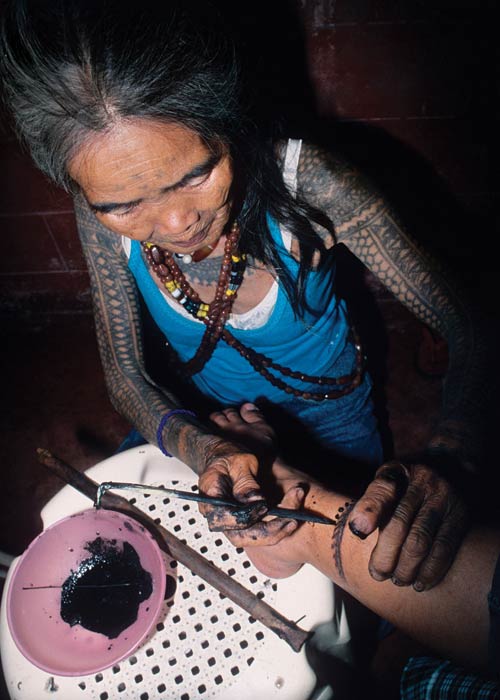
In the rugged Cordillera mountains of Luzon, the Kalinga people have maintained the tradition of batok, or hand-tapped tattooing, for centuries. While batok is widely known for marking bravery in men and beauty in women, the technical intersection with fermentation lies in the composition of the ink. Historically, Kalinga mambatok (tattoo practitioners) used a mixture of soot and water, but in certain regions, sugarcane juice was utilized as the liquid medium.
When sugarcane juice is mixed with soot and allowed to sit, a natural fermentation process begins, turning the sugars into alcohol. This chemical shift impacts the consistency and potential sterility of the ink, though the primary purpose of the tattoo remains social and spiritual. Grace Palicas, a protégé of the world-renowned 107-year-old master tattooist Whang-od Oggay, notes that these markings were historically earned through acts of valor or as a rite of passage into adulthood.
Parallel to the practice of batok is the consumption of tapuy (rice wine) and tuba (palm wine). These fermented beverages are essential components of Kalinga feasts and healing rites. The presence of both the tattoo and the drink in ceremonial spaces reinforces communal belonging. As the Kalinga culture navigates the pressures of global tourism, the preservation of batok and traditional brewing remains a cornerstone of their identity.
The Makushi of Guyana: Tattoos as Brewing Charms
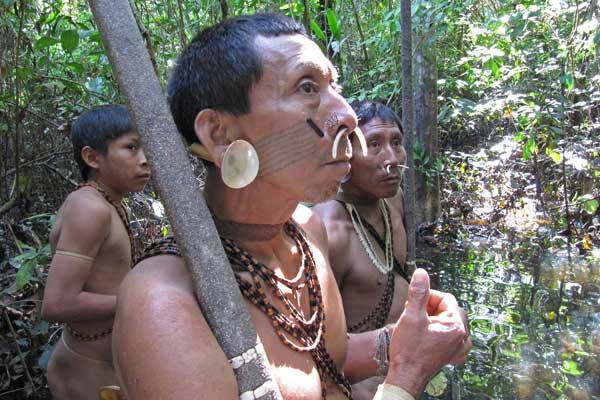
In the savannas of the Guiana Shield, the Makushi people demonstrate perhaps the most direct link between tattooing and the quality of fermented products. For the Makushi, cassava is the foundation of life, and parakari—a complex cassava beer produced through dual fermentation involving mold and yeast—is the primary social lubricant.
Historically, Makushi women received kansku markings, which functioned as functional charms for cooking and brewing. These tattoos, often featuring motifs of bees or scorpions, were believed to imbue the brewer with the ability to control the flavor profile of the beer. A tattoo of a bee might ensure the brew was sweet like honey, while a scorpion motif might provide a necessary "sting" or "kick" (yekî). In the Makushi language, the word yekî notably refers to both a physical sting and the state of being intoxicated.
Dr. Lars Krutak, a cultural anthropologist specializing in Indigenous tattooing, has documented that in Makushi and related Cariban-speaking cultures, a woman’s ability to serve a fermented drink was often contingent upon her being tattooed. The markings were seen as a prerequisite for the spiritual and physical labor required to transform raw cassava into a potent, communal beverage. This practice embeds the cosmology of the tribe directly into the daily acts of nourishment and social exchange.
Data and Trends: The Modern Resurgence
The contemporary intersection of tattooing and fermentation is reflected in the explosive growth of the craft brewing industry and the prevalence of body art within that community. According to data from the Brewers Association, there are now over 9,500 craft breweries operating in the United States, a significant increase from the roughly 1,500 in operation two decades ago. Within this sector, tattoos have become a standard form of professional and personal expression.
A 2023 survey by Ipsos indicates that approximately 32% of Americans have at least one tattoo, with that number rising to 46% among adults under 40—the primary demographic for both craft beer consumption and employment. In the brewing industry, tattoos often depict scientific and agricultural symbols, such as:
- Alpha acid chemical structures
- Saccharomyces cerevisiae (yeast) cell diagrams
- Hops (Humulus lupulus) and barley stalks
- The "Zymurgy" or "Fermentation" symbols
These modern markings, while often lacking the specific ancestral protocols of the Ainu or Makushi, still follow the same logic of transformation. They serve as a visual record of a brewer’s dedication to their craft and their personal journey within the industry.
Contemporary Perspectives: Reclamation and Personal Identity
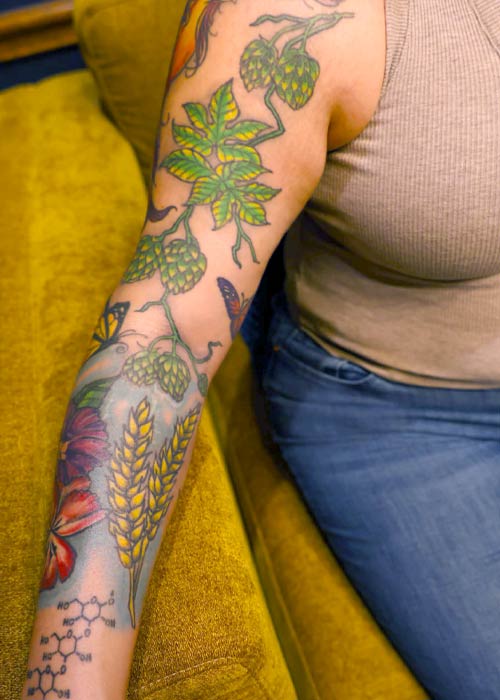
For many modern practitioners, the intersection of ink and drink is a matter of personal survival and identity. Sandra Murphy, owner of Murphy’s Law Brewery & Pizzeria in Texas, utilized tattooing as a way to process the loss of her daughter while simultaneously building a career in brewing. Her sleeve, which incorporates yeast cell walls, wheat, and hops, serves as a "living record" of her resilience.
Similarly, Rachael Engel, a brewer at Sound2Summit Brewery, views her tattoos as an extension of her identity after coming out as transgender. For Engel, the process of brewing—taking raw ingredients and through a period of "darkness" and fermentation creating something new—mirrors her own transition. Her hop sleeve is a testament to this growth.
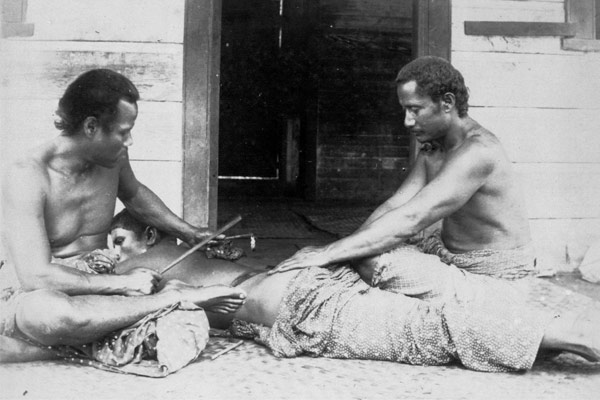
Dr. Lindsay Malu Kido, a scholar of Indigenous body sovereignty, argues that the revival of these practices is a form of "decolonization." In Hawaii, the practice of kākau (tattooing) and the fermentation of poi (taro) are both linked to genealogy. Kalo (taro) is considered an elder sibling to the Hawaiian people; thus, fermenting and eating it is an act of kinship. Reclaiming the body through kākau similarly reasserts authority over one’s own ancestry.
Implications and Analysis: The Future of Embodied Knowledge
The convergence of tattooing and fermentation suggests that human beings have a persistent need to mark transitions—whether those transitions occur in a fermentation vessel or on the skin. As global society becomes increasingly digitized and disconnected from the physical origins of food and art, these "slow" crafts offer a grounding alternative.
The implications of this cultural intersection are twofold:
- Cultural Preservation: For Indigenous groups, the protection of these practices is essential for maintaining sovereignty and historical memory. The "shared grammar" of these crafts provides a roadmap for cultural revitalization.
- Community Building: In the modern craft industry, the shared aesthetic of tattoos and the communal nature of fermentation create a unique subculture that prizes authenticity and manual labor.
In conclusion, tattooing and fermentation are far more than aesthetic choices or dietary habits; they are technologies of transformation. They require an intimate understanding of biology, chemistry, and spirit. Whether it is the Ainu woman using soot from her hearth to mark her face, or a modern brewer tattooing a hop bine on their arm, both acts serve to anchor the individual within a larger story of land, lineage, and the enduring power of change. Ink marks the body, and fermentation marks the food, but together, they mark the progress of human culture itself.