admin
admin
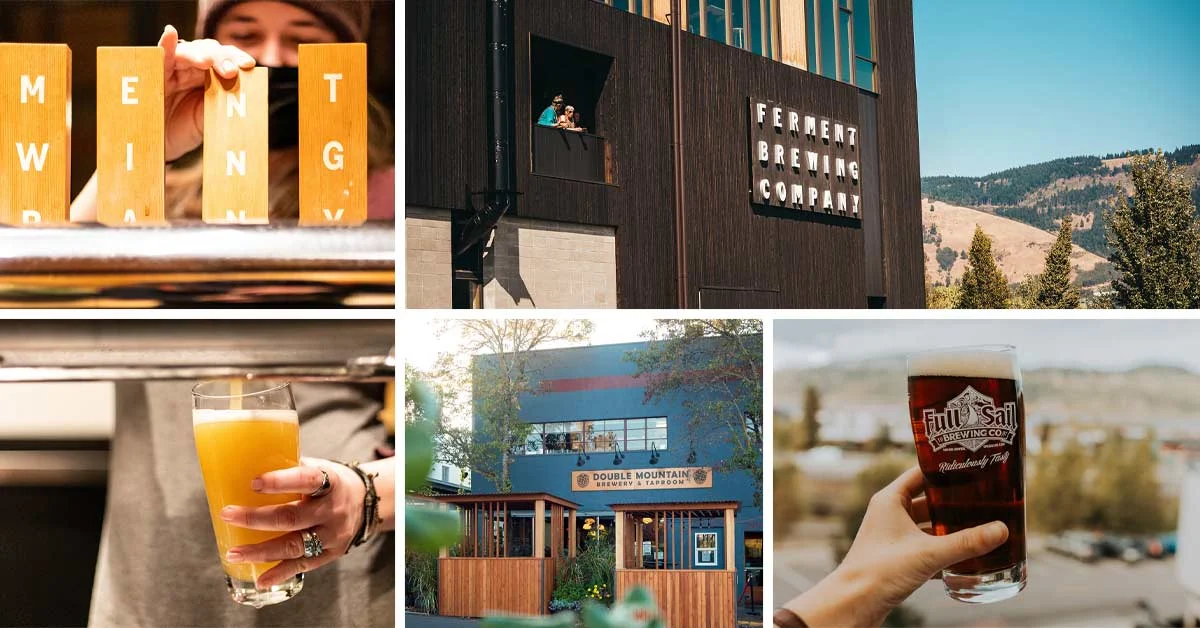
The American craft brewing industry is currently undergoing a significant structural transformation, moving beyond the traditional taproom model to embrace the burgeoning sector of experiential hospitality. Across the United States, independent brewers are increasingly diversifying their revenue streams by converting historic barns, mid-century bungalows, and industrial landmarks into boutique accommodations. These "brewery stays" represent a strategic shift in brand engagement, offering enthusiasts a comprehensive immersion into a brewery’s ethos. From the rugged landscapes of the Pacific Northwest to the rolling hills of the Finger Lakes and the alpine peaks of Vermont, the integration of lodging and brewing is creating a new category of travel: the high-end "beercation."
The Economic Drivers of Brewery-Integrated Lodging
The rise of brewery-centric accommodations is not merely a trend in interior design but a calculated response to shifting market dynamics. According to data from the Brewers Association, while the craft beer market has matured, consumer demand for "experience-based" spending has surged. By providing overnight stays, breweries are able to increase the "dwell time" of their patrons, transforming a one-hour tasting flight into a 48-hour brand immersion. This model addresses several economic objectives: it diversifies income beyond wholesale distribution and taproom sales, fosters deep-seated brand loyalty, and positions the brewery as a destination within the broader tourism economy.
Industry analysts suggest that this movement mirrors the evolution of the wine industry in Napa Valley and Sonoma during the late 20th century. Just as vineyards became synonymous with luxury estates and bed-and-breakfasts, breweries are now leveraging their unique locations and stories to capture a share of the $450 billion domestic travel market.
Case Study: Cabin Culture and Adventure in the Columbia River Gorge
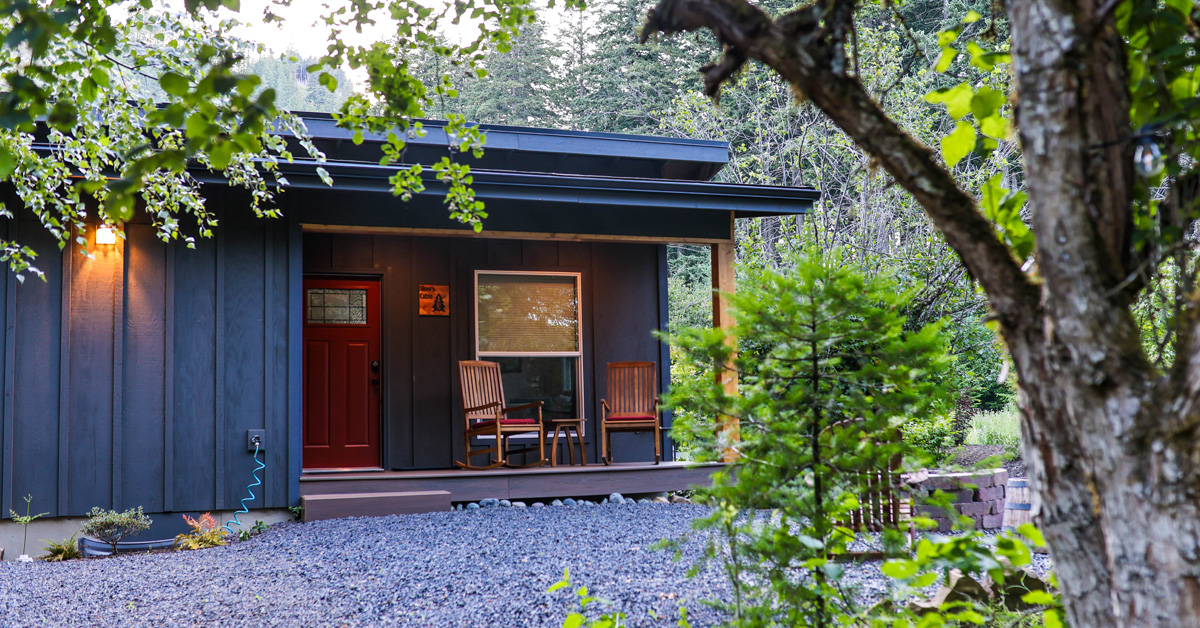
A primary example of this shift is found in Carson, Washington, where Backwoods Brewing Company has successfully bridged the gap between outdoor recreation and craft beer hospitality. Located approximately 60 miles east of Portland, Oregon, the brewery is situated in the heart of the Columbia River Gorge, an area defined by its dramatic cliffs and forested hills.
The transition to lodging began when the Waters family, the owners of Backwoods, recognized that their patrons were often traveling significant distances to visit the taproom. In response, they developed Backwoods Cabins, a collection of eight luxury-leaning units designed to reflect the regional identity. Steve Waters, CEO of Backwoods Brewing, notes that the cabins were conceived not merely as a place to sleep, but as a narrative extension of the brand.
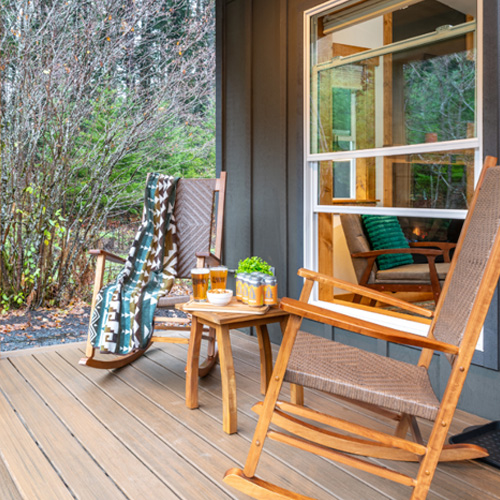
Each cabin follows a specific thematic direction—such as the "Hiker’s," "Kayaker’s," or "Stargazer’s" units—designed to appeal to the Pacific Northwest’s demographic of outdoor enthusiasts. The accommodations feature high-end amenities, including 600-thread-count linens and gas fireplaces, while maintaining a "cabin-core" aesthetic. Strategically, the brewery offers guests the option to have curated beer selections waiting in their rooms upon arrival, further integrating the product into the stay. The beverage program at Backwoods supports this experience with a diverse lineup, ranging from the tropical Party Acres Hazy IPA to the dessert-leaning S’mores Golden Stout, ensuring that the beer offerings match the "cozy" atmosphere of the lodging.
Historical Continuity: The von Trapp Legacy in Vermont
While some breweries are adding lodging to existing operations, the von Trapp Family Lodge in Stowe, Vermont, represents a legacy model where hospitality and brewing have become inextricably linked over decades. Founded by the family made famous by "The Sound of Music," the 2,600-acre resort has evolved from a simple guest house into a world-class alpine destination that includes von Trapp Brewing.
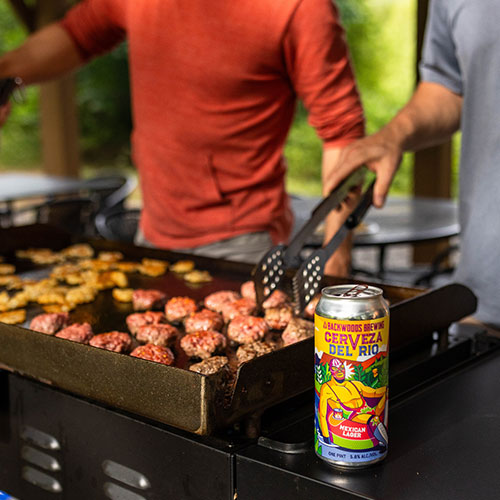
The brewery was established by Johannes von Trapp, who sought to recreate the crisp, lager-style beers of his Austrian heritage. This historical context is vital to the property’s brand identity. Unlike many American craft breweries that focused on hop-heavy IPAs during the early 2000s, von Trapp Brewing focused on European traditions, utilizing natural spring water sourced directly from the property.
The integration here is seamless: the lodge’s Bierhall serves Austrian-inspired cuisine, such as schnitzel and house-made bratwurst, paired with award-winning Helles and Kölsch-style lagers. Emily Provost, the brewery’s marketing manager, emphasizes that the stay allows guests to "live, eat, and drink like a von Trapp," connecting the act of consumption to the history of the land. This form of "heritage tourism" provides a stable economic foundation that transcends seasonal fluctuations in the beer market.
Strategic Planning: The Lodging-First Model in the Finger Lakes
In Watkins Glen, New York, Grist Iron Brewing demonstrates a different chronological approach to the brewery-stay model. Unlike many competitors who add rooms after years of brewing, Grist Iron’s founders prioritized lodging from the outset. When scouting locations in the Finger Lakes region, they selected a property that already possessed existing guest rooms, allowing the hospitality and brewing arms of the business to grow in tandem.
The Lodge at Grist Iron is designed with a "rustic-modern" aesthetic, featuring industrial elements like subway-tiled showers and black-and-white brewing murals. A notable design feature is the inclusion of built-in shower ledges specifically intended for "shower beers," a move that analysts cite as a savvy piece of lifestyle branding.
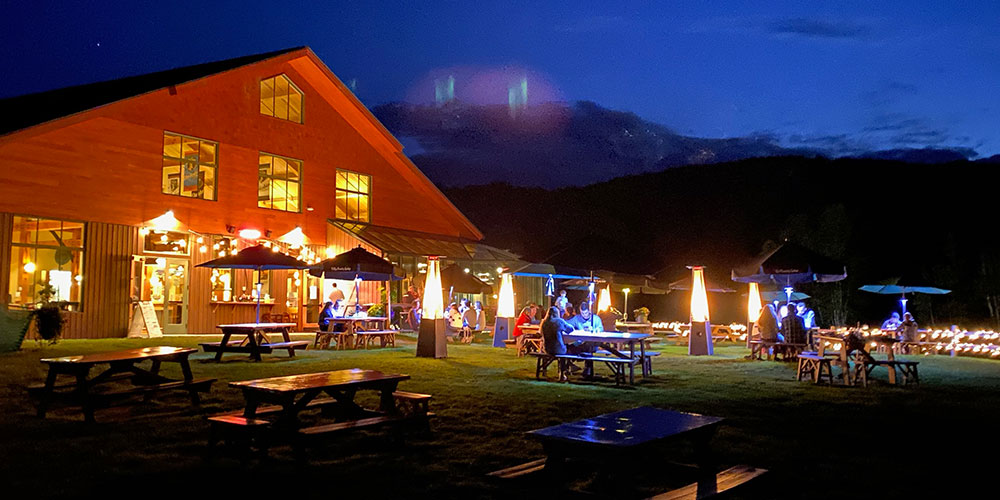
Grist Iron has also expanded its footprint to include "Beer Mountain," a multi-use outdoor space featuring a disc golf course and a dog park with a dedicated "Woof Top" bar. This expansion indicates a move toward the "resortification" of the craft brewery, where the facility serves as a community hub and a multi-day recreation site. Marketing coordinator Emily Knowlden reports that this model encourages guests to linger longer and engage more deeply with the staff, creating a feedback loop that informs future beer releases, such as their Lake Life IPA and MaXXimus Brown Ale.
Adaptive Reuse and Urban Innovation
Beyond rural retreats, the trend of brewery lodging is also revitalizing urban and historic structures through adaptive reuse. McMenamins, operating in Oregon and Washington, has become a national leader in this space. Since its founding in 1983, the company has specialized in converting defunct schools, churches, and poor farms into eclectic hotel-brewery hybrids. Their properties often feature secret bars, movie theaters, and soaking pools, all centered around their core beer offerings like the Ruby Ale and Hammerhead Pale Ale.
In Fargo, North Dakota, Drekker Brewing’s "Brewhalla" project represents the cutting edge of hyper-branded hospitality. The "Crash Pad" boutique hotel features rooms themed after specific beer labels. For instance, the "Mind Bullets" suite—named after a sour IPA—incorporates psychedelic murals and industrial ductwork that mirror the beer’s packaging. This level of thematic consistency turns the hotel room into a marketing asset, encouraging social media sharing and reinforcing brand recognition.
Broader Implications for the Craft Brewing Industry
The shift toward brewery-integrated lodging carries several long-term implications for the industry:
- Regional Economic Impact: These destinations often act as anchors for rural tourism, drawing visitors who then spend money at local restaurants, shops, and outdoor outfitters. In places like Mineral Point, Wisconsin, the Commerce Street Brewery Hotel provides essential lodging that supports the historic district’s viability.
- Environmental Stewardship: Many of these breweries, such as von Trapp and Backwoods, emphasize their connection to the land. This often leads to increased investment in sustainable practices, such as water conservation and land preservation, as the natural beauty of the surroundings is a key part of the guest draw.
- Resilience Against Market Volatility: As the wholesale beer market faces headwinds from changing consumer habits (such as the rise of spirits and non-alcoholic options), the ability to sell a high-margin "experience" rather than just a commodity product provides a financial safety net for independent brewers.
- Consumer Education: Overnight stays provide an unparalleled opportunity for consumer education. Guided tastings, "meet the brewer" sessions, and brewery-adjacent activities allow fans to gain a deeper understanding of the technical aspects of brewing, creating more sophisticated and loyal customers.
The transformation of breweries into hospitality destinations marks a maturing of the American craft beer movement. It is no longer sufficient to simply produce a high-quality beverage; successful modern brewers are now architects of experience, curated through design, history, and a sense of place. As this trend continues to evolve, the line between the taproom and the hotel lobby will likely continue to blur, offering travelers a diverse array of ways to "live and breathe" the world of craft beer. For the seasoned traveler, the next "beercation" is no longer just about the pint—it is about where that pint takes them.