admin
admin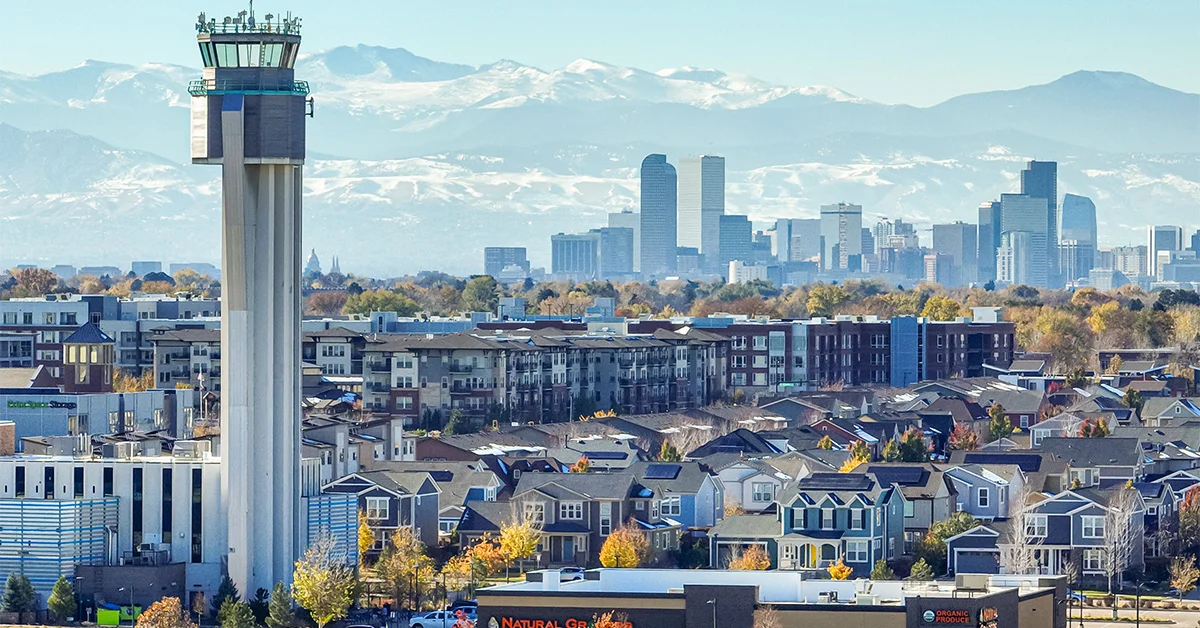
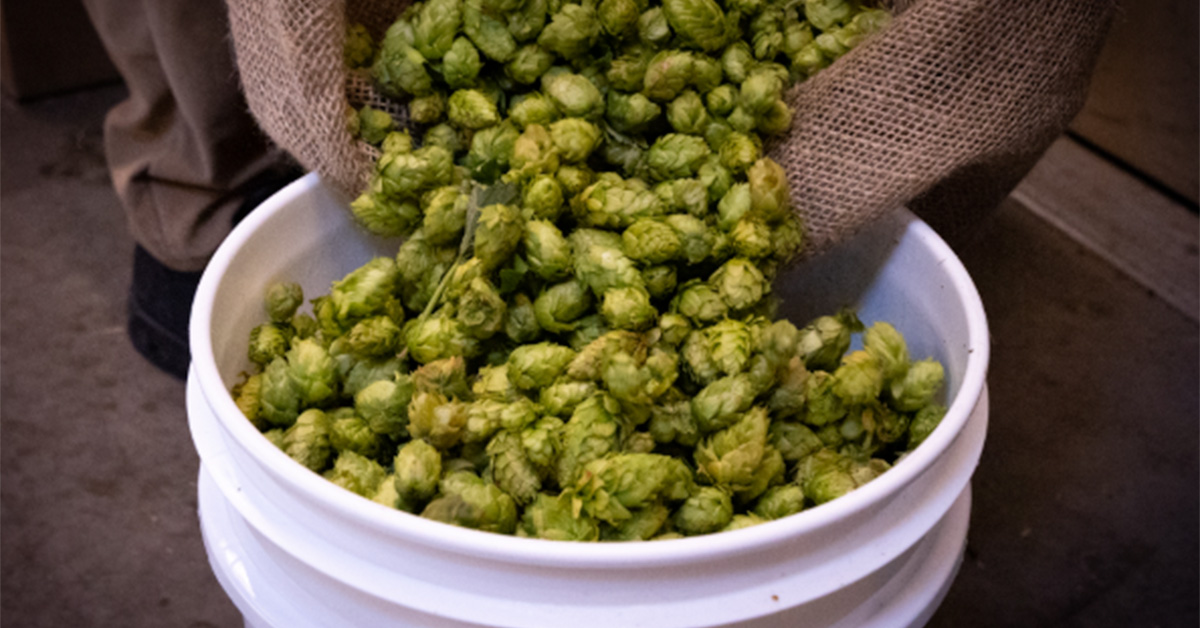
The logistical volatility of seasonal craft brewing was on full display in late August 2024 as atmospheric conditions over the Rocky Mountains forced the grounding of one of the industry’s most ambitious annual missions. Eric Serani, co-founder and president of Denver-based FlyteCo Tower, stood at Erie Municipal Airport observing a persistent cloud ceiling that ultimately derailed a six-year tradition: the airborne harvest of fresh hops. Since its inception in 2019, FlyteCo has utilized Serani’s Van’s Aircraft RV-10, a four-seater kit plane, to bridge the 175-nautical-mile gap between the Denver metro area and Billy Goat Hop Farm in Montrose, Colorado. The goal is the production of "Hop Is My Co-Pilot," a Fresh Hop IPA that requires the immediate infusion of "wet" hops—cones that have not been dried or pelletized—into the brewing process within hours of being plucked from the bine.
In the specialized world of craft beer, fresh hop season represents a narrow window of opportunity, typically occurring between mid-August and late September. Unlike standard brewing, which utilizes dried hop pellets for shelf stability and consistency, fresh hop brewing relies on the volatile oils and resins found in undried cones. These hops are approximately 80% water by weight, making them heavy, perishable, and prone to rapid oxidation and composting if not utilized within 24 to 36 hours of harvest. For FlyteCo, the solution to this temporal challenge has historically been aviation, turning a grueling six-hour drive over mountain passes into a 90-minute flight at altitudes between 11,000 and 13,000 feet. However, the 2025 season marked a significant shift, as persistent inclement weather patterns grounded the fleet, illustrating the fragile synergy between agriculture, aviation, and manufacturing.
The Science and Stakes of Fresh Hop Production
To understand the complexity of Serani’s mission, one must look at the data surrounding hop degradation. Once harvested, the lupulin glands within the hop cone—which contain the essential oils like myrcene, humulene, and caryophyllene—begin to break down. According to brewing science, the "green" or "grassy" profile characteristic of fresh hop beers is highly ephemeral. Most breweries in the Pacific Northwest, where 95% of U.S. hops are grown, have the luxury of proximity to the fields. Colorado brewers, however, face a more difficult geography.
Billy Goat Hop Farm, the source for FlyteCo’s ingredients, is one of the largest hop producers in the Intermountain West. The farm provides varieties such as Chinook, Cascade, and Nugget. In a typical year, Serani and a small convoy of volunteer pilots transport between 80 and 100 pounds of these wet hops. While 100 pounds of dried pellets would suffice for hundreds of barrels of beer, the high water content of fresh hops means brewers must use five to eight times the weight of dried hops to achieve the desired bitterness and aroma. This creates a significant weight-and-balance challenge for small aircraft. Every "nook and cranny" of the RV-10 is packed with sacks of hops, creating a fragrant but heavy cargo load that requires precise flight planning over the high-altitude terrain of the Continental Divide.
A Chronology of Aviation and Brewing in Denver
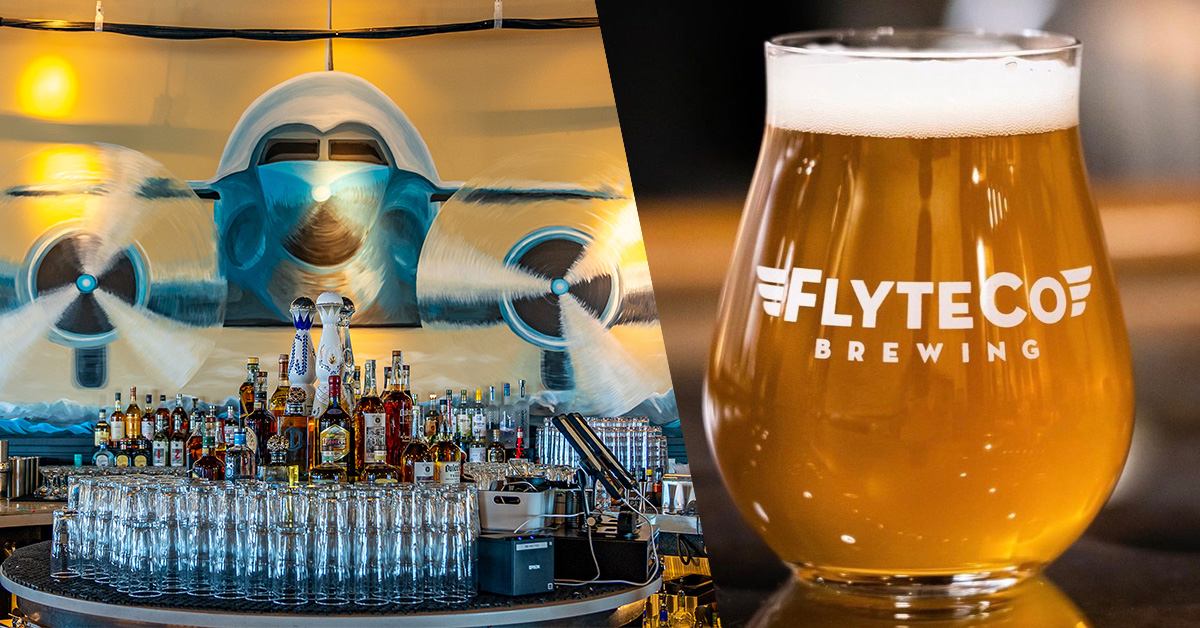
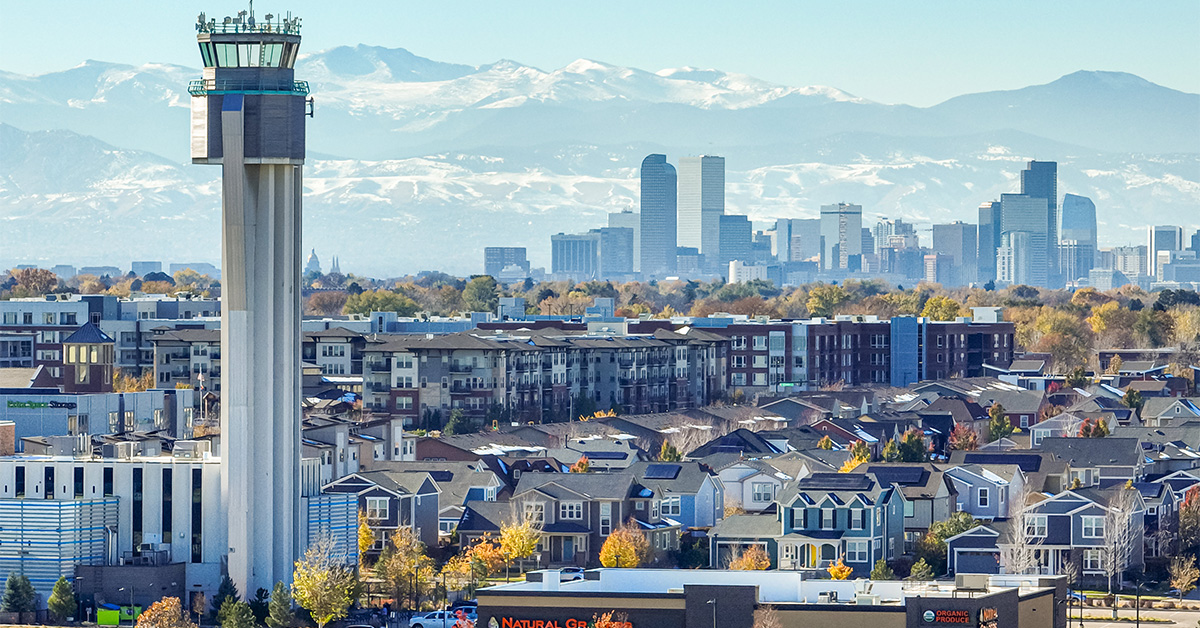
The FlyteCo story is deeply rooted in the history of Denver’s aerospace sector and its transition into a modern urban hub. The brewery’s second and flagship location, FlyteCo Tower, is housed in the former air traffic control tower of Stapleton International Airport. To appreciate the site’s significance, one must look back to 1929, when Stapleton opened as Denver’s primary aviation gateway. By 1961, it had become the third-busiest airport in the world.
The evolution of the site mirrors the career of Eric Serani and his co-founders, Jason Slingsby and Morgan O’Sullivan. Serani and Slingsby met while studying at the University of Colorado Boulder, where Serani focused on aerospace engineering and Slingsby on chemical engineering. This combination of disciplines—fluid dynamics, thermodynamics, and organic chemistry—laid the technical foundation for their brewing operations. After a stint at Boeing, Serani pivoted to the craft beer industry, opening the original FlyteCo on Tennyson Street in 2019.
The move to the Stapleton tower in 2022 represented a full-circle moment for Denver aviation. After Stapleton closed in 1995 to make way for Denver International Airport (DIA), the tower sat dormant for decades. Today, it serves as an "eatertainment" complex, featuring a 2.5-barrel experimental brewing system, bowling alleys, and a mini-golf course. The original Tennyson Street location closed in early 2025, with the company outsourcing the production of its flagship beers to Copper Kettle Brewing Company to allow the Tower location to focus on high-concept, limited-run projects like the "Hop Is My Co-Pilot" IPA.
The Human Element: Legacy and Community Mentorship
The motivation behind the "hop flight" extends beyond marketing or flavor profiles; it is an exercise in maintaining pilot proficiency and honoring a multi-generational legacy. Eric Serani’s father, Scott Serani, remains an active participant in the brewery’s aviation culture, maintaining a family hangar at Erie Municipal Airport. Eric Serani’s own journey in the cockpit began at age 13, influenced heavily by his grandfather. By 16, he had completed his first solo flight, and by 17, he was a licensed private pilot.
This personal history is integrated into the brewery’s corporate social responsibility model. FlyteCo earmarks 10% of its profits for aviation-themed initiatives. A primary beneficiary is the Experimental Aircraft Association’s (EAA) Young Eagles program. Since its inception in 1992, the Young Eagles program has provided more than 2.3 million children with their first flight experience. Serani, who received a scholarship from his local EAA chapter following his grandfather’s death, now serves as a flight instructor, paying forward the community support that facilitated his own certification.
Historical Context: Denver’s Mile-High Flight Path
The enrichment of the FlyteCo brand is supported by the work of in-house historian Sean Henson, who conducts tours of the 11-story control tower. These tours highlight pivotal moments in aviation that occurred within miles of the brewery’s taps. For instance, in 1910, French aviator Louis Paulhan achieved the first flight in Denver, debunking the then-popular theory that aircraft could not generate sufficient lift in the "thin air" of the Mile High City.
Furthermore, the brewery sits near the site of the former Stanley Aviation Manufacturing Plant. Established in 1954 by Bob Stanley, the plant was a pioneer in the development of ejection seats for military aircraft. The brewery also honors social milestones, such as the legacy of Marlon Green, who successfully sued Continental Airlines in a landmark Supreme Court case that ended racial discrimination in commercial pilot hiring, and Emily Howell Warner, the first woman to be hired as a pilot by a scheduled U.S. airline (Frontier Airlines, based in Denver).
Economic and Operational Implications of the 2025 Grounding
The decision to cancel the 2025 hop flight carries specific economic and operational weight. According to co-founder Morgan O’Sullivan, the fuel costs of flying several private aircraft to Montrose often exceed the market value of the hops themselves. "There’s no practicality to the event whatsoever," O’Sullivan noted in a 2023 interview, emphasizing that the project is a "passion project" designed to inspire people to push their limits.
When the flight was grounded in 2025, the team faced a difficult choice: ship the hops via overnight courier or forgo the "fresh hop" designation for the year. Because the "Hop Is My Co-Pilot" brand is so intrinsically linked to the act of flight, the team opted to wait until 2026 rather than compromise the narrative of the beer. This decision reflects a broader trend in the craft beer industry where "experiential brewing"—the practice of linking a product to a specific event, place, or physical feat—is used to differentiate brands in a saturated market.
From a business perspective, FlyteCo’s resilience is bolstered by its diversified revenue streams. By functioning as a community hub with arcade games, axe throwing, and educational tours, the brewery is less vulnerable to the fluctuations of the seasonal beer market. The "Tower" model represents a shift away from the traditional taproom toward a multi-use destination that appeals to families and aviation enthusiasts alike.
Conclusion: The Horizon for FlyteCo
While the 2025 fresh hop harvest was stymied by the unpredictable nature of mountain weather, the mission of FlyteCo remains unchanged. The brewery continues to serve as a living museum and a functional tribute to the aerospace industry. The "Hop Is My Co-Pilot" IPA remains a symbol of the "miracle" required to align agricultural readiness, pilot availability, and clear skies.
As the brewery looks toward 2026, the focus remains on the "Young Eagles" and the next generation of aviators. By bridging the gap between the brewhouse and the flight deck, FlyteCo has created a unique niche in the American craft beer landscape—one where the success of a product is measured not just by its SRM (Standard Reference Method) color or IBU (International Bitterness Units), but by its ability to inspire a sense of wonder regarding the mechanics of flight. For Serani and his team, the 2025 grounding is merely a temporary holding pattern in a much longer journey through the Colorado skies.