admin
admin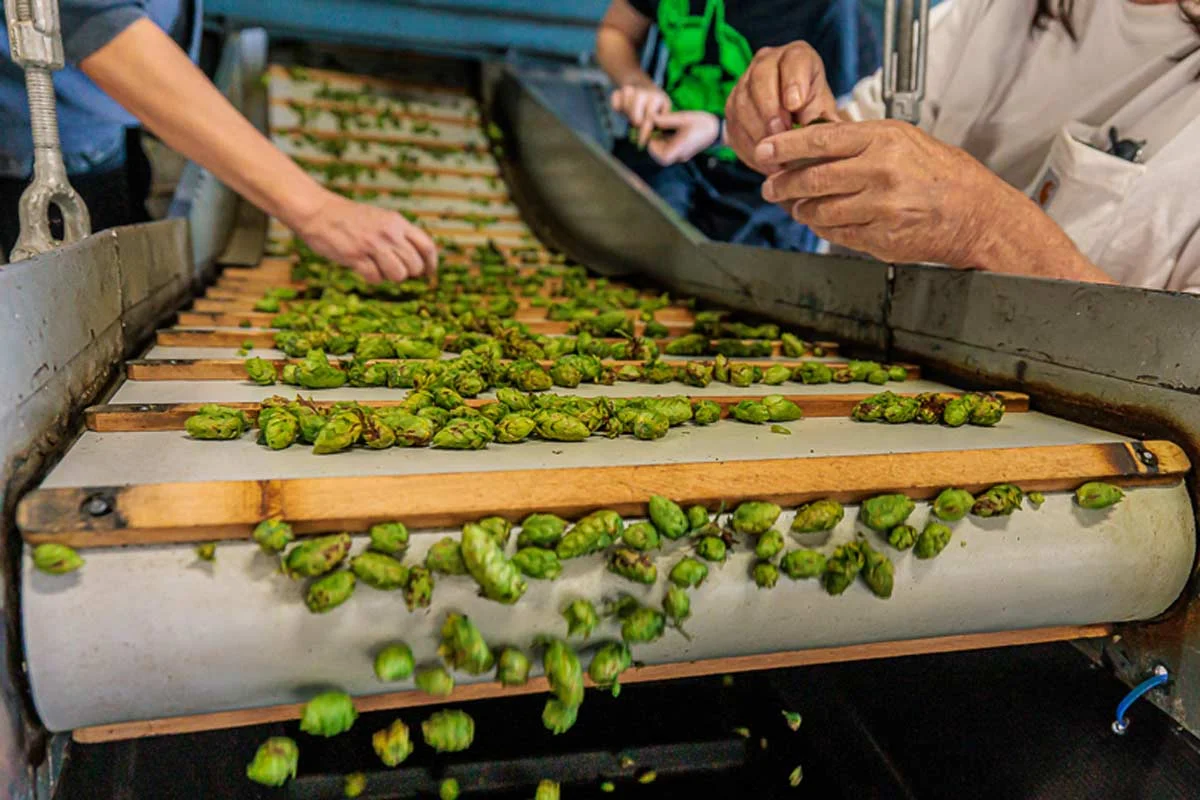
Michigan has solidified its standing as a titan of American agriculture, currently ranking first in the Great Lakes region and fourth nationally in total hop acreage. While the state’s craft beer industry often spotlights the brewers and the finished pints, a critical segment of the supply chain—the hop growers—remains the foundation of this success. Within this sector, a significant yet often overlooked demographic is driving the industry’s innovation and resilience: women. From greenhouse propagation and integrated pest management to land stewardship and industrial quality control, women are occupying pivotal roles that sustain Michigan’s approximately 2,000 acres of hop production. Despite their essential contributions, many of these professionals operate behind the scenes, navigating a market defined by climate volatility, shifting consumer preferences, and a historical lack of visibility.
The resurgence of Michigan’s hop industry is a relatively recent phenomenon, gaining significant momentum around 2008. This revival was necessitated by the explosion of the craft beer movement, which demanded localized flavor profiles and reliable supply chains. To understand why Michigan emerged as a leader, one must look to the 45th parallel. This geographical "sweet spot" provides the precise photoperiodism required for hops—long, sunny summer days followed by the cold winter temperatures necessary for the plants to enter a healthy dormancy. Furthermore, the state’s glacial history left behind well-drained, sandy loam soils, which are ideal for Humulus lupulus. Unlike vines that use tendrils, hops are "bines," utilizing stiff, downward-pointing hairs to climb trellises that often reach 20 feet in height. This unique biology requires intensive manual labor and sophisticated management, much of which is now overseen by a dedicated cohort of female specialists.
The Role of Academic Support and Integrated Pest Management
The stability of the Michigan hop industry is inextricably linked to the research and outreach provided by Michigan State University (MSU). At the center of this academic support is Erin Lizotte, MSU’s integrated pest management (IPM) coordinator and senior statewide educator. In an era where climate change has introduced unpredictable pest pressures and disease cycles, Lizotte’s work is foundational. She serves as a primary consultant for growers facing threats such as downy mildew, powdery mildew, and the two-spotted spider mite.
Lizotte’s role involves more than just reactive troubleshooting; it encompasses a proactive strategy of research-backed support. By collaborating with the MSU Plant and Pest Diagnostics lab, she ensures that farmers have access to critical testing and chemical approval navigation. This scientific oversight is vital for maintaining the high quality demanded by commercial brewers. For many growers, the ability to consult with a high-level expert like Lizotte provides the confidence necessary to make multi-million-dollar decisions regarding crop protection and soil health. Her influence underscores a broader trend: the intellectual and scientific leadership of women in agricultural extension services.
Propagation and the Clean Plant Protocol
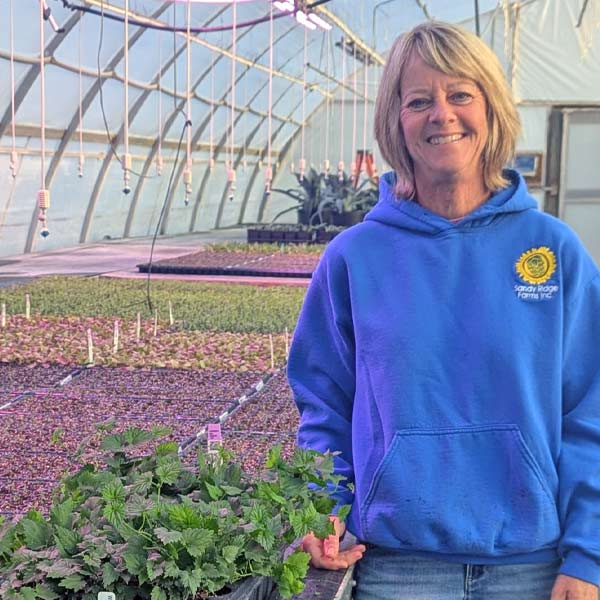
Before a hop bine can climb a trellis, it must begin as a healthy, pathogen-free starter. This critical phase of the lifecycle is the domain of propagators like Julie Kane of Sandy Ridge Farms in Zeeland, Michigan. With over two decades of experience in the greenhouse industry, Kane transitioned into hop specialization during the 2008 industry uptick. As the first commercial hop propagator in the state, Sandy Ridge Farms had to establish rigorous standards for what constitutes a "quality" plant.
Kane’s work is centered on the Clean Plant Protocol, a sophisticated process designed to prevent the spread of devastating viruses and viroids, such as the Hop Stunt Viroid. This involves starting with certified, virus-free "mother plants" from the National Clean Plant Network. Kane implements strict sanitation measures, including tool sterilization and preventative fungicide applications, alongside annual testing conducted by MSU. The importance of this work has intensified as Michigan faces more frequent and severe heat waves. During recent seasons, greenhouse temperatures have exceeded 100 degrees Fahrenheit, requiring Kane to implement advanced cooling techniques and modified irrigation schedules to ensure plant survival. Her expertise has earned her a reputation for excellence, gradually breaking down the gender-based barriers that characterized the early years of her career in a male-dominated field.
Engineering and Operational Excellence
The transition from a boutique farm to a commercial-scale operation requires more than just agricultural knowledge; it requires industrial discipline. Mel Trowbridge of Top Hops Farm in Goodrich, Michigan, exemplifies this intersection. With a 40-year background as an automotive engineer and quality control specialist, Trowbridge has applied the principles of Lean manufacturing to the hop yard.
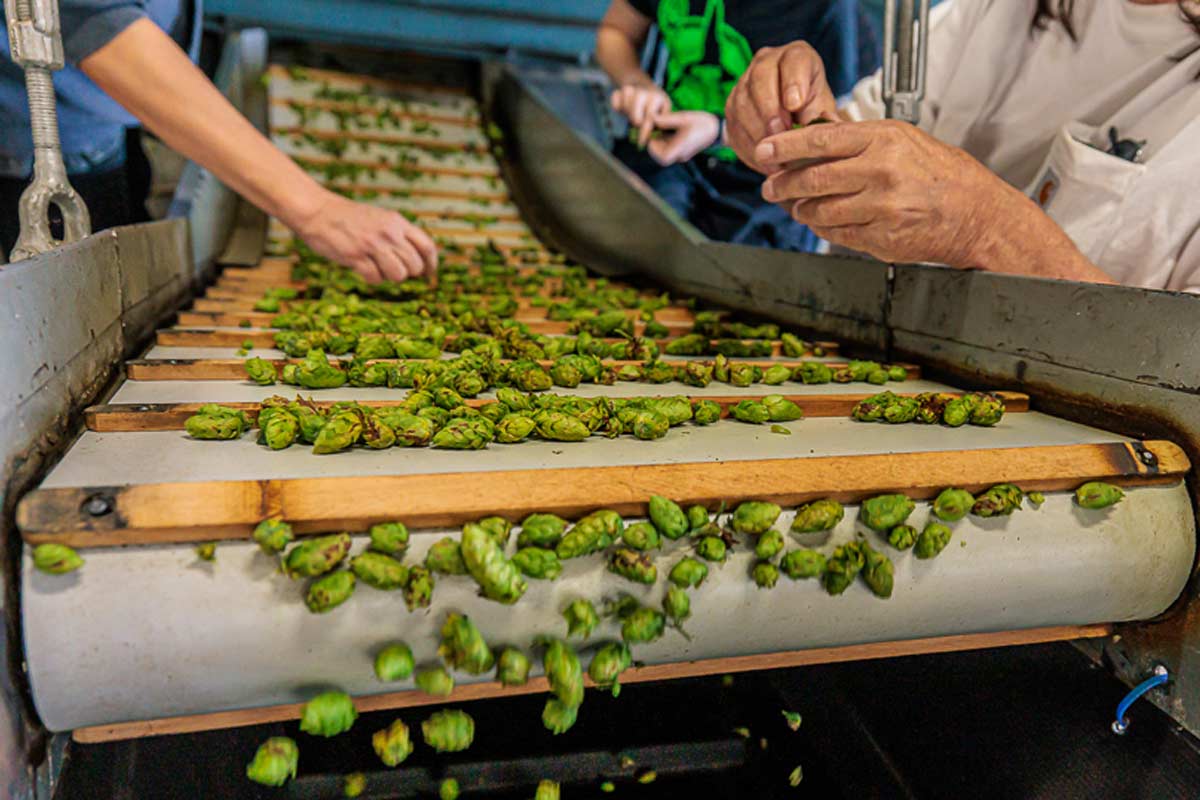
At Top Hops Farm, the harvest is treated with the precision of an assembly line. Trowbridge has instituted process-driven operations where tasks are rotated, and every shift concludes with a formal debriefing. This structured approach ensures that the "jungle" of a harvest—where bines must be handled with a balance of strength and delicacy—is managed efficiently. Her role as an orchestrator involves real-time adjustments to schedules and labor allocation, ensuring that the window of peak lupulin maturity is never missed. By bringing an engineering mindset to agriculture, Trowbridge has demonstrated how diverse professional backgrounds can enhance the sustainability and output of regional hop farms.
Stewardship and the Sensory Art of Hops
At Bell’s Brewery in Comstock, the focus on hops extends into the realm of land stewardship and sensory education. Bonnie Steinman, a veteran horticulturist, and her colleague Elizabeth Mullins manage the brewery’s two-and-a-half-acre hop yard. Their work represents a unique model where the end-user (the brewery) maintains direct control over a portion of its raw materials. Steinman’s approach to hop farming is deeply rooted in sensory analysis, a practice she inherited from industry legends like John Mallett.
Steinman and Mullins emphasize the "rub and smell" method, tracking the aromatic evolution of the cones from grassy to fruity to resinous. This sensory data informs the harvest timing, ensuring that the essential oils—the components responsible for beer’s flavor and aroma—are at their peak. Beyond production, their work includes broader ecological efforts, such as maintaining butterfly waystations and employee gardens. Their "Hideaway" project, inspired by Oregon’s TopWire Hop Project, serves as an educational space where the public and industry professionals, including members of the Pink Boots Society, can experience the crop in its natural environment. This holistic view of farming as both a science and a community asset is a hallmark of their leadership.
The Michigan Chinook: Defining a Regional Terroir
One of the most significant developments in the state’s industry is the push to define "Michigan Hops" as a distinct brand. Rose Stahl, co-owner of Mr. Wizard’s Hops in Monroe, has been instrumental in this effort through her work with the Chinook Cup. Michigan-grown Chinook hops are noted for a profile that differs significantly from their Pacific Northwest counterparts, often exhibiting notes of pineapple and citrus rather than the traditional pine and resin.
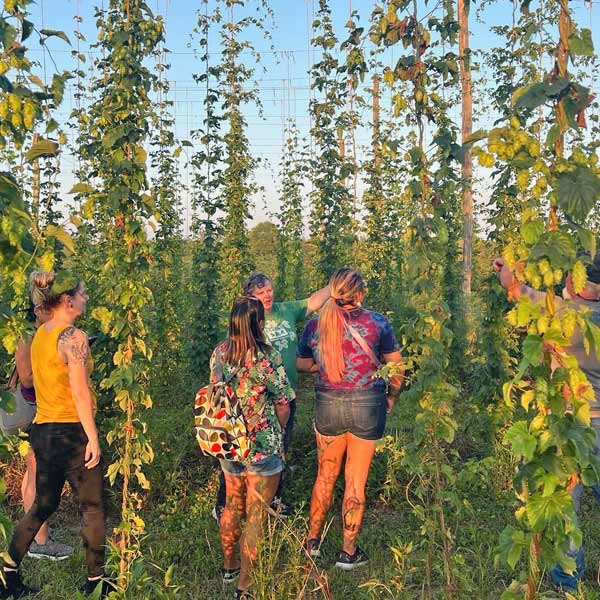
Stahl’s entry into the industry was born of necessity after a catastrophic crop loss in her cornfields. Over the past decade, she has moved from a novice grower to a key organizer for the Hop Growers of Michigan. The Chinook Cup, held annually at the Great Beer State Conference, serves as a competitive benchmark for quality. By incentivizing growers to produce the best possible version of this signature variety, Stahl and her peers are carving out a unique identity for Michigan terroir. This regional branding is essential for Michigan to compete with the massive output of Washington and Oregon.
Addressing Invisible Labor and the Economic Outlook
Despite these success stories, the industry faces significant headwinds. Amy Tennis of the Michigan Hop Alliance highlights a phenomenon known as "invisible labor." On many family-owned farms, women manage the complex administrative and operational tasks—grant writing, bookkeeping, labor management, and irrigation oversight—while men remain the public face of the business. This lack of visibility can complicate efforts to secure funding and representation in industry leadership.
The economic landscape is also shifting. After years of rapid expansion, the craft beer market is experiencing a period of contraction. Hop growers must contend with rising labor costs and the increasing frequency of extreme weather events. However, the consensus among researchers like MSU’s Nicole Shriner is that Michigan’s path forward lies in quality and identity rather than sheer volume.
The future of Michigan hops depends on the continued integration of scientific research, industrial efficiency, and sensory expertise. As the industry matures, the women who have historically worked behind the scenes are increasingly stepping into the spotlight, proving that their contributions are not just supporting the industry, but actively shaping its evolution. Through the efforts of propagators, engineers, researchers, and stewards, Michigan is ensuring that its "Great Beer State" moniker is backed by a robust, diverse, and world-class agricultural foundation.