admin
admin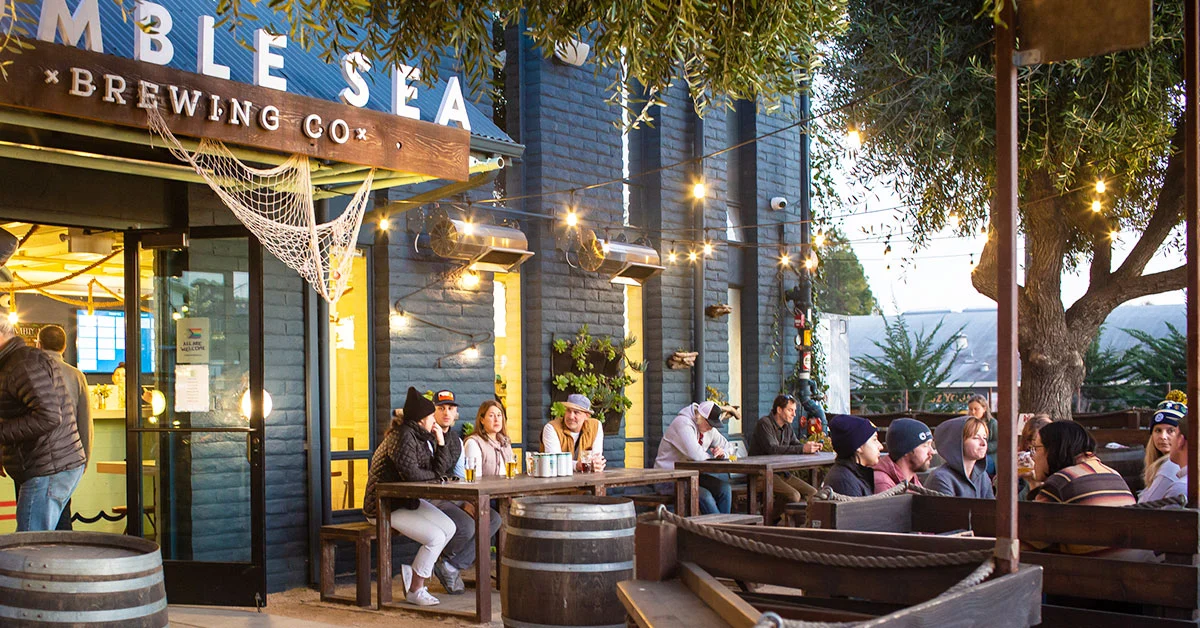
The American craft brewing landscape has undergone a seismic shift over the last decade, transitioning from a period of explosive, novelty-driven growth to a more mature market defined by strategic diversification and a return to foundational styles. For independent breweries, the challenge of the current era is no longer simply about entering the market, but about navigating the delicate equilibrium between "cutting-edge" experimentation and the reliable "flagship" brands that provide financial stability. This evolution is exemplified by the divergent yet parallel paths of Sunriver Brewing Company in Oregon and Humble Sea Brewing Co. in California, both of which have had to recalibrate their identities to meet the shifting demands of consumers, wholesalers, and the broader economy.
The Genesis of Local Identity and Market Realities
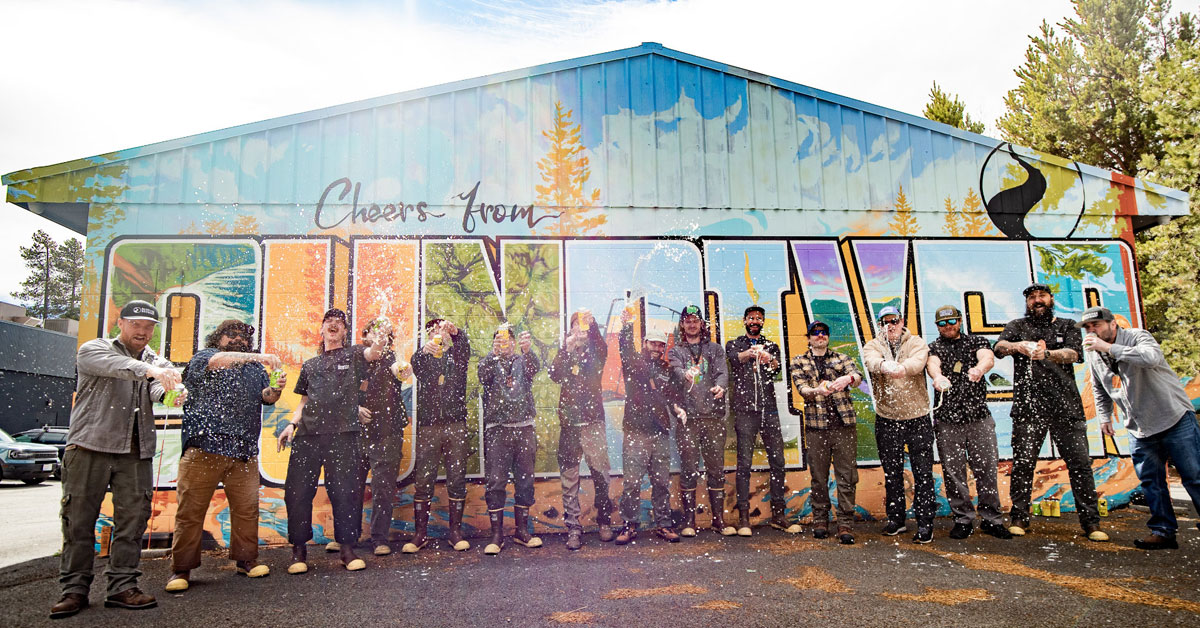
When Sunriver Brewing Company launched in Central Oregon in 2014, its initial mission was dictated by its immediate surroundings. Sunriver is a resort community with a permanent population of approximately 2,000 residents, but that number swells to 15,000 or more during peak tourist weekends. Head brewer Brett Thomas notes that the brewery’s early portfolio was designed specifically for this transient, "pub-oriented" demographic. The goal was accessibility: a blonde ale, a pale ale, an amber ale, and a stout. These were safe, recognizable styles that appealed to visitors looking for a local experience without the intimidation of high-alcohol or overly experimental offerings.
However, as the brewery matured and sought to expand beyond its local restaurant, the limitations of a "safe" portfolio became apparent. To capture the attention of regional wholesalers and the growing community of "beer nerds," Sunriver had to evolve. This led to a broader range of offerings that attempted to bridge the gap between tradition and innovation. According to Thomas, the brewery found itself in a constant search for the "sweet spot"—producing beer that was technically sophisticated enough to garner awards while remaining approachable enough for the casual drinker.
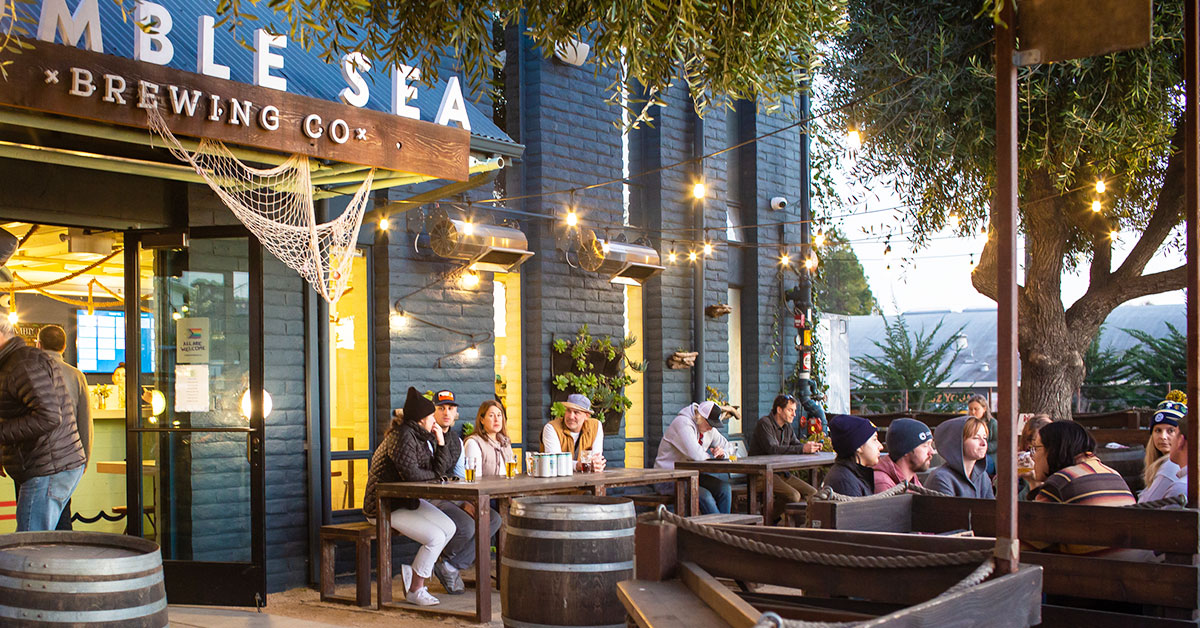
In contrast, Humble Sea Brewing Co., founded in Santa Cruz, California, in 2015, entered the market with a very different aspiration. The founders were passionate about lagers—a style known for its subtlety, technical difficulty, and clean finish. However, they quickly realized that the California market in the mid-2010s was not yet ready for a lager-centric craft brewery. To maintain financial viability, the brewery executed a significant pivot. They leaned into the "haze craze," producing "foggy" IPAs (New England-style IPAs) that utilized heavy dry-hopping and low bitterness. This move put them on the map and allowed them to build a cult following among enthusiasts who traded cans and tracked every limited release.
Chronology of Style Trends and Economic Shifts
The trajectory of these two breweries reflects the broader chronology of the American craft beer industry over the last ten years:
- 2014–2016: The Rise of Haze and the IPA Dominance. During this period, the IPA became the undisputed king of craft beer. According to data from the Brewers Association, IPAs accounted for nearly 30% of craft beer sales by volume in the mid-2010s. For breweries like Humble Sea, this meant prioritizing high-margin, high-demand "foggy" beers over the slower-turning lagers they initially preferred.
- 2017–2019: Diversification and the Seltzer Boom. As the market became saturated with IPAs, breweries began looking for ways to capture "beyond beer" consumers. This led to the rise of hard seltzers and fruit-forward sours. Even traditionalists like Sunriver Brewing had to adapt. Despite initial resistance, Sunriver eventually introduced a craft seltzer line to ensure they had a product for every consumer who walked through their doors.
- 2020–2022: Pandemic Disruptions and the "Curb Economy." The COVID-19 pandemic forced a sudden shift in sales channels. With taprooms closed, breweries had to rely on canning and wholesale distribution. This period highlighted the danger of relying solely on one revenue stream. It also began the "release fatigue" cycle, as homebound consumers initially sought novelty but eventually craved the comfort of familiar brands.
- 2023–Present: The Return of the Flagship. Recent market data suggests a cooling of the "hype" cycle. Consumers are increasingly returning to "heritage" brands and consistent flagships. This has allowed Humble Sea to return to its roots, with lagers now making up approximately 30% of their production, up from a mere 5% during their early growth phase.
The Influence of the Three-Tier System
A critical factor in a brewery’s success is its relationship with wholesalers. In the United States, the three-tier system (producer, distributor, retailer) often dictates which beers become "flagships." At Sunriver Brewing, the IPA "Vicious Mosquito" became the brand’s cornerstone not necessarily because it was the brewers’ favorite, but because wholesalers recognized its marketability. In 2014, distributors were eager to find a reliable brand they could "exploit" across multiple retail accounts. Once Vicious Mosquito gained traction, it became the "beer that built the brand," creating a feedback loop where consumer familiarity fueled further distribution.
However, the wholesale environment is fraught with challenges. Mergers and acquisitions among distributors can lead to a brewery’s portfolio being deprioritized or dropped entirely. This uncertainty has led many breweries to focus on their own taprooms, where margins are higher and the brewery has total control over the brand experience. Humble Sea has taken this a step further by tailoring its taproom menus to specific local tastes. In Pacifica, West Coast IPAs remain the top sellers; in Santa Cruz, the crowd leans toward pilsners and lagers; and in Alameda, "big" beers like triple and quad IPAs are the primary draw.
Analyzing the "Release Fatigue" Phenomenon
The craft beer industry is currently grappling with what industry analysts call "novelty exhaustion." For years, the prevailing wisdom was that craft drinkers were "promiscuous"—always looking for the next new thing. This forced breweries into a grueling cycle of releasing new beers every week, often at the expense of quality control and brand consistency.
Jeff Alworth, a prominent beer historian and writer, has noted that this focus on novelty led many breweries to neglect their flagship brands. However, nostalgia is a powerful market force. As the world becomes more complex and the beer aisle more crowded, consumers are showing a preference for "reliable, delicious beer" that doesn’t require a deep dive into hop profiles or fermentation techniques to enjoy. Humble Sea’s "Socks & Sandals" Foggy IPA is a prime example. While the brewery didn’t set out to have a "core" beer, the consumer demand for consistency turned it into a flagship.
Supporting Data and Market Implications
The shift toward stability is backed by industry figures. While the total number of craft breweries in the U.S. has surpassed 9,500, the growth rate for new entries has slowed significantly. According to the Brewers Association’s 2023 year-end report, the craft segment saw a 1% decline in production volume, the first non-pandemic decline in the modern era. This contraction is forcing breweries to be more disciplined.
- Lager Resurgence: Once considered the "cheap" alternative to craft, premium craft lagers are now a growth sector. This is driven by both "pilsner-loving" brewers and consumers looking for lower-calorie, more sessionable options.
- The IPA Ceiling: While IPAs still dominate, the growth of sub-styles like "Cold IPA" and "Session IPA" suggests a move toward drinkability over sheer intensity.
- Operational Efficiency: Managing 50 different labels a year is significantly more expensive than managing five. By focusing on flagships, breweries can optimize their supply chains, reduce packaging costs, and ensure fresher product on the shelves.
Broader Impact and Future Outlook
The stories of Sunriver and Humble Sea suggest that the future of craft brewing lies in "omnichannel" adaptability. A brewery must be able to satisfy the "beer nerd" with barrel-aged stouts and wild ales while simultaneously providing a clean, consistent lager for the casual drinker.
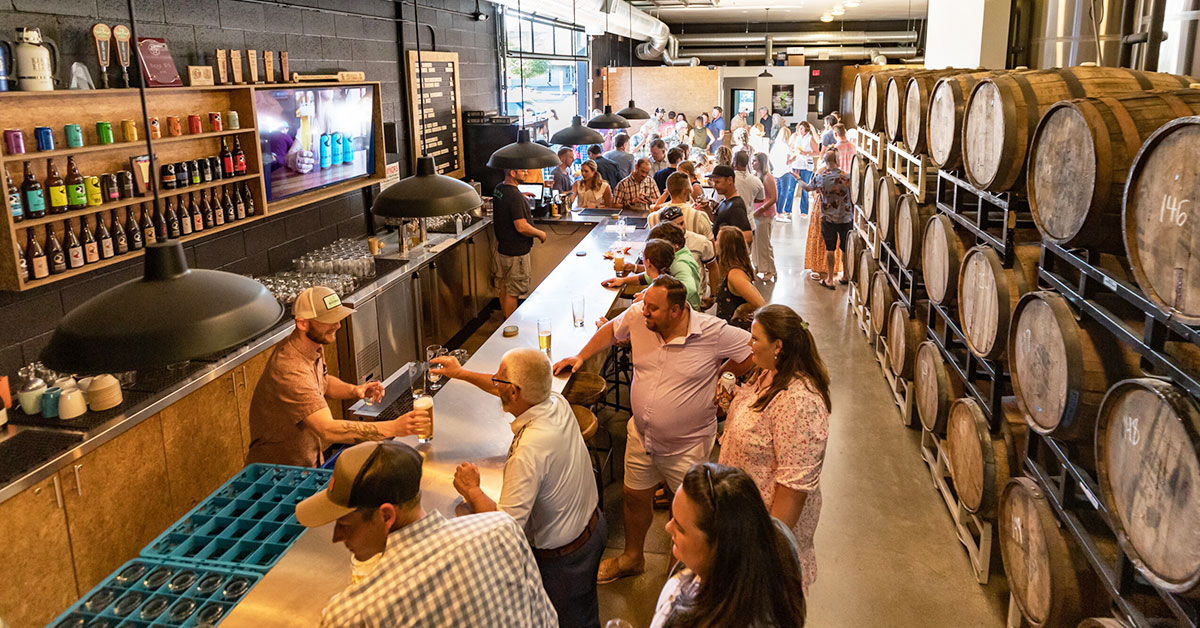
The industry is also seeing a move toward "high-end" positioning. Sunriver’s barrel-aged series targets a demographic willing to pay a premium for complexity, effectively acting as the brewery’s "reserve" line. This allows the brewery to maintain its craft credentials while its light lagers and IPAs handle the volume necessary to keep the lights on.
Ultimately, the survival of independent breweries depends on their ability to listen to their customers while maintaining a clear brand identity. Whether it is the "transient tourist" in Oregon or the "picky beer nerd" in California, the modern drinker values authenticity. As the "haze" of the last decade clears, the breweries that remain will likely be those that have mastered the art of being everything to someone, rather than something to everyone. The return to flagships is not a retreat, but a strategic consolidation that ensures the craft beer industry remains a permanent fixture of the American culinary landscape.