admin
admin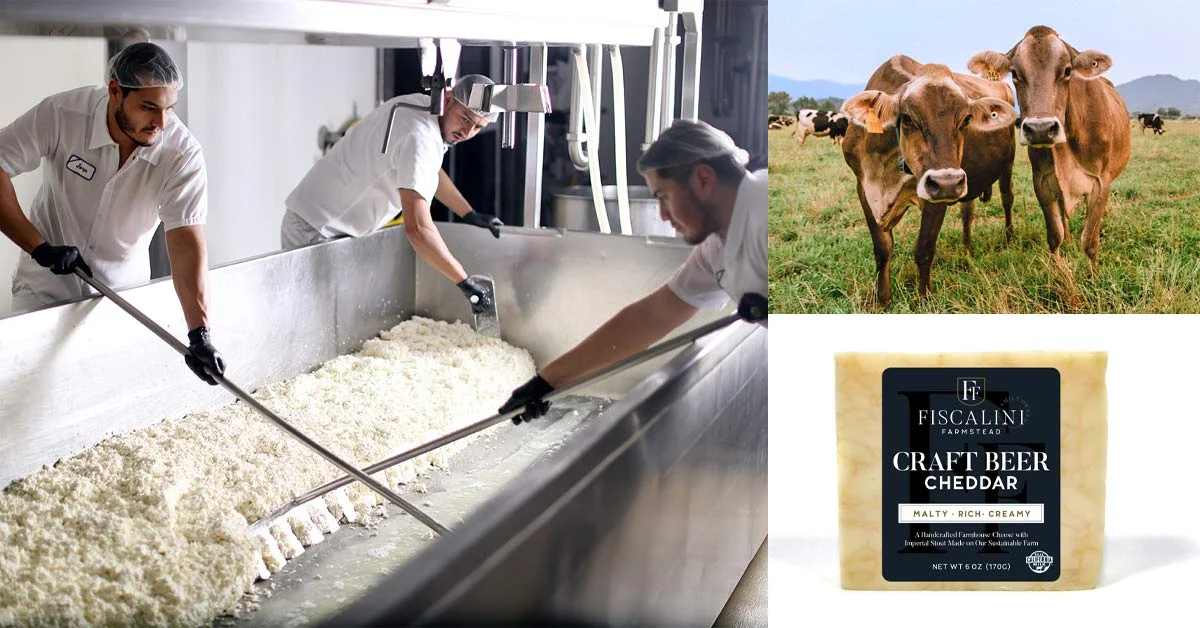
The landscape of American dairy is undergoing a sophisticated transformation as the traditional concept of "beer cheese" evolves from a spicy, spreadable tavern snack into a complex category of artisanal farmstead production. While the roots of beer cheese are firmly planted in the mid-century hospitality of central Kentucky, a new generation of American cheesemakers is reimagining the relationship between the creamery and the brewery. By incorporating craft beer directly into the vat or using it to wash the rinds of aging wheels, these producers are creating a bridge between two of the country’s most vibrant craft industries: independent brewing and specialty cheesemaking.
The Kentucky Genesis: From Sustainability to a Regional Staple
The history of beer cheese in the United States is generally traced back to the 1940s in Clark County, Kentucky. The product was first served at Johnny Allman’s, a restaurant located on the banks of the Kentucky River. According to historical accounts from the region, the original recipe was born out of a desire for kitchen efficiency and sustainability. Kathy Gorman Archer, president of Howard’s Creek Authentic Beer Cheese—the successor to the Allman brand—notes that the spread initially utilized leftover sharp cheddar and surplus beer that might otherwise have gone to waste.
This early iteration of beer cheese was defined by its "Southwestern flair," a term Archer uses to describe the inclusion of cayenne pepper, garlic, and various dry spices intended to provide a sharp, lingering heat. For over sixty years, this model defined the category: a cold-processed blend of cheese, beer, and spices served as a dip with crackers or vegetables. In 2006, Archer revived the brand to widespread acclaim, reinforcing the product’s status as a protected regional delicacy. In 2013, the Kentucky Commonwealth officially recognized Clark County as the birthplace of beer cheese, and the region now hosts an annual festival dedicated to the spread, which draws thousands of visitors and highlights the economic importance of this heritage food.
The West Coast Influence: Rogue Creamery and the Stout Revolution
As the craft beer movement exploded in the 1990s and 2000s, particularly in the Pacific Northwest, cheesemakers began to look at beer not just as a blending agent for a dip, but as a fundamental ingredient in the cheesemaking process. Rogue Creamery in Central Point, Oregon, has been at the forefront of this movement. Founded in 1933 and famous for producing the first cave-aged blue cheese west of the Mississippi in 1953, Rogue Creamery began experimenting with beer-infused cheddars nearly a decade ago.
The creamery’s Chocolate Stout Cheddar, developed in collaboration with Portland’s Hopworks Brewery, represents a departure from the Kentucky model. In this process, the beer is introduced at the "milling" stage—the point where the whey is drained and the curds are salted. By adding the stout as the whey separates, the cheesemakers infuse the milk solids with the malted sugars and roasted notes of the beer.
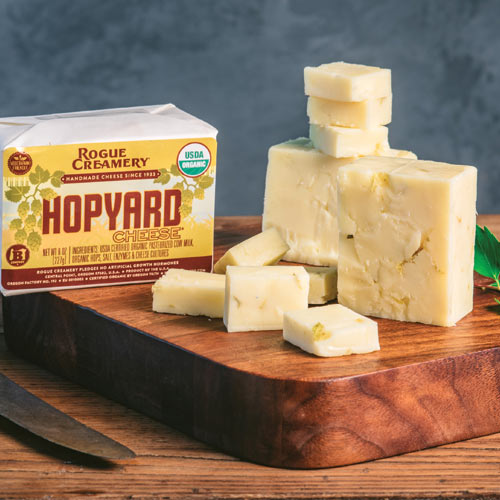
Marguerite Merritt, brand manager for Rogue Creamery and a certified sommelier, explains that the goal is not to make the cheese taste exactly like the beer, but to achieve a "sweet, malty, and marbled effect." This innovation led to the development of "Hopyard," a cheddar where fresh Northwest-grown hops are mixed directly with the curds. This technique mimics the "dry-hopping" process used in brewing, providing floral and citrus notes that mirror the profile of a West Coast IPA without the presence of liquid alcohol.
Technical Precision: The Role of pH and Fermentation
The marriage of beer and cheese is a complex chemical undertaking. For Pennsylvania’s Caputo Brothers Creamery, the primary challenge is managing the pH levels—the measure of acidity or alkalinity in the product. Rynn Caputo, co-founder of the Spring Grove-based creamery, emphasizes that the timing of the beer addition is critical to the structural integrity of the cheese.
Milk typically sits at a pH of 6.4 to 6.8. During cheesemaking, starter cultures convert lactose into lactic acid, dropping the pH. If the pH remains too high (above 5.0), the curds fail to bind effectively; if it drops too low (below 4.0), the resulting cheese becomes rubbery or brittle. Because beer is naturally acidic, its introduction must be calculated to ensure the microbial enzymes can still facilitate the separation of curds and whey.
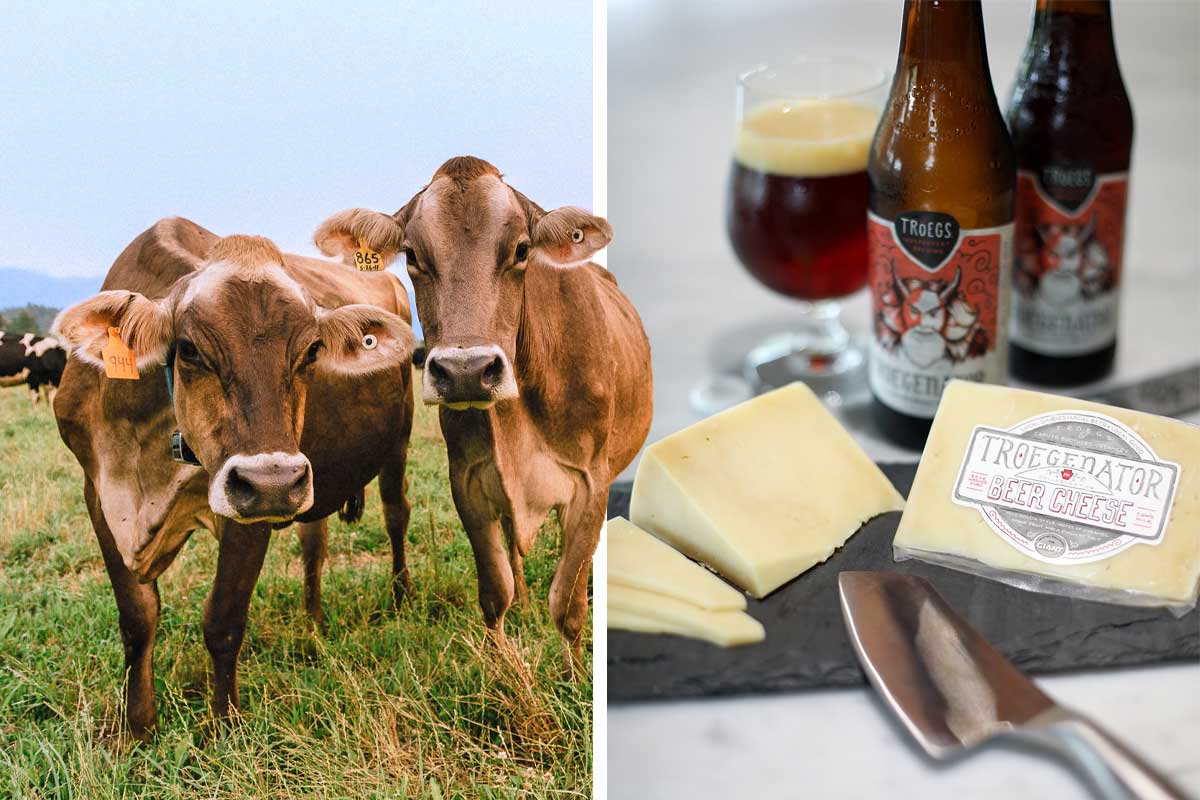
Caputo Brothers’ collaboration with Tröegs Independent Brewing illustrates the scale of this production. For their Troegenator Beer Cheese—a gouda-style wheel—an entire keg of double bock beer is used for a single batch. The brewery and creamery, both located in Pennsylvania, utilize a supply chain where the dairy farms sit geographically between the two producers. This "local-loop" system has significant economic implications, providing a stable market for Pennsylvania dairy farmers who have faced volatile milk prices over the last decade.
The Art of the Washed Rind: Dutch and German Traditions
While some creameries mix beer into the curd, others, like Indianapolis-based Tulip Tree Creamery, utilize the "washed-rind" technique. This method, which dates back to European monastic traditions, involves bathing the exterior of the cheese in a solution of salt, water, and often an alcoholic beverage like beer or cider.
Tulip Tree Creamery co-owner Laura Davenport notes that the beer wash encourages the growth of specific bacteria, such as Brevibacterium linens, which creates a pungent aroma and a creamy interior texture. Working with local partners like Sun King Brewing and 3 Floyds Brewing, Tulip Tree produces a "Hops Beer Cheese" where the rinds are treated with pilsners and porters.
Davenport explains that while high-IBU (International Bitterness Units) beers like IPAs are popular with drinkers, they can be difficult to work with in cheesemaking because the hop bitterness can become unpleasantly concentrated on the rind. Consequently, many cheesemakers prefer malt-forward styles like pilsners or stouts, which contribute toast and caramel notes that complement the natural sweetness of the cow’s milk.
Urban Creameries and the Return to Freshness
A more recent development in the beer cheese timeline is the rise of the urban creamery. Urban Stead Cheese, located in downtown Cincinnati, Ohio, opened in 2018 with the goal of honoring the city’s German heritage. Unlike the aged cheddars of the West Coast or the goudas of Pennsylvania, Urban Stead focuses on "Quark"—a fresh, Eastern European-style farmer’s cheese.
By blending this fresh cheese with Braxton Brewing’s Storm Golden Cream Ale, Urban Stead produces a "Kentucky-style" spread that bridges the gap between the 1940s tradition and modern craft aesthetics. Andrea Robbins, co-founder of Urban Stead, highlights the business advantages of this model: because fresh beer cheese does not require months of aging, it allows for faster inventory turnover and better cash flow, supporting the more capital-intensive aged products like their clothbound "Street Ched."
Economic Impact and Industry Implications
The collaboration between craft breweries and artisanal creameries is more than a culinary trend; it is a strategic response to shifting consumer preferences and economic pressures. According to data from the Brewers Association, there are over 9,000 craft breweries in the U.S., many of which are looking for ways to diversify their brand presence. Simultaneously, the American Cheese Society reports a growing consumer demand for "traceable" foods—products where the origin of every ingredient is known.
These partnerships provide several key benefits:
- Brand Cross-Pollination: Breweries gain entry into high-end specialty food shops, while creameries gain visibility in taprooms and beer festivals.
- Agricultural Stability: By creating high-value "value-added" products, creameries can pay local dairy farmers a premium above the standard commodity milk price.
- Sustainability: The use of "leftover" ingredients, as seen in the original Kentucky recipes, continues in modern forms, such as using spent grain from brewing as cattle feed for the very cows that provide the milk for the cheese.
Conclusion: A Maturing Category
The trajectory of beer cheese from a simple riverboat restaurant appetizer to a sophisticated farmstead craft reflects the broader maturation of the American food palate. Today’s beer cheeses are no longer defined solely by the presence of cayenne pepper and processed cheddar. Instead, they are defined by the terroir of the milk, the science of fermentation, and the creative synergy between two of America’s oldest fermented traditions.
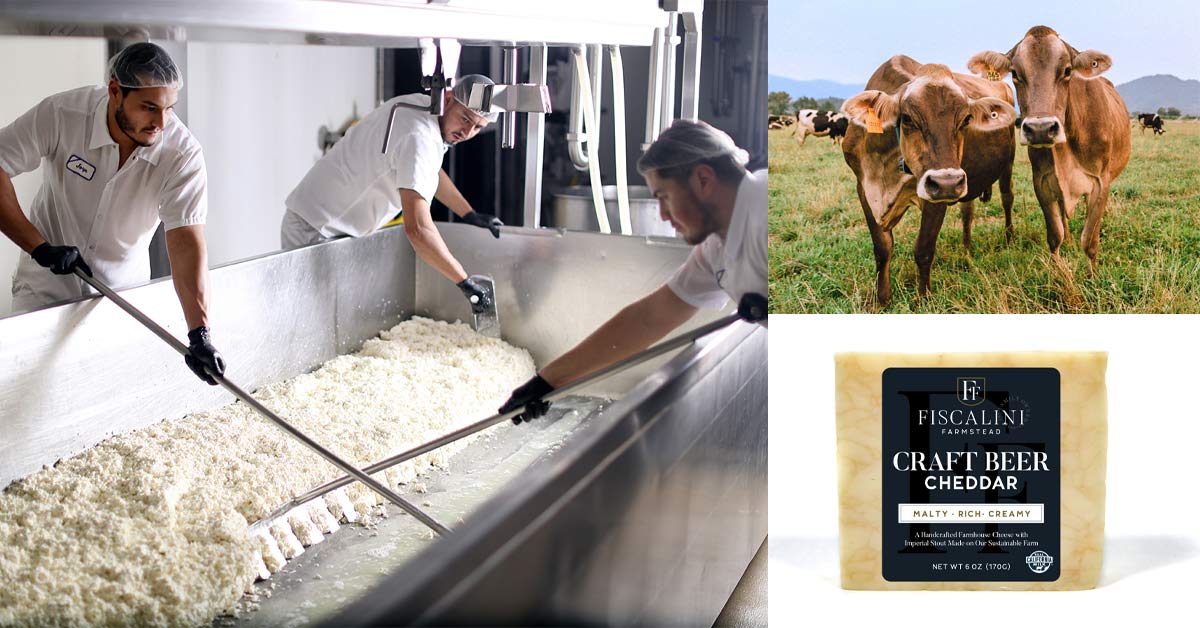
As creameries like Rogue, Fiscalini, and Caputo Brothers continue to refine their techniques, the category is likely to expand further into the mainstream. The "marbled" stout cheddars and "hop-infused" wheels now found in major grocery chains like Giant Food Stores suggest that beer cheese has moved beyond the niche market. It stands as a testament to the innovation of American makers who have taken a humble, sustainable effort from the 1940s and elevated it into a complex, multi-million dollar segment of the specialty food industry.