admin
admin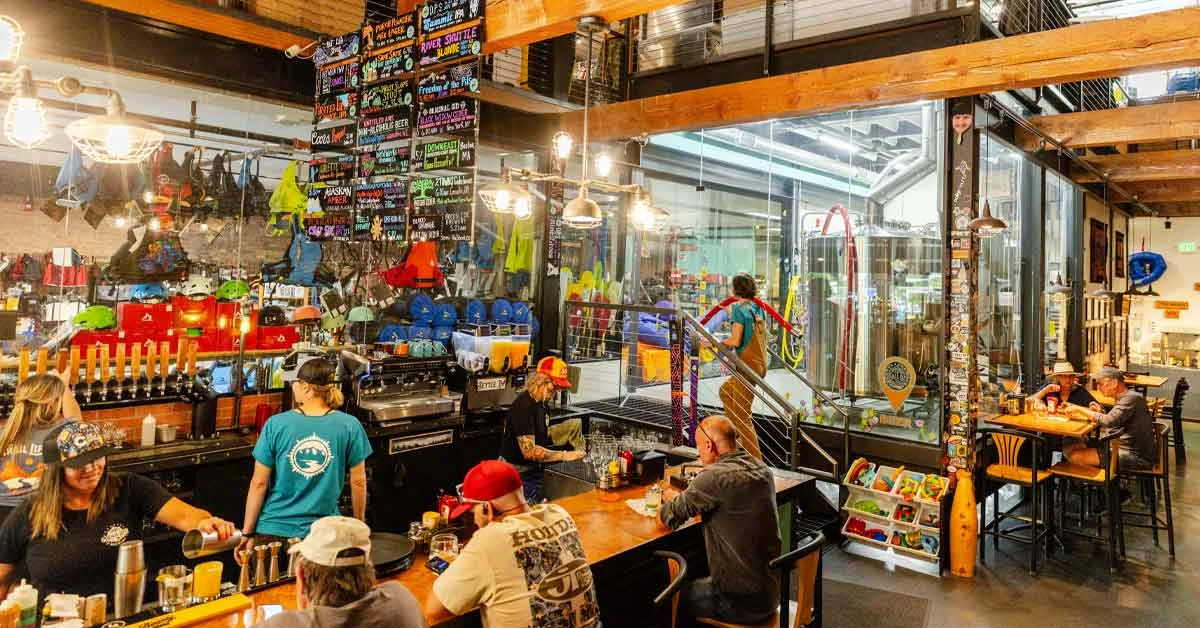
The city of Grand Junction, situated on Colorado’s Western Slope, is currently undergoing a significant cultural and economic transformation, driven by its unique combination of dramatic geological landmarks and a burgeoning craft beer industry. While traditional Colorado tourism centers on the Front Range cities of Denver and Fort Collins, or the high-traffic national parks like Rocky Mountain and the Great Sand Dunes, Grand Junction offers a distinct alternative characterized by high-caliber amenities and a lack of overcrowding. This evolution is most visible in the city’s brewing sector, which has successfully integrated itself into the region’s robust outdoor recreation economy.
Geographic and Historical Context of the Western Slope
Grand Junction derives its name from its location at the confluence of the Gunnison River and the Colorado River—the latter of which was known as the Grand River until 1921. This "junction" serves as the gateway to some of the most diverse topography in the United States. To the west lies the Colorado National Monument, a 32-square-mile expanse of red rock canyons, sandstone pillars, and sheer monoliths. To the east is the Grand Mesa, recognized as the largest flat-top mountain in the world, covering approximately 500 square miles and reaching elevations of over 11,000 feet.
Historically, the region’s economy was rooted in agriculture—specifically the famous Palisades peaches and wine grapes—and transit. However, in the last decade, there has been a concerted effort by local government and private stakeholders to pivot toward the "experience economy." According to data from the National Park Service, the Colorado National Monument receives roughly 400,000 to 600,000 visitors annually. While substantial, this figure pale in comparison to the 4.5 million visitors who frequent Rocky Mountain National Park. This disparity creates a "serenity gap" that local business owners, such as Adam Kinsey of WestCo Brewing and Handlebar Tap House, identify as a primary draw for the region.
The Chronology of the Grand Junction Brewing Industry
The development of the craft beer scene in Grand Junction has occurred in distinct waves, reflecting broader national trends while maintaining a localized focus on the outdoor lifestyle.
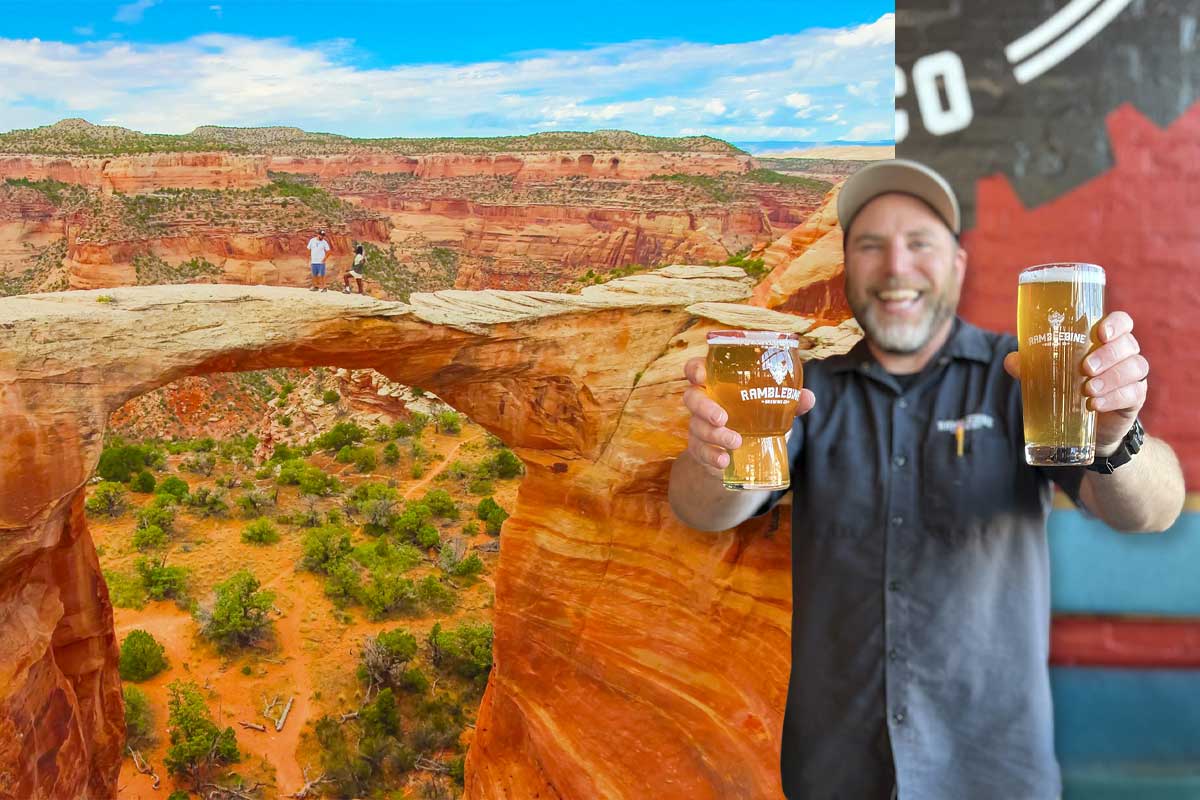
The foundational era began in 1994 with the opening of The Rockslide Brew Pub. As the city’s "Original Gastropub," Rockslide established the viability of fermented malt beverages in a region then dominated by domestic lagers and the local wine industry. For nearly two decades, the growth was incremental, with the city’s identity remaining largely tied to its role as a regional service hub.
The second wave arrived in the mid-2010s and peaked around 2020, characterized by a shift toward specialized styles and taproom-centric business models. Ramblebine Brewing Company, which opened in 2020, exemplifies this era. Despite the global economic challenges of the time, founders Eli Gerson and Rob James introduced a sophisticated portfolio that moved beyond standard ambers and pilsners. Their use of Kveik—a Norwegian farmhouse yeast known for its high-temperature fermentation and unique ester profile—in their "God Hammer" red ale signaled a new level of technical ambition in the local market.
The current era, beginning in 2023 and 2024, is defined by the "Brewery-Plus" model, where the establishment is not merely a production facility but a community anchor integrated with other recreational or cultural assets.
Strategic Integration: The Synergy of Bicycles and Beer
A defining characteristic of the Grand Junction beer scene is its physical and cultural proximity to the mountain biking industry. Grand Junction and the neighboring town of Fruita are world-renowned for trail systems like the "Lunch Loops" and "18 Road." This has led to a logistical phenomenon where breweries are strategically positioned alongside bike shops.
Trail Life Brewing serves as a primary case study for this integration. The brewery is physically attached to a mountain bike shop, creating a seamless transition for enthusiasts moving from the trails to the taproom. This "Trail-to-Tap" pipeline is not merely a marketing gimmick; it is a reflection of the city’s demographic makeup. Adam Kinsey, a prominent figure in the local scene, notes that participation in at least one outdoor activity is nearly universal among residents.
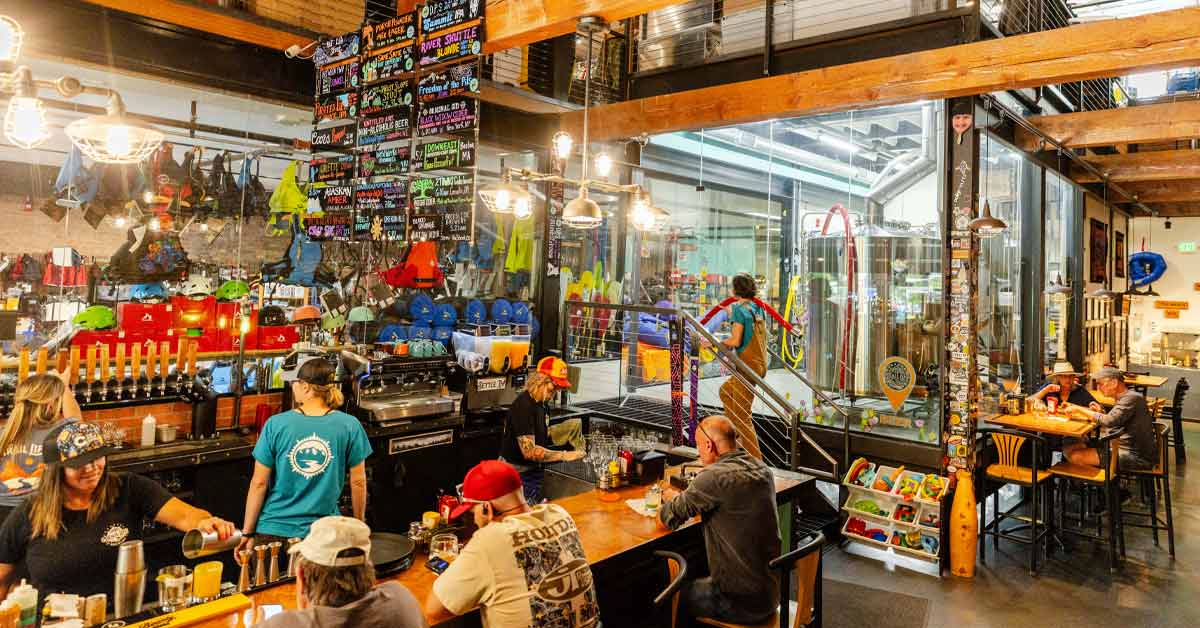
Handlebar Tap House follows a similar logic. Located adjacent to another bicycle retail and repair center, it utilizes a 24-tap system to showcase not only its own products but also a curated selection of beers from across the Western Slope. This collaborative rather than competitive approach among local brewers has been cited by industry analysts as a key factor in the region’s resilience.
Diversification of the Portfolio: Notable Establishments
The technical diversity of Grand Junction’s breweries now rivals that of much larger metropolitan areas.
- Ramblebine Brewing: Known for its experimental approach, the brewery balances traditional West Coast IPAs and crisp lagers with blueberry sours and barrel-aged stouts. Their commitment to education involves staff actively guiding patrons through the nuances of different fermentation processes.
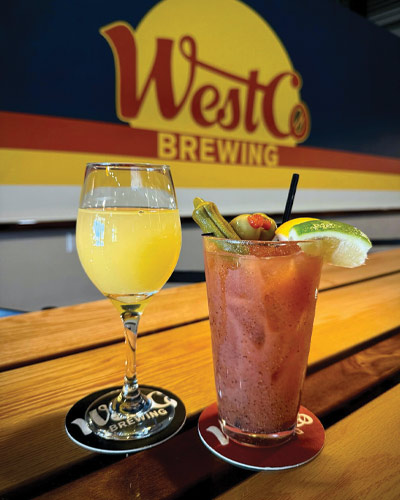
- WestCo Brewing: The latest addition to the landscape, WestCo is situated near the Amphitheater at Las Colonias Park. This location allows the brewery to capitalize on the city’s growing live music scene. The brewery focuses on "flavor-forward but easy-drinking" styles, such as Japanese-style rice lagers and Mexican-style lagers, which are designed for high-volume consumption during outdoor events.
- Base Camp Beer Works: This establishment pushes the boundaries of traditional style guidelines, offering unconventional infusions such as pineapple and pistachio cream ales or Irish red ales flavored with cranberry and cinnamon.
- Gemini Beer Company: Gemini functions as both a producer and a communal hub, serving its own pale ales alongside "guest gems" from other local producers, further reinforcing the spirit of industry cooperation.
Economic Impact and Culinary Evolution
The maturation of the beer scene has had a cascading effect on the local culinary landscape. The "pub grub" of the 1990s has been replaced by sophisticated menus that reflect a global influence. At WestCo Brewing, for example, the kitchen offers ramen, Japanese chicken curry poutine, and gyoza alongside regional specialties like Colorado elk sloppy joes. This elevated food program is a strategic move to increase "dwell time"—the amount of time a customer spends at an establishment—and to attract a broader demographic, including families and "foodie" tourists.
From an economic perspective, the craft beer industry contributes significantly to Grand Junction’s tax base and employment. According to the Brewers Association, the craft brewing industry in Colorado contributes billions of dollars to the state’s economy annually. In Grand Junction, these breweries serve as "third places"—social environments separate from the home and the workplace—that are essential for urban revitalization and talent retention.
Analysis of Broader Implications
The rise of Grand Junction as a beer destination is indicative of a larger trend in American tourism: the "Secondary City" movement. As primary hubs like Denver become increasingly expensive and congested, both travelers and entrepreneurs are seeking mid-sized cities that offer a similar quality of life with fewer barriers to entry.
The environmental and logistical advantages of Grand Junction are substantial. The city’s proximity to the Colorado River provides a reliable water source—a critical component for brewing—while the surrounding geography provides a natural barrier to the urban sprawl seen elsewhere in the state. Furthermore, the redevelopment of areas like Las Colonias Park demonstrates a successful partnership between municipal planning and private enterprise. By transforming former industrial or underutilized land into recreation-and-business corridors, the city is creating a blueprint for sustainable growth.
However, this growth also brings challenges. As the city’s profile rises, stakeholders must balance the influx of tourists with the "serenity" that currently defines the Grand Junction experience. The "embarrassment of riches" cited by locals is predicated on the fact that the canyons and taprooms remain accessible and uncrowded.
Conclusion
Grand Junction, Colorado, has successfully leveraged its natural assets—the Colorado National Monument, the Grand Mesa, and the confluence of two major rivers—to build a craft beer culture that is uniquely its own. By integrating brewing with the outdoor recreation industry and focusing on community-centric spaces, the city has positioned itself as a premier destination for enthusiasts who value both quality and tranquility. As the industry continues to evolve, Grand Junction stands as a testament to the power of place-based economic development, where the glass of beer in a patron’s hand is inseparable from the landscape in which it was brewed. For the craft beer enthusiast, the city is no longer just a stop on the way to the Grand Canyon; it is the destination itself.