admin
admin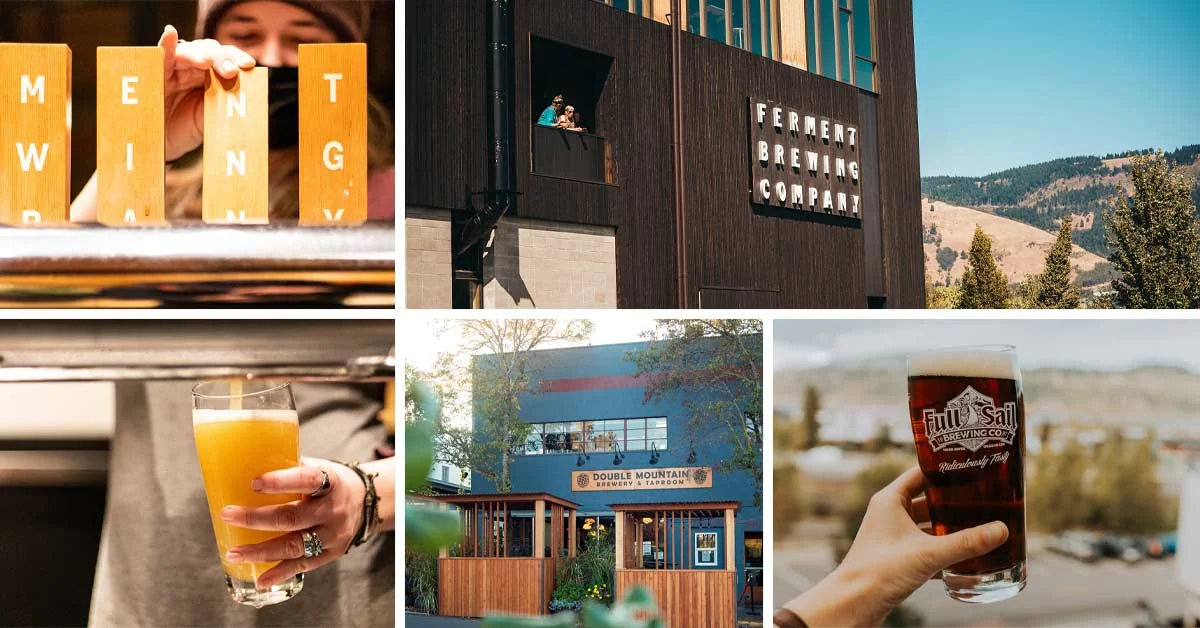
The inaugural Hood River Orchard and Ale Festival recently concluded on the banks of the Columbia River, marking a significant milestone in the maturation of the Pacific Northwest’s craft beverage sector. Held in early October against the backdrop of the Columbia River Gorge, the event served as both a celebration of the region’s agricultural harvest and a strategic showcase for a brewing industry that has become a primary economic driver for the city of Hood River. With a population of approximately 8,300 residents, Hood River now maintains one of the highest densities of craft breweries per capita in the United States, a statistic that underscores the town’s transition from a timber and fruit-dependent economy to a global destination for fermentation science and tourism.
The Inaugural Festival and the Regional Microclimate
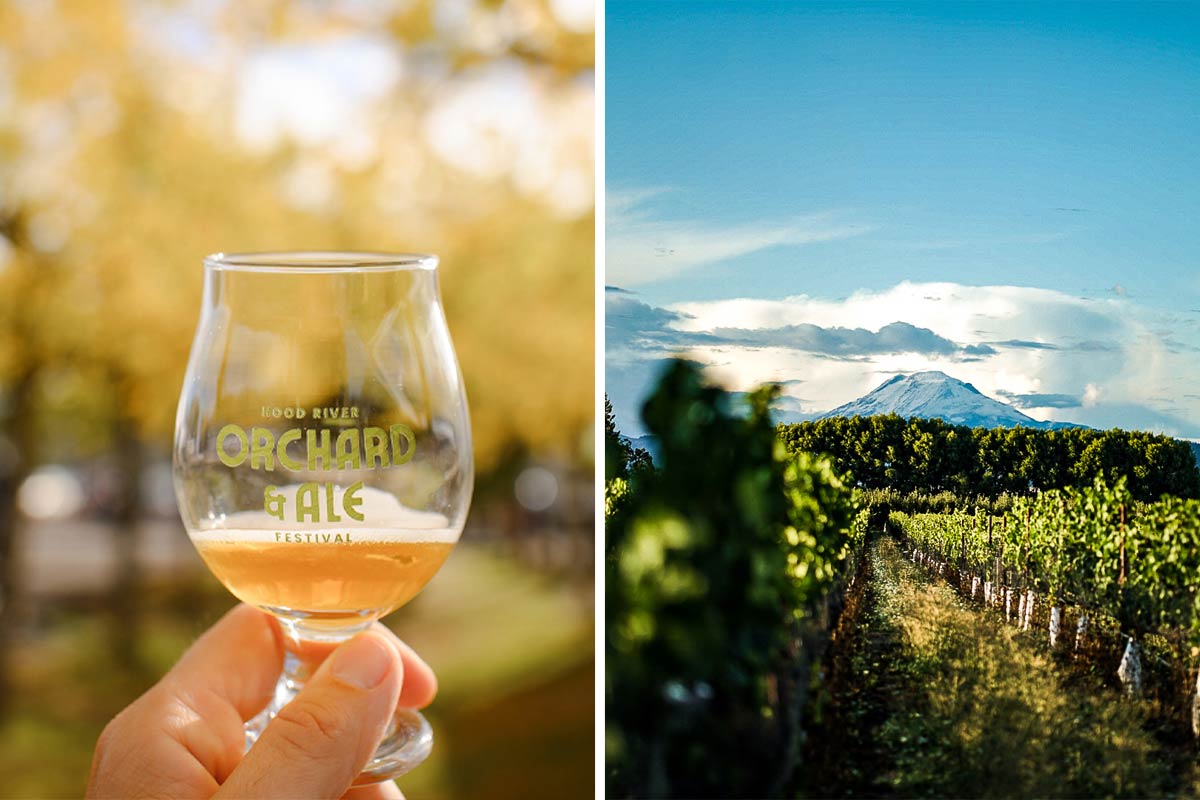
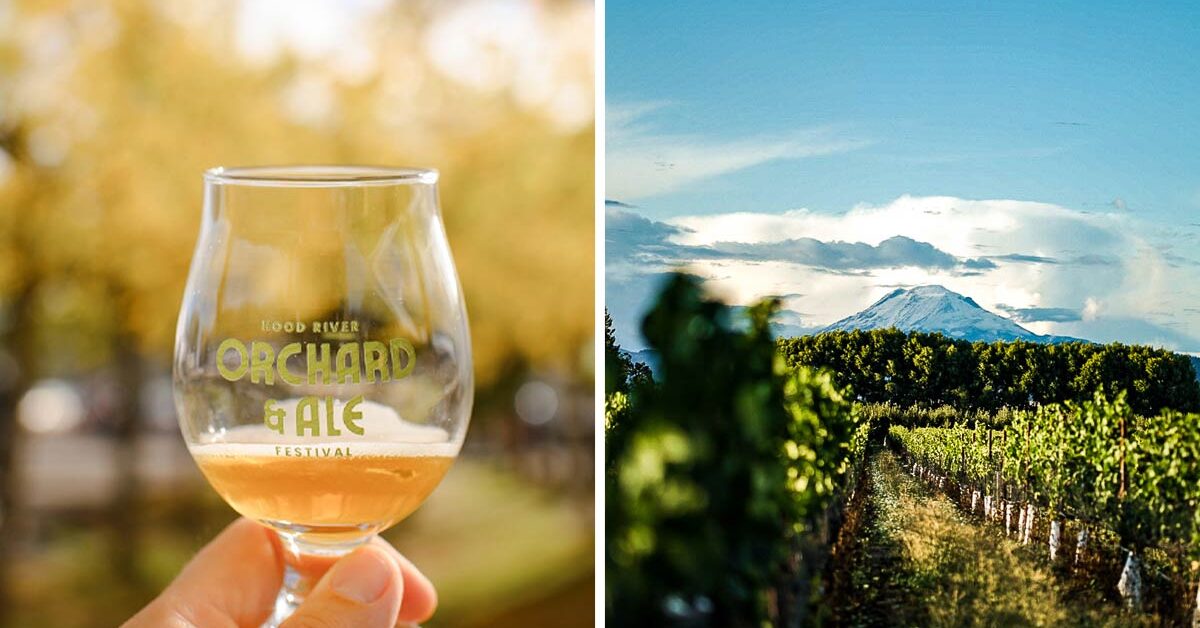
The Hood River Orchard and Ale Festival was established to bridge the gap between the region’s historic orchard industry and its contemporary brewing success. Situated on the waterfront, the festival grounds were subject to the unique meteorological conditions of the Columbia River Gorge, a canyon carved by the Columbia River that acts as a natural wind tunnel between the Cascade Range and the arid regions to the east. During the event, steady gusts—often exceeding 20 miles per hour—presented logistical challenges for organizers and attendees alike. These conditions, while complicating the use of lightweight plastic tasting vessels, highlighted the geographical features that have made the area a premier location for wind and water sports, which in turn drive a significant portion of the seasonal taproom traffic.
Industry analysts noted that the decision by many attendees to opt for weighted, souvenir glassware was not merely a matter of aesthetic preference but a functional necessity dictated by the environment. This intersection of geography and industry is a recurring theme in the Hood River brewing scene, where the natural landscape provides both the ingredients for the product and the environment that shapes its consumption.
The Hydrogeology of the Hood River Watershed
The quality of the beer produced in Hood River is inextricably linked to the local hydrology. Unlike many municipalities that rely on treated river water, breweries in Hood River draw from the Hood River watershed. This water source originates as snowmelt from the 14,000-foot peaks of the Cascade Mountains, specifically Mount Hood. As the water descends, it undergoes a natural filtration process through layers of volcanic basalt rock.
This geological filtration results in water that is exceptionally soft and low in mineral content, providing a "blank canvas" for brewers. Such water profiles are particularly prized for the production of delicate lagers and pilsners, where the presence of heavy minerals or chlorine can distort the flavor profile of the malt and hops. The availability of this high-quality base ingredient has allowed local breweries to compete on a global scale, winning numerous accolades at the Great American Beer Festival and the World Beer Cup.
Historical Context: From Full Sail to the Modern Era
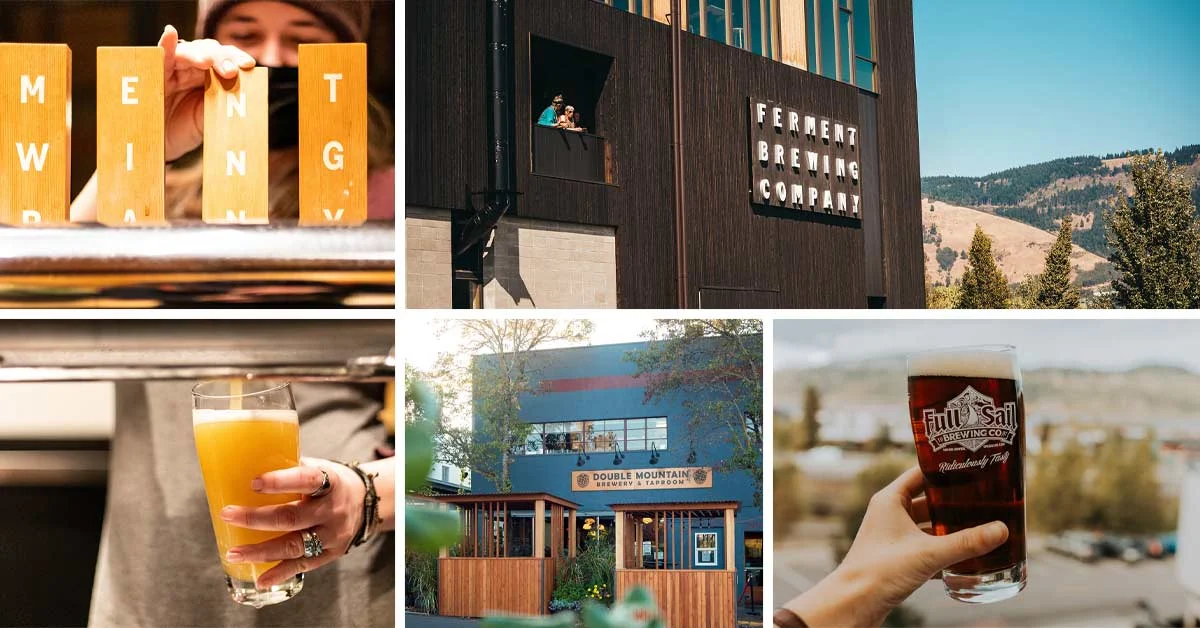
The evolution of Hood River into a brewing powerhouse began in 1987 with the establishment of Full Sail Brewing Co. As one of the early pioneers of the American craft beer movement, Full Sail utilized the town’s abandoned fruit cannery infrastructure to build a production facility that could reach regional distribution. Their flagship Amber Ale became a staple of the Pacific Northwest, proving that the Gorge could support industrial-scale craft brewing.
Following the trail blazed by Full Sail, Double Mountain Brewery & Cidery opened its doors in 2007. Founded by industry veterans, Double Mountain introduced a focus on sustainability—including a unique refillable bottle program—and emphasized aggressive hopping and European-style lagers. By 2012, the arrival of pFriem Family Brewers further shifted the landscape. pFriem focused on Belgian-inspired ales and German-style lagers, bringing a level of technical precision and aesthetic branding that helped elevate the entire region’s reputation.
The chronological development of these institutions created a "brewing cluster" effect. Economic theory suggests that when related businesses congregate in a single geographic area, they benefit from shared infrastructure, a specialized labor pool, and increased consumer awareness. This is evident in Hood River, where the downtown core and waterfront are now populated by a diverse array of operations ranging from legacy producers to experimental nanobreweries.
The Fresh Hop Phenomenon and Regional Terroir
The timing of the Orchard and Ale Festival in early October coincided with the "Fresh Hop" season, a period unique to the Pacific Northwest. Because Oregon’s Willamette Valley and Washington’s Yakima Valley account for the vast majority of United States hop production, breweries in Hood River are uniquely positioned to receive "wet" hops within hours of their harvest.
Standard brewing practices involve using dried and pelletized hops to ensure shelf stability. However, fresh hop beers utilize the whole flower cone immediately after it is picked, preserving volatile oils and aromatics that are lost during the drying process. The festival featured several examples of this style, including fresh-hopped pilsners and IPAs. The proximity to the source allows Hood River brewers to produce these seasonal specialties with a level of vibrancy that is difficult to replicate in regions further removed from the hop yards. This regional advantage, often referred to as "terroir," is a key component of the marketing strategy for the Hood River Chamber of Commerce.
Contemporary Growth and the 2025 Expansion
The local industry continues to demonstrate resilience and growth. In 2023, Hood River Brewing Company opened its doors, diversifying the local portfolio with selections such as Mexican-style lagers. This was followed in 2025 by the opening of The Walled Garden, a public house operated by Kings & Daughters Brewery. The latter represents a trend toward "hospitality-forward" taprooms, focusing on curated environments that cater to both locals and the high-end tourism market.
Furthermore, Ferment Brewing Company, located on the waterfront, has integrated modern farmhouse techniques into its production. By utilizing local fruit—such as Oregon strawberries for their "Lost in Fragaria" sour ale—Ferment reinforces the link between the region’s orchard history and its brewing future. This integration of local agriculture is a primary goal of the Orchard and Ale Festival, which seeks to promote the total output of the Hood River Valley.
On the southern edge of the town’s heights, Working Hands Fermentation has found success by specializing in lagers and "bottom-fermenting" styles. Their Night Shift Schwarzbier serves as an example of the industry’s move away from the IPA-centric models of the early 2000s toward more nuanced, traditional European styles. This diversification ensures that the local market can appeal to a broad demographic of consumers.
Economic Implications and Tourism Strategy
The concentration of breweries in Hood River has profound implications for the local economy. According to data from the Oregon Brewers Guild, the craft beer industry contributes over $2.4 billion to the state’s economy annually. In Hood River specifically, the brewing sector supports hundreds of direct jobs in production, hospitality, and management, as well as indirect jobs in agriculture and logistics.
The "Beer Tourism" model has also stabilized the town’s seasonal economy. While windsurfing and skiing are highly dependent on specific weather conditions, the brewery taprooms provide a year-round draw for visitors from Portland and beyond. This consistent foot traffic supports ancillary businesses, including hotels, restaurants, and retail outlets.
However, the rapid growth of the industry also presents challenges. The demand for industrial space and the rising cost of living in the Gorge have made it increasingly difficult for new, smaller operations to enter the market. Local officials are currently balancing the need for economic development with the preservation of the small-town character that makes Hood River an attractive destination.
Technical Excellence in Fermentation Styles
The diversity of styles represented at the festival highlights the technical proficiency of the region’s brewers. From the bready, complex malts of Czech Dark Lagers to the high-acidity profiles of fruit-infused sours, the Hood River scene is characterized by a refusal to adhere to a single "Northwest style."
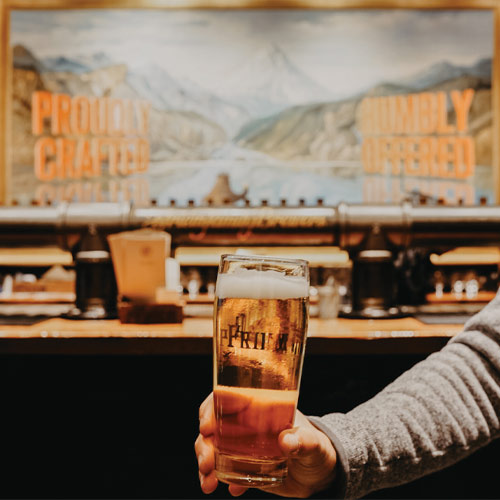
Brewers at pFriem Family Brewers, for instance, have gained national recognition for their wood-aged sour program, which requires years of patience and a deep understanding of microbiology. Meanwhile, the team at Full Sail continues to refine the West Coast IPA, a style they helped define decades ago. The ability of these breweries to maintain high standards of quality control while scaling production is a testament to the maturation of the industry.
Conclusion and Future Outlook
The Hood River Orchard and Ale Festival has successfully established itself as a cornerstone event for the Columbia River Gorge. By highlighting the synergy between the region’s volcanic geography, its agricultural bounty, and its brewing expertise, the festival reinforces Hood River’s status as a premier hub for craft beverage production.
As the industry looks toward the latter half of the decade, the focus is expected to remain on sustainability and the exploration of local ingredients. With the continued support of the Hood River watershed and the surrounding hop and fruit farms, the breweries of the Gorge are well-positioned to maintain their leadership role in the global craft beer landscape. The success of the inaugural festival suggests a strong appetite for events that celebrate the technical and cultural achievements of this unique Oregon community.