admin
admin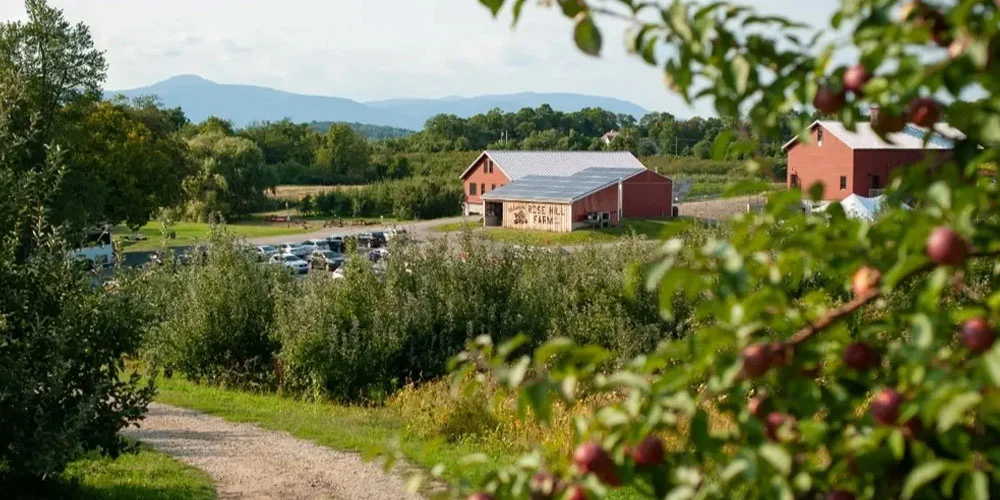
At the dawn of the 21st century, the American cider landscape was a mere shadow of its historical prominence, consisting of a few dozen producers largely concentrated in the apple-growing strongholds of the Pacific Northwest and the Northeast. Today, the industry has undergone a seismic transformation, boasting more than 1,000 active cideries across the United States. This resurgence represents not only a recovery of a colonial-era tradition but a sophisticated evolution into a diverse beverage category that challenges the conventions of both the craft beer and wine industries. The modern cider movement is defined by a rigorous focus on pomology, an embrace of experimental fermentation techniques, and a strategic shift toward regional identity and terroir-driven production.
The Economic Catalyst and Market Expansion
The primary catalyst for the modern cider boom occurred between 2011 and 2017, a period during which the industry witnessed a staggering 500% increase in sales. This explosive growth was initially propelled by massive capital investments from major national beer conglomerates seeking to diversify their portfolios. The most notable contributor was the Boston Beer Company, whose Angry Orchard brand became a household name and served as an entry point for millions of consumers. This "gateway" effect created a fertile environment for regional brands to scale. Companies such as Stem Ciders in Colorado, Schilling Cider in Washington, and Blake’s Hard Cider in Michigan successfully transitioned from local favorites to national players, proving that there was significant consumer appetite for cider beyond the mass-market, high-sugar profiles of the early 2010s.
While the initial surge was driven by large-scale production, the current phase of the industry is characterized by the rise of artisanal growers and small-scale producers. These makers are moving away from the "alco-pop" reputation of the past, focusing instead on the intrinsic qualities of the fruit. As the market matures, the distinction between "modern" cider—typically made from culinary or "eating" apples—and "heritage" cider—made from traditional, tannin-rich cider apples—has become a central theme of the industry’s narrative.
The Science of Pomology: The Cosmic Crisp and Beyond
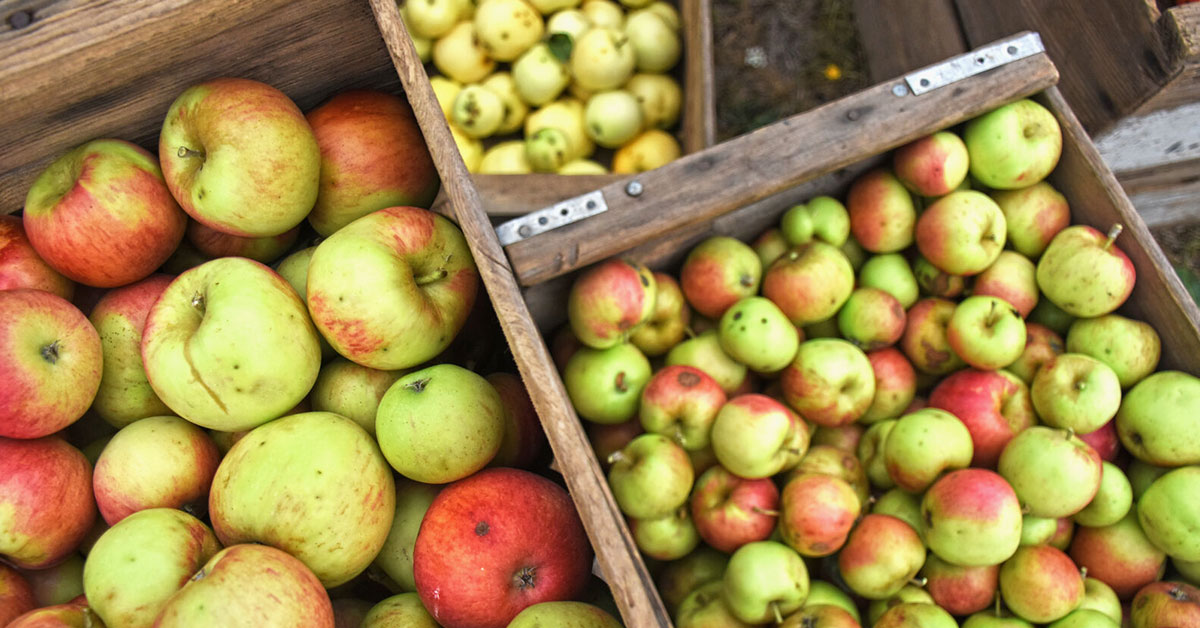
The foundation of any great cider is the apple, and the American industry is currently benefiting from unprecedented advancements in pomology and orchard management. North America is home to more than 15,000 documented apple varieties, yet for decades, the commercial market was dominated by a handful of culinary varieties designed for shelf stability and sweetness rather than fermentation potential.
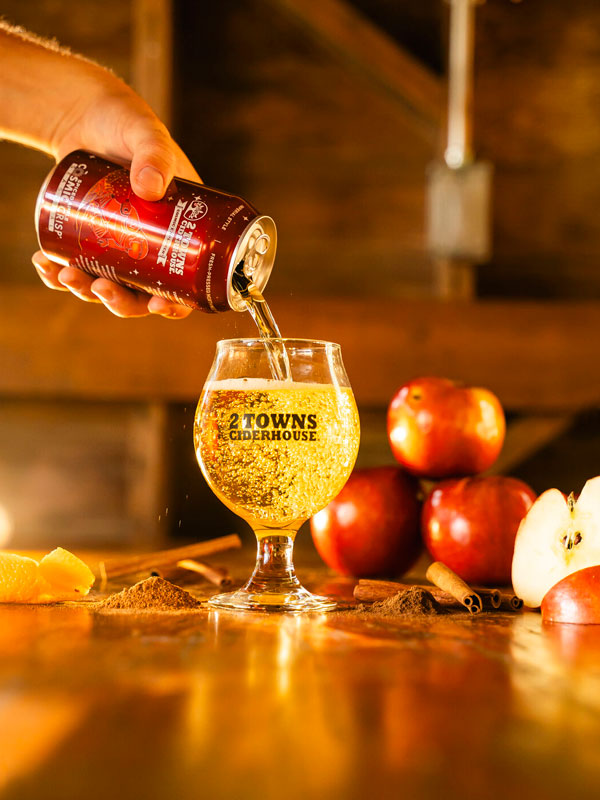
The emergence of the Cosmic Crisp apple represents a pivotal moment in this evolution. Developed by Washington State University and launched commercially in 2019, the Cosmic Crisp was engineered for the fresh-eating market, but its high sugar content, robust acidity, and unique aromatic profile—often compared to gooseberry and Sauvignon Blanc—have made it a favorite among cidermakers. Dave Takush, co-owner and head cidermaker of 2 Towns Ciderhouse in Corvallis, Oregon, has been a vocal proponent of the variety. Takush, whose cidery was named the inaugural Cidermaker of the Year at the 2024 Great American Beer Festival, utilizes the Cosmic Crisp as the backbone for his imperial cider line.
The rapid adoption of the Cosmic Crisp is reflected in agricultural data: while it accounted for only 1% of Washington’s apple crop upon its release, it has grown to nearly 10% in just five years. This shift highlights a broader trend where cidermakers are gaining a deeper understanding of how specific varieties—even the much-maligned Red Delicious—can contribute specific subacid components and fruity esters to complex blends.
Reclaiming Terroir and Indigenous Varieties
For much of the 20th century, American apple cultivation focused almost exclusively on dessert fruit. In contrast, European traditions in England, France, and Spain maintained orchards of bitter and tannic apples specifically for cider. Early American cider pioneers in the 1980s and 90s, such as Farnum Hill in New Hampshire and Foggy Ridge in Virginia, sought to replicate these European profiles by importing varieties like Ellis Bitter and Porter’s Perfection.
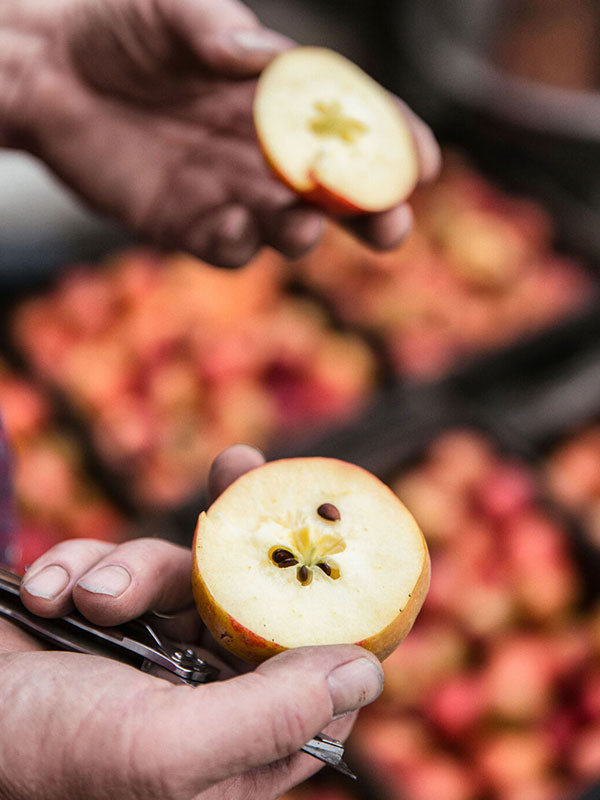
However, the North American climate often presented challenges for these European transplants. In response, a new generation of cidermakers is looking toward indigenous and "wild" varieties that have adapted to local environments. In the Southeastern United States, varieties like the Winter Jon are being rediscovered. Historically prized in the Appalachian Mountains for their late harvest and durability before the era of refrigeration, these apples are now being utilized for their ability to withstand the warming climates of northern Georgia and the Carolinas.
Similarly, in the Northeast, "found" seedlings like the Nailbiter from Vermont are being cultivated for their natural resilience and high tannin levels. Commercial nurseries are also responding to this demand. Stark Bro’s, one of the nation’s oldest nurseries, introduced the Franklin apple in 2017. Found in Vermont, this variety offers the desirable bitter-sharp characteristics of a traditional European cider apple but with the hardy disease resistance required for American growing conditions.
Experimental Fermentation and the Influence of Natural Wine
As the technical proficiency of the industry grows, cidermakers are increasingly borrowing techniques from the world of fine wine and craft beer. This cross-pollination has led to a surge in experimental methods such as malolactic fermentation, pétillant naturel (pet-nat) bottling, and extended maceration.
In California, the intersection of the wine and cider industries has become particularly pronounced. Many wineries in Sonoma and Napa counties, facing the existential threat of wildfires and smoke-tainted grape harvests, have begun integrating cider into their production schedules. Natural wine producers like Ashanta Wines and Horse & Plow have applied vinification techniques to heritage California apples such as the Gravenstein and Newtown Pippin. When treated with bâtonnage (the stirring of lees) and judicious oak aging, these ciders take on characteristics reminiscent of high-end Chardonnay, offering notes of baking spice and delicate orchard fruit that appeal to a sophisticated palate.
Branching Out: Co-fermentation and the "Graf" Movement
The boundaries of the cider category are being further pushed by producers like Rose Hill Farm in New York’s Hudson Valley. Established in 1798, the farm has become a hub for "co-ferments"—beverages that ferment apples alongside other fruits like peaches, apricots, plums, and cherries. Matthew Sanford, the cidermaker at Rose Hill, operates under the philosophy that any source of fermentable sugar is an opportunity for innovation.
Rose Hill’s work often blurs the line between cider, wine, and beer. One notable example is the production of "Graf," a hybrid beverage of malt and apple juice popularized in modern culture by Stephen King’s Dark Tower series. By collaborating with local breweries like Plan Bee Farm Brewery, Sanford has produced bottle-conditioned Grafs that exhibit the brioche-like complexity of aged Champagne.
These collaborations extend beyond the traditional beverage world. Rose Hill recently partnered with Brooklyn-based Hana Makgeolli to create "Beojju," a clarified rice wine fermented with sour cherries. This level of experimentation signals a shift where cider is no longer viewed as a standalone product but as a versatile canvas for broader fermentation science.
The Future of the Industry: Challenges and Opportunities
Despite its rapid growth, the American cider industry faces a complex road ahead. It remains the "awkward sibling" to beer and wine, often struggling for shelf space and consumer clarity. However, this position has also granted cidermakers the freedom to break traditional rules and innovate more rapidly than their counterparts in more established industries.
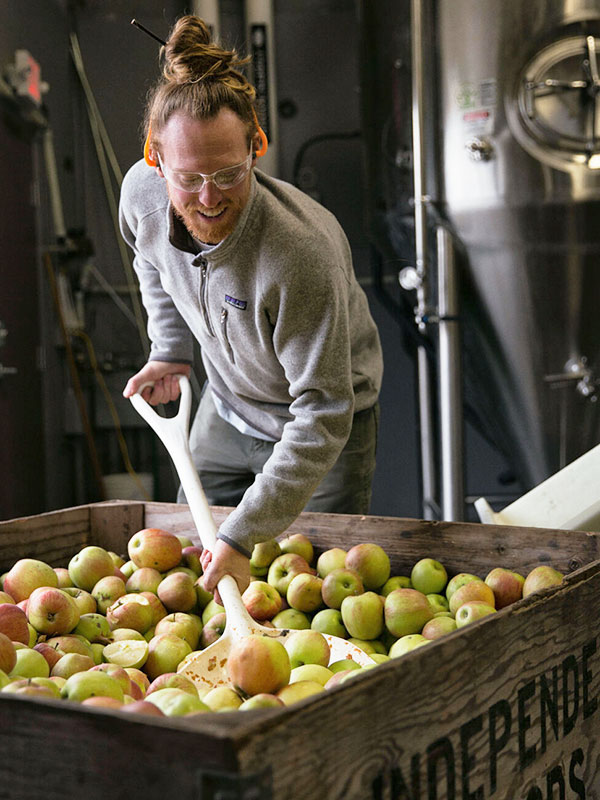
The synergy between craft beer and cider continues to be a driving force for the category. Many modern cidermakers began their careers in brewing, bringing a "hop-forward" or "innovation-first" mindset to the orchard. Furthermore, the rise of taproom culture has provided a direct-to-consumer pipeline that allows small producers to educate the public on the importance of variety, vintage, and terroir.
The environmental impact of climate change remains a significant variable. As orchards face erratic weather patterns and new pest pressures, the move toward resilient indigenous varieties and diverse fruit crops is not just an aesthetic choice but a necessary strategy for long-term sustainability.
In conclusion, the American cider scene has successfully transitioned from a nascent niche into a dynamic and diverse industry. By combining historical knowledge with cutting-edge agricultural research and experimental fermentation, producers have created a category that is uniquely American. As consumers continue to prioritize quality, transparency, and local sourcing, the future of cider appears bright, rooted in the soil of thousands of orchards and the creativity of a new generation of makers. The industry’s ability to reintroduce itself to the American public as a sophisticated, terroir-driven beverage will determine its trajectory for the decades to come.