admin
admin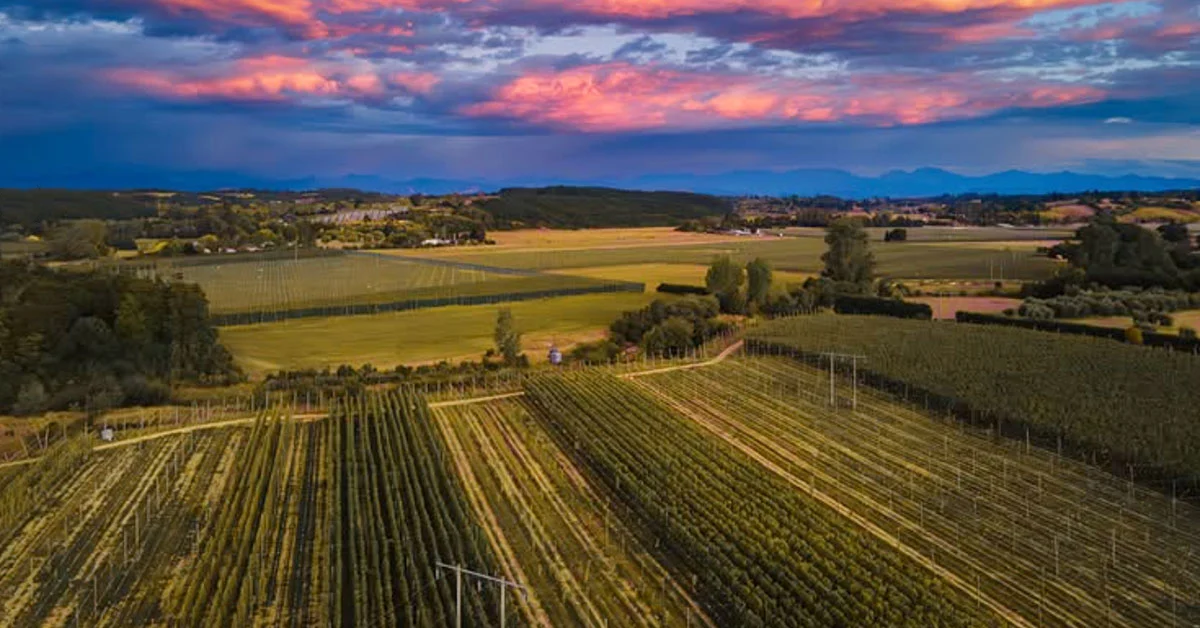
The term terroir, historically synonymous with the prestigious vineyards of France and the rigorous standards of the appellation d’origine contrôlée, has long been a foundational pillar of the wine industry. It represents the "taste of place"—a complex intersection of soil composition, climate, topography, and traditional farming techniques that imbue a crop with a unique, unreplicable character. While this concept was once largely absent from the lexicon of the craft beer industry, a paradigm shift is occurring. Today, as brewers and consumers move toward a more sophisticated appreciation of raw materials, the concept of terroir is being reclaimed by the beer world, driven primarily by the distinctive agricultural output of New Zealand’s hop-growing regions.
For decades, the craft beer industry focused on the technical aspects of brewing—yeast attenuation, mash temperatures, and water chemistry. However, as the market has matured, the focus has returned to the "agricultural singularity" of the ingredients themselves. Malt, yeast, and water all contribute to a beer’s identity, but hops are increasingly recognized as the primary vehicle for terroir. Just as a Malbec from Mendoza differs fundamentally from one produced in Cahors, a Citra hop grown in Washington’s Yakima Valley offers a different sensory profile than the same variety grown elsewhere. This realization has placed New Zealand at the center of a global movement to define beer by its geographical origins.
The New Zealand Advantage: Geography and Biological Isolation
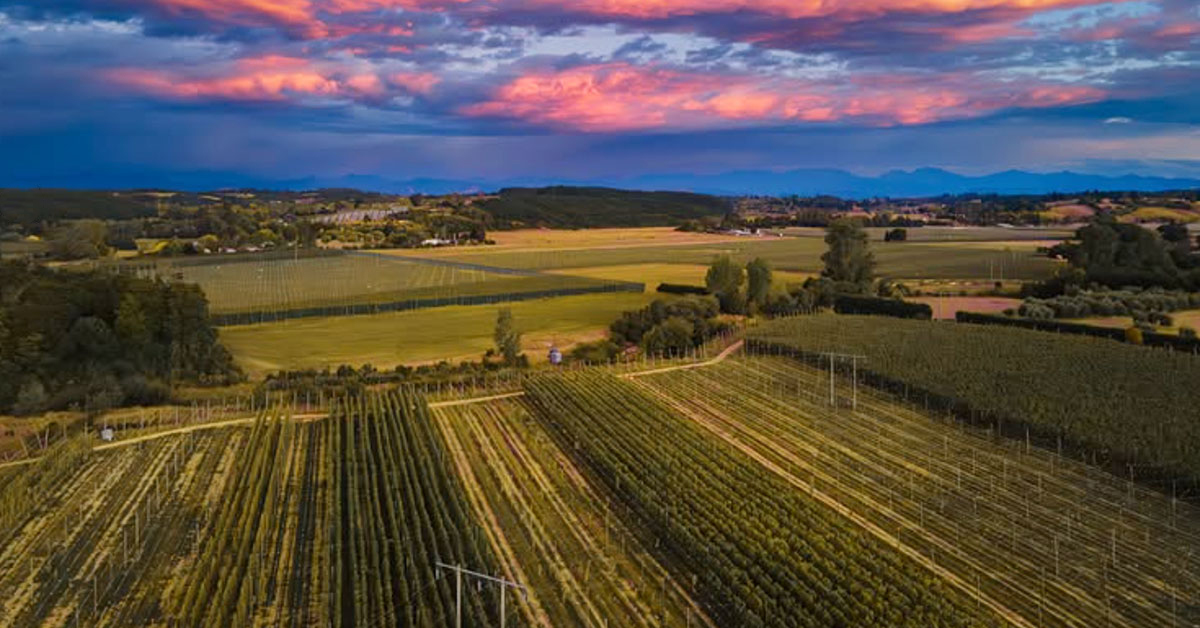
New Zealand’s emergence as a powerhouse in the hop industry is not accidental; it is the result of a unique confluence of geography and biology. Located in the South Pacific, the island nation’s hop-growing regions, particularly the Moutere Valley near Nelson, benefit from a maritime climate that is significantly different from the arid, continental climates of the Pacific Northwest in the United States or the traditional Hallertau region of Germany.
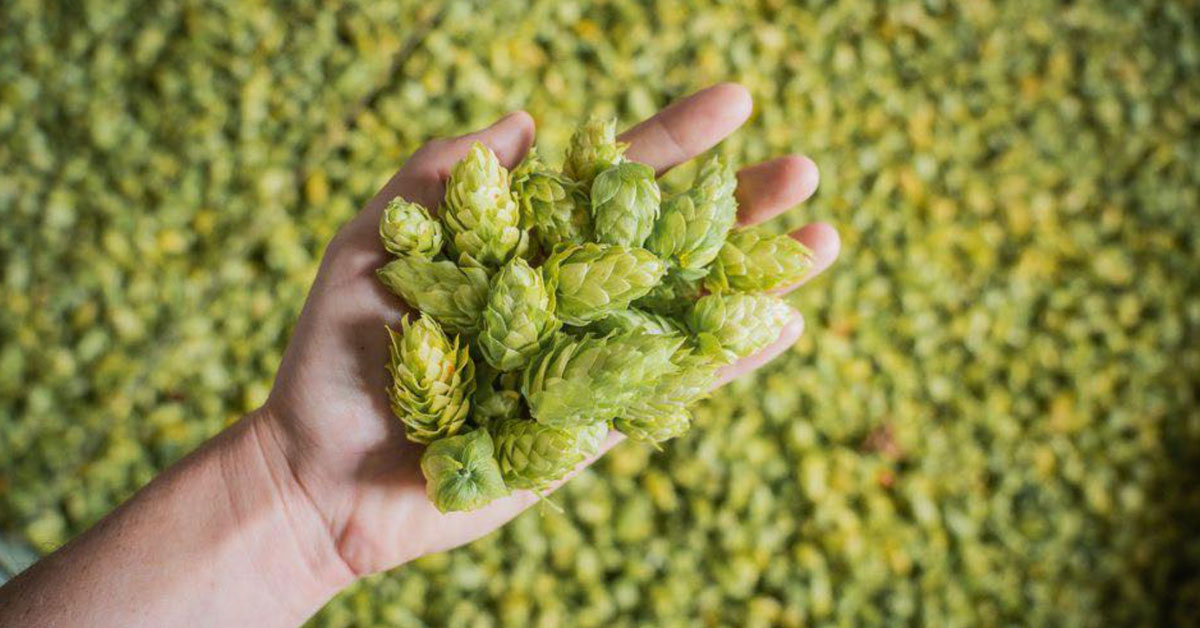
The country’s isolation serves as a natural biological shield. Unlike many other major hop-producing regions, New Zealand is free from several devastating hop diseases, such as downy mildew and powdery mildew. This lack of disease pressure has allowed New Zealand to become the world’s largest producer of organic hops. According to industry data, the country’s commitment to sustainable and low-intervention farming is a primary driver of its appeal to modern craft brewers.
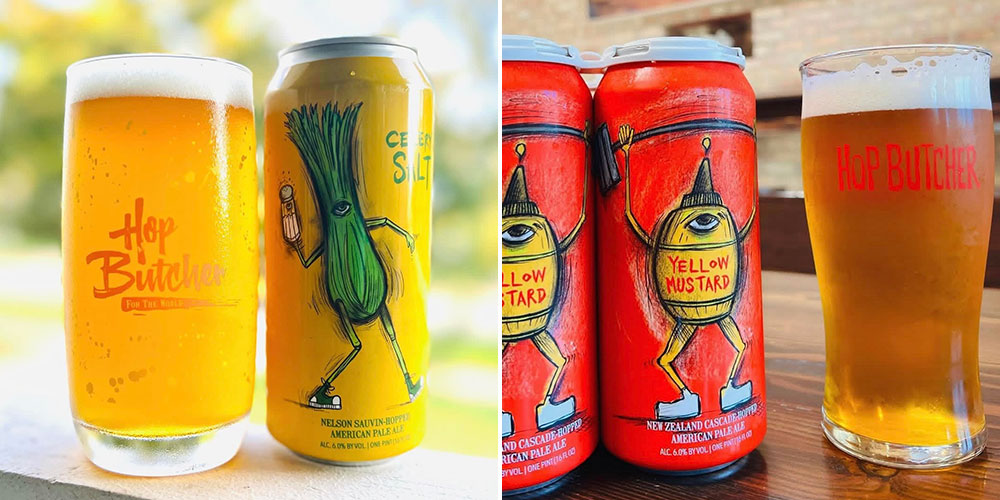
Jude La Rose, owner of the Chicago-based Hop Butcher for the World, notes that the New Zealand catalog offers a higher intensity of flavors that mirror the "cool-climate wine character" of the region. "They deliver on citrus, they deliver on tropical, and then they get into this cool-climate wine character," La Rose explains. This distinctive profile—often described as having notes of white grape, passionfruit, and fresh-cut grass—has made New Zealand cultivars some of the most sought-after ingredients in the global brewing market.
A Chronology of Innovation: From Nelson Sauvin to Nectaron
The rise of New Zealand hops in the American market can be traced through a specific timeline of cultivar releases and brewing milestones. While hops have been grown in New Zealand since the 19th century, the modern era began with the development of the triploid breeding program in the mid-20th century, which aimed to create seedless hops suited to the local climate.
The pivotal moment for the industry occurred in 2000 with the release of Nelson Sauvin. Named for the Nelson region and its striking aromatic similarity to Sauvignon Blanc grapes, this hop changed the trajectory of the India Pale Ale (IPA). It introduced a pungent, "diesel-like" fruitiness that was entirely distinct from the piney, resinous profiles of traditional American hops like Cascade or Centennial. The success of Alpine Beer Co.’s "Nelson" rye IPA in the mid-2000s served as a proof of concept, demonstrating that American consumers were hungry for the specific terroir of the Moutere Valley.
Following the success of Nelson Sauvin, the industry saw a steady rollout of high-impact cultivars. Motueka arrived with its signature "mojito lime" and candied fruit notes, followed by the elusive Riwaka, which is prized for its intense pink grapefruit and "dank" aromatics. More recently, the release of Nectaron in 2020 and subsequent varieties like Peacharine and Superdelic have continued to push the boundaries of what is possible in hop-forward brewing.
The Science of the Harvest: Lot Specificity and the Eggers Method
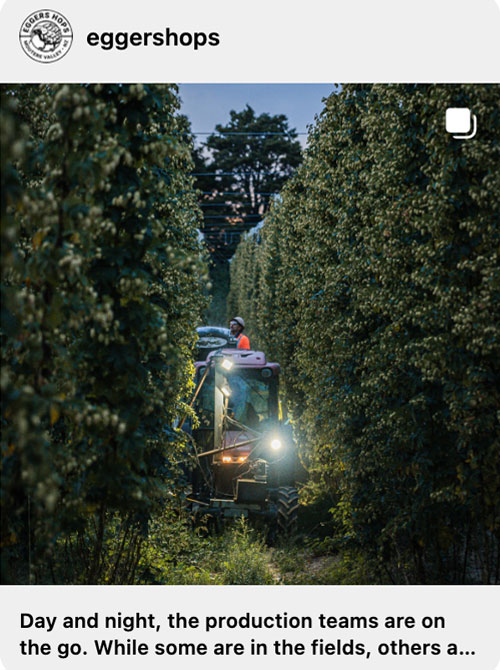
As the demand for New Zealand hops has grown, so too has the sophistication of the farming techniques used to produce them. Kem Eggers, a sixth-generation hop grower and owner of Eggers Hops in the upper Moutere Valley, has been at the forefront of applying winemaking principles to hop cultivation. Rather than treating hops as a homogenous commodity, Eggers focuses on "lot specificity"—segregating harvests based on the specific block of land and the exact date of the pick.
"It comes down to the harvest window and what can be done between early selection versus late selection," Eggers explains. In the past, hops were often blended to create a consistent, middle-of-the-road product. The Eggers method involves harvesting, kilning, and processing quickly into pellets without blending, allowing brewers to choose between the bright, zesty notes of an early-harvest hop or the deep, overripe intensity of a late-harvest selection.
This level of specificity has been a revelation for brewers like Adam Rosenthal of New York’s Wayward Lane Brewing. Rosenthal notes that late-harvest Riwaka pellets can sometimes appear yellow due to their extreme ripeness. "When you smell these, you think, ‘Intensity on a whole other level,’" he says. This granular approach to harvesting allows brewers to "dial in" their recipes with a precision previously reserved for master blenders in the wine world.
Sustainability and the Role of Low-Intervention Farming
The "taste of place" in New Zealand is also a product of the country’s unique agricultural practices. The use of sheep for defoliation is a common sight in New Zealand hop yards. The sheep graze on cover crops and defoliate the bases of the bines, which naturally manages pests and weeds while contributing to soil health through nutrient cycling. This reduces the need for mechanical mowers and chemical herbicides, further reinforcing the organic credentials of the crop.
Furthermore, New Zealand growers have pioneered the use of predatory mites to combat the two-spotted spider mite, a common hop pest. By introducing a second, predatory mite species, farmers can maintain ecological balance without resorting to synthetic pesticides. This commitment to low-intervention farming not only protects the environment but also ensures that the delicate essential oils and alpha acids within the hop cones remain untainted by chemical residues.
Technical Evolution: The Rise of Advanced Hop Products
The integration of New Zealand terroir into American brewing has coincided with a technological revolution in hop processing. While T-90 pellets remain the industry standard, brewers are increasingly turning to advanced hop products to maximize flavor saturation. These products, such as Cryo Hops, Hyperboost, and SubZero Hop Kief, involve cryogenically freezing the hop cones to isolate the lupulin—the yellow glands containing the essential oils and resins.
By removing the "vegetal" or "leafy" material of the hop, these extracts allow brewers to add massive amounts of flavor and aroma without the astringency or beer loss associated with traditional dry-hopping. The application of New Zealand cultivars to these concentrated formats has been a game-changer for the Hazy IPA category. Jude La Rose suggests that these products have "raised the bar" for the entire industry, forcing brewers to reconsider the limits of hop intensity.
Market Implications and the Future of Global Brewing
The economic impact of New Zealand’s hop industry is significant. While the country produces less than 2% of the world’s hops by volume, it commands a disproportionately high value due to the "premiumization" of its cultivars. For the New Zealand economy, hops represent a high-growth export sector, with the United States serving as the primary destination for these high-value aromatics.
However, the challenge remains one of education and accessibility. Kem Eggers believes that many American brewers have only scratched the surface of what New Zealand cultivars can offer. "Our challenge is to get more NZ hops in the U.S. craft beer scene and educate brewers and consumers," Eggers says.
As the craft beer market continues to face headwinds from changing consumer preferences and increased competition from spirits and RTD (ready-to-drink) cocktails, the focus on terroir provides a path forward. By emphasizing the agricultural roots and geographical specificity of their ingredients, craft brewers can differentiate their products through a narrative of quality and place.
The story of New Zealand hops is more than just a tale of new flavors; it is a testament to the maturation of the brewing industry. It represents a move away from the industrial and toward the artisanal, where the "taste of place" is just as important as the skill of the brewer. As growers like Eggers and brewers like La Rose and Rosenthal continue to collaborate, the line between the vineyard and the hop yard will continue to blur, forever changing the way the world experiences beer.