admin
admin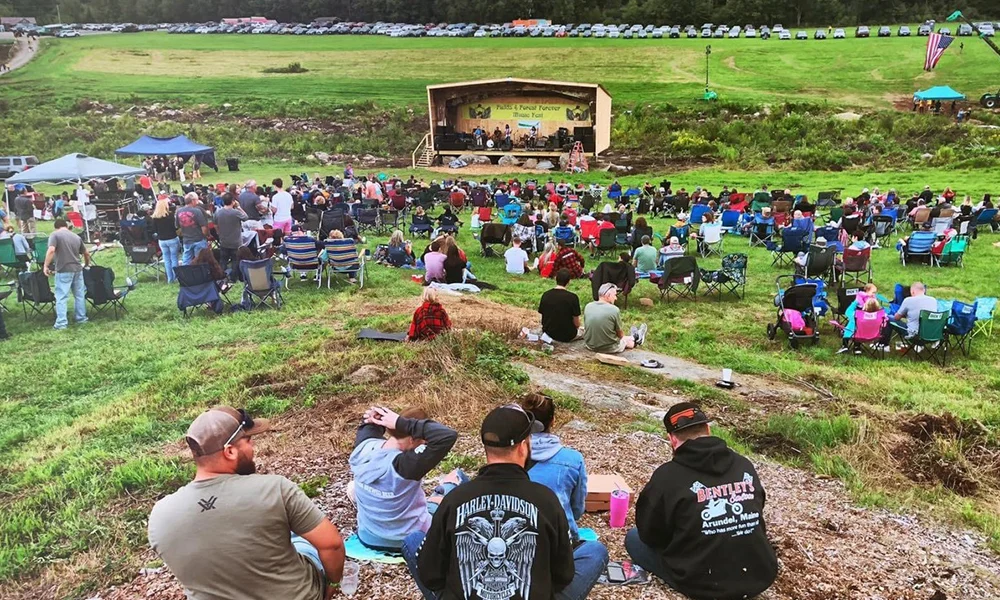
The American craft brewing industry is currently undergoing a structural transformation, moving beyond the traditional taproom model to become a primary pillar of the nation’s live music infrastructure. What once began as a modest pairing—a solo acoustic performer in the corner of a tasting room—has evolved into a sophisticated business strategy involving multi-million dollar investments in sound engineering, professional talent booking, and large-scale outdoor amphitheaters. This shift reflects a broader trend in the "experience economy," where consumers prioritize unique, community-focused environments over traditional retail or industrial bar settings. Leaders in this movement, such as Burial Beer Co. in North Carolina, Three Magnets Brewing in Washington, and Stone Cow Brewery in Massachusetts, are demonstrating that the synergy between technical brewing and creative performance is not merely aesthetic, but a vital component of modern hospitality and regional economic resilience.
The Evolution of the Brewery-Venue Model in Asheville
In Asheville, North Carolina, a city frequently cited as a global hub for craft beer, Burial Beer Co. has systematically integrated live music into its corporate identity since its inception in 2013. Founders Doug and Jess Reiser, along with Tim Gormley, viewed the brewery not just as a production facility, but as a cultural stage. This vision culminated in a multi-venue ecosystem that caters to different scales of musical performance.
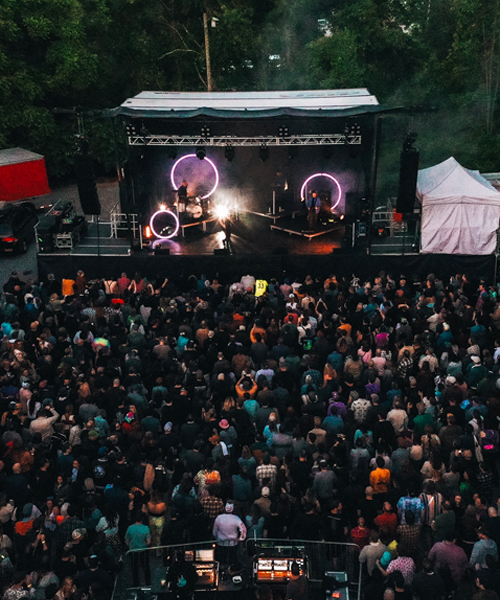
The timeline of Burial’s expansion illustrates a deliberate move toward professional venue management. After establishing an outdoor stage at their original South Slope location, the team opened Forestry Camp in 2019. This site, a historic former Civilian Conservation Corps camp, provided the acreage necessary for large-scale outdoor gatherings. By 2023, the brewery further solidified its commitment to the arts by opening Eulogy, a 400-seat indoor concert hall equipped with professional-grade acoustics.
This infrastructure has allowed Asheville to capture touring acts that previously bypassed the mountain city for larger markets like Charlotte or Nashville. In the 2024 season alone, Burial’s Forestry Camp hosted high-profile indie artists including Future Islands, The Black Angels, and Washed Out, with capacities reaching 2,200 attendees. According to Doug Reiser, the decision to host diverse genres—ranging from heavy metal and hip-hop to jazz and bluegrass—is a form of stewardship. He notes that the collaboration between brewers and musicians is experiential rather than technical, focusing on the "final drinking experience" and the emotional resonance of the performance.
Navigating the Intersection of Music and the Non-Alcoholic Market
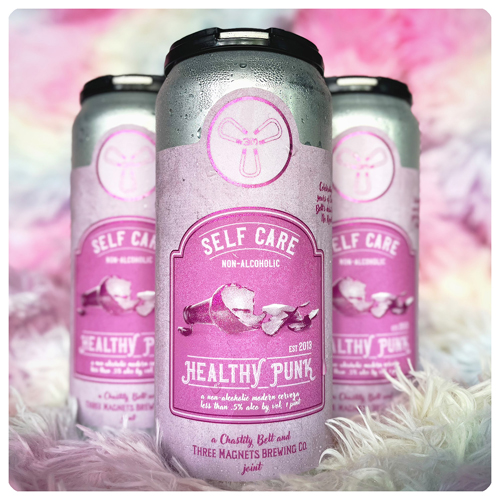
While Burial Beer Co. focuses on the traditional concert experience, Three Magnets Brewing in Olympia, Washington, is leveraging live music to redefine the non-alcoholic (NA) beer sector. Olympia has a storied history as a breeding ground for influential musical movements, including the riot grrrl and grunge scenes of the 1990s. Three Magnets has tapped into this heritage to market its "Self Care" line of NA beers.
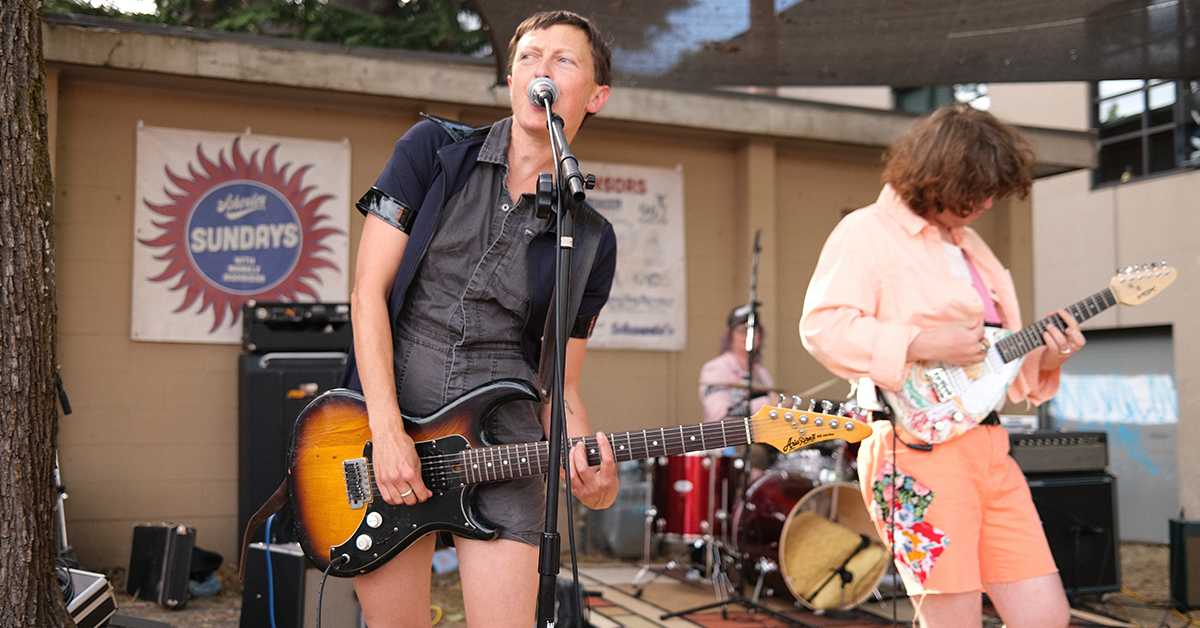
The brewery’s foray into serious music programming began in 2021 through a partnership with the local institution Rainy Day Records. This collaboration led to a performance by folk icon Michael Hurley, which served as the catalyst for the "Scherler Sundays" series. Named after their Scherler NA lager, the series offers free performances during the summer months, featuring cult favorites such as Lavender Country and Swamp Dogg.
The strategy employed by co-founder Nathan Reilly intentionally avoids the "lifestyle brand" tropes often associated with modern NA beverages. Instead, the brewery integrates itself into the music community through tangible artifacts and collaborations. This includes a 24-pack of beer featuring the work of legendary rock photographer Charles Peterson—known for his era-defining images of Nirvana—and collaboration brews with Ben Gibbard of Death Cab for Cutie and Doug Martsch of Built to Spill. By aligning with the non-profit SMASH (Seattle Musicians Access to Sustainable Healthcare), Three Magnets has positioned its NA offerings as a functional component of the music industry’s health and wellness initiatives.
Rural Revitalization and the Destination Brewery
In the rural landscape of Barre, Massachusetts, Stone Cow Brewery represents a third model: the destination farm-brewery. Situated on a 1,300-acre dairy farm, Stone Cow has utilized its natural topography to create a natural amphitheater with views of Mount Wachusett. Co-owner Sean DuBois has overseen the transition from small taproom sets to major regional festivals.
The brewery’s "Party on the Back Forty" and "Fields and Forest Forever" festivals have become significant economic drivers for a region characterized by its lack of urban infrastructure. Despite being located in an area where the six closest towns do not have a single stoplight, Stone Cow draws thousands of visitors from Boston and Worcester. The venue currently averages 1,000 attendees per show, with a projected growth to 2,000 for upcoming headline bluegrass and tribute acts.
This model highlights the role of breweries in preserving agricultural land through diversified revenue streams. By combining a playground for families, a working dairy farm, and a high-capacity music venue, Stone Cow has created a "third place"—a sociological term referring to social surroundings separate from the two usual social environments of home and the workplace.
Industry Data and the Economic Impact of Live Music
The shift toward high-level music programming is supported by broader industry data. According to the Brewers Association, the trade group representing small and independent U.S. craft brewers, taproom and "at-the-source" sales have become increasingly critical as the retail distribution market becomes more crowded.
- Revenue Diversification: Professional music venues allow breweries to charge ticket fees, increasing "per-head" revenue beyond beer sales.
- Extended Dwell Time: Data suggests that live entertainment increases the amount of time a customer spends at a venue, directly correlating with higher food and beverage consumption.
- Brand Loyalty: Breweries that curate specific musical identities (e.g., Burial’s focus on underground and "darker" aesthetics) build deeper emotional connections with their consumer base.
The investment in sound technology is a key indicator of this professionalization. Many breweries are now installing high-end systems (such as L-Acoustics or d&b audiotechnik) that meet the technical riders of national touring acts, a significant departure from the "plug-and-play" setups of the past.
Crisis, Resilience, and the Role of the "Third Place"
The importance of these venues as community anchors was starkly illustrated in late 2024. On September 27, the remnants of Hurricane Helene caused catastrophic flooding across western North Carolina, devastating Asheville’s infrastructure and resulting in significant loss of life. In the aftermath, Burial Beer Co. pivoted from a commercial enterprise to a crisis relief center, providing free meals and potable water to a community that was without basic services for weeks.
The impact of the storm forced the cancellation of the 12th annual Burnpile festival, a cornerstone event for the brewery. However, the scheduled return of the festival on October 4, 2025, is being viewed as a milestone in the city’s recovery. Reiser notes that the programming for the upcoming event will likely include elements that honor the community’s collective resilience.
This situation underscores the "Third Place" philosophy mentioned by Reiser. In times of crisis, these brewery-venues serve as essential gathering points where human connections are forged and maintained. The music provides the "ambiance" and "catalyst" for these connections, transforming a simple commercial transaction into a shared cultural experience.
Broader Implications for the Hospitality Industry
The success of the brewery-as-venue model suggests a permanent shift in how hospitality spaces are designed and managed. As consumers seek more than just a product, the integration of high-quality arts programming becomes a competitive necessity.
For the music industry, this trend provides a new circuit of mid-sized venues that often offer better amenities—such as high-quality food and craft beverages—than traditional "black box" clubs. For the brewing industry, it offers a way to remain relevant in a market where alcohol consumption patterns are changing, particularly among younger demographics who may prefer the social atmosphere of a concert over the act of drinking itself.
In conclusion, the intersection of science (brewing) and art (music) is no longer just a metaphor; it is a proven business model that supports local economies, fosters community resilience, and provides a platform for both established and emerging artists. Whether in the urban centers of Asheville, the musical heart of Olympia, or the rolling hills of rural Massachusetts, craft breweries are hitting a resonant note that extends far beyond the tap handle.