admin
admin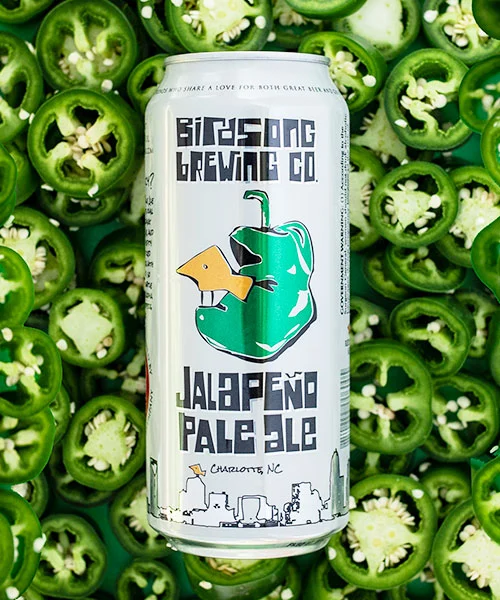
The American craft beer landscape, long dominated by the floral bitterness of India Pale Ales (IPAs) and the tart complexity of kettle sours, is witnessing a significant shift toward a more aggressive sensory experience: the chili beer. While beer has traditionally been viewed as a cooling agent for spicy cuisine—a role often attributed to its effervescence and lower alcohol content—a growing cohort of brewers is integrating heat directly into the brewing process. This trend represents a "maximalist" approach to brewing, where the objective is not merely to quench the palate but to challenge it. By utilizing fresh chiles, concentrated hot sauces, powdered peppers, and even wasabi, contemporary brewers are moving beyond the "gimmick" status of early spicy brews to create sophisticated, balanced, and food-friendly beverages that appeal to a demographic increasingly enamored with "heat culture."
The Evolution and Categorization of Chili Beers
The inclusion of peppers in beer is not a modern invention, but its refinement is a recent development. Historically, the Great American Beer Festival (GABF) and the Brewers Association have recognized "Chili Pepper Beer" as a distinct category, separate from "Herb and Spice Beer." According to the Brewers Association 2024 Style Guidelines, a chili beer is defined by the presence of chili pepper aroma, flavor, and heat, which should be balanced by the underlying beer style. This distinction is crucial for the industry; while "spiced" beers might include notes of cinnamon or nutmeg common in winter warmers, "spicy" beers focus on the capsaicin-driven heat and the vegetal characteristics of the Capsicum genus.
The chronology of this trend has followed the broader trajectory of the American palate. In the 1980s and 90s, early experiments like the Cave Creek Chili Beer—which featured a whole serrano pepper in every bottle—were often viewed as novelty items. However, the current era of spicy beer is defined by technical precision. Brewers are now experimenting with different stages of the brewing process to incorporate heat, including the mash, the boil, and the post-fermentation "dry-pepping" phase. This evolution aligns with the "Hot Ones" cultural phenomenon and the rise of the "chilihead" community, which seeks out increasingly high Scoville Heat Unit (SHU) experiences in all forms of consumption.
Technical Innovations in Spicy Brewing: Case Studies in Balance
The primary challenge in brewing with peppers is the management of capsaicin, the chemical compound responsible for the sensation of heat. Because capsaicin is more soluble in alcohol than in water, high-ABV beers can often amplify the burn to an uncomfortable degree. Consequently, many of the most successful spicy beers on the market today utilize lower-ABV bases—such as lagers, pilsners, and blonde ales—to provide a clean canvas for the pepper’s nuance.
The Michelada Influence: Grimm Artisanal Ales
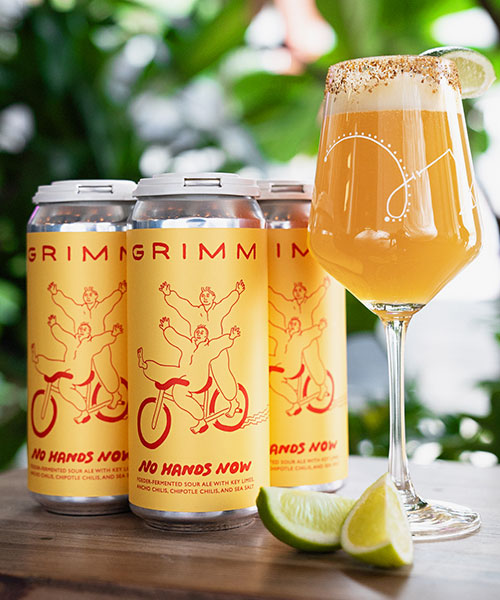
In Brooklyn, New York, Grimm Artisanal Ales has explored the intersection of traditional Mexican beverage culture and modern sour production. Founded in 2013 by Lauren and Joe Grimm, the brewery introduced "No Hands Now" in 2019. This low-ABV sour ale is fermented in an oak foeder, a large wooden vat that houses resident microbes. This process imparts a natural tartness and complexity that serves as a foundation for the addition of chipotle chiles, lime juice, and sea salt.
The use of chipotle—which is a smoke-dried jalapeño—introduces a smoky aroma and a woody depth that complements the oak-aged base. By dry-hopping the beer with Motueka hops, which possess a natural lime-like profile, Grimm achieves a flavor profile reminiscent of a Michelada without the heavy tomato base. This approach demonstrates a "flex" of restraint, where the heat is used as a structural component rather than a primary flavor.
Scaling Seasonality: Birdsong Brewing Co.
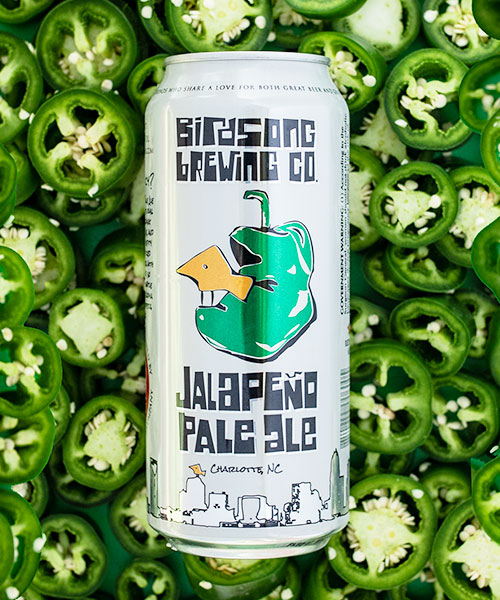
In Charlotte, North Carolina, Birdsong Brewing Co. has demonstrated how to manage the logistics of fresh pepper integration at scale. Their Jalapeño Pale Ale, first developed in 2010, was the result of a deliberate choice to use an American Pale Ale (APA) base rather than an IPA. The brewery’s leadership, including Tara and Chris Goulet, found that the malty backbone of an APA provided a necessary counterweight to the sharp heat of fresh peppers.
The production of this beer is intrinsically tied to the North Carolina agricultural calendar. Between June and November, the brewery sources hundreds of pounds of local jalapeños. In 2024 alone, the brewery processed 400 pounds of peppers. A key technical discovery for the Birdsong team was that "contact time"—how long the peppers remain in the liquid—is more critical for flavor consistency than the sheer volume of peppers. By removing the seeds, which contain the highest concentration of capsaicin, the brewery produces a beer that emphasizes the crisp, vegetal aroma of the pepper over a punishing burn.
Regional Identity and the Heritage of the Hatch Chile
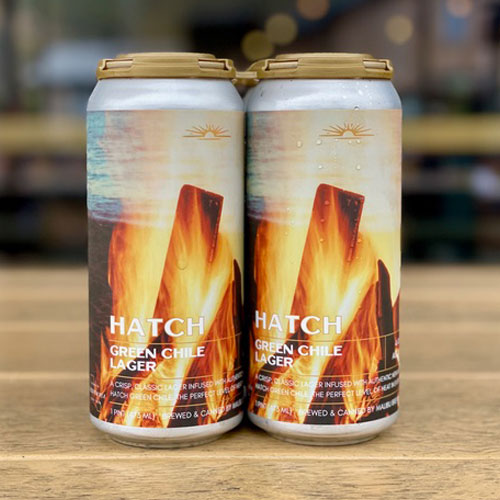
In the Western United States, spicy beer often serves as a vehicle for regional pride. Malibu Brewing in California has found success with its Hatch Chile Lager, a beer that pays homage to the New Mexico Hatch green chile. The Hatch pepper is a "sacred treasure" in Southwestern cuisine, known for its earthy, savory profile and mild-to-medium heat.
The development of the Hatch Chile Lager began as a personal project for owners Jill and Ryan Ahrens in 2022. The beer uses a Mexican-style lager (Sand & Sea) as its base, which is then infused with freshly roasted and peeled Hatch chiles. This beer’s success was validated at the Brewers Cup of California, where it secured a gold medal in the Chili Beer category. The victory highlighted the beer’s ability to maintain a savory, vegetal character that enhances food pairings, particularly corn-based dishes and Tex-Mex cuisine, without overwhelming the drinker’s palate.
The Chemistry of Extreme Heat: Habaneros and Beyond
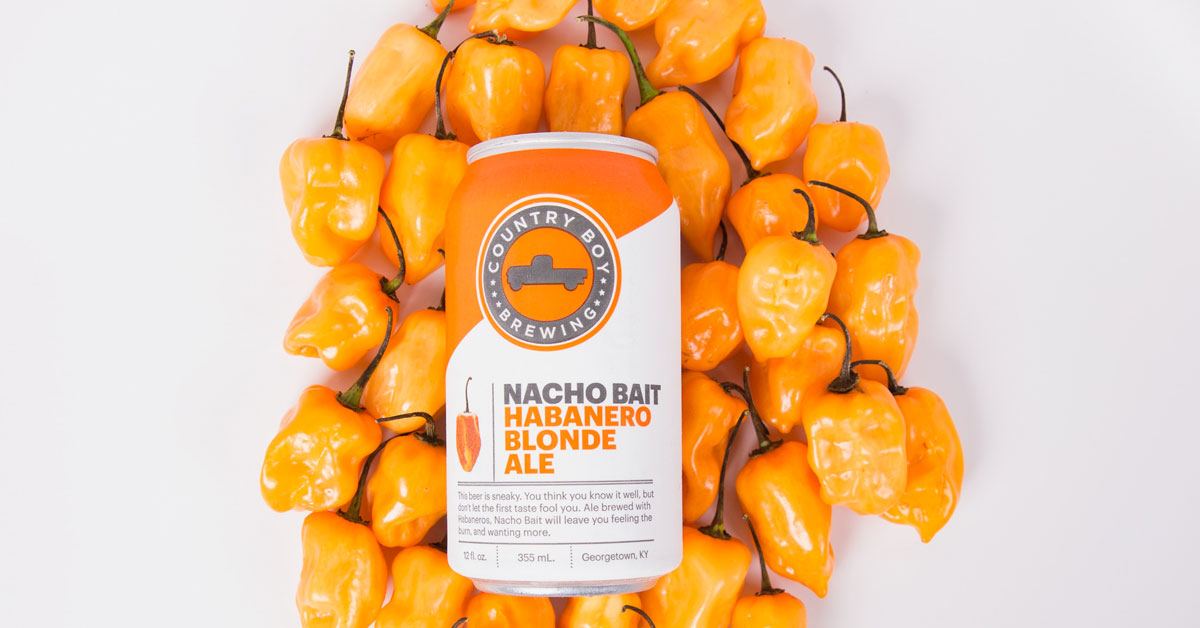
While many breweries aim for mild-to-moderate heat, others have embraced the "slow burn" of more potent peppers. Country Boy Brewing in Lexington, Kentucky, produces "Nacho Bait," a habanero-infused blonde ale. Habaneros are significantly higher on the Scoville scale than jalapeños, typically ranging from 100,000 to 350,000 SHU.
The brewery’s history with the beer includes a notable workplace safety anecdote from 2013, when a plumber accidentally came into contact with habanero residue, illustrating the sheer potency of the raw ingredients. To balance this intensity, Country Boy Brewing utilizes the natural stone-fruit notes of the habanero—which often tastes of peach or mango—to create a "sweet heat" profile. Interestingly, the brewery notes that the spice level of the beer fluctuates seasonally; homegrown summer peppers tend to be significantly hotter than store-bought winter varieties, a variable that craft brewers must navigate to maintain a semi-consistent product.
Similarly, Bell’s Brewery in Michigan has seen "cult status" develop around its Mango Habanero Oberon. By adding fresh mango puree and habanero powder to their signature wheat ale, Bell’s targets the "sweet-spicy" trend that has dominated the snack food and condiment industries. This beer has become a highly sought-after seasonal release, illustrating that even large-scale regional breweries (Bell’s was the sixth-largest craft brewery in the U.S. prior to its acquisition by Lion/Kirin) see immense value in the spicy beer sub-segment.
Market Analysis: The "Hot Ones" Effect and Consumer Demographics
The growth of spicy beer can be attributed to several broader market trends. First, the "diversification of the taproom" has led breweries to seek out flavors that appeal to non-traditional beer drinkers. Spicy beers often bridge the gap between craft beer and the culinary world, appealing to foodies and "heat seekers" who may find standard beer profiles unexciting.
Second, the "extreme challenge" culture of social media has provided a marketing platform for ultra-hot beers. Establishments like Maltese Brewing Co. in Virginia and Burning Barrel Brewing Co. in California have created "challenges" involving beers brewed with the Carolina Reaper—currently one of the world’s hottest peppers. These events generate significant social media engagement and foot traffic, positioning the brewery as a destination for experiential consumption.
Data from the craft brewing industry suggests that as the market for IPAs reaches a point of saturation, "innovation flavors" (which include spicy, salty, and botanical profiles) are seeing increased shelf space. These beers offer a rebuttal to the perceived "sweetness" of many modern hazy IPAs and fruit-forward sours, providing a savory alternative that functions as a palate cleanser.
Broader Implications for the Brewing Industry
The rise of spicy beer suggests a future where "flavor intensity" is no longer synonymous solely with "hop bitterness." The successful integration of chiles requires a deep understanding of both chemistry and culinary arts. Brewers must account for the volatility of capsaicin, the impact of acidity on heat perception, and the shelf-life of vegetal flavors, which can sometimes degrade faster than traditional hop oils.
Furthermore, the trend highlights the importance of local agriculture in craft brewing. From the jalapeño farms of North Carolina to the Hatch pepper fields of New Mexico, spicy beers create a direct link between the brewery and the farm, reinforcing the "craft" identity of the product.
In conclusion, spicy beer has evolved from a niche curiosity into a legitimate and respected category within the American brewing tradition. Whether it is a subtle, lime-infused Michelada style or a throat-tingling habanero blonde ale, these brews represent a sophisticated intersection of heat, balance, and regional identity. As the American palate continues to evolve toward bolder, more complex flavors, the "beer that bites back" is likely to remain a permanent fixture on taproom menus across the country. For the consumer, it offers a radical alternative to predictability; for the brewer, it remains the ultimate test of restraint and technical skill.