admin
As the primary growing season draws to a close, agricultural experts and horticulturists emphasize that the conclusion of the harvest marks the beginning of the critical soil-building season. Throughout the spring and summer, garden plants engage in a symbiotic relationship with soil microbes to extract essential nutrients, a process that naturally depletes the soil’s organic matter and mineral reserves. Without proactive intervention during the autumn months, unprotected garden beds face significant risks from erosion, topsoil loss, and structural compaction. These environmental stressors reduce water infiltration and drainage, potentially rendering once-productive land infertile for subsequent seasons.
Horticulturist Peggy Riccio, a prominent garden communicator at Pegplant.com, notes that "nature abhors a vacuum," suggesting that if gardeners do not actively manage their soil during the off-season, opportunistic weeds and erosion will fill the void. To mitigate these risks, a comprehensive strategy involving sanitation, structural management, and biological enrichment is required to restore the land’s vitality before the next planting cycle.
The Chronology of Autumn Soil Management
The transition from a productive summer garden to a resilient winter landscape follows a specific timeline. Effective soil management begins in late September and extends through the first hard frost, typically concluding in early December in temperate climates.

Phase I: Sanitation and Pathogen Mitigation
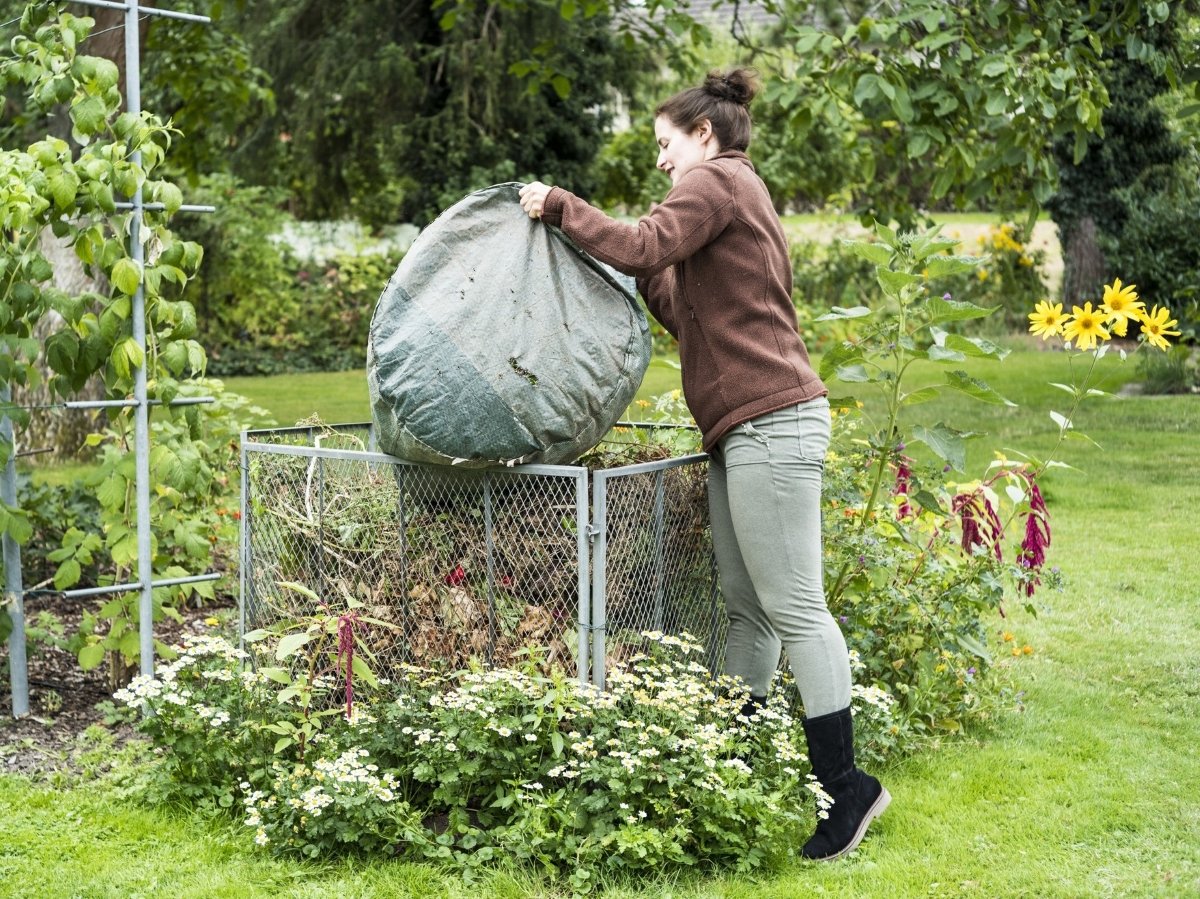
The initial step in the autumn cycle involves the thorough removal of spent plant material. While the instinct of some gardeners is to allow dead plants to decompose in situ, experts warn that this practice can harbor disease-causing pathogens and pests. By removing vegetable debris before the first frost, gardeners interrupt the life cycles of insects and fungi that would otherwise overwinter in the soil.
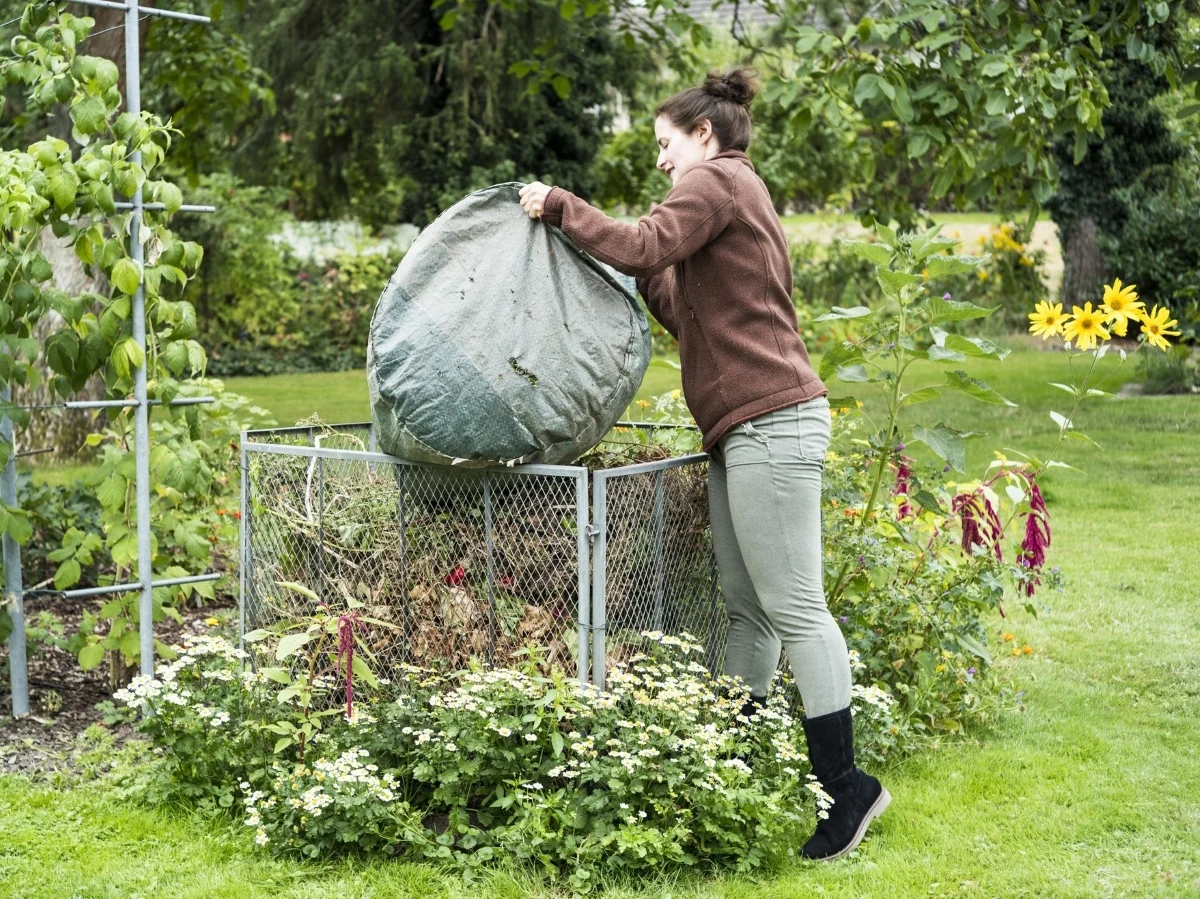
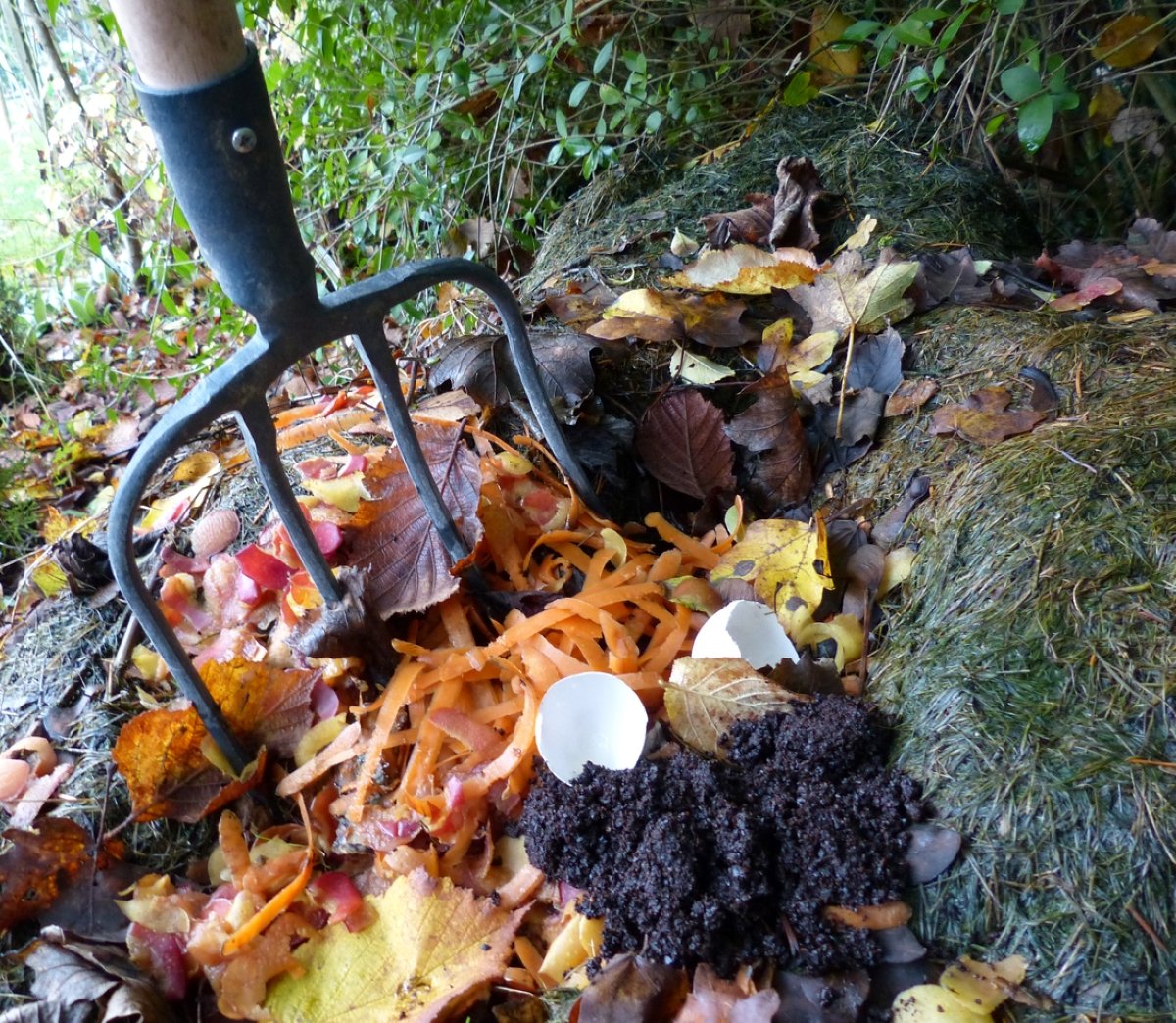
Healthy plant material should be transitioned to a managed compost system. The composting process generates internal heat—often reaching temperatures between 130 and 160 degrees Fahrenheit—which is sufficient to neutralize most weed seeds and pathogens. This transforms potential waste into a nutrient-dense soil amendment that improves soil structure and water retention.
Phase II: Structural Assessment and Aeration
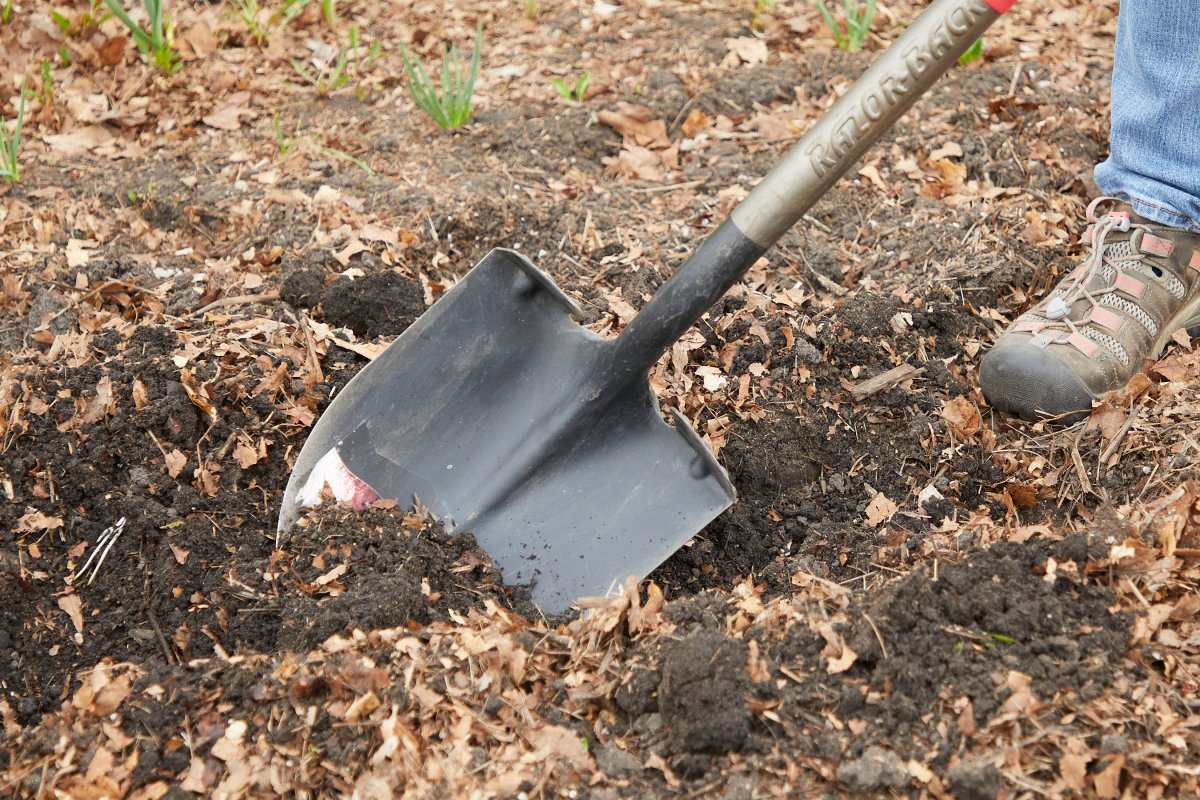
Once the beds are cleared, the focus shifts to the physical state of the soil. Tilling, once a standard practice, is now viewed with nuance by soil scientists. For established beds, excessive tilling can destroy the delicate network of fungal mycelium and bring dormant weed seeds to the surface. However, for new garden plots or areas with high foot traffic, tilling to a depth of 8 to 10 inches is necessary to alleviate compaction and prepare the earth for future root penetration.
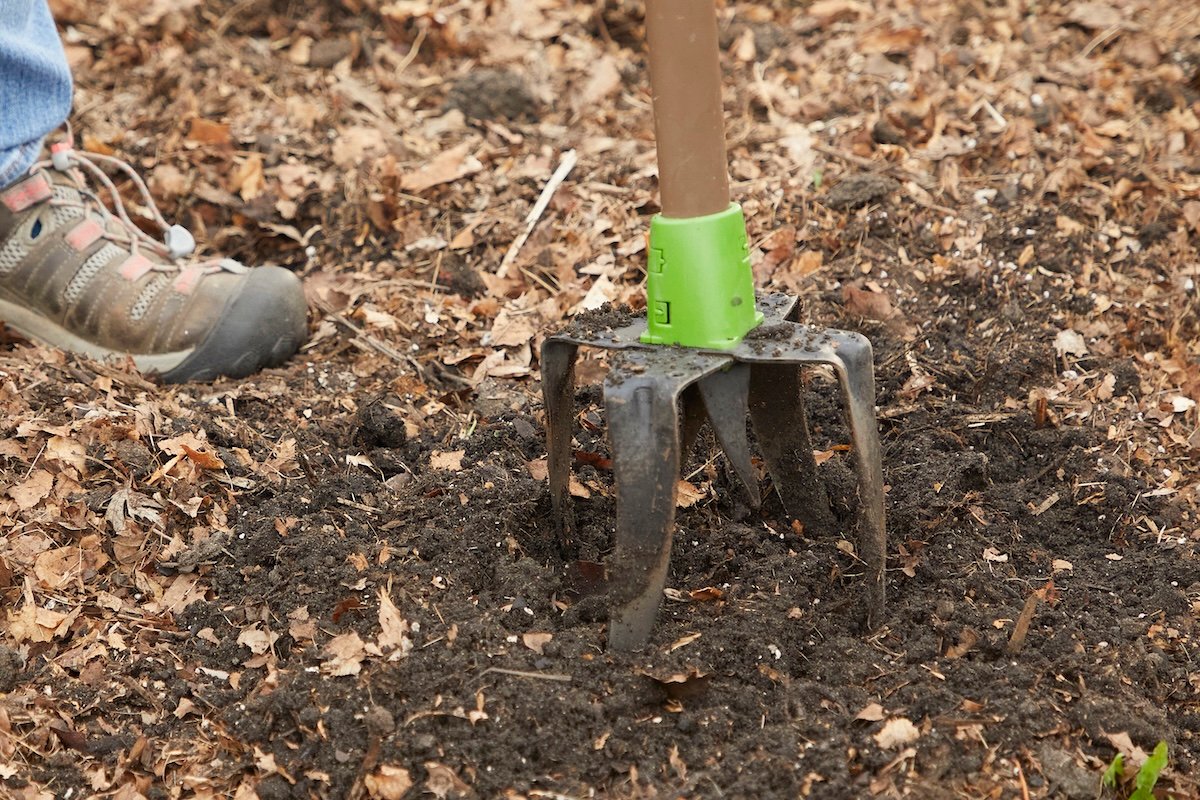
In established gardens, aeration is preferred over tilling. Utilizing a broadfork or shovel to gently pierce the soil surface allows oxygen and organic matter to permeate the root zone without flipping the soil profile. This "no-dig" or "low-till" approach preserves the existing microbial ecosystem while preparing the ground for amendments.
Biological Stabilization Through Cover Cropping
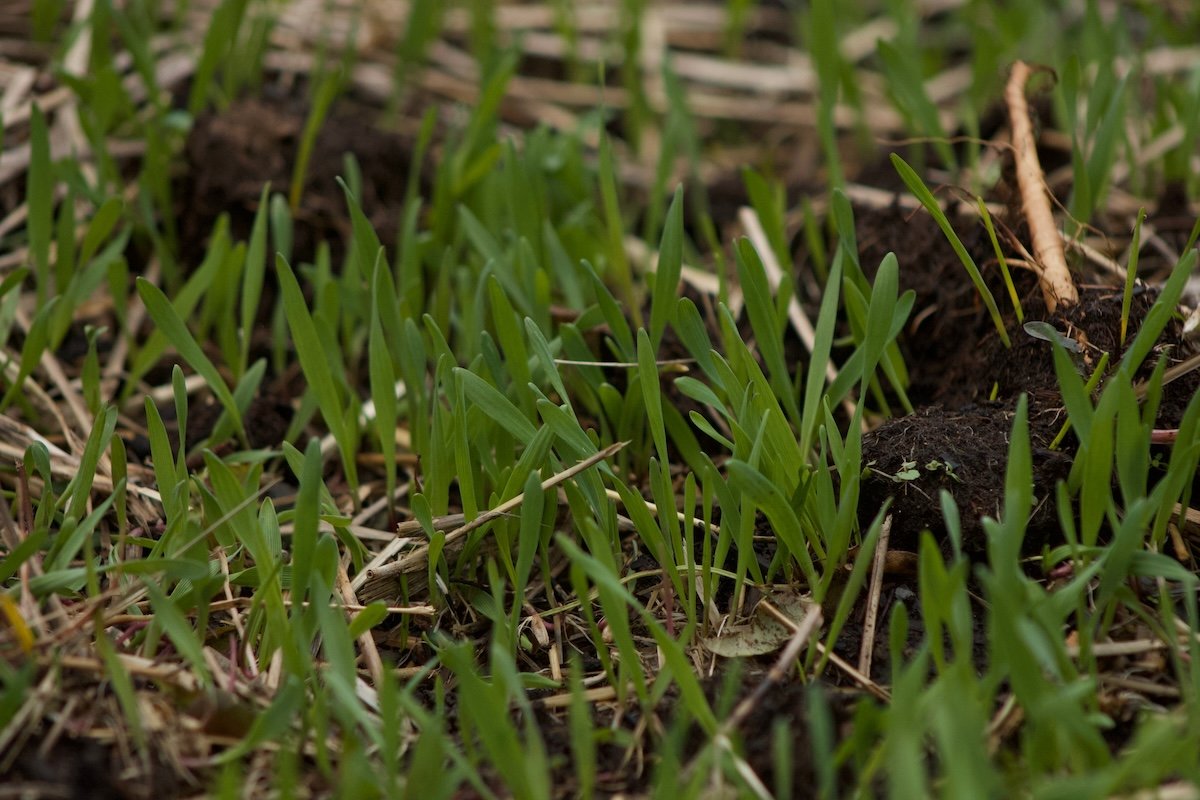
One of the most effective methods for preserving soil integrity is the use of cover crops, often referred to as "green manure." Rather than leaving the soil bare and vulnerable to winter winds and heavy rains, gardeners plant specific species like winter rye, hairy vetch, or crimson clover.
Supporting Data on Soil Erosion
According to data from the United States Department of Agriculture (USDA), bare soil can lose significant amounts of topsoil to wind and water erosion annually. In contrast, cover crops provide a living "armor" for the soil. Leguminous cover crops, such as winter peas, offer the added benefit of nitrogen fixation. Through a symbiotic relationship with Rhizobium bacteria, these plants pull nitrogen from the atmosphere and store it in root nodules, providing a natural fertilizer source for the following year’s crops.
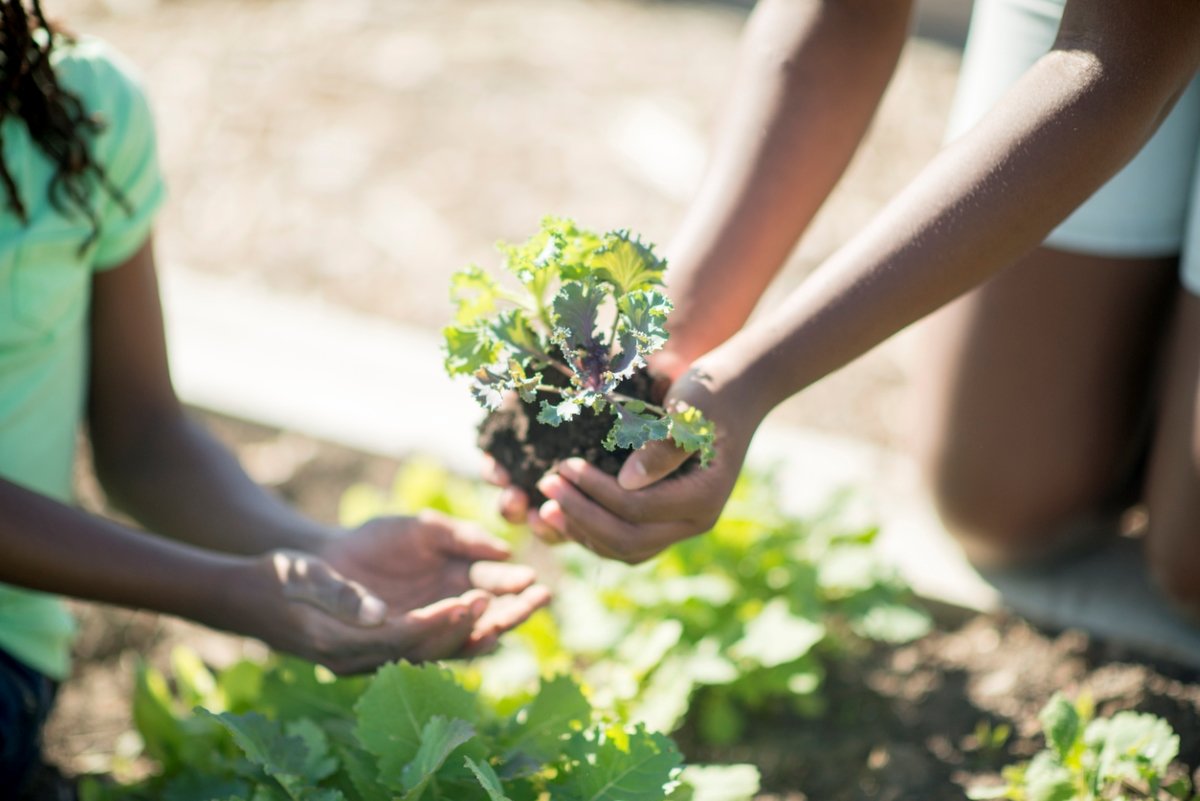
Peggy Riccio recommends consulting local cooperative extension agents to identify the best cover crops for specific regional climates. In addition to cover crops, planting cool-season vegetables like spinach or kale can serve a dual purpose: providing a late-season harvest while maintaining the biological activity of the soil.
Nutrient Cycling and Organic Amendments
The autumn months provide a unique window for the application of slow-release organic fertilizers and amendments. Because microbial activity slows in colder temperatures, amendments applied in the fall have several months to break down and become bioavailable by spring.
The Role of Carbon: Leaf Recycling
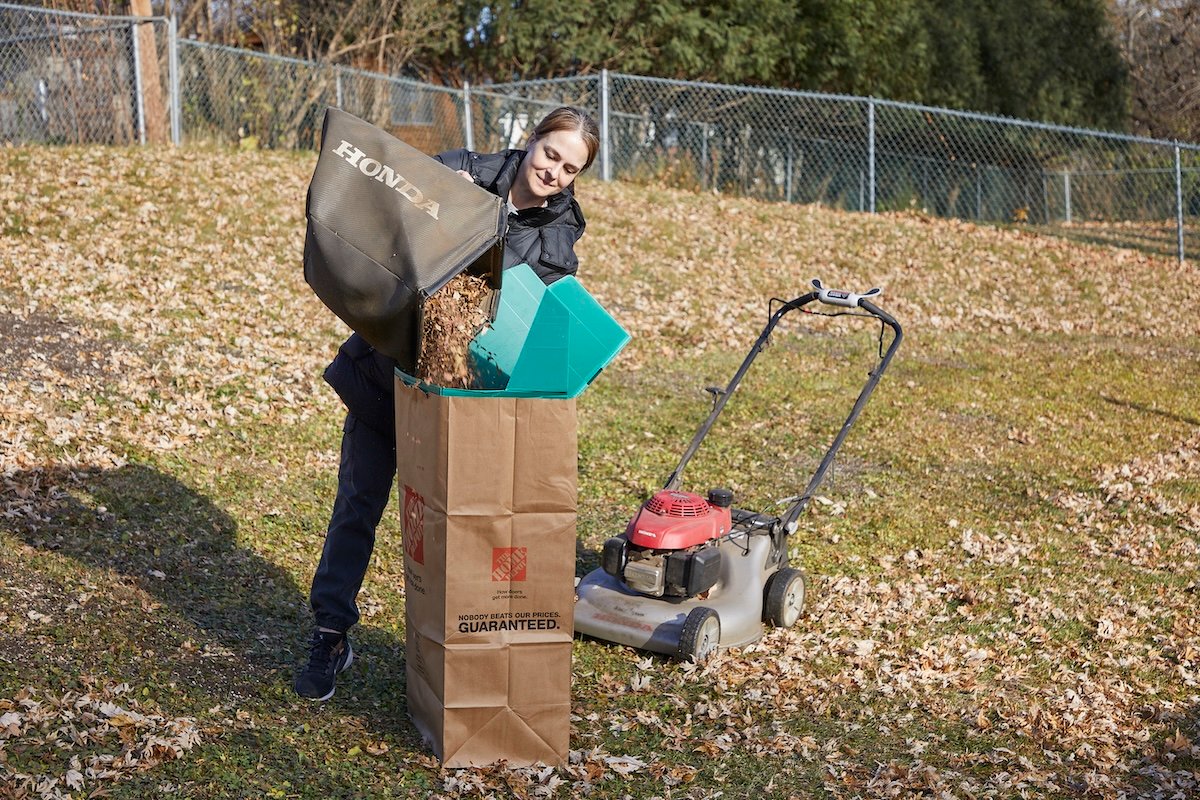
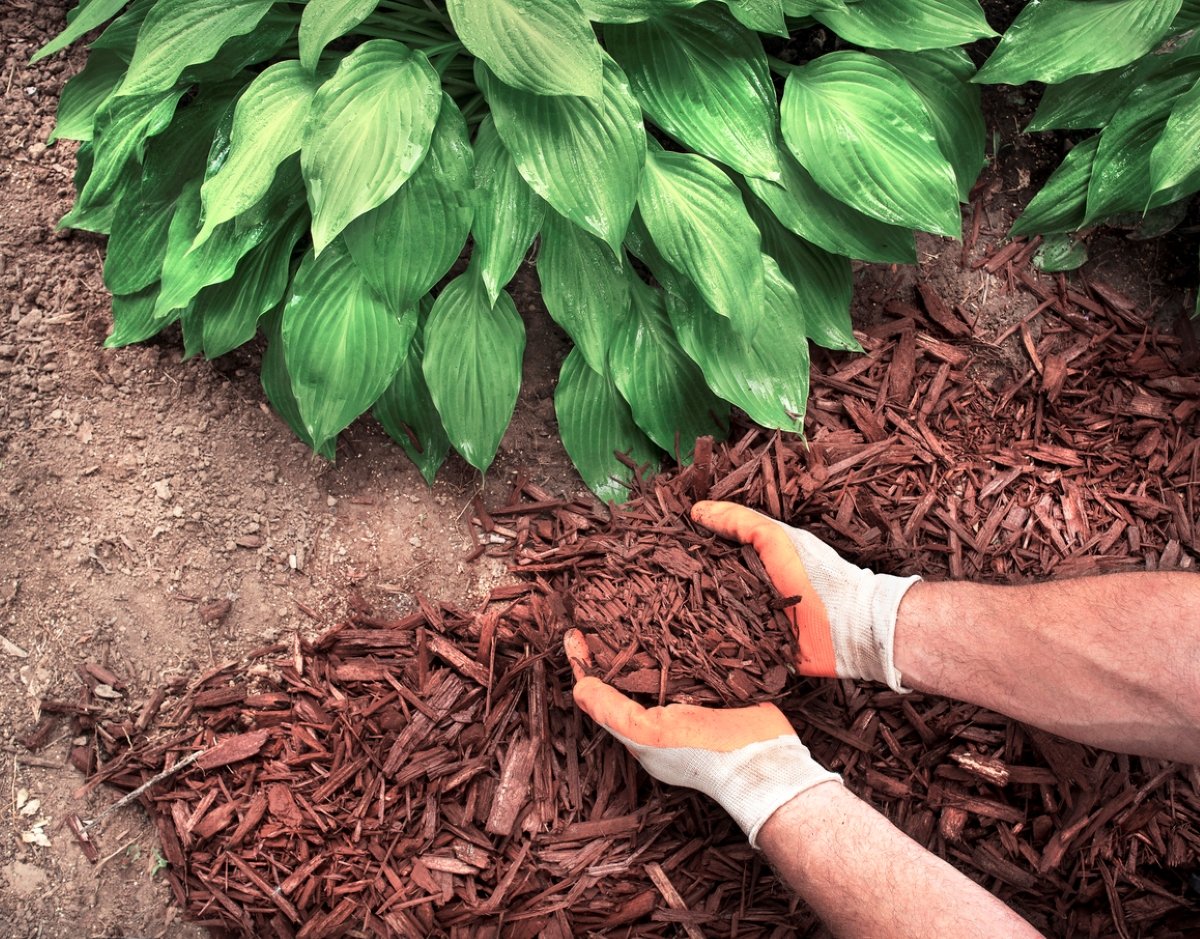
Fallen leaves represent a massive influx of carbon and trace minerals. When shredded by a mulching mower, these leaves become an ideal food source for earthworms and beneficial bacteria. A 3-inch layer of mulched leaves can suppress winter weeds and insulate the soil against extreme temperature fluctuations. Research indicates that increasing organic matter by just 1 percent can increase the soil’s water-holding capacity by up to 20,000 gallons per acre.
Manure and Chemical Balancing
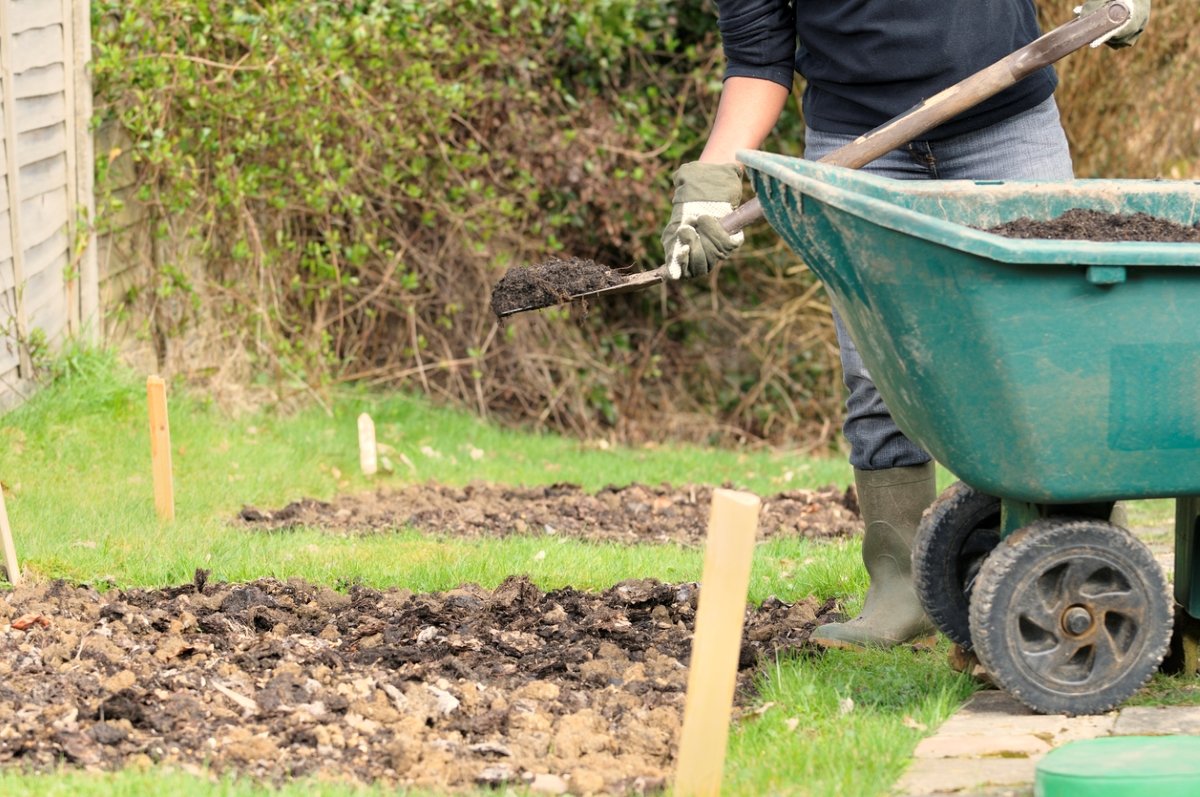
Fall is also the safest time to apply animal manures. Fresh manure, particularly from poultry or horses, contains high levels of ammonia and potential pathogens like E. coli. Applying these materials in the late fall allows at least six months for leaching and aging, ensuring that the nutrients are stabilized and the risk of "burning" young spring seedlings is eliminated.
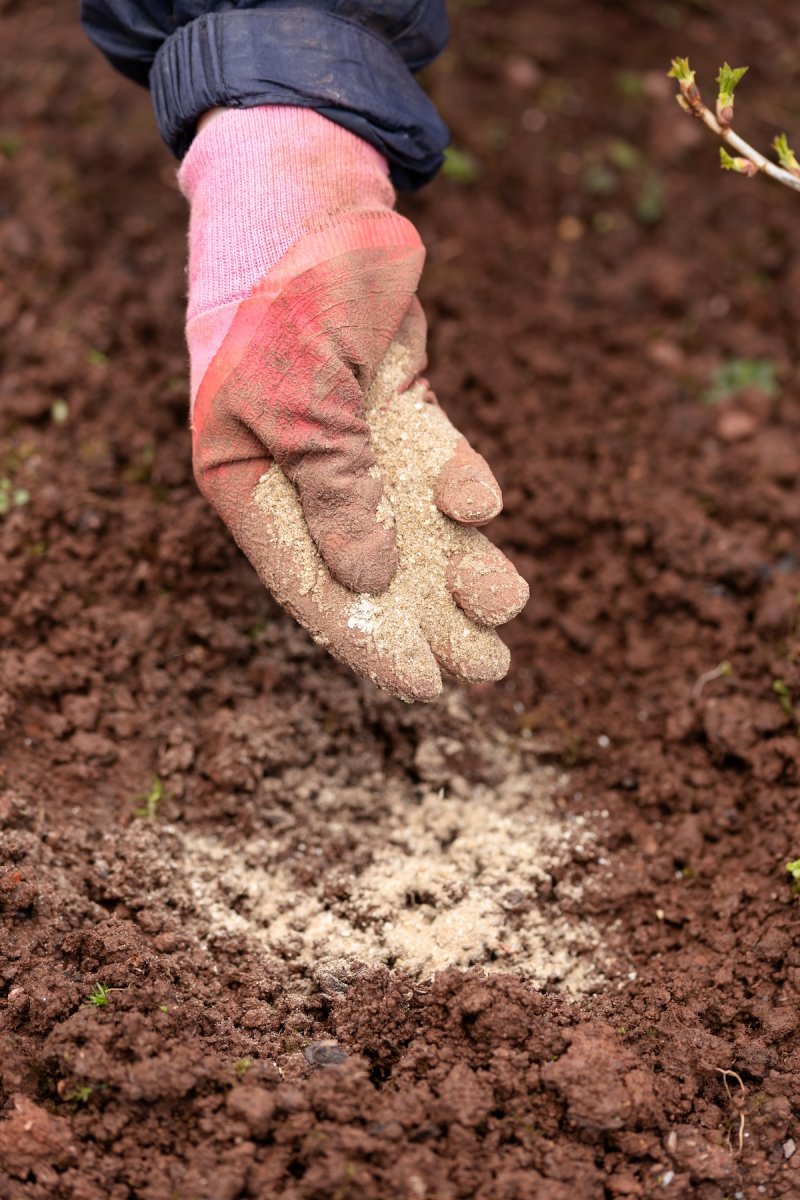
For gardeners dealing with pH imbalances, autumn is the optimal time for correction. Adjusting soil pH is a slow chemical process. If a soil test indicates high acidity, the application of lime in the fall provides the necessary time for the calcium carbonate to react with the soil. Conversely, elemental sulfur can be applied to lower the pH for acid-loving plants like blueberries or certain hydrangea varieties.
Advanced Permaculture Techniques: Hugelkultur and Lasagna Gardening
Innovative gardening methodologies such as Hugelkultur and "lasagna" gardening (sheet mulching) are particularly well-suited for fall implementation. These methods utilize the winter months to facilitate the decomposition of bulky organic materials.
Hugelkultur Implementation
Hugelkultur involves creating raised beds by layering rotting wood, branches, and plant debris. Over the winter, the wood acts as a sponge, retaining moisture and slowly releasing nutrients as it decays. Starting these beds in the fall allows the materials to settle and begin the decomposition process, creating a self-sustaining ecosystem that requires less irrigation and fertilization in the years to follow.
Sheet Mulching (Lasagna Gardening)
Lasagna gardening is a no-dig method that involves layering cardboard over existing grass or weeds, followed by alternating layers of "green" organic matter (kitchen scraps, grass clippings) and "brown" matter (straw, shredded leaves). The cardboard serves to smother weeds while attracting earthworms, which tunnel through the layers and incorporate the organic matter into the soil. By spring, the layers have largely decomposed into a rich, friable planting medium.
Arboriculture and Perennial Care
Autumn maintenance extends beyond the vegetable plot to include fruit trees and perennial shrubs. Perennial crops like asparagus and rhubarb require a heavy application of compost in the fall to replenish the energy stores used during their productive season.
Dormant Sprays and Pest Management
Fruit trees benefit from the application of dormant sprays in late fall. Horticultural oils and copper-based fungicides are used to smother overwintering insects and control fungal diseases like peach leaf curl or apple scab. These treatments are most effective when applied during the tree’s dormant period, preventing the outbreak of pests and diseases that can devastate spring blossoms.
Broader Environmental Impact and Strategic Planning
The shift toward proactive fall gardening has implications that extend beyond individual yields. On a broader scale, these practices contribute to carbon sequestration, helping to mitigate climate change by locking carbon into the soil rather than releasing it into the atmosphere. Furthermore, reducing the reliance on synthetic, fast-release fertilizers in favor of fall organic amendments reduces the risk of nutrient runoff into local waterways.
Strategic planning is the final component of a successful fall regimen. Experts suggest that gardeners take the time in November to map their garden layouts, noting the successes and failures of the previous year. This documentation is vital for crop rotation—a practice that prevents the buildup of species-specific pests and ensures that different nutrient demands are balanced across the garden over time.
In conclusion, the activities performed in the garden between the first frost and the deep freeze of winter are among the most important in the agricultural calendar. By viewing the soil as a living system that requires rest, protection, and replenishment, gardeners can ensure long-term productivity and environmental sustainability. Through the integration of traditional wisdom and modern soil science, the "soil-building season" becomes the foundation for all future harvests.