admin
The Landscape of Emergency Preparedness and Retail Timing
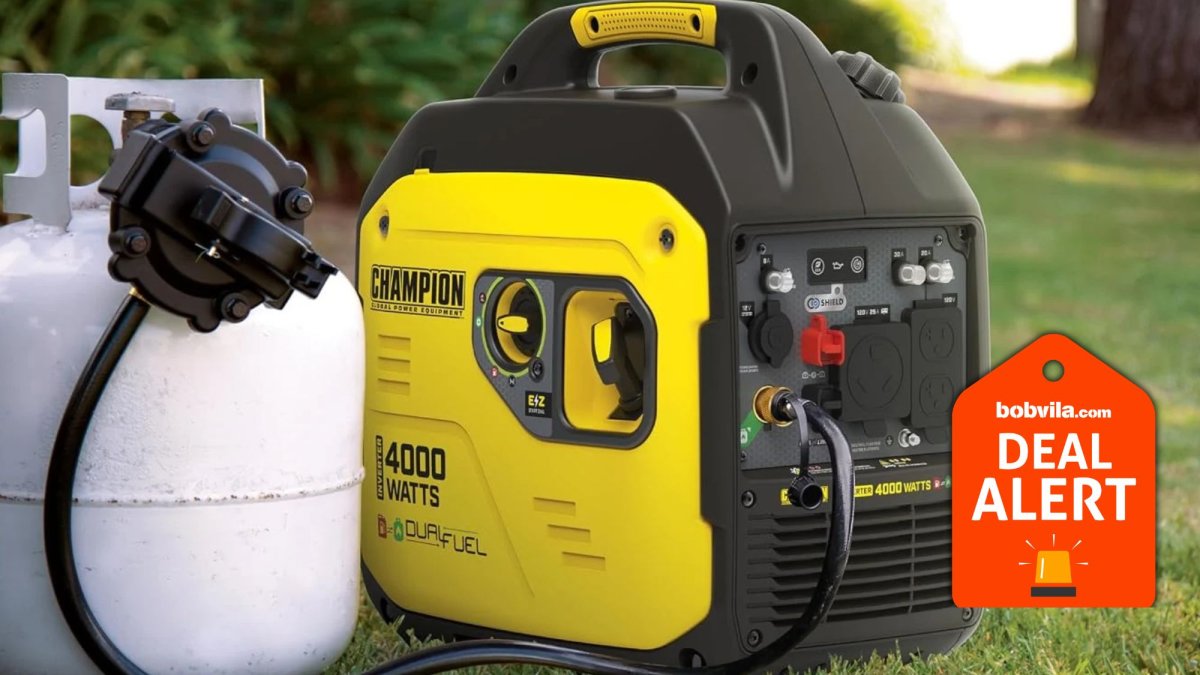
The timing of this clearance event is significant. Historically, the transition from late autumn to early winter represents a peak period for generator sales. However, by offering deep discounts now, major retailers like Amazon are positioning themselves to capture the market before the most severe winter weather traps consumers in a state of emergency where demand often outstrips supply. Among the most notable offers is the Champion 4000W Dual Fuel Inverter Generator, currently priced at $719, representing a $180 reduction from its standard $899 MSRP.
The primary driver for these purchases is the increasing cost of power outages. For the average American household, a prolonged blackout during sub-freezing temperatures is not merely an inconvenience; it represents a threat to food security due to refrigeration failure and a risk to property infrastructure, such as frozen pipes. Furthermore, as remote work remains a staple of the modern economy, the loss of power translates directly to a loss of productivity and income, making the ROI of a portable generator more apparent than in previous decades.
Technical Analysis of Featured Models
The current sale highlights a diverse range of technology, from compact inverter units to heavy-duty tri-fuel systems. Understanding the technical distinctions between these models is essential for consumers looking to match a device to their specific needs.
Champion 4000W Dual Fuel Inverter Generator
The Champion model at the center of this sale is a dual-fuel unit, capable of operating on both gasoline and propane. Inverter technology is a key feature here; unlike traditional "open-frame" generators, inverters produce "clean" power with low total harmonic distortion (THD). This is vital for powering sensitive electronics such as laptops, smartphones, and modern HVAC controllers that can be damaged by the "dirty" power produced by standard generators. The dual-fuel capability provides an added layer of security; if gasoline pumps are inoperable during a widespread outage, propane—which has a much longer shelf life and is easier to store—serves as a reliable alternative.
Westinghouse 4650W Portable Generator
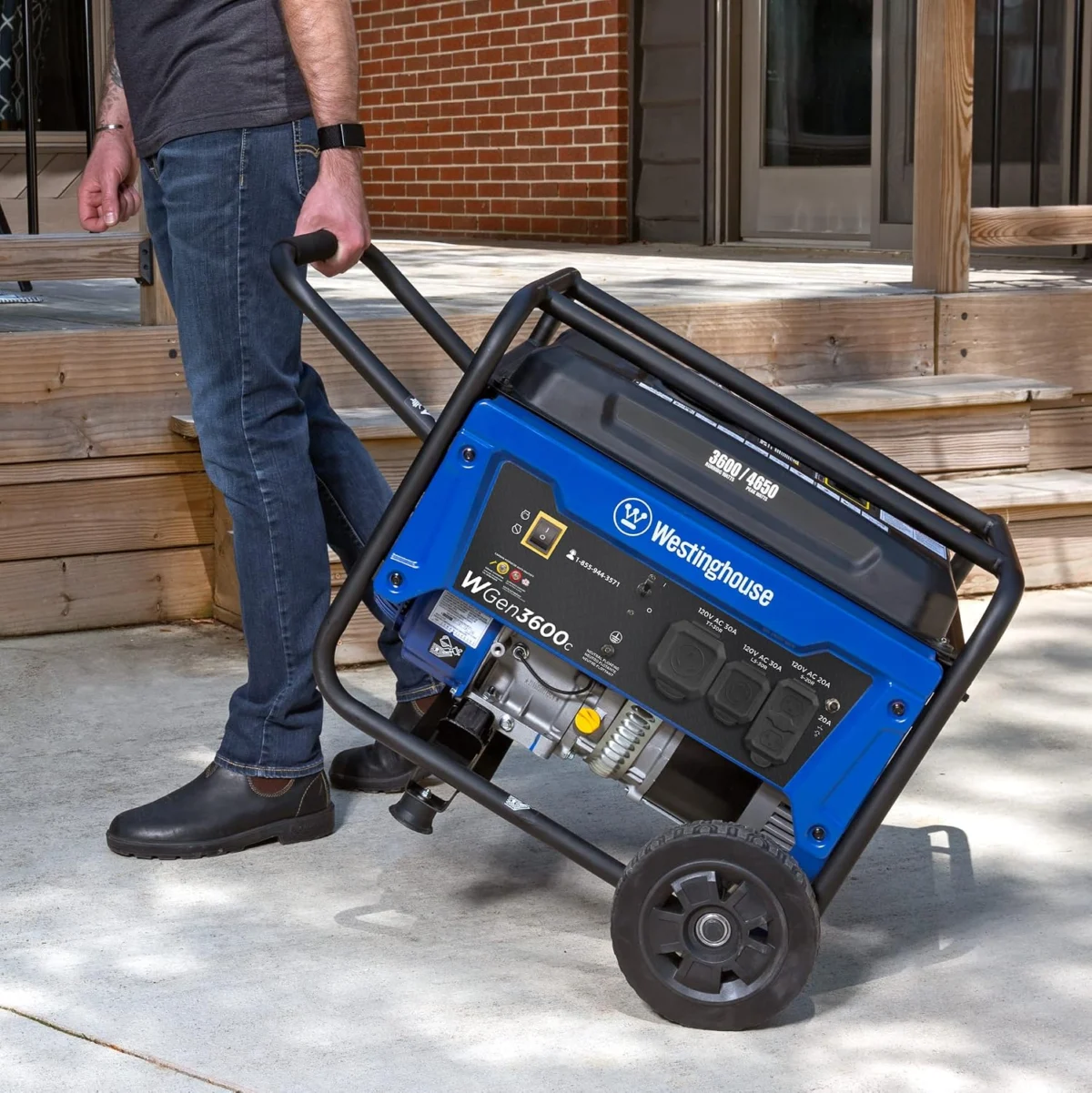
For those requiring a balance between affordability and output, the Westinghouse 4650W model offers a robust solution. Delivering 3,600 running watts, this unit is designed to handle mid-sized loads, such as a refrigerator, a sump pump, and basic lighting. It features an integrated fuel gauge on its 4-gallon tank and includes an automatic low-oil shutdown—a critical safety feature that prevents engine seizure.
DuroMax 13,000W Tri-Fuel Generator
At the higher end of the spectrum, the DuroMax 13,000W unit offers a "tri-fuel" configuration, allowing it to run on gasoline, propane, or a direct hookup to a home’s natural gas line. This model is intended for whole-home backup scenarios. While its peak output is 13,000 watts on gasoline, the output is slightly lower when using natural gas. However, the ability to tap into a permanent natural gas line eliminates the need for manual refueling during a storm, providing a level of convenience usually reserved for expensive permanent standby generators.
Chronology of Market Trends and Infrastructure Vulnerability
The surge in generator interest is rooted in a decade-long trend of increasing grid instability. Data from the U.S. Energy Information Administration (EIA) indicates that the average American electricity consumer experienced more than eight hours of power interruptions in recent years, a figure that has trended upward due to extreme weather events.
- 2021 Texas Interconnection Failure: The "Big Freeze" in Texas served as a catalyst for national interest in home power. Millions were left without heat for days, leading to a massive spike in portable generator sales that has not fully subsided.
- 2023-2024 Weather Volatility: The previous winter season saw record-breaking "bomb cyclones" and ice storms in the Pacific Northwest and the Northeast, further reinforcing the necessity of localized power generation.
- The Rise of Dual-Fuel Technology: Over the last three years, the industry has seen a pivot toward dual and tri-fuel engines. Consumers have become more savvy regarding the limitations of gasoline, which can degrade in as little as 30 to 60 days without stabilizers.
Safety Protocols and Regulatory Shifts
A critical component of the current generator market is the integration of advanced safety features, most notably carbon monoxide (CO) sensors. The units featured in the Amazon clearance, such as the Champion and Westinghouse models, are equipped with "CO Shield" or similar technologies. These systems automatically shut down the engine if carbon monoxide levels reach dangerous concentrations.
Despite these technological advancements, safety experts and the Consumer Product Safety Commission (CPSC) continue to emphasize strict operational guidelines. Portable generators must be operated outdoors, at least 20 feet away from any dwelling, with exhaust directed away from windows and doors. The internal combustion engines used in these devices produce high levels of CO, which is odorless and colorless, making it a "silent killer" if the unit is improperly placed in a garage or near an air intake.
Furthermore, for homeowners planning to power their entire house via a generator, the use of a transfer switch is highly recommended by electrical engineers. A transfer switch prevents "backfeeding," a dangerous condition where electricity from the generator flows back into the utility lines, potentially electrocuting utility workers attempting to restore power.
Economic Implications for the Consumer
From an economic perspective, purchasing a generator during a clearance event rather than during an active storm represents a significant cost-saving strategy. During emergency events, "surge pricing" or the exhaustion of stock often forces consumers to buy more expensive or less efficient models than they actually require.
The entry-level pricing seen in this sale, such as the AIVOLT 4200W Inverter Generator at $299.98, lowers the barrier to entry for emergency preparedness. For less than $300, a household can secure enough power to keep communication devices charged and maintain a small space heater or refrigerator, potentially saving thousands of dollars in spoiled food or emergency hotel costs.
Summary of Discounted Inventory
The clearance event spans several categories of power needs:
- Compact/Quiet Inverters: Ideal for apartments with balconies (where permitted) or small homes. Brands like AIVOLT and WEN are leading the price drops here.
- Medium-Duty Portables: Units in the 4,000W to 6,000W range, like the Westinghouse models, which can handle multiple large appliances.
- Heavy-Duty/Tri-Fuel Units: High-output machines like the DuroMax, capable of running central air conditioning units or well pumps.
Expert Analysis and Future Outlook
Industry analysts suggest that the move by Amazon to clear out this inventory may also be a precursor to the arrival of newer "smart" generator models in the coming year. These next-generation units are expected to feature more robust Wi-Fi and Bluetooth integration, allowing homeowners to monitor fuel levels and load balances from their smartphones.
However, for the pragmatic consumer, the current mechanical and dual-fuel technology represents a "sweet spot" of reliability and value. The internal combustion engines used by Champion and DuroMax are time-tested and relatively easy to maintain, a crucial factor when a device may sit idle for months before being called into service.
As the climate continues to exhibit patterns of extreme variability, the shift toward individual energy resilience is expected to grow. Homeowners are no longer viewing generators as luxury items for camping or job sites, but as essential household infrastructure. This Amazon clearance event reflects a broader retail trend of making this infrastructure more accessible to a wider demographic before the harshest months of the year arrive.
In conclusion, the current discounts of up to 45 percent offer a rare window of opportunity for proactive planning. By securing a backup power source now, consumers can avoid the logistical hurdles and inflated costs associated with emergency-response shopping, ensuring that when the next grid failure occurs, their homes remain warm, lit, and functional.