admin
admin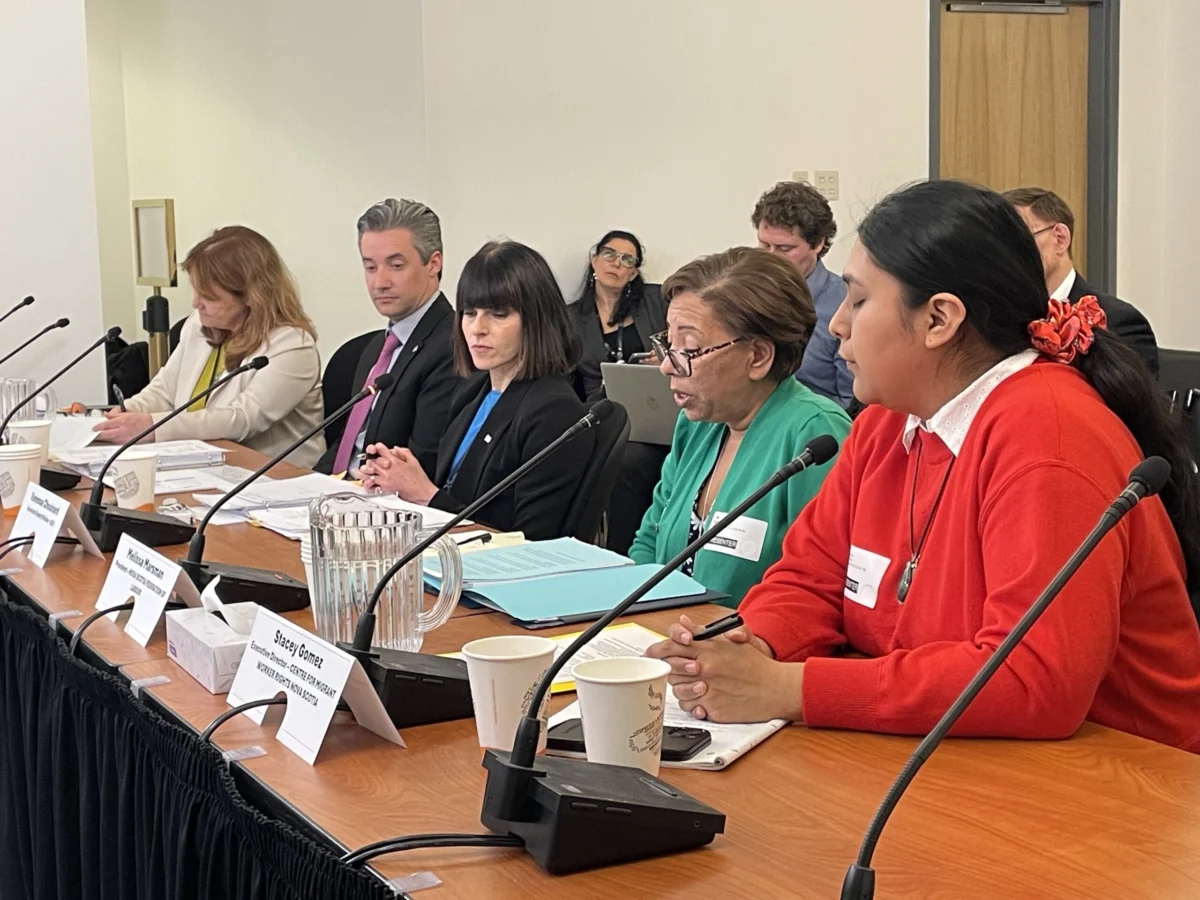
Opposition parties and a coalition of advocacy organizations are intensifying calls for the Nova Scotia government to significantly bolster workers’ rights and improve overall labour conditions across the province. These demands were prominently articulated during a recent session of the Standing Committee on Human Resources held at Province House on Tuesday, highlighting a perceived widening gap between the province’s current labour standards and the escalating cost of living, as well as practices observed in other Canadian jurisdictions. The discourse underscores a critical juncture for Nova Scotia, grappling with demographic shifts, economic anxieties, and a persistent challenge in retaining and attracting a skilled workforce.
The Mounting Pressure for Reform: A Deep Dive into Labour Concerns
The heart of the debate centers on the assertion that Nova Scotia lags behind much of the country in providing adequate protections and fair compensation for its workforce. Paul Wozney, the New Democratic Party’s labour critic, was vocal in his criticism, suggesting that the provincial government is failing to deliver the wages and comprehensive support necessary for workers to thrive in an increasingly expensive economic landscape. Wozney drew a pointed comparison, noting Premier Tim Houston’s frequent assertion that "if it’s good enough for other places, it’s good enough for Nova Scotia," yet observing a disparity where worker protections afforded elsewhere in Canada are not extended to Nova Scotian employees. This statement encapsulated the sentiment of many critics: that the province selectively applies its comparative rhetoric, overlooking areas where it falls short.
The Nova Scotia Federation of Labour (NSFL), a prominent voice for workers across various sectors, echoed these concerns with compelling data. Melissa Marsman, President of the NSFL, presented a stark picture, positioning Nova Scotia as one of the lowest-ranking provinces nationwide in terms of both worker protections and actual wages. Marsman specifically highlighted the alarming trend since 2018, where the chasm between the projected living wage – the income required to cover basic needs and live with dignity – and the legislated minimum wage has steadily expanded. This widening disparity means that a significant portion of the working population, even those employed full-time, struggles to make ends meet, a situation exacerbated by unprecedented inflation and a burgeoning cost of living crisis.
Marsman acknowledged that incremental increases to the minimum wage, while not entirely without merit, are fundamentally insufficient if they fail to keep pace with the relentless ascent of living expenses. Her testimony emphasized the need for a more dynamic and responsive wage policy, one that is intrinsically linked to economic realities rather than arbitrary adjustments. This call for a living wage standard reflects a broader national and international movement advocating for fair compensation that allows individuals and families to secure basic necessities without undue financial strain.
Overtime and the Burden on Workers: A Comparative Analysis
Beyond the minimum wage debate, the structure of overtime pay in Nova Scotia emerged as another critical area of concern. Marsman pointed out that Nova Scotia stands as one of the last provinces where overtime pay is triggered only after an employee has worked 48 hours in a single work week. This threshold significantly contrasts with neighbouring provinces; New Brunswick mandates overtime after 44 hours, and Newfoundland and Labrador sets the bar at a more worker-friendly 40 hours.

The implications of this higher threshold are profound, especially in the current economic climate. Marsman warned that this policy exacerbates financial insecurity for many workers. With the cost of living continuously rising, many Nova Scotians are compelled to work extensive overtime shifts merely to supplement insufficient regular earnings. This reliance on extended hours not only leads to physical and mental burnout but also places an additional, avoidable strain on the provincial healthcare system, which is already navigating its own set of challenges. Exhausted workers are more prone to illness, injury, and chronic stress-related conditions, creating a vicious cycle that impacts both individual well-being and public services.
Paul Wozney reinforced this argument, providing a concrete example of the potential financial relief a policy change could bring. He estimated that lowering the overtime threshold from 48 to 40 hours would translate into an additional $500 per month for the majority of Nova Scotian workers. This substantial increase in take-home pay could be transformative for countless families, offering crucial relief from financial pressures and potentially reducing the need for employees to work dangerously long hours. Such a policy shift would not only align Nova Scotia more closely with national standards but also directly inject disposable income into the provincial economy, potentially stimulating local businesses and improving overall economic stability for working families.
The Plight of Migrant Workers: A Call for Equitable Treatment
The committee meeting also cast a spotlight on the often-vulnerable position of migrant workers within Nova Scotia’s economy. Stacey Gomez, representing the Center for Migrant Worker Rights Nova Scotia, presented a compelling case for strengthening protections specific to this demographic. Her organization advocated for several key reforms: the elimination of agricultural exemptions for overtime and holiday pay, and the immediate introduction of paid sick days for all migrant workers.
Gomez underscored the precariousness faced by migrant workers, citing a study conducted by her organization which revealed that a staggering 77 percent of migrant workers feared termination for simply taking time off to address essential health needs. This statistic paints a grim picture of systemic vulnerability, where the fear of reprisal prevents workers from accessing necessary medical care, leading to neglected health issues and potential public health risks. The lack of paid sick days forces these workers into an untenable choice between their health and their livelihood, a choice no worker should ever have to make.
Furthermore, the Center for Migrant Worker Rights Nova Scotia passionately called for the immediate provision of Medical Services Insurance (MSI) coverage upon arrival for migrant workers. Currently, many migrant workers face a waiting period before they become eligible for provincial health coverage, leaving them exposed and uninsured during a critical initial period. Ensuring equitable access to healthcare services from day one is not only a matter of human rights but also a practical necessity for public health and the integration of these workers into Nova Scotian society. The lack of immediate coverage creates barriers to care, deters early diagnosis and treatment, and can lead to more severe health outcomes and higher costs in the long run.
Government Response and Recent Initiatives
In response to these criticisms and demands, Ryan Grant, the Deputy Minister with the Nova Scotia Department of Labour, Skills and Immigration, addressed the committee, asserting that the province has, in fact, implemented several improvements to worker protections. Grant highlighted the introduction of five unpaid sick days for workers, a measure aimed at providing some flexibility for employees facing short-term illness. He also noted increases in workers’ compensation benefits, designed to offer better support to those injured on the job.

Additionally, Grant pointed to the province’s legislative efforts to protect leaves for specific personal circumstances, including miscarriages and situations involving intimate partner violence. These initiatives, he argued, demonstrate a commitment to advancing and strengthening worker protections across various domains. Grant emphasized that "there have been a number of initiatives and efforts as of late to look at a number of different areas for worker protection to advance and then strengthen," suggesting a continuous, albeit perhaps gradual, process of reform.
While these measures represent steps forward, critics argue they do not go far enough to address the systemic issues plaguing Nova Scotia’s labour landscape. The provision of unpaid sick days, for instance, offers leave but does not alleviate the financial burden of lost wages, a critical factor for low-income workers. Similarly, while increases in workers’ compensation are welcome, the overall framework of worker protection, particularly regarding minimum wage and overtime, remains a point of contention.
Broader Economic Context and Implications
The debate over worker rights in Nova Scotia unfolds against a backdrop of significant economic and social challenges. The province, like much of Canada, has experienced a dramatic surge in the cost of living over the past few years. Housing prices have skyrocketed, rent has become increasingly unaffordable, and the cost of essential goods like groceries and fuel has seen unprecedented increases. This inflationary environment disproportionately impacts low-wage workers and those with precarious employment, eroding their purchasing power and pushing more families into poverty.
Nova Scotia also faces a persistent demographic challenge, with an aging population and a critical need to attract and retain skilled labour. The current labour conditions, perceived as less favourable than those in other provinces, risk contributing to a "brain drain," where young professionals and skilled tradespeople opt to seek opportunities in jurisdictions offering better wages, benefits, and overall quality of life. This outflow of talent further strains the provincial economy and exacerbates shortages in key sectors, including healthcare, education, and trades.
The agricultural sector, heavily reliant on migrant workers, presents a unique set of challenges. The exemptions for overtime and holiday pay for agricultural workers are often justified by the seasonal and unpredictable nature of farm work. However, advocacy groups contend that these exemptions exploit a vulnerable workforce, many of whom are far from home and dependent on their employers for housing and other necessities, limiting their ability to advocate for themselves. The lack of paid sick leave in this sector not only endangers the health of individual workers but also poses risks to food safety and public health if ill workers are compelled to continue working.
The Path Forward: Policy Debates and Future Outlook
The discussions at the Standing Committee on Human Resources highlight a clear divergence in perspectives between the government and its critics regarding the adequacy of current labour protections. While the government points to incremental improvements, opposition parties and advocacy groups argue for more fundamental and sweeping reforms.

The call for a higher minimum wage, potentially moving towards a living wage model, is gaining traction not just in Nova Scotia but across Canada. Proponents argue that such a policy would reduce poverty, improve worker morale and productivity, and stimulate local economies through increased consumer spending. However, business associations, such as the Nova Scotia Chamber of Commerce and the Canadian Federation of Independent Business (CFIB), often express concerns about the potential impact of significantly increased labour costs on small and medium-sized enterprises (SMEs). They argue that such mandates could lead to job losses, reduced investment, and increased prices for consumers, particularly for businesses operating on thin margins. A balanced approach, they suggest, would involve gradual increases coupled with support programs for businesses.
Similarly, the debate over overtime thresholds and paid sick days involves weighing worker well-being against economic competitiveness. While a 40-hour overtime threshold and universal paid sick leave are seen as essential for worker health and equity, some businesses fear the administrative burden and financial strain, especially in sectors with fluctuating demand or high labour intensity.
The issue of migrant worker rights touches upon broader immigration policies and the ethical responsibilities towards temporary foreign workers who contribute significantly to the provincial economy. Ensuring their equitable treatment, including immediate health coverage and fair labour standards, is not only a moral imperative but also crucial for attracting and retaining this vital segment of the workforce.
As Nova Scotia navigates its economic recovery and growth, the pressure to address these labour concerns is unlikely to subside. The ongoing dialogue, punctuated by committee hearings, advocacy campaigns, and legislative debates, signals a critical period for shaping the future of work in the province. The decisions made in the coming months and years will have profound implications for the well-being of Nova Scotian workers, the sustainability of its businesses, and the overall socio-economic fabric of the province. The challenge for policymakers will be to forge a path that balances economic realities with the fundamental rights and dignity of every worker.