admin
admin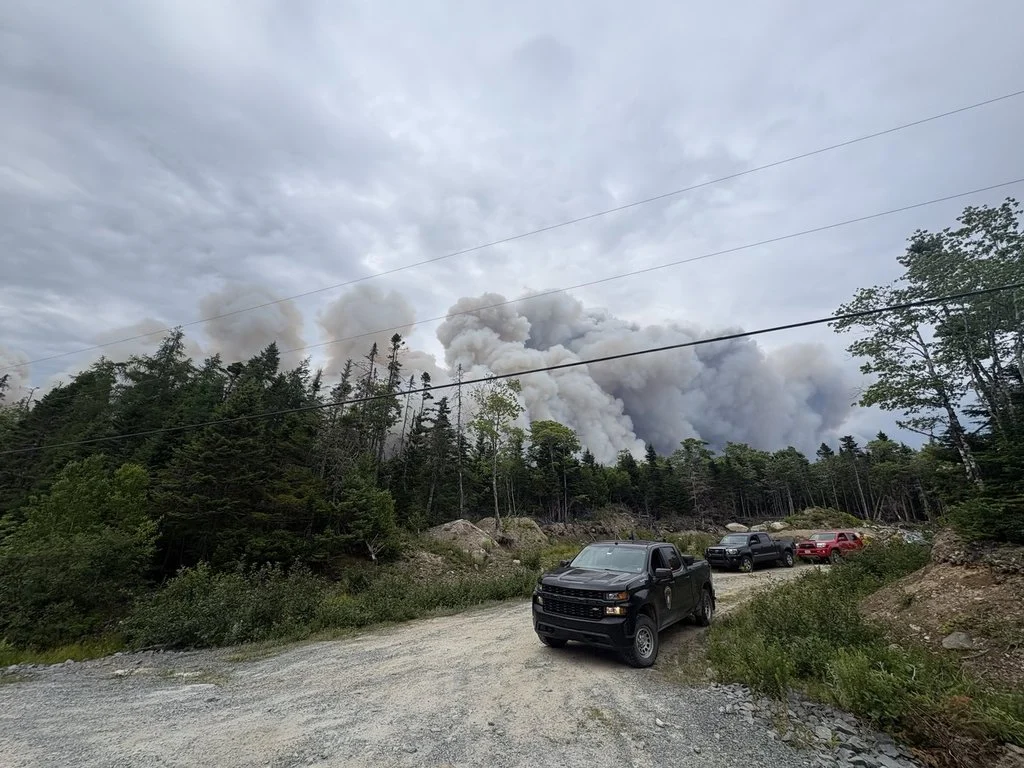
The Mooseland Road wildfire, a formidable blaze that has consumed a significant portion of land approximately 100 kilometres northeast of Halifax, Nova Scotia, has officially been declared "held" by the Nova Scotia Department of Natural Resources (DNR) as of Sunday morning, July 19, 2026. This critical designation signifies that the fire’s growth has been stopped, and firefighters have established control lines around the perimeter, significantly reducing the immediate threat of further expansion. The fire, which at its peak was estimated to cover 1,447 hectares, or approximately 14 square kilometres, represents a substantial challenge for the province’s emergency response teams and a stark reminder of the escalating wildfire risks facing the region.
The Battle for Containment: A Chronology
The inferno ignited earlier this week, with initial reports pinpointing its origin around Wednesday, July 15, 2026, in the remote Mooseland area. The early stages of the fire were characterized by rapid spread, fueled by a combination of dry forest conditions, elevated temperatures, and challenging winds that pushed the flames through dense woodland. This swift escalation prompted immediate deployment of ground crews and air support.
By Thursday, July 16, the fire had grown substantially, leading to the first significant actions to protect human life and property. Emergency services issued evacuation orders for approximately 100 cottages, cabins, and homes situated along Moosehead Road, a critical measure to ensure resident safety. The same day, a dramatic handout photo, provided by the N.S. Department of Natural Resources, captured the thick plume of smoke billowing into the sky, visible for many kilometres and underscoring the severity of the situation. The image served as a stark visual testament to the scale of the crisis unfolding in the rural community. Throughout Thursday and into Friday, crews worked tirelessly to establish containment lines, using both direct attack methods and strategic backburning where feasible, aiming to halt the fire’s relentless march.
The weekend brought a more favourable turn in the weather, with slightly cooler temperatures and reduced wind speeds aiding firefighting efforts. This window allowed ground crews, augmented by heavy equipment, to make significant headway in fortifying existing fire breaks and carving new ones. Their persistent efforts over Friday and Saturday laid the groundwork for the improved status announced on Sunday. The declaration of "held" on July 19 marks a pivotal moment in the firefighting operation, shifting the focus from uncontrolled growth to systematic suppression and eventual extinguishment. While the immediate danger of rapid expansion has receded, officials caution that "held" does not mean "out," and extensive work remains to fully suppress the fire and monitor for any flare-ups.
Multi-Agency Response and Tactical Operations

The successful declaration of "held" is a testament to the coordinated efforts of multiple agencies and the tireless dedication of firefighters. The Nova Scotia Department of Natural Resources (DNR) has been at the forefront, mobilizing its specialized wildfire teams, supported by local volunteer fire departments from surrounding communities. This collaborative approach is crucial in battling large-scale incidents in geographically challenging areas.
Ground crews have been the backbone of the suppression efforts, working long hours in difficult terrain. Their primary strategy has involved the establishment of robust fire breaks, cleared paths of land designed to starve the fire of fuel and prevent its spread. Heavy equipment, including bulldozers and excavators, played a vital role in this aspect, rapidly clearing vegetation and creating physical barriers around the fire’s perimeter. These machines are indispensable in areas where manual labour would be too slow or dangerous.
Although aircraft, including helicopters equipped with water buckets and potentially fixed-wing water bombers, were available and likely deployed during the initial, most aggressive phases of the fire, officials stated on Sunday that they might not be needed for direct suppression efforts moving forward. This indicates the effectiveness of the ground operations in bringing the fire under control. However, aerial assets remain on standby for reconnaissance, to monitor hot spots, and to respond to any unexpected changes in fire behaviour. The strategic use of aircraft in early stages is often critical for slowing a fire’s advance, allowing ground crews time to safely engage.
The closure of Mooseland Road, starting at its intersection with Highway 7, remains in effect. This measure is not only for the safety of the public but also to ensure unimpeded access for emergency vehicles and heavy machinery to and from the fire zone. Maintaining clear routes is vital for resupply, personnel rotation, and rapid response to any emergent situations within the fire’s perimeter. Public cooperation in respecting these closures is essential to support the ongoing efforts of first responders.
Impact on Residents and Infrastructure
The Mooseland Road wildfire has had a profound impact on the local community, particularly for the approximately 100 property owners along Moosehead Road who were subject to evacuation orders. While many of these properties are seasonal cottages and cabins, a significant number of year-round residents also call the area home. The psychological toll of being forced from one’s residence, coupled with the uncertainty of property damage or loss, is considerable.
Emergency support services, including the Red Cross and local municipal agencies, were likely activated to assist evacuees, providing temporary shelter, food, and other essential services. The community rallied, with neighbours offering support and assistance to those displaced. Although the "held" status brings a collective sigh of relief, residents face an anxious wait for official clearance to return and assess the impact on their homes and land. The experience serves as a stark reminder of the vulnerability of rural communities to natural disasters.

Beyond direct property damage, the fire’s extensive burn scar across 1,447 hectares will inevitably lead to long-term ecological and infrastructural challenges. Forestry operations in the affected area will be disrupted, and the potential for soil erosion and degradation in the wake of significant rainfall events is heightened. The smoke plume, which affected air quality over a wide area, also presented health concerns for sensitive populations, prompting public health advisories during the fire’s peak.
Nova Scotia’s Wildfire Challenge: A Broader Perspective
The Mooseland Road wildfire is not an isolated incident but rather a symptom of a broader trend of increasingly intense and frequent wildfires, not just in Nova Scotia but across Canada and globally. The province has experienced several significant wildfire seasons in recent years, most notably the devastating blazes of 2023 that ravaged communities like Tantallon and Shelburne, destroying hundreds of homes and forcing thousands to evacuate. These events underscore the growing impact of climate change, which contributes to hotter, drier conditions and extended fire seasons.
Experts in wildfire management and climate science often point to several interconnected factors driving this trend. Prolonged periods of drought, coupled with heatwaves, dry out forest fuels, making them highly susceptible to ignition. Strong winds can then rapidly spread fires over vast distances, making containment extremely difficult. Nova Scotia’s unique geography, with its mix of dense forests, peat bogs, and coastal communities, presents particular challenges for wildfire suppression.
In response to these escalating risks, the Nova Scotia government, in conjunction with federal agencies, has been investing in enhanced wildfire preparedness and mitigation strategies. This includes upgrading equipment, increasing training for firefighters, improving early detection systems, and developing more robust evacuation plans. Public education campaigns also play a crucial role in preventing human-caused fires, which account for a significant percentage of ignitions. The Mooseland fire’s origin is currently under investigation, but whether natural or human-caused, its rapid growth highlights the critical need for vigilance.
Ecological and Economic Fallout
The ecological footprint of a 1,447-hectare wildfire is substantial. The immediate impact includes the destruction of forest habitat, affecting countless species of flora and fauna. While some species are adapted to fire and can even benefit from periodic burns, large-scale, intense fires can overwhelm ecosystems, leading to long-term recovery challenges. The loss of mature trees and undergrowth can alter water cycles, increase the risk of landslides in hilly areas, and diminish biodiversity.

Air quality, a major concern during the active burning phase, will continue to be monitored as mop-up operations release residual smoke. The long-term effects on soil composition, water quality in nearby streams and rivers, and the overall health of the affected watershed will require extensive post-fire assessment and rehabilitation efforts.
Economically, the costs associated with fighting a wildfire of this scale are significant, often running into millions of dollars. These costs encompass personnel wages, equipment operation and maintenance, aerial support, and logistical supplies. Beyond the direct firefighting expenses, there are potential economic losses for the forestry industry, if timber resources were affected, and for local businesses that may have experienced disruptions or decreased tourism during the emergency. While the Mooseland area is not a major tourism hub, any perceived environmental damage can indirectly affect regional appeal.
The Path Forward: Vigilance and Recovery
With the Mooseland Road wildfire now "held," the focus shifts to the arduous and protracted process of suppression and recovery. "Held" means firefighters have successfully contained the fire’s perimeter, but it is by no means extinguished. Extensive mop-up operations will be required, involving crews systematically working through the burned area to locate and douse hot spots, smouldering roots, and other potential ignition sources that could flare up and reignite the fire. This phase can take weeks, or even months, depending on the fire’s intensity and the terrain.
Officials from the Nova Scotia Department of Natural Resources are expected to reiterate calls for continued public vigilance, particularly concerning fire bans and restrictions that remain in place across various parts of the province. Preventing new ignitions is paramount, especially as the summer progresses and conditions could once again become favourable for rapid fire spread.
For the residents of Moosehead Road, the path forward involves returning to their properties, assessing damage, and beginning the process of rebuilding or recovering. This will be a complex undertaking, requiring support from insurance companies, government assistance programs, and community networks. The Mooseland Road wildfire serves as a powerful reminder of the increasing challenges posed by a changing climate and the unwavering dedication of those who stand on the front lines to protect communities and natural landscapes. The lessons learned from this incident will undoubtedly contribute to ongoing efforts to enhance wildfire resilience across Nova Scotia.