admin
admin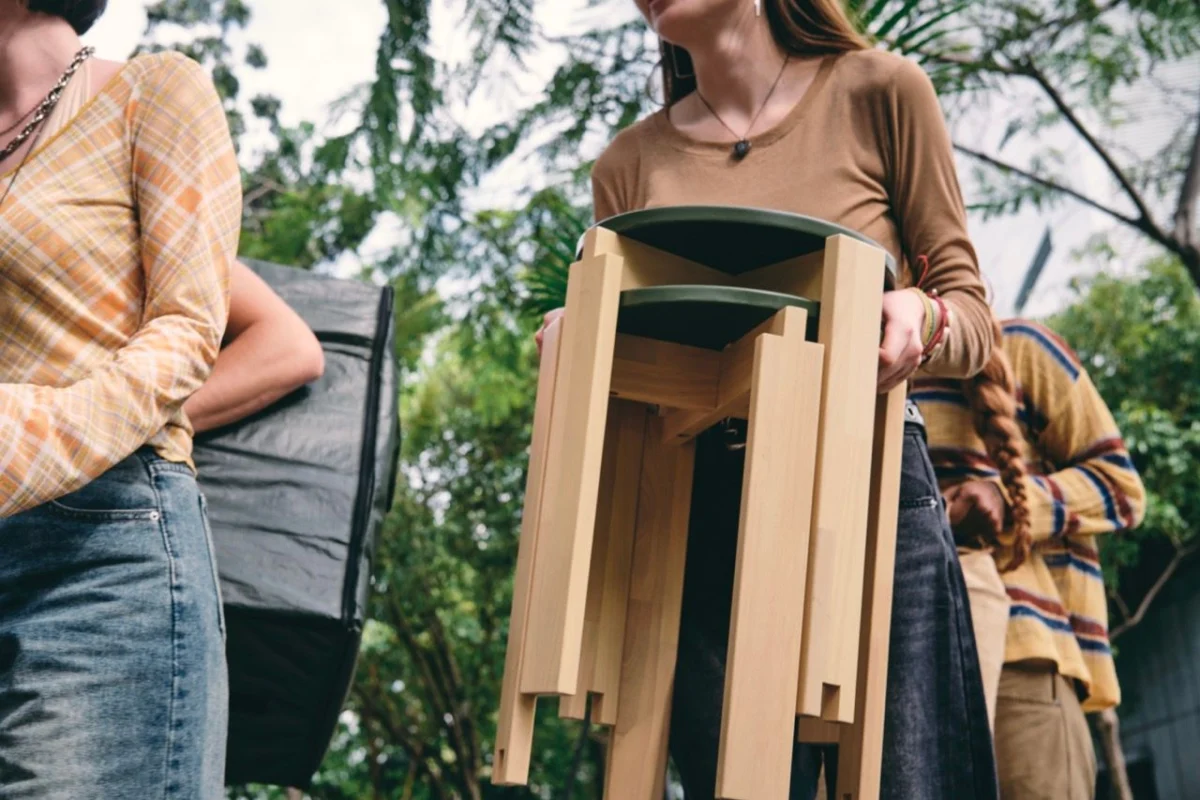
IKEA, the Swedish furniture behemoth synonymous with accessible design and the ubiquitous flatpack, is set to redefine its legacy with the launch of its Kompishäng collection. This innovative line directly confronts one of the most persistent consumer frustrations: the inherent impermanence of furniture designed for initial assembly but not subsequent relocation. Slated for release in U.S. stores on July 31 and online on August 15, Kompishäng introduces 11 pieces meticulously crafted to be assembly-free, effortlessly movable, and durable enough to withstand the rigors of frequent urban transitions. This strategic move by IKEA signals a significant pivot towards addressing the evolving needs of a highly mobile demographic, promising a future where furniture is an enduring companion rather than a disposable commodity.
The "Billy Bookcase Conundrum": A Legacy of Impermanence
For decades, the name IKEA has been inextricably linked with the flatpack furniture model. Products like the iconic Billy bookcase have become household staples, praised for their affordability, minimalist aesthetics, and the democratic ideal of self-assembly. However, this accessibility often came with an unspoken caveat: durability, particularly when subjected to the stress of disassembly and reassembly. The common narrative of a 19-year-old furnishing their first apartment with a Billy bookcase, only to find it wobbly and structurally compromised after a single move, is a shared experience that highlights a fundamental design challenge. Traditional flatpack designs, relying on cam locks, dowels, and particle board, are engineered for a single, static construction. The repeated stress of pulling apart and rejoining these components often leads to stripped screws, enlarged holes, and ultimately, a loss of structural integrity. This cycle of purchase, temporary use, and eventual disposal contributes significantly to landfill waste, raising increasing environmental concerns in an era focused on sustainability. The "Billy bookcase problem" has thus become a metaphor for the broader issue of planned obsolescence within the furniture industry, a challenge Kompishäng aims to squarely address.
The Rise of the Urban Nomad: Demographics Driving Design
The impetus behind the Kompishäng collection is deeply rooted in contemporary socio-economic and demographic shifts, particularly within urban environments. Modern life, especially for younger generations like Millennials and Gen Z, is characterized by unprecedented mobility. According to recent demographic studies, young adults in major metropolitan areas are significantly more likely to change residences frequently, driven by factors such as fluctuating rental markets, career opportunities, shared living arrangements, and evolving personal circumstances. Data from various housing surveys indicate that individuals between the ages of 20 and 35 in cities like New York, London, and San Francisco move, on average, every 1-3 years. This transient lifestyle often means smaller living spaces, a higher likelihood of sharing communal furniture, and a practical need for belongings that can be transported without personal vehicles. Many urban dwellers rely on public transportation, ride-sharing services, or small moving vans, making bulky, heavy, or complex-to-disassemble furniture a significant logistical and financial burden. The traditional flatpack model, while affordable at purchase, incurs hidden costs in terms of moving stress, potential damage, and eventual replacement, creating a demand for furniture that is as adaptable as their lives.
Kompishäng: A Collection Designed for Life’s Transitions
The Kompishäng collection emerges as a direct response to these modern realities, offering a suite of solutions-oriented pieces that prioritize ease of movement, versatility, and inherent durability. The underlying philosophy, as articulated by IKEA designer Wiebke Braasch, was to create furniture that could be "moved with your body alone. Without needing a car." This commitment to unassisted portability is evident across the entire 11-piece collection.
A primary innovation is the assembly-free design. By eliminating separate components, Kompishäng sidesteps the common frustrations of confusing instructions, missing hardware, and the need for specialized tools. This integrated design means each piece arrives ready to use or with minimal, intuitive unfolding, removing the significant barrier to entry and re-entry that traditional flatpack furniture presents.
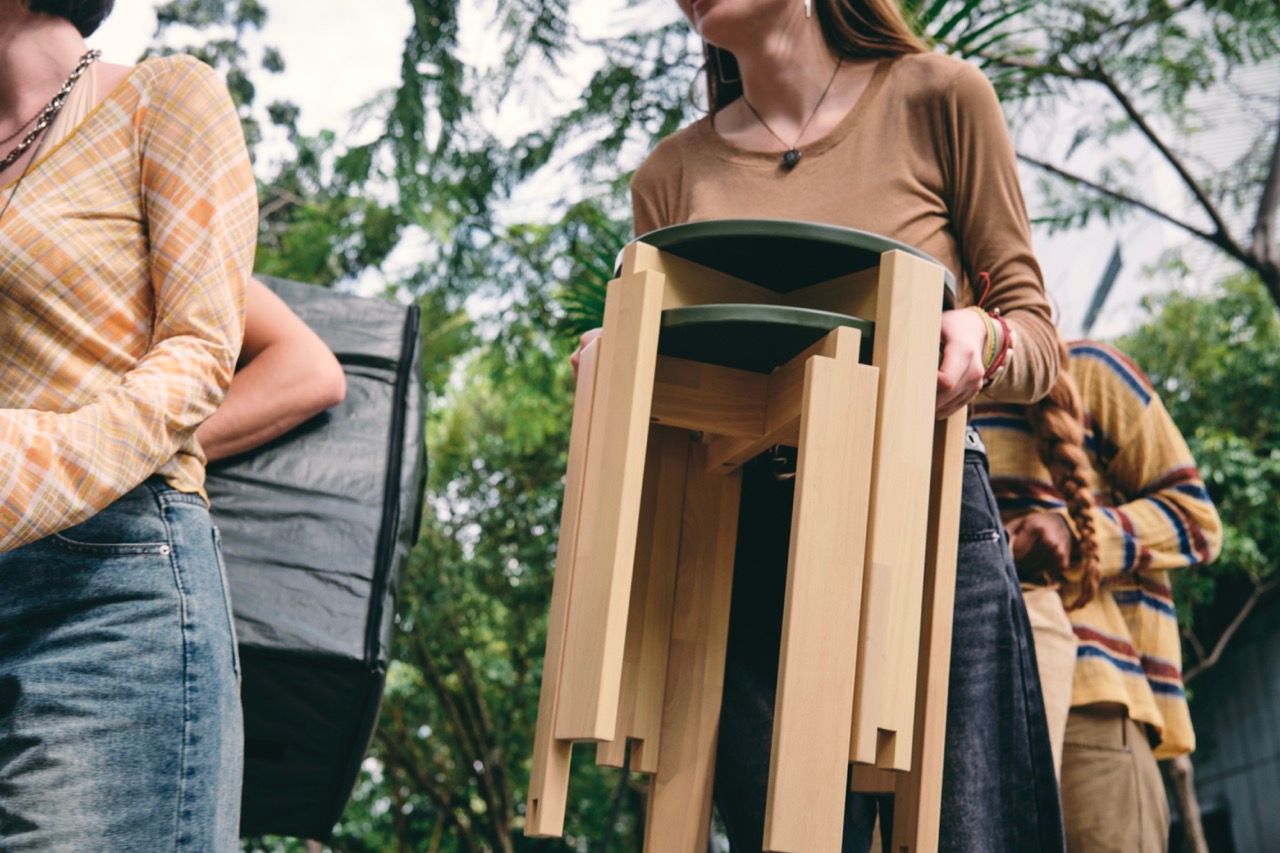
The collection features several standout pieces demonstrating this commitment to mobility and versatility:
- Foldable Desk with Built-in Handle: This piece epitomizes the collection’s ethos. Designed for quick setup and takedown, its integrated handle allows for effortless carrying, making it ideal for temporary workspaces, students, or those who frequently reconfigure their living areas. Its robust yet lightweight construction ensures it can withstand repeated folding and unfolding without compromising stability.
- Nesting Stools: Drawing inspiration from design classics like the Alvar Aalto Artek 60 stool, Kompishäng’s stools are designed to nest compactly. This feature not only facilitates efficient storage in small spaces but also allows multiple stools to be stacked to create impromptu shelving units or display surfaces. Their solid construction, free from the weak points of multi-component assembly, ensures they retain their integrity even with constant repositioning.
- Rolling Bag on Wheels: Bearing a striking resemblance to the functional Hulken bags, this wheeled storage solution addresses the practical challenges of transporting bulkier items or laundry. Its sturdy wheels and durable material make it perfect for navigating city streets, public transport, or simply moving items between rooms.
- Jute Bag with Handles (Plant Pot Cover): A thoughtful addition, this piece directly tackles the often-overlooked difficulty of moving potted plants. As Wiebke Braasch noted, "Moving plants was a bigger problem than I ever imagined, and it was fun to come up with a new solution that makes it easier to both carry and protect them while moving." This multi-functional item can serve as a stylish plant pot cover or a convenient, protective carrier during relocation.
- Side Table: A versatile, compact table designed for easy repositioning, serving various functions from a bedside table to an accent piece. Its inherent stability, uncompromised by assembly, ensures consistent performance.
- Metal Bookend: A clever floor-sitting bookend designed to securely hold titles in place without the need for shelving, offering flexible storage solutions in transient spaces.
Beyond individual pieces, the collection’s aesthetic reflects its functional goals. Opting for a more neutral color palette, rather than the bolder hues sometimes associated with IKEA, was a deliberate choice. As per input from the young designers involved, this subdued scheme aims to bring a sense of calm and adaptability to transient spaces, allowing the furniture to blend seamlessly with various decor styles and existing pieces, including secondhand finds. This thoughtful design ensures that Kompishäng items feel less like temporary solutions and more like foundational pieces capable of integrating into diverse environments over time.
The Design Process: Insights from the Next Generation
The genesis of Kompishäng is a testament to IKEA’s evolving design philosophy, emphasizing co-creation and user-centric research. The collection’s name itself, an IKEA-ism for "hanging out with friends," hints at its social and collaborative origins. The initial spark for Kompishäng ignited during extensive conversations between IKEA staff and twentysomethings residing in Central London – a demographic particularly affected by high mobility and compact living. These dialogues provided crucial insights into the daily frustrations and specific needs of young urban dwellers.
Further enriching this research were two recent industrial design graduates, working as interns at IKEA, who brought their invaluable firsthand experience to the project. Their perspectives validated the core issues identified: the incessant need to move, the common practice of sharing furniture with flatmates, and the logistical nightmare of transporting belongings without personal vehicles. This direct input from the target demographic allowed IKEA to pinpoint critical design opportunities, such as the need for furniture that requires no reassembly and can withstand the bumps and scrapes of an "Uber move" or a subway journey.
IKEA designer David Wahl, who helmed the creation of the collection’s distinctive foldable red table, articulated the overarching vision: "This table isn’t just a temporary solution. It’s designed to accompany life’s transitions—equally at home in a first apartment, a family house, or even a retirement space." This statement underscores a significant shift from the perception of IKEA furniture as merely entry-level or disposable to an aspiration for products that possess enduring utility across different life stages. Wiebke Braasch’s focus on the unexpected challenge of moving plants further illustrates the collection’s granular attention to real-world problems. By integrating practical solutions like the plant pot cover, Kompishäng demonstrates a holistic understanding of the moving process, not just the furniture itself. This collaborative and empathetic design process has yielded a collection that is not just aesthetically pleasing but profoundly practical and responsive to the intricate demands of contemporary urban living.
Broader Implications and Market Outlook
The Kompishäng collection represents more than just a new product line for IKEA; it signifies a strategic evolution that carries significant implications for the furniture industry, urban consumers, and the brand’s sustainability commitments.

Sustainability: A major implication of Kompishäng’s design philosophy is its potential to foster greater product longevity and reduce waste. By creating furniture that is inherently more durable and easier to move, IKEA is challenging the "disposable furniture" paradigm. When furniture can be moved and reused across multiple residences, it inherently extends its lifespan, diverting items from landfills. This aligns with IKEA’s broader corporate sustainability goals, which include circular economy principles and designing products for multiple life cycles. The collection encourages consumers to invest in pieces that offer long-term utility, potentially reducing the frequency of new purchases and the environmental footprint associated with manufacturing and disposal.
Customer Experience and Market Positioning: Kompishäng directly addresses a long-standing pain point for a crucial demographic. By alleviating the stress and cost associated with moving furniture, IKEA enhances customer satisfaction and builds loyalty among young urban professionals and students. This collection positions IKEA not just as a provider of affordable furniture but as a thoughtful innovator responding to modern lifestyle challenges. It demonstrates the brand’s agility and willingness to adapt, potentially attracting new customers who previously shied away from flatpack due to moving concerns. This could strengthen IKEA’s market share in highly competitive urban centers where transient populations are dominant.
The Future of Furniture Design: Kompishäng may well signal a broader industry trend towards modularity, mobility, and inherent durability. As urban living continues to evolve and environmental consciousness grows, other manufacturers may follow suit, prioritizing products that are easy to transport, reconfigure, and reuse. The emphasis on "no assembly" could become a significant differentiator, challenging the industry standard of complex build-it-yourself kits. This collection could inspire a new wave of furniture design that prioritizes adaptability and resilience over static, single-use solutions.
Economic Impact: While the initial price point of Kompishäng pieces remains to be seen, their design for longevity and repeated use could offer significant long-term economic benefits for consumers. Reduced replacement costs, avoidance of moving damage, and ease of transport translate into savings over time. For IKEA, this collection could unlock new revenue streams by catering to a specific market need, potentially commanding a premium for its enhanced functionality and durability, while reinforcing its brand image as a forward-thinking and responsible company.
Conclusion: Redefining IKEA’s Legacy
The Kompishäng collection marks a pivotal moment for IKEA, signaling a conscious effort to move beyond the limitations of its traditional flatpack model and embrace the complexities of modern urban existence. By offering assembly-free, inherently portable, and durable furniture, IKEA is not merely launching new products; it is proposing a new paradigm for how furniture interacts with transient lifestyles. This collection is poised to solve a pervasive consumer frustration, enhance product longevity, and significantly contribute to IKEA’s sustainability objectives. As urban populations continue their dynamic shifts, Kompishäng positions itself as an intelligent, empathetic, and ultimately enduring solution, solidifying IKEA’s role not just as a furniture provider, but as a responsive partner in navigating the ever-changing landscape of contemporary home life. The anticipation surrounding its launch underscores its potential to redefine both IKEA’s legacy and the future of home furnishings for generations to come.