admin
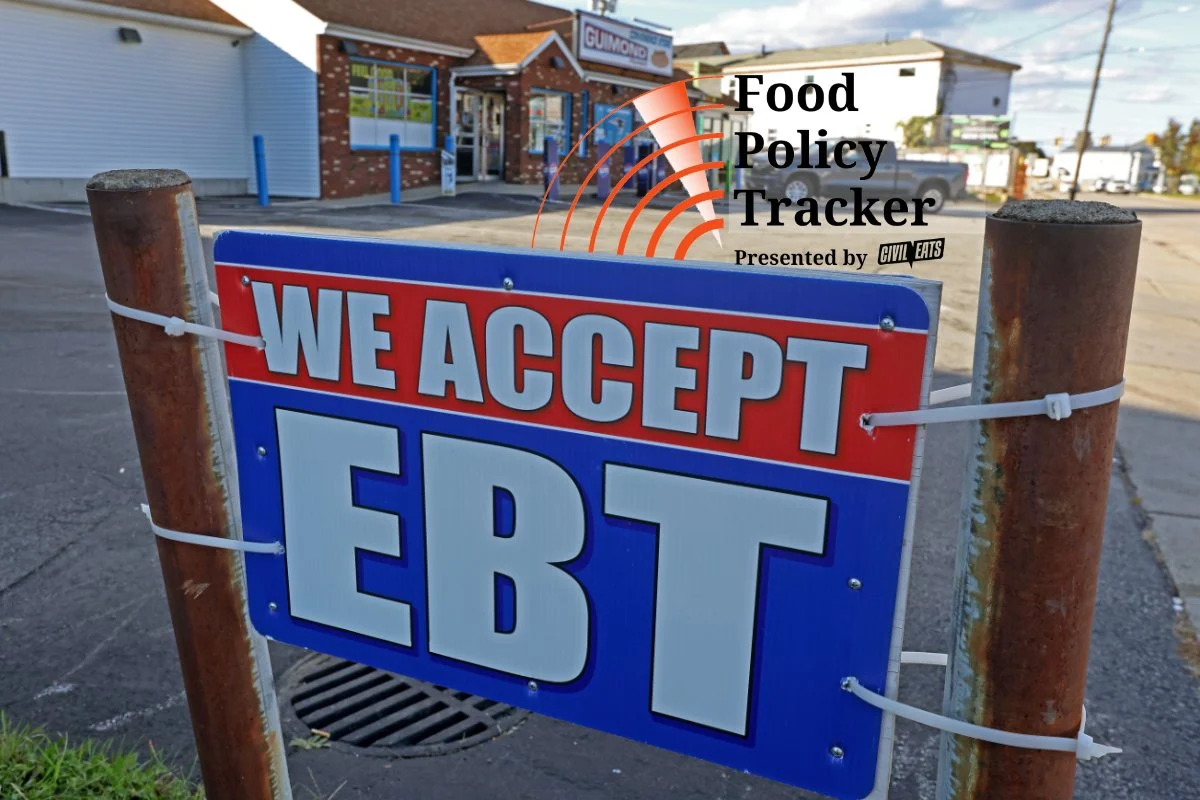
The U.S. Department of Agriculture (USDA) unveiled a significant proposed rule on Wednesday, October 21, 2026, aimed at bolstering the security of federal food assistance benefits against rampant theft. This long-awaited directive mandates that all states transition their Electronic Benefit Transfer (EBT) card systems to more secure chip technology within two years of the final rule’s publication. While widely hailed as a crucial step forward in protecting vulnerable recipients of the Supplemental Nutrition Assistance Program (SNAP), the proposal arrives at a precarious financial juncture for states, many of which are already facing unprecedented budgetary pressures exacerbated by the Republican-backed “One Big Beautiful Bill” (OBBB), which has fundamentally altered federal-state cost-sharing for social programs. The estimated $283 million upfront cost for this conversion, without dedicated federal funding, raises serious concerns among state agencies and advocacy groups about its feasibility and potential impact on program administration.
The Pervasive Threat of Benefit Theft: A Growing Crisis for SNAP Recipients
For years, SNAP recipients have been disproportionately vulnerable to sophisticated forms of electronic fraud, primarily "skimming." This illicit practice involves criminals installing discrete devices on card readers at grocery stores or ATMs to illegally capture card information, including account numbers and PINs. Once compromised, these details are used to drain beneficiaries’ accounts, often leaving them without access to essential food funds and little recourse for recovery. The scale of this problem has escalated dramatically over the past four years, transforming into one of the largest forms of fraud within the federal food assistance program.
The data underscores the severity of this crisis. In 2025 alone, an estimated $600 million was stolen from SNAP households through skimming and similar fraudulent activities, a staggering sum that represents a direct loss of purchasing power for millions of low-income families. This theft not only deprives individuals of their vital food assistance but also erodes trust in a program designed as a critical safety net. Unlike credit or debit card fraud, where consumers typically have robust protections and chargeback options, SNAP recipients often face an arduous and frequently unsuccessful battle to reclaim their stolen benefits. The lack of standardized, federally-mandated protections has meant that the burden of this fraud has fallen squarely on the shoulders of those least able to absorb such losses.
EBT Technology: A Lagging Standard
The vulnerability of EBT cards stems primarily from their reliance on outdated magnetic stripe technology. While most debit and credit cards in the United States have largely transitioned to EMV (Europay, MasterCard, and Visa) chip technology over the last decade, EBT cards have remained conspicuously behind. This technological disparity has left SNAP benefits exposed to skimming, a threat that chip cards are specifically designed to counteract. EMV chips encrypt transaction data, making it far more difficult for criminals to clone cards or intercept information. Each transaction generates a unique code, rendering stolen data useless for subsequent fraudulent purchases.
The call for EBT chip cards is not new. Advocacy groups and some proactive states have long pushed for this upgrade, recognizing the inherent security flaws of magnetic stripes. Under the Biden administration, the USDA did take an important step by finalizing a technical standard for EBT chip technology, which served as a blueprint and encouraged some states to begin their transitions. This preparatory work laid the groundwork for the current proposed rule, signaling a federal recognition of the urgent need for a universal security upgrade.

Justin King, policy director at Propel, a technology company that develops an app to help SNAP households manage their EBT cards, expressed optimism regarding the USDA’s proposal. "Households that rely on SNAP and EBT are already vulnerable; they need and deserve strong protections, no matter where they live," King stated in an email, calling the proposal "welcome news." He added, "There’s more work to be done, but this is a big step forward." This sentiment reflects a widespread relief among advocates that the federal government is finally addressing a systemic issue that has plagued beneficiaries for years.
The Financial Burden: An Unfunded Mandate in a Strained Fiscal Landscape
Despite the clear benefits of enhanced security, the proposed rule introduces a significant financial challenge for states. The USDA’s own estimates project the upfront costs of converting to a chip-based system to be approximately $283 million. This figure encompasses expenses for state agencies, the federal government (though the federal share of these specific administrative costs remains ambiguous under current policy shifts), households for new cards, and businesses to upgrade their point-of-sale systems.
However, the core issue, as highlighted by Gina Plata-Nino, SNAP director at the Food Research and Action Center (FRAC), is the lack of explicit federal funding allocated for this mandate. "This is an unfunded mandate," Plata-Nino asserted, "It’s not realistic for states to be able to do this." This concern resonates deeply within state capitals, where budget discussions are increasingly dominated by fiscal austerity and unexpected expenses.
Historically, the administrative costs associated with running SNAP – including system upgrades like transitioning to chipped EBT cards – were shared between the state and federal governments. Typically, the federal government covered 50 percent of these administrative expenses, providing a crucial incentive and financial partnership for states to implement and maintain the program. This established framework allowed for collaborative investment in program infrastructure and security.
The Shadow of the "One Big Beautiful Bill" (OBBB)
The timing of this unfunded mandate could not be more challenging for states, largely due to the far-reaching implications of the Republican-led "One Big Beautiful Bill" (OBBB), passed in 2025. This comprehensive legislative package, while framed by its proponents as a means of fiscal responsibility and streamlining government, has fundamentally reshaped the federal-state financial relationship for social safety net programs, including SNAP.
A key provision of the OBBB drastically altered the administrative cost-sharing formula for SNAP. Under the new law, states are now responsible for 75 percent of administrative costs, a sharp increase from the previous 50 percent. This shift translates into millions of additional dollars in expenditure for most states, creating an immediate and substantial strain on their budgets. For example, a state that previously paid $10 million in administrative costs would now face a $15 million bill, simply due to the changed federal contribution. This budgetary rebalancing has already forced states to re-evaluate their financial commitments to various programs, with some having to make difficult choices about staffing, technology investments, and outreach efforts.

Beyond administrative costs, the OBBB introduced another unprecedented financial burden: for the first time, some states are now mandated to cover a portion of SNAP benefits themselves. The exact amount is contingent on a state’s SNAP payment error rate, creating a powerful—and potentially punitive—incentive for states to reduce errors, but also a significant financial liability. This innovative, yet controversial, approach shifts a portion of direct benefit funding from the federal government to state coffers, a move that has been met with alarm by state officials and food security advocates alike.
State-Level Responses and Looming Decisions
The immediate impact of the OBBB on states’ financial capacity has been palpable. Reports from ProPublica, preceding the USDA’s proposed rule, indicated that some state officials had already paused their efforts to implement chip-card technology due to the anticipated new costs and policy shifts under the OBBB. These states, despite recognizing the benefits of enhanced security, found themselves in an impossible position, prioritizing existing program operations over new, unfunded mandates. Conversely, some states, anticipating the administrative cost shift, reportedly accelerated their chip-card rollouts to complete the transition before the new 75 percent state contribution rate took full effect. This created a patchwork of implementation progress across the nation, further complicating a unified federal approach.
Gina Plata-Nino voiced a dire concern about the current state of affairs: "Already, Plata-Nino said some states are considering pulling out of SNAP or pausing it because they can’t afford the benefit cost-shift." This potential scenario highlights the extreme pressure states are under. The prospect of states withdrawing from or significantly curtailing their participation in SNAP would have catastrophic consequences for millions of Americans who rely on these benefits for their daily sustenance. The question, Plata-Nino posed, is stark: "How are they going to have the money to implement something that is needed, but right now cannot be a priority?"
Legislative Efforts and Advocacy for Federal Support
Recognizing the financial hurdles faced by states, some lawmakers have attempted to introduce legislation aimed at providing federal funding for the EBT chip card transition. Bipartisan bills, such as those introduced by Senators Wyden, Fetterman, and Cassidy, have sought to address this critical gap. These legislative efforts demonstrate an awareness within Congress of the need for a national, federally-supported solution to protect SNAP benefits. However, despite these initiatives, such bills have thus far met with little success in securing passage and the necessary appropriations. The political will and financial commitment to fully fund this transition at the federal level remain elusive, leaving states to navigate the complex fiscal landscape on their own.
Advocacy groups like FRAC and Propel continue to lobby intensively for federal funding, arguing that benefit theft is a national problem requiring a national solution. They emphasize that the integrity of SNAP is a shared federal and state responsibility, and that protecting beneficiaries from fraud should not be a burden disproportionately borne by financially strapped states. They also point out that the cost of inaction – the continued loss of hundreds of millions of dollars to fraud – ultimately undermines the program’s effectiveness and public trust.
Broader Implications for Food Security and Program Integrity

The USDA’s proposed rule, while a positive step in principle, underscores a broader tension in the administration of federal safety net programs. On one hand, there is a clear imperative to modernize and secure systems that deliver essential aid to vulnerable populations. On the other, the financial mechanisms for implementing such improvements are increasingly strained by policy shifts that place greater fiscal responsibility on states.
The integrity of SNAP is paramount. When benefits are stolen, it directly impacts the ability of individuals and families to purchase nutritious food, exacerbating food insecurity. For a program that serves millions of Americans, ensuring that every dollar reaches its intended recipient is not just an administrative goal, but a moral imperative. The ongoing skimming crisis has not only caused direct financial harm but has also created a climate of fear and uncertainty for beneficiaries, adding another layer of stress to lives already marked by economic hardship.
Beyond the immediate financial implications, the unfunded mandate for EBT chip cards could have long-term consequences for federal-state relations in public assistance programs. It sets a precedent where essential upgrades, even those addressing systemic fraud, are pushed onto states without adequate financial support, potentially leading to varied implementation, delays, or even a weakening of program infrastructure in less affluent states. This could create an uneven playing field, where the level of protection for SNAP recipients varies significantly depending on their state of residence.
Looking Ahead: A Call for Collaborative Solutions
The two-year timeline for states to convert to chip-based EBT systems is ambitious, especially given the current fiscal environment. For the USDA’s proposed rule to be successfully implemented without causing undue stress or potential disruption to SNAP services, a collaborative approach involving federal, state, and congressional stakeholders will be essential. This includes a renewed push for federal funding to offset the transition costs, potentially through dedicated appropriations or a re-evaluation of the administrative cost-sharing formula.
Furthermore, ongoing dialogue between the USDA, state agencies, and technology providers will be crucial to ensure a smooth and efficient rollout. Best practices from the eight states that have already adopted chip card technology and the six involved in pilot projects can provide valuable lessons and models for others.
Ultimately, the goal remains clear: to protect SNAP recipients from theft and ensure the integrity of a program that is a lifeline for millions. The proposed rule represents a critical recognition of the problem, but its successful execution hinges on addressing the significant financial challenges it places on states, particularly in the wake of the "One Big Beautiful Bill." Without a comprehensive strategy that includes robust federal financial support, the promise of enhanced security for SNAP beneficiaries may remain an aspiration rather than a nationwide reality.