admin
admin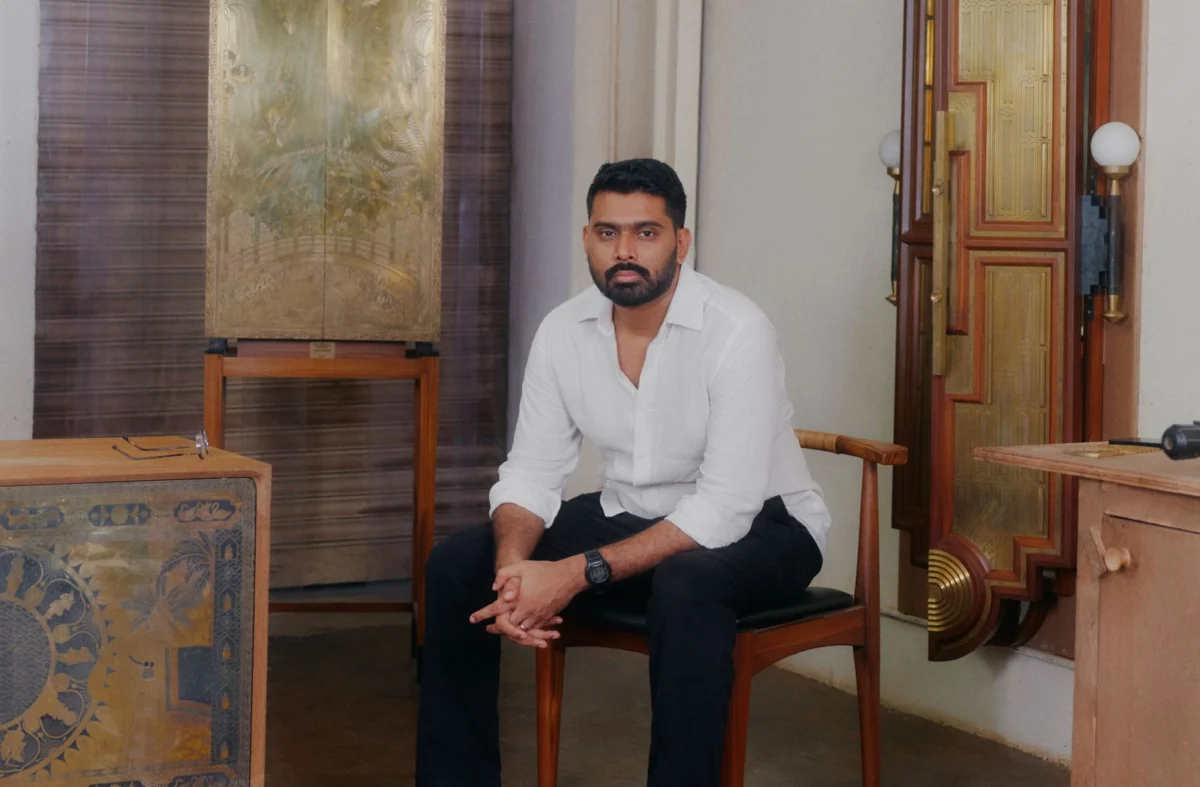
The global design landscape is currently experiencing a vibrant resurgence, characterized by a deep respect for natural forms, a commitment to age-old craftsmanship, and a bold willingness to innovate with materials and techniques. This dynamic intersection was prominently displayed at prestigious international platforms like SaloneSatellite in Milan this past spring, where emerging talents from diverse corners of the world presented works that transcend mere functionality, offering profound narratives and unique aesthetic visions. From the geological strata of Patagonia to the bustling artisan workshops of Mumbai and the sophisticated glass studios of Ningbo, these designers are not only creating objects but also contributing to a broader dialogue about sustainability, cultural heritage, and the intrinsic value of human ingenuity.
Unearthing Inspiration: Aldo Montes de Oca’s Patagonian Strata
Among the standout presentations at SaloneSatellite, a critical launchpad for young designers during Milan Design Week, was the "Estratos" collection by Argentine designer Aldo Montes de Oca. Operating from Dina Huapi, Argentina, Montes de Oca’s work is a testament to the profound influence of one’s natural environment on creative expression. His collection, aptly named "Estratos" (meaning "layers"), draws direct inspiration from the geological formations of the Patagonian steppe.
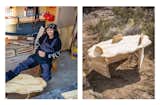
Montes de Oca articulates his design philosophy with a compelling metaphor: "If you don’t make a hole in the earth, you can’t see what is inside. It’s like a surprise when I’m crafting the table: I can see all the layers emerging." This statement encapsulates the essence of his approach, where the raw material—stacks of plywood—is transformed to reveal its inherent beauty and structural history, mirroring the earth’s own strata. The genesis of this idea was a transformative trip to a rocky formation in Patagonia, where initial sketches for a coffee table began to take form. The resulting pieces are miniature landscapes, featuring subtly raised forms that evoke the flat-topped hills characteristic of the region, creating a tactile and visual connection to the earth itself.
What distinguishes Montes de Oca’s process is his deliberate eschewal of computer-aided design, opting instead for a hands-on, intuitive methodology. He begins by cutting basic forms using molds, then meticulously carves and sands the edges. This artisanal dedication not only highlights the inherent layers of the plywood but also ensures that each piece possesses a unique, organic quality, much like natural geological formations. His work, therefore, does not merely imitate the Patagonian landscape; it embodies the elemental logic of how these landforms emerge—through layers of material accretion and subsequent erosion, revealing unplanned, singular shapes. This approach resonated strongly with critics at SaloneSatellite, who often seek authentic, process-driven design that tells a compelling story. The presentation of "Estratos" in Milan marked a significant moment for Montes de Oca, introducing his distinct, nature-inspired vision to an international audience and solidifying his position as a designer deeply rooted in his regional context while contributing to global design conversations.
The Revival of Craft: Chacko’s Collaborative Vision in Mumbai
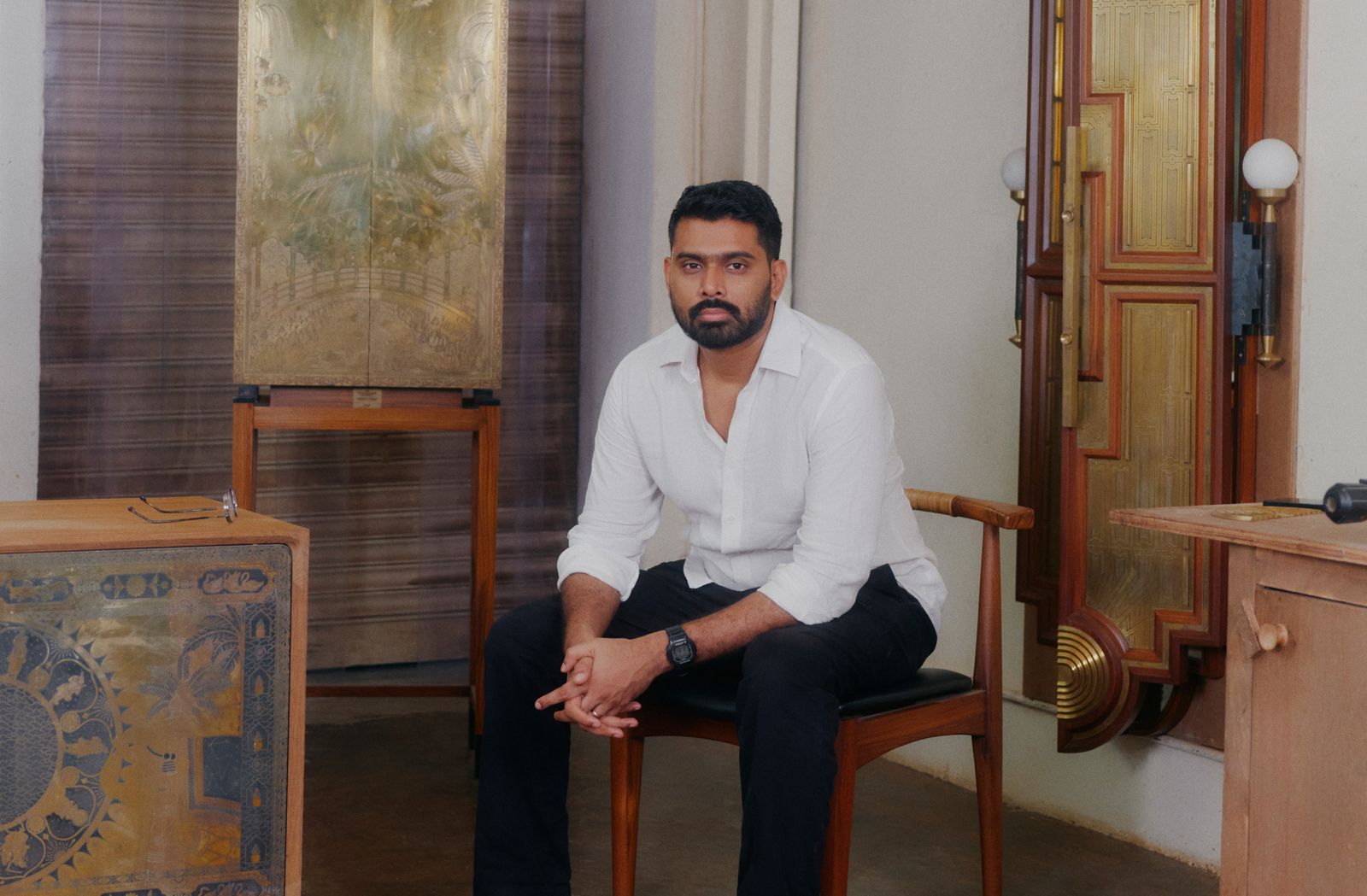
In a stark yet complementary contrast to Montes de Oca’s geological musings, industrial designer Vipin Joe, founder of Chacko, champions the enduring power of traditional craftsmanship from his workshop in a vibrant industrial complex in Mumbai, India. This complex, a microcosm of creative and manufacturing activity, fosters an environment of constant engagement and cross-pollination of ideas, as Joe notes, "There’s a constant engagement that sparks conversations about creating new things." His philosophy is rooted in a profound respect for India’s rich artisanal heritage: "Age-old craft is something that is omnipresent in India, and so we respect it and try to use it in our contemporary language." This statement, shared by Joe, underscores Chacko’s mission to integrate traditional techniques with modern design sensibilities, thereby ensuring the longevity and relevance of these invaluable skills.
The journey of running his own shop has been a humbling one for Joe, requiring him to balance artistic vision with the practicalities of production, sales, and logistics. He views these constraints not as limitations but as opportunities to find beauty and inventiveness. His most recent collection exemplifies this, prioritizing curiosity and collaborative spirit over immediate commercial returns. The collection’s centerpiece, the Mehfil wall cabinet, is a testament to this collaborative ethos. Named after the Urdu word for a poetry or music gathering, the cabinet’s ornate design translates a intricate drawing of plants and animals by illustrator Gaia Eloe Cairo into exquisite marquetry, executed by the skilled artisans at Sampigé &Co.
The Mehfil cabinet is a powerful demonstration of how disparate specialties can converge to create something greater than the sum of its parts. It highlights a growing trend in global design: the re-evaluation and valorization of traditional crafts, not as historical relics, but as dynamic tools for contemporary expression. By collaborating with local artisans, Chacko not only produces unique, high-quality furniture but also supports the livelihoods of skilled craftspeople, ensuring the transmission of traditional knowledge across generations. This model resonates with a global consumer base increasingly seeking authentic, ethically produced items with a rich backstory. The success of pieces like the Mehfil cabinet underscores the commercial and cultural viability of integrating artisanal methods into modern design, positioning Chacko at the forefront of a movement that bridges India’s deep craft traditions with a contemporary global aesthetic.
Innovative Materiality: Studio Ololoo’s Glass Explorations
From Ningbo, China, the design duo Zhen Bian and Jaco Qian, founders of Studio Ololoo, embody a philosophy that challenges conventional perceptions of everyday objects and materials. Their creative process, as Bian describes, stems from the seemingly cliché yet profoundly true notion that "inspiration comes from life." For Studio Ololoo, this translates into a meticulous observation of "small surprises in our daily life," which they endeavor to "magnify… turn them into something magical, and let more people see these interesting details in everyday life." This commitment to transforming the mundane into the magical drives their explorations in furniture, lighting, and tableware.
Studio Ololoo is not content with merely aesthetic reinterpretation; they are deeply invested in re-evaluating functional standards and material applications. Their "Fragi Tea" collection perfectly illustrates this approach. Instead of attempting to reinvent the established forms of traditional teapots, drinking glasses, or incense trays, Bian and Qian focused on reimagining their creation through the age-old technique of lampworking. Lampworking, which involves shaping glass with a torch flame, is a venerable craft, but Studio Ololoo introduces a unique twist: they pull the molten glass into malleable strands, allowing for unprecedented fluidity and organic forms.
This innovative application of an ancient technique is central to their design ethos. As Qian asserts, "We don’t want to use craft as a gimmick. We want to innovate with it. Craft stays alive because techniques keep moving forward." This statement articulates a crucial aspect of contemporary design: the need to evolve traditional crafts beyond mere preservation into a realm of active innovation. By pushing the boundaries of lampworking, Studio Ololoo creates pieces that are both familiar in their function and revolutionary in their form and texture, inviting users to engage with them in new ways. Their work speaks to a broader trend in global design where material exploration and the recontextualization of craft techniques lead to novel and surprising outcomes. Studio Ololoo’s designs are not just objects; they are conversations about the potential of materials, the evolution of craft, and the hidden magic within the everyday, contributing significantly to the ongoing discourse about design innovation.
The Poetics of Memory: Yuxuan Huang’s Dream Catchers
In a deeply personal and evocative exploration of material and memory, Yuxuan Huang, a designer based between New York City and Chengdu, China, brings a unique perspective to contemporary design. Huang’s work, particularly her "Dream Catcher 1" lamp, is a journey back to the fundamental joy of making, a conscious effort to "abandon what I learned from college, like model making, and just go back to all those childhood techniques I had when I was just someone who wanted to make stuff." Her chosen medium, paper, which she describes simply as "Magic," becomes a conduit for this rediscovery, allowing her to infuse her creations with a sense of wonder and personal narrative.
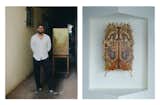
The "Dream Catcher 1" lamp is a poignant manifestation of this philosophy. It meticulously combines hand-painted paper, delicate bamboo strips, and organic elements—a stick and a stone—found during her wanderings. The construction process itself is a homage to her past, drawing directly from cherished childhood memories of making kites with her grandfather. This connection to a personal history of creation imbues the lamp with a profound emotional resonance. The lamp’s aesthetic is further enriched by a moody palette of black, green, yellow, and subtle glimmers of pink, directly inspired by the nocturnal views of blooming trees she observed during a spring spent in New York City in her twenties. This blend of childhood innocence and adult reflection results in an object that is both ethereal and deeply grounded.
Huang’s work is emblematic of a significant trend in contemporary design where personal narrative, memory, and emotional connection are increasingly central to the design process. Her "Dream Catcher" series transcends typical lighting design, offering objects that evoke contemplation and a sense of shared human experience. The choice of humble, often overlooked materials like paper, bamboo, and found objects underscores a movement towards sustainable and accessible design, demonstrating that extraordinary beauty and "magic" can be conjured from the simplest elements. Yuxuan Huang’s designs invite viewers to reconnect with their own memories and the inherent wonder of creation, proving that design can be a deeply personal and transformative act, transforming everyday materials into vessels of dreams and stories.
The Future Landscape of Global Design: Intersections of Heritage and Innovation
The collective works of Aldo Montes de Oca, Chacko, Studio Ololoo, and Yuxuan Huang offer a compelling snapshot of the current vitality and future direction of global design. These designers, hailing from disparate cultural and geographical contexts, share common threads: a profound respect for their heritage, whether natural or artisanal; a dedication to the hands-on process of making; and an unwavering commitment to pushing creative boundaries.
Their approaches highlight several key implications for the broader design industry. Firstly, there is a clear movement towards design rooted in place and personal narrative. Montes de Oca’s geological inspiration and Huang’s childhood memories demonstrate how regional identity and individual experience can imbue objects with unique depth and meaning, resonating with a global audience seeking authenticity. Secondly, the emphasis on reviving and innovating traditional crafts is paramount. Vipin Joe’s collaboration with Mumbai artisans and Studio Ololoo’s reinterpretation of lampworking illustrate how ancient techniques can be not just preserved but evolved, ensuring their relevance in a modern context and fostering sustainable economic models for artisan communities. This also addresses a growing consumer demand for handcrafted, ethically produced goods.

Furthermore, these designers collectively underscore the importance of material intelligence and unconventional application. Whether it’s plywood mimicking geological strata, glass manipulated into delicate strands, or paper elevated to a magical medium, they challenge preconceptions about materials, revealing their hidden potentials. This focus on material innovation, often coupled with a return to manual processes, offers a counter-narrative to mass-produced, often disposable, consumer goods.
Published in September 2026, this overview reflects a design world that is increasingly interconnected, collaborative, and conscious. The insights from these four talents affirm that the most impactful design of today and tomorrow will likely be that which skillfully navigates the delicate balance between reverence for the past, thoughtful engagement with the present, and an imaginative leap towards the future. As global design continues to evolve, these pioneering voices will undoubtedly shape its trajectory, reminding us that true innovation often lies in looking closely at our world, our histories, and our hands.