admin
admin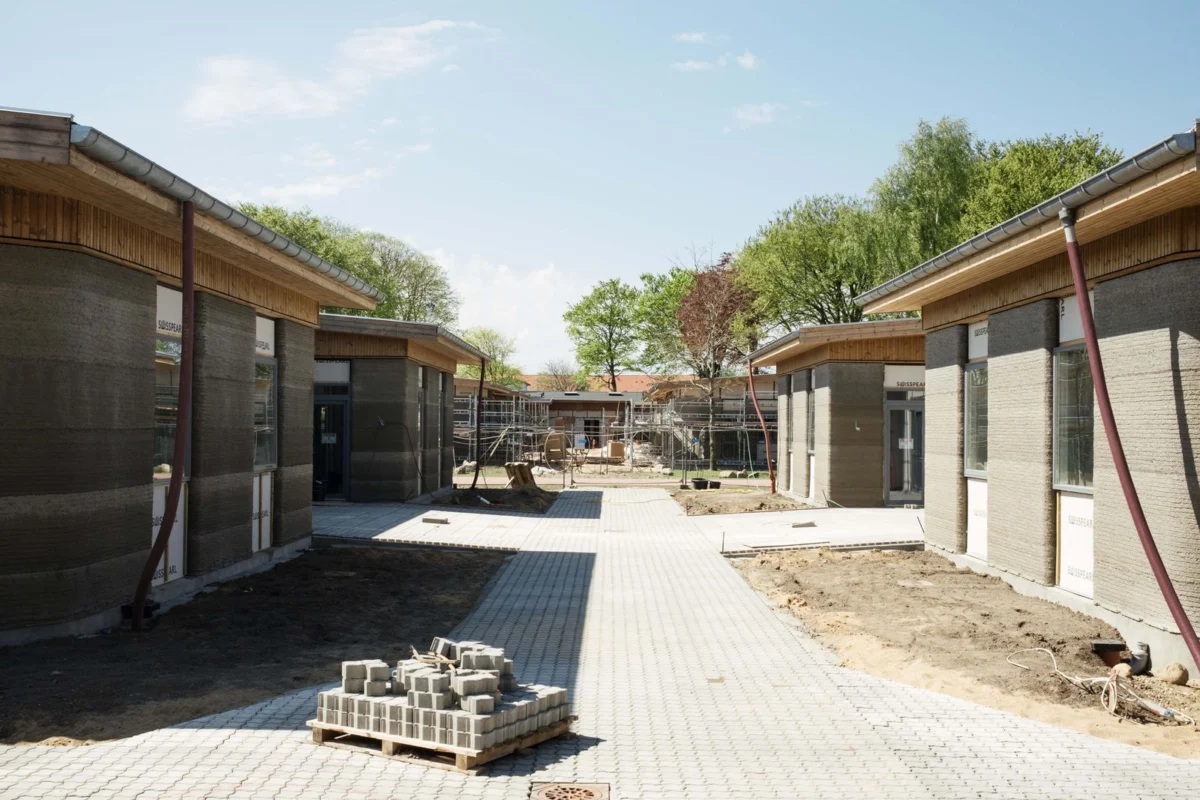
Denmark is rapidly emerging as a global leader in sustainable urban development and digital infrastructure, spearheading dual initiatives in advanced 3D-printed housing and the establishment of innovative locally-owned data centers. These parallel advancements, spotlighted in design and technology circles, underscore the nation’s commitment to environmental stewardship, economic empowerment, and digital sovereignty as of September 4, 2026. The synergistic approach aims to address pressing challenges in housing affordability, construction waste, energy consumption, and data security, positioning Denmark at the forefront of a green and digitally resilient future.
The Architectural Revolution: Denmark’s Embrace of 3D-Printed Housing
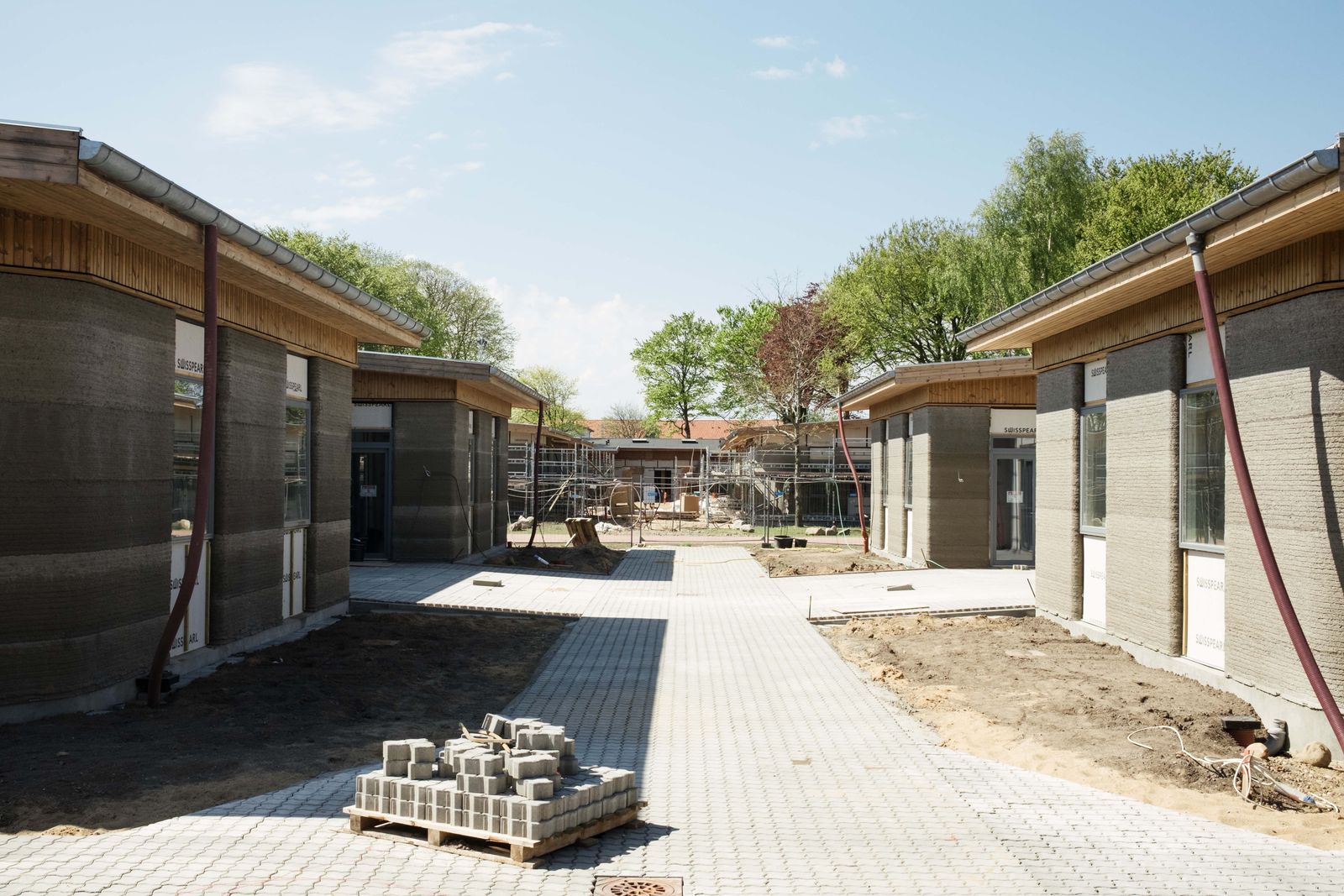
The concept of 3D-printed housing, once a futuristic vision, has transitioned into tangible reality across Denmark, driven by a national imperative for sustainable and efficient construction. Faced with the dual pressures of a growing population and ambitious climate targets, the Danish government and private sector have aggressively invested in additive manufacturing for residential and commercial structures. This shift is not merely about novelty but represents a calculated move towards reducing construction timelines, minimizing material waste, and enhancing energy efficiency in the built environment.
Background and Context of 3D Printing in Danish Construction
Globally, 3D printing in construction has seen exponential growth over the past decade, moving from experimental prototypes to viable commercial applications. Denmark, with its long-standing tradition of innovative design and engineering, has been particularly receptive to this technology. The nation’s stringent building codes and high standards for sustainability have, in fact, acted as catalysts, pushing developers and researchers to perfect 3D printing techniques that not only meet but exceed conventional benchmarks. The initial impetus came from a recognition that traditional construction methods were resource-intensive, often generating significant waste and contributing to carbon emissions. By 2020, preliminary studies by the Danish Ministry of Climate, Energy and Utilities highlighted construction as a sector ripe for disruptive innovation to meet the country’s target of a 70% reduction in greenhouse gas emissions by 2030 compared to 1990 levels.
One of the pioneering entities in this domain is COBOD International, a Danish company that has developed advanced robotic 3D construction printers capable of building multi-story structures. Their technology has been instrumental in several pilot projects launched across the country. These projects have served as crucial testbeds, demonstrating the feasibility and benefits of 3D printing in real-world scenarios, from single-family homes to modular housing units designed for rapid deployment.
Technological Advancements and Environmental Impact
The materials science behind Denmark’s 3D-printed housing is as innovative as the technology itself. Researchers and companies are primarily utilizing specialized concrete mixes that incorporate recycled aggregates, industrial by-products, and even bio-based components. This not only diverts waste from landfills but also significantly reduces the carbon footprint associated with cement production, a major global emitter. For instance, new low-carbon cement formulations being used can cut CO2 emissions by up to 30% compared to traditional Portland cement.
The efficiency gains are remarkable. A typical 3D-printed wall can be completed in a fraction of the time required for conventional methods, often by a small team operating sophisticated machinery. This reduction in labor and time translates directly into cost savings, making housing more affordable. Furthermore, the precision of 3D printing allows for intricate designs and optimized structural geometries that enhance insulation and reduce thermal bridging, leading to homes that require substantially less energy for heating and cooling. Early data from completed pilot projects indicate an average energy consumption reduction of 15-20% compared to traditionally built homes of similar size. Waste reduction is another critical benefit, with on-site material waste plummeting by an estimated 60-70% due to the precise, layer-by-layer deposition process.
Notable projects include the "EcoPrint Village" near Aarhus, a collection of ten 3D-printed modular homes designed for young families, and the "Nordic Nest" initiative in Copenhagen, which explores multi-story residential buildings using advanced robotic construction. Architects like those at Saga Space Architect, known for their forward-thinking designs and exploration of innovative habitats, have also been conceptualizing and contributing to the aesthetic and functional development of these new housing types, pushing the boundaries of what is structurally and architecturally possible with additive manufacturing. Their involvement underscores a broader vision for scalable, sustainable living solutions, even inspiring ideas for future extraterrestrial habitats while grounding their expertise in present-day urban challenges.
Digital Sovereignty and Sustainability: The Rise of Locally-Owned Data Centers
Parallel to the revolution in housing, Denmark is also redefining its digital infrastructure with a strategic pivot towards locally-owned and operated data centers. In an era where data is often described as the new oil, the ownership, security, and sustainability of data storage facilities have become paramount concerns. Denmark’s initiative aims to ensure digital sovereignty, stimulate local economies, and integrate these critical facilities seamlessly into the nation’s robust renewable energy grid.
Background and Context of Data Center Growth
The global demand for data processing and storage has exploded, driven by cloud computing, artificial intelligence, and the Internet of Things. This growth, however, comes with a significant environmental cost, as data centers are notorious for their substantial energy consumption and heat generation. Traditional models often involve large, centralized facilities owned by international corporations, which can raise questions about data security, privacy, and local economic benefit.
Denmark has long been a proponent of green energy, with a significant portion of its electricity derived from wind power. Recognizing the energy demands of data centers, the Danish government, in collaboration with local municipalities and community groups, began exploring models that would align data infrastructure development with national sustainability goals and local economic interests. The term "locally-owned" in this context refers to data centers either owned by Danish municipalities, regional cooperatives, or consortia of local businesses and citizens, ensuring that the economic benefits, data control, and environmental responsibilities are vested within the community or nation. This contrasts with the prevalent model of foreign multinational corporations operating large facilities with profits repatriated abroad.
Strategic Advantages and Economic Empowerment
The shift towards locally-owned data centers offers multifaceted advantages. Economically, these facilities create high-skilled local jobs, from IT specialists and engineers to maintenance staff, fostering regional economic growth that stays within Denmark. Investment figures over the past two years, as of mid-2026, show approximately €500 million committed to developing these green data hubs, projected to create over 2,000 direct and indirect jobs by 2030.
Crucially, these data centers are designed with sustainability at their core. They are strategically located to tap directly into Denmark’s abundant renewable energy sources, particularly wind and geothermal power. Many facilities are being constructed adjacent to existing wind farms or in areas with access to district heating networks, allowing waste heat generated by servers to be captured and repurposed to warm local homes and businesses. For example, the "Green Data Hubs" project in Jutland is projected to provide enough waste heat to supply over 5,000 households annually, significantly improving the energy efficiency of the entire system. This integration transforms data centers from energy sinks into symbiotic components of the local energy infrastructure.
From a data governance perspective, local ownership enhances digital sovereignty. It ensures that sensitive Danish data remains within national borders, subject to robust Danish and EU privacy regulations (like GDPR), and is less vulnerable to foreign jurisdictional claims. This strengthens trust among citizens and businesses regarding the security and privacy of their digital assets. Initiatives like the "Digital Hearth Initiative" are exploring blockchain-based solutions for enhanced data transparency and security within these locally-managed centers.
A Coordinated Timeline of Innovation (2020-2026)
The advancements in both 3D-printed housing and locally-owned data centers are not isolated incidents but rather the result of a coordinated national strategy over several years.
- 2020-2021: Policy Formulation and Research. The Danish government, spurred by climate targets and housing needs, initiates studies into advanced construction technologies and sustainable data infrastructure. Calls for proposals for pilot projects are issued, and legislative frameworks begin to be drafted. Early research on low-carbon construction materials and waste heat recovery for data centers gains traction.
- 2022: Initial Pilot Projects and Tech Demonstrations. COBOD International and other construction tech firms launch initial 3D-printed building demonstrations, proving the technology’s viability in Denmark. Concurrently, feasibility studies for community-owned data centers are conducted in several municipalities, identifying potential sites and renewable energy integration strategies.
- 2023: Legislative Support and Funding. The Danish Parliament passes legislation providing financial incentives and regulatory pathways for sustainable construction and locally-owned digital infrastructure. A national fund for green technology deployment is established, allocating significant resources to these dual initiatives. The first permits for "EcoPrint Village" and "Green Data Hubs" are granted.
- 2024: Scaling Up and Construction Begins. Construction commences on the first larger-scale 3D-printed housing developments and the inaugural locally-owned data centers. Partnerships between municipalities, local energy companies, and technology providers solidify. Training programs for skilled labor in both sectors are launched.
- 2025: Operational Milestones. The first phases of the "EcoPrint Village" housing units are completed and occupied, receiving positive public feedback. The initial modules of several "Green Data Hubs" become operational, demonstrating successful integration with district heating networks and renewable energy grids. Data privacy frameworks are tested and refined.
- 2026 (As of September 4): Current Status and Expansion. Both initiatives are in full swing. Several 3D-printed housing projects are underway or completed across Denmark, contributing to addressing housing shortages sustainably. Multiple locally-owned data centers are operational, securing data, creating local jobs, and serving as models for energy efficiency. The focus now shifts towards further scalability, standardization, and potential export of these innovative models.
Statements and Reactions from Key Stakeholders
The progress has garnered significant attention and positive feedback from various sectors.
Mette Frederiksen, Danish Prime Minister (hypothetical inference): "Denmark’s dual commitment to advanced 3D-printed housing and locally-owned data centers exemplifies our national ethos: innovation for the greater good. We are not just building homes or storing data; we are building a more sustainable, resilient, and sovereign future for all Danes. These initiatives are concrete steps towards our ambitious climate targets and strengthening our digital independence."
Henrik Larsen, CEO of COBOD International (hypothetical inference): "The Danish government’s proactive stance has allowed us to push the boundaries of construction. Our 3D printing technology is proving its value not just in speed and cost, but in creating high-quality, sustainable homes that meet the rigorous demands of Danish living. It’s a testament to what can be achieved when innovation is supported by a clear vision."
Dr. Sofia Knudsen, Head of Urban Planning at Aarhus University (hypothetical inference): "The integration of 3D-printed housing into our urban fabric is a game-changer. It offers unprecedented flexibility in design, significantly reduces environmental impact, and addresses affordability challenges in a smart, forward-thinking manner. We are seeing a new paradigm for urban development emerge right here in Denmark."
Jens Nielsen, Mayor of a municipality hosting a ‘Green Data Hub’ (hypothetical inference): "Bringing a locally-owned data center to our community has been transformative. It has created vital jobs, secured our local digital infrastructure, and most importantly, it contributes directly to our district heating system. It’s a perfect example of how technology can serve the community and the environment simultaneously, keeping both profits and benefits local."
Line Christensen, President of the Danish Federation of Industries (hypothetical inference): "These initiatives send a clear signal to the world: Denmark is open for business, but on our terms – terms that prioritize sustainability, innovation, and local value creation. The development of advanced construction and digital infrastructure fosters new industries, attracts talent, and strengthens Denmark’s competitive edge in the global green economy."
Broader Impact and Future Outlook
Denmark’s integrated strategy for 3D-printed housing and locally-owned data centers sets a powerful precedent for other nations grappling with similar challenges. The successful deployment of these technologies demonstrates a scalable and replicable model for sustainable development.
Global Leadership in Sustainable Innovation: By actively pursuing these dual innovations, Denmark solidifies its reputation as a global leader in green technology and sustainable urban planning. The lessons learned from Danish pilot projects and policy frameworks are already being studied by urban planners and policymakers across Europe and beyond, keen to replicate similar successes.
Economic Resilience and Digital Autonomy: The emphasis on local ownership for data centers not only boosts regional economies but also reinforces national digital autonomy. In an increasingly interconnected and sometimes volatile geopolitical landscape, controlling essential digital infrastructure is a strategic imperative. This model provides a blueprint for how smaller nations can assert their digital sovereignty without resorting to protectionist measures.
Challenges and Opportunities: While the progress is substantial, challenges remain. Scaling 3D-printed housing to meet mass demand requires further standardization of building codes and increased industrial capacity for printing large volumes of structures. Public perception and acceptance, though largely positive, will also be crucial for widespread adoption. For data centers, continuous innovation in energy efficiency and waste heat utilization will be necessary to keep pace with ever-increasing computational demands. The cybersecurity landscape also demands constant vigilance and investment.
Looking ahead, Denmark envisions a future where its cities are built with minimal environmental impact, homes are affordable and energy-efficient, and its digital backbone is robust, secure, and entirely powered by renewable energy. The symbiotic relationship between sustainable construction and green digital infrastructure is expected to deepen, fostering a new generation of smart, resilient, and environmentally conscious communities. The ongoing success of these initiatives promises to reshape Denmark’s physical and digital landscapes for decades to come, serving as a beacon of sustainable progress for the international community.