admin
admin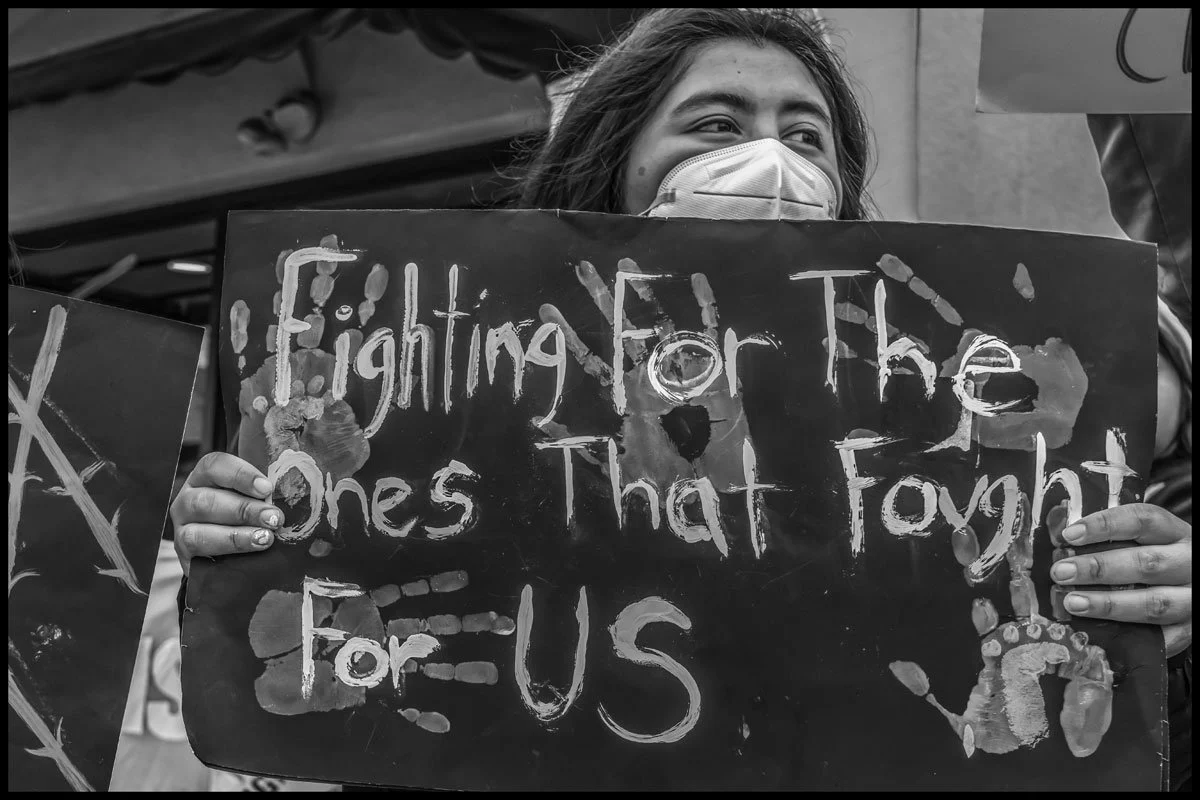
Civil Eats, a leading independent, nonprofit newsroom dedicated to critical coverage of the American food system, has announced its thrilling recognition as a finalist in four distinct categories for the highly coveted 2026 James Beard Foundation Media Awards. Often hailed as the "Oscars of the food world," these annual accolades celebrate exceptional achievements in journalism, broadcast media, and literature, underscoring the profound impact and growing importance of food-related discourse in the public sphere. The nominations highlight Civil Eats’ unwavering commitment to delivering groundbreaking, in-depth reporting on complex issues ranging from public health and environmental sustainability to social justice and food policy, solidifying its position at the forefront of vital conversations shaping our collective culinary and agricultural future.
The James Beard Foundation Media Awards serve as a powerful benchmark for excellence, recognizing creators who illuminate the diverse facets of food culture, industry, and policy through compelling narratives and rigorous investigation. For Civil Eats, a reader-supported organization established in 2009 with a mission to make complicated, underreported stories on climate change, the environment, social justice, animal welfare, policy, health, nutrition, and the farm bill more accessible, these nominations are not merely an honor but a testament to the essential role of independent journalism in fostering a more informed and equitable food system. The publication’s consistent recognition by such a prestigious body reflects its dedication to uncovering stories that often go unreported by mainstream media, focusing on the human and environmental impacts of how food is produced, distributed, and consumed across the United States.
Distinguished Recognition Across Key Journalistic Categories
The 2026 nominations span a diverse array of journalistic excellence, each piece representing Civil Eats’ signature blend of investigative depth and compelling storytelling. These categories—Health and Wellness, Columns and Newsletters, Profile, and Narrative Photography—demonstrate the breadth of the newsroom’s editorial scope and the multifaceted talents of its dedicated team of reporters, editors, and contributors. The selection process for these awards is rigorous, involving panels of esteemed journalists, critics, and culinary professionals who evaluate thousands of submissions based on criteria such as originality, depth of reporting, quality of writing, and overall impact.
Senior Staff Reporter and Contributing Editor Lisa Held has received a remarkable dual nomination in the Health and Wellness category, a testament to her insightful and often provocative reporting on critical public health issues intertwined with food. Held’s nominated works delve into complex topics that challenge conventional wisdom and expose underlying systemic challenges. Her story, "Everything You Know About the Dietary Guidelines is Wrong," critically examines the scientific basis and political influences behind the federal dietary guidelines, which shape national nutrition policy and public health recommendations. This piece likely explores the controversies surrounding these guidelines, their evolution over decades, and the often-unintended consequences for public health and agricultural practices. The Dietary Guidelines for Americans, jointly developed by the U.S. Departments of Agriculture (USDA) and Health and Human Services (HHS) every five years, are designed to provide evidence-based nutritional guidance for the public and inform federal food assistance programs. Held’s reporting likely cuts through the rhetoric to reveal the intricate forces at play in shaping what Americans are told to eat, including potential influences from agricultural lobbies and varying scientific interpretations.
Held’s second nominated piece, "The MAHA Movement’s Climate Conundrum," delves into the intersections of the "Make America Healthy Again" (MAHA) movement—a broad, often politically charged initiative focused on health and wellness—and its stance on climate change. This report likely investigates how the movement’s health-centric goals grapple with or, in some cases, contradict the urgent realities of climate change and its profound impacts on food security, agricultural sustainability, and public health. For instance, some health movements advocate for localized food systems for health benefits but may not fully integrate the broader climate mitigation strategies necessary for agricultural resilience. The article would likely explore how various health movements approach environmental issues, highlighting potential inconsistencies or innovative approaches to integrating climate action into health advocacy. The implications of such reporting are significant, as it encourages a holistic view of health that encompasses environmental determinants, a perspective increasingly critical in an era of accelerating climate crisis where extreme weather events directly impact food production and public health outcomes.

Beyond individual reporting, Civil Eats’ collaborative efforts have also been recognized. Lisa Held, alongside Staff Reporter Rebekah Alvey and News Editor Brian Calvert, earned a nomination in the Columns and Newsletters category for their meticulous and indispensable Food Policy Tracker. This unique resource serves as a vital, ongoing chronicle of policy shifts, legislative actions, and their real-world consequences within the food system. The tracker distinguishes itself by providing consistent, detailed coverage of often-overlooked policy developments, making complex governmental processes accessible to a broad audience, from policymakers and advocates to general readers.
The nominated Food Policy Tracker entries from 2025 demonstrate its critical scope. One highlight includes coverage of how the Agriculture and Health Secretaries pledged support for healthy school food initiatives while simultaneously implementing budget cuts that undermined these very efforts. This reporting exposes the often-contradictory nature of policy rhetoric versus actual resource allocation, an issue with profound implications for the nutritional well-being of millions of American schoolchildren. School nutrition programs, such as the National School Lunch Program, serve approximately 30 million students daily and are fundamental components of public health and food security, particularly for low-income families. Any reduction in funding or support can have immediate and long-term adverse effects on children’s health, academic performance, and overall development.
Another crucial entry in the tracker is Civil Eats’ "running list" of immigration raids targeting workers on farms and in food production facilities. This list stands as the only public record of its kind, offering an invaluable data point for advocates, researchers, and the general public concerned with labor rights and immigration policy. Farmworkers, many of whom are undocumented immigrants, constitute an essential yet often vulnerable backbone of the American agricultural industry, with estimates suggesting over half a million farmworkers are undocumented. Raids and detentions disrupt communities, instill fear, and can lead to significant labor shortages, affecting the entire food supply chain. By meticulously documenting these incidents, Civil Eats provides critical transparency and highlights the human cost of immigration enforcement policies within the food sector, contributing to a more nuanced understanding of the intersection of immigration and food labor.
Furthermore, the Food Policy Tracker’s coverage of the status of Supplemental Nutrition Assistance Program (SNAP) benefits during a government shutdown underscores the publication’s commitment to reporting on issues of food security and economic justice. SNAP, formerly known as food stamps, is the nation’s largest anti-hunger program, providing vital assistance to over 40 million low-income individuals and families. Disruptions or uncertainties surrounding SNAP benefits, particularly during periods of governmental impasse, can plunge vulnerable populations into deeper food insecurity, leading to increased demand on food banks and other emergency services. Civil Eats’ reporting ensures that the public and policymakers are aware of the immediate and potential long-term impacts of such political decisions on the nation’s most vulnerable.
Associate Editor Christina Cooke has been nominated in the Profiles category for her compelling story about Eva Clayton, North Carolina’s first Black congresswoman. Cooke’s profile likely offers an intimate and powerful portrayal of Clayton’s enduring legacy and ongoing activism. At 91, Eva Clayton remains a formidable voice in the fight for food justice and farmers’ rights, embodying decades of advocacy for marginalized communities. Her career, spanning from the civil rights movement to her groundbreaking tenure in Congress, where she represented North Carolina’s 1st congressional district from 1992 to 2003, has consistently focused on addressing systemic inequities in agriculture and ensuring equitable access to healthy food. This nomination recognizes Cooke’s skill in capturing the essence of a living legend, bringing to light the historical context and continuing relevance of Clayton’s work in the contemporary struggle for a more just and sustainable food system. Clayton’s journey serves as a powerful reminder of the deep connections between civil rights, economic justice, and food access, particularly for Black farmers and rural communities who have historically faced significant discrimination and disenfranchisement.
Rounding out Civil Eats’ impressive slate of nominations is Contributor David Bacon, recognized in the Narrative Photography category for his powerful photo essay about farmworker youth protests. Produced in partnership with the Economic Hardship Reporting Project, Bacon’s work offers a visually stunning and emotionally resonant depiction of young activists on the front lines of social change. The photo essay captures the raw energy and profound determination of farmworker youth taking to the streets, often in places like Santa Maria, California, to protest immigration detentions and the looming threat of deportations and displacement that imperil their parents and communities. These protests are not just expressions of anger but acts of profound solidarity and resilience, as young people step forward to advocate for their families and demand justice. Bacon’s photography transcends mere documentation, weaving a narrative that reveals the dignity, vulnerability, and strength inherent in these struggles, bringing the human face of agricultural labor and immigration issues to the forefront. The Economic Hardship Reporting Project’s collaboration further underscores the commitment to bringing underreported stories of economic inequality and social injustice to wider audiences through powerful visual journalism.
A Legacy of Acclaim: Civil Eats’ History with the James Beard Foundation

These 2026 nominations are not an isolated event but rather a continuation of Civil Eats’ consistent and distinguished history with the James Beard Foundation Media Awards, a testament to its sustained excellence and pioneering role in food journalism. The publication has, over more than a decade, built a formidable reputation for its rigorous, impactful, and often groundbreaking reporting. The consistent recognition underscores Civil Eats’ enduring commitment to quality and its ability to continually produce work that resonates with both professional peers and the public.
Just last year, in 2025, former Staff Reporter Grey Moran earned a prestigious James Beard Foundation Media Award for excellence in Health and Wellness reporting. Moran’s winning story illuminated "The Fair Food Program," a groundbreaking grassroots initiative providing essential heat protections for Florida farmworkers. This article highlighted how a unique partnership between farmworkers, growers, and food companies has created a highly effective model for improving labor conditions and safety in the agricultural sector, offering a beacon of hope and a replicable framework for worker justice. The Fair Food Program stands as a powerful example of how market-based approaches, driven by consumer demand and worker organizing, can lead to significant improvements in human rights within complex supply chains, particularly in a state where agricultural workers face extreme heat risks.
Also in 2025, Civil Eats received a nomination for excellence in Columns and Newsletters for "The Deep Dish," its acclaimed members-only newsletter. This recognition underscores the value of the publication’s exclusive content, which offers readers an even deeper dive into relevant and timely reporting, expert insights, and a community for changemakers. The Deep Dish serves as a prime example of how Civil Eats cultivates a loyal readership by providing unique value, reinforcing its reader-supported model and fostering a deeper connection with its audience.
The year 2024 also saw Civil Eats recognized with multiple nominations. Lisa Held, along with Reporter Alice Driver and Contributor Aaron Van Neste, were nominated for excellence in Investigative Reporting for their monumental 2023 investigation series, "Walanthropy." This in-depth series meticulously explored the vast influence of Walmart and the Walton Family Foundation on food policy and agricultural practices. The "Walanthropy" investigation likely delved into how corporate philanthropy and business strategies intersect, examining the profound and often complex impact of one of the world’s largest retailers and its associated philanthropic arm on everything from local food economies to national agricultural legislation. Such reporting is vital for understanding the power dynamics that shape the modern food system and the role of corporate entities in shaping public policy.
In the same year, Reporter Virginia Gewin was nominated for a James Beard Foundation Media Award for excellence in Health and Wellness reporting for her compelling piece "As the Salton Sea Shrinks, Agriculture’s Legacy Turns to Dust." This story brought critical attention to the unfolding environmental and public health crisis at California’s Salton Sea, a shrinking body of water whose receding shores expose toxic dust, directly impacting the health of surrounding communities, particularly those dependent on agricultural work. The article likely explored the long-term consequences of intensive agricultural practices and water management policies on both ecosystems and human populations, serving as a cautionary tale of environmental degradation and its social costs in the face of climate change and increasing water scarcity.
Perhaps one of Civil Eats’ most significant prior accolades came in 2023, when Christina Cooke, former Senior Reporter Gosia Wozniacka, and Contributor Alice Driver were awarded a James Beard Foundation Media Award for excellence in Investigative Reporting. Their winning series, "Injured and Invisible," was a groundbreaking 2022 investigation into the perilous conditions faced by animal agriculture workers. This powerful series shed light on the high rates of injury, the often-exploitative labor practices, and the systemic challenges that render these essential workers "invisible" to much of society. "Injured and Invisible" likely exposed the human toll of industrial meat production, calling for greater accountability and improved protections for those who work in often dangerous and demanding environments, from slaughterhouses to concentrated animal feeding operations.
Adding to this illustrious history, Civil Eats achieved a pinnacle of recognition early in its trajectory. In 2014, the James Beard Foundation named Civil Eats its Publication of the Year, an extraordinary honor that recognized the fledgling newsroom’s innovative approach and profound impact on food discourse. This early award cemented Civil Eats’ reputation as a vital and influential voice in food journalism, setting the stage for its continued growth and recognition and validating its unique editorial niche.

The Broader Implications for Food Journalism and Advocacy
The consistent recognition of Civil Eats by the James Beard Foundation carries significant implications for the field of food journalism and the broader movement for a more just and sustainable food system. These awards highlight the increasing public and professional understanding that food is not merely about culinary pleasure but is deeply intertwined with global challenges such as climate change, public health, economic inequality, and social justice. The fact that the "Oscars of the food world" are increasingly acknowledging reporting on systemic issues rather than solely on gastronomy underscores a maturing and broadening perspective within the culinary community.
In an era of shrinking newsrooms and increasing media consolidation, Civil Eats stands as a beacon of independent, in-depth reporting. As a reader-supported, nonprofit newsroom, its ability to undertake complex, long-form investigative journalism is directly enabled by its community of supporters. The financial contributions from readers allow Civil Eats to pay its reporters fairly, maintain its operations, and continue to "dig deep into stories you won’t find anywhere else." This model of funding is becoming increasingly critical for sustaining quality journalism that can hold power accountable and provide nuanced perspectives on issues that commercial media outlets might overlook due to financial pressures or editorial priorities.
The nominations also validate the importance of a holistic approach to food reporting. By covering topics ranging from dietary guidelines to farmworker rights, from corporate influence to environmental degradation, Civil Eats demonstrates that the food system is an intricate web of interconnected issues. This comprehensive view helps readers understand the systemic nature of challenges and the potential for integrated solutions. Such reporting is crucial for fostering informed public discourse and driving policy changes that address the root causes of food system inequities and environmental damage.
Furthermore, the recognition of specific journalists and their impactful stories serves to elevate the voices of those dedicated to this specialized field. It acknowledges the expertise, persistence, and courage required to report on sensitive and often contentious topics, from the intricacies of federal policy to the harrowing experiences of vulnerable workers. Such accolades can inspire other journalists to pursue similar lines of inquiry, enriching the overall landscape of food media and attracting new talent to the field.
The James Beard Foundation, through its media awards, plays a crucial role in shaping the narrative around food, moving it beyond gastronomy to encompass its profound social, political, and environmental dimensions. By honoring publications like Civil Eats, the Foundation reinforces the idea that food journalism is not just a niche interest but a vital component of informed citizenry and democratic discourse. This acknowledgment helps to legitimize and elevate critical food systems reporting within the broader media landscape.
The winners for the 2026 James Beard Foundation Media Awards will be formally announced on June 13 in Chicago. The anticipation surrounding this event underscores the high esteem in which these awards are held and the significant impact they have on the careers of journalists and the visibility of important stories. Regardless of the final outcome, Civil Eats