admin
admin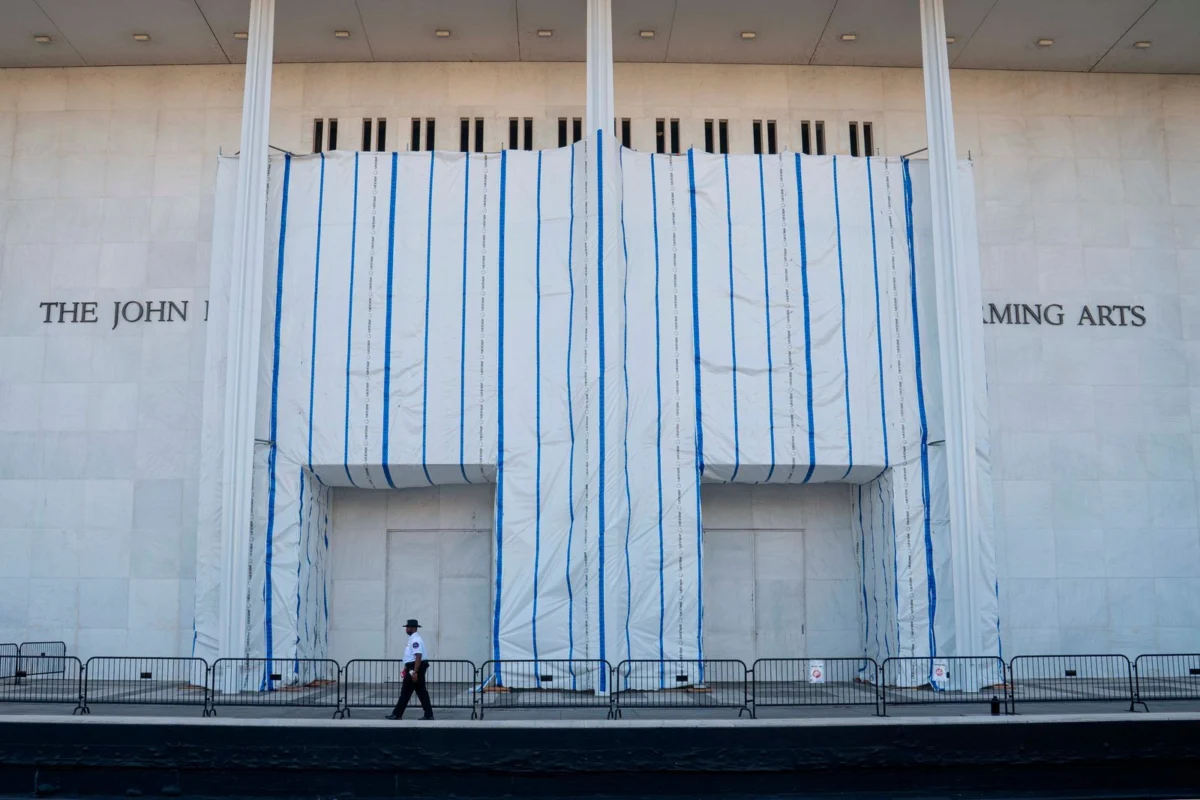
Washington D.C. – In a pivotal move signaling an expanded commitment to urban development and community welfare, global short-term rental giant Airbnb has officially launched a major initiative to finance affordable and mixed-income housing projects, with a significant partnership established through the newly formed Kennedy Center Housing Fund. The announcement, which comes amidst a deepening national housing affordability crisis, sees Airbnb leveraging its financial resources and innovative spirit to address one of the most pressing societal challenges. Brian Chesky, Chief Executive Officer of Airbnb, emphasized the strategic intent behind these ventures, telling The Wall Street Journal, "We want to make sure that our investments are catalytic and are demonstrating proof of concept about new models that can work." This statement underscores a shift towards proactive engagement in housing solutions, moving beyond the company’s traditional role as a facilitator of temporary accommodations.
Addressing a National Imperative: The Affordable Housing Gap
The initiative emerges at a critical juncture for housing markets across the United States. Data from the National Low Income Housing Coalition (NLIHC) consistently highlights a severe shortage of affordable rental homes, with millions of low-income renters facing extreme cost burdens. In 2023, the NLIHC reported a deficit of 7.3 million affordable rental homes for extremely low-income renters nationwide. Cities like Washington D.C., where the Kennedy Center is a cultural beacon, epitomize this crisis. Median rents in the District have consistently outpaced wage growth for many years, forcing essential workers, artists, educators, and service industry professionals to either commute long distances or leave the city altogether. According to the D.C. Department of Housing and Community Development, the city needs tens of thousands of new affordable units to meet demand, particularly for households earning below 50% of the area median income (AMI). The influx of high-wage earners and the proliferation of short-term rentals have often been cited as contributing factors to rising housing costs, putting pressure on the existing housing stock.
Airbnb’s foray into direct financing of affordable housing projects marks a significant evolution in its corporate social responsibility strategy, potentially offering a new model for private sector involvement in public welfare. While the company has previously engaged in disaster relief housing and community support programs, this initiative represents a more structural and long-term commitment to increasing housing supply.
The Kennedy Center Housing Fund: A New Model for Cultural Institutions
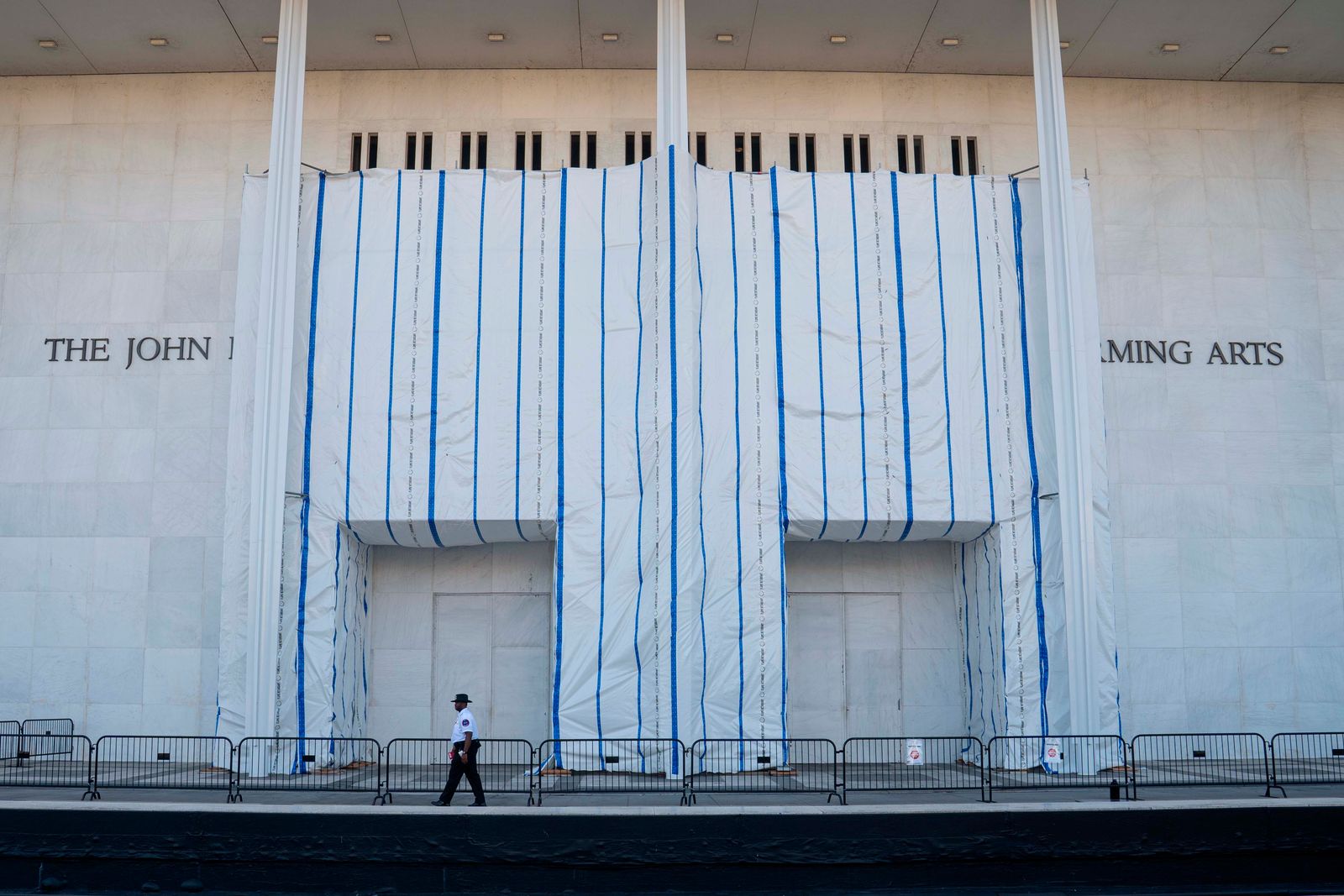
The partnership with the Kennedy Center Housing Fund is particularly noteworthy. While the exact structure and specific genesis of this fund have been detailed over the past year, its mission is clear: to provide stable, affordable housing solutions for the diverse workforce and artistic community that supports the nation’s premier performing arts center, as well as the broader D.C. metropolitan area. The Kennedy Center, long recognized for its artistic excellence and educational outreach, has increasingly acknowledged the socio-economic challenges faced by its staff, visiting artists, and local community members, many of whom struggle with D.C.’s prohibitive housing costs.
Initial discussions for the collaboration reportedly began in late 2024, with formal planning accelerating through 2025. The Kennedy Center Housing Fund was officially established in early 2026, securing seed funding and strategic guidance from philanthropic organizations and urban development experts, alongside Airbnb’s foundational commitment. This partnership is designed to leverage the Kennedy Center’s deep roots in the community and its understanding of the needs of the cultural sector, combined with Airbnb’s financial muscle and its expressed desire to innovate in housing models. Sources close to the negotiations suggest that the fund will operate with a dual mandate: to create purpose-built affordable housing units and to acquire and convert existing properties where feasible.
Project Scope and Initial Pilot Programs
The initial phase of the initiative, slated for completion by late 2027, focuses on several pilot projects within the District of Columbia and immediately adjacent Maryland and Virginia suburbs. These projects are designed to demonstrate the "proof of concept" Chesky articulated. One proposed project, for example, involves the redevelopment of a underutilized parcel in Southwest D.C., aiming to create a mixed-income complex featuring dedicated units for artists and cultural workers, alongside market-rate and other affordable housing options. Another project reportedly targets a former commercial building near a public transit hub, converting it into micro-units and co-living spaces designed for young professionals and individuals transitioning out of homelessness.
The financing model is multifaceted. Airbnb’s investment is expected to provide significant capital for land acquisition and construction, often filling critical funding gaps that traditional lenders or public subsidies alone cannot cover. In some cases, the "new models" may involve innovative revenue generation strategies, such as integrating a small percentage of short-term rental units within a mixed-use development, with profits directly reinvested into the affordable housing components of the fund. This approach, while potentially controversial among some housing advocates, aligns with Chesky’s vision of creating sustainable, self-perpetuating funding mechanisms. These short-term rental units, if implemented, would be carefully managed and regulated to prevent displacement and ensure community benefit.
Timeline of Engagement and Development:
- Late 2024: Initial exploratory discussions between Airbnb leadership and representatives from the Kennedy Center regarding shared community goals and potential collaborations.
- Early 2025: Formation of a joint working group to assess feasibility and design potential housing models. Focus on D.C.’s unique housing challenges and the needs of the cultural workforce.
- Mid-2025: Development of the strategic framework for the Kennedy Center Housing Fund, outlining its mission, governance, and initial project pipeline.
- Early 2026: Official establishment of the Kennedy Center Housing Fund. Airbnb announces its foundational financial commitment. Public details begin to emerge about the partnership.
- Spring/Summer 2026: Identification of specific sites for pilot projects, commencement of architectural and urban planning, and engagement with local community boards and regulatory bodies.
- September 18, 2026 (Publication Date): Public announcement of the detailed initiative, highlighting Airbnb’s commitment and the Kennedy Center Housing Fund’s role. Brian Chesky’s statement to WSJ circulates widely.
- Late 2026 – Mid-2027: Groundbreaking on initial pilot projects, focusing on demonstrating scalable and sustainable models.
- Late 2027 onwards: Completion of first projects, evaluation of impact, and planning for potential expansion into other high-cost urban areas, contingent on the success of the D.C. pilots.
Reactions from Key Stakeholders:
The announcement has generated a spectrum of reactions from various stakeholders.
Deborah Rutter, President of the Kennedy Center, expressed profound optimism regarding the partnership. "The vibrancy of our artistic community, and indeed, the cultural heart of Washington D.C., depends on the ability of our essential workers, artists, and supporting staff to live affordably within the city they serve," Rutter stated in a press release. "This partnership with Airbnb and the establishment of the Kennedy Center Housing Fund represent a bold, innovative step towards ensuring that the performing arts remain accessible and sustainable, not just for audiences, but for those who make it possible. It is a testament to the power of cross-sector collaboration."
Local government officials have largely welcomed the investment. A spokesperson for the Mayor’s Office of the District of Columbia lauded the initiative, stating, "We commend Airbnb and the Kennedy Center for this significant commitment to addressing our city’s affordable housing needs. Public-private partnerships are crucial in tackling complex challenges like housing affordability, and we look forward to seeing the tangible benefits these projects will bring to our residents and neighborhoods." They also highlighted the importance of ensuring these projects align with existing comprehensive plans and community development goals.
However, housing advocacy groups have offered a more nuanced response. While acknowledging the positive impact of new affordable units, some have urged caution. "Any new investment in affordable housing is a welcome development, especially in a market as tight as D.C.’s," said Maria Rodriguez, Executive Director of the Coalition for Housing Justice, a local advocacy group. "However, we must remain vigilant. The devil is in the details of the ‘new models.’ If any aspect of this initiative relies on using housing units for short-term rentals, strict safeguards must be in place to prevent further erosion of long-term housing supply and to ensure that the primary beneficiaries are truly those most in need of affordable, permanent homes. We will be closely monitoring the implementation to ensure equitable outcomes." This sentiment reflects a long-standing concern among advocates about the impact of platforms like Airbnb on housing markets.
Urban planning experts and economists see the initiative as a potentially influential precedent. Dr. Evelyn Chen, an urban economist at George Mason University, commented, "This move by Airbnb could represent a significant turning point. For years, the company has faced criticism for its perceived role in exacerbating housing shortages. By directly investing in and, crucially, innovating affordable housing supply, they are moving towards being part of the solution rather than just being identified with the problem. The concept of integrating revenue-generating short-term units within an affordable housing fund, while needing careful regulation, could unlock new financial mechanisms for sustainable affordable housing development."
Broader Impact and Implications:
The long-term implications of Airbnb’s pivot into direct affordable housing investment are manifold.
For Airbnb itself, this initiative could significantly enhance its brand reputation, demonstrating a tangible commitment to community welfare beyond its core business model. It allows the company to proactively address criticisms regarding its impact on urban housing markets and position itself as a responsible corporate citizen. Furthermore, by exploring "new models," Airbnb may be laying the groundwork for diversified revenue streams or new forms of engagement in the broader real estate and urban development sectors. The success of these pilot projects could inform future expansions, potentially seeing Airbnb’s involvement in affordable housing grow in other high-cost cities where it has a significant operational presence.
For the affordable housing sector, this partnership could introduce new paradigms for funding and development. Private sector capital, particularly from large tech companies, could become a more significant force in bridging the substantial funding gap for affordable housing. If the "catalytic" investments prove successful in demonstrating scalable and sustainable models, they could inspire other corporations to adopt similar approaches, fostering a new wave of public-private partnerships focused on housing solutions.
For urban development and social equity, the initiative holds the promise of mitigating displacement, fostering more diverse and economically integrated communities, and ensuring that essential workers and cultural contributors can afford to live in the cities they enrich. The focus on supporting the cultural workforce through the Kennedy Center Housing Fund also highlights a recognition of the interconnectedness between a city’s cultural vitality and the socio-economic stability of its artists and creative professionals.
As the first projects break ground and move towards completion in the coming years, the world will be watching to see if Airbnb’s significant financial commitment and innovative approach can indeed create sustainable "proof of concept" models that genuinely address the persistent and complex challenge of affordable housing. The partnership with the Kennedy Center is more than just a philanthropic gesture; it is a strategic investment in the future of urban living and the role of corporations within it.