admin
admin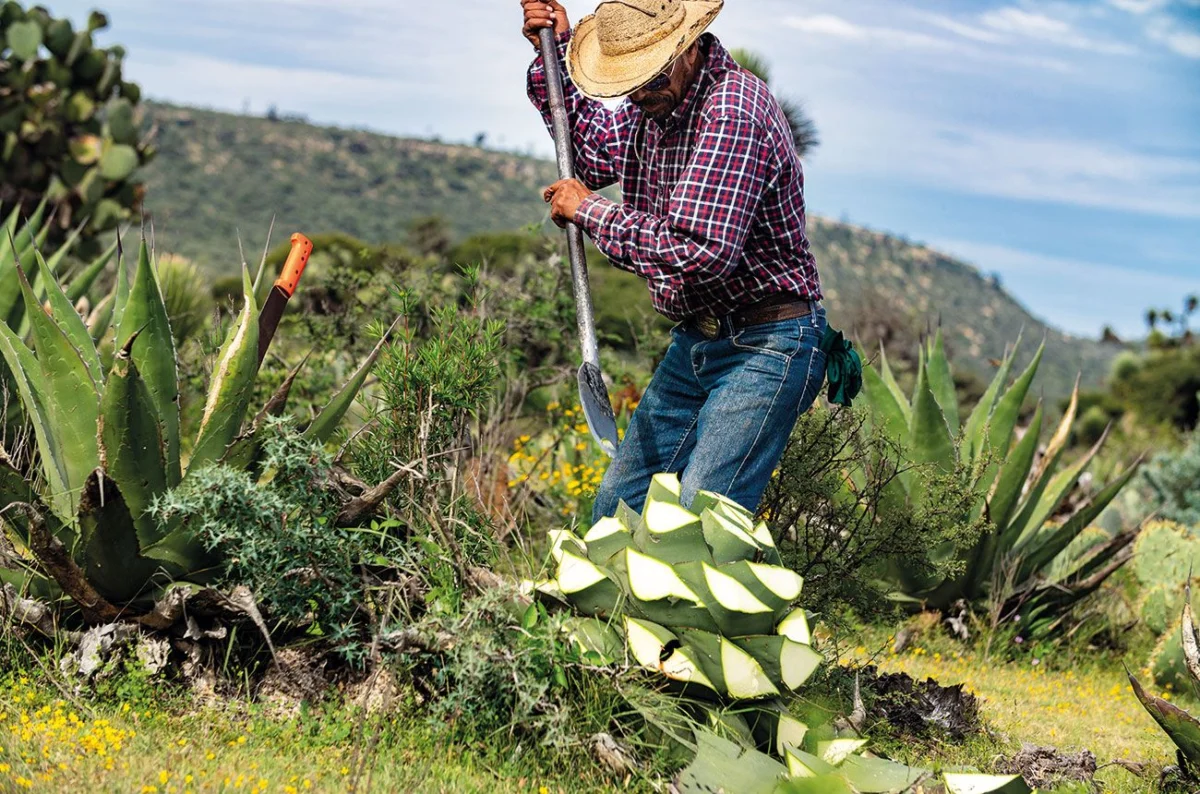
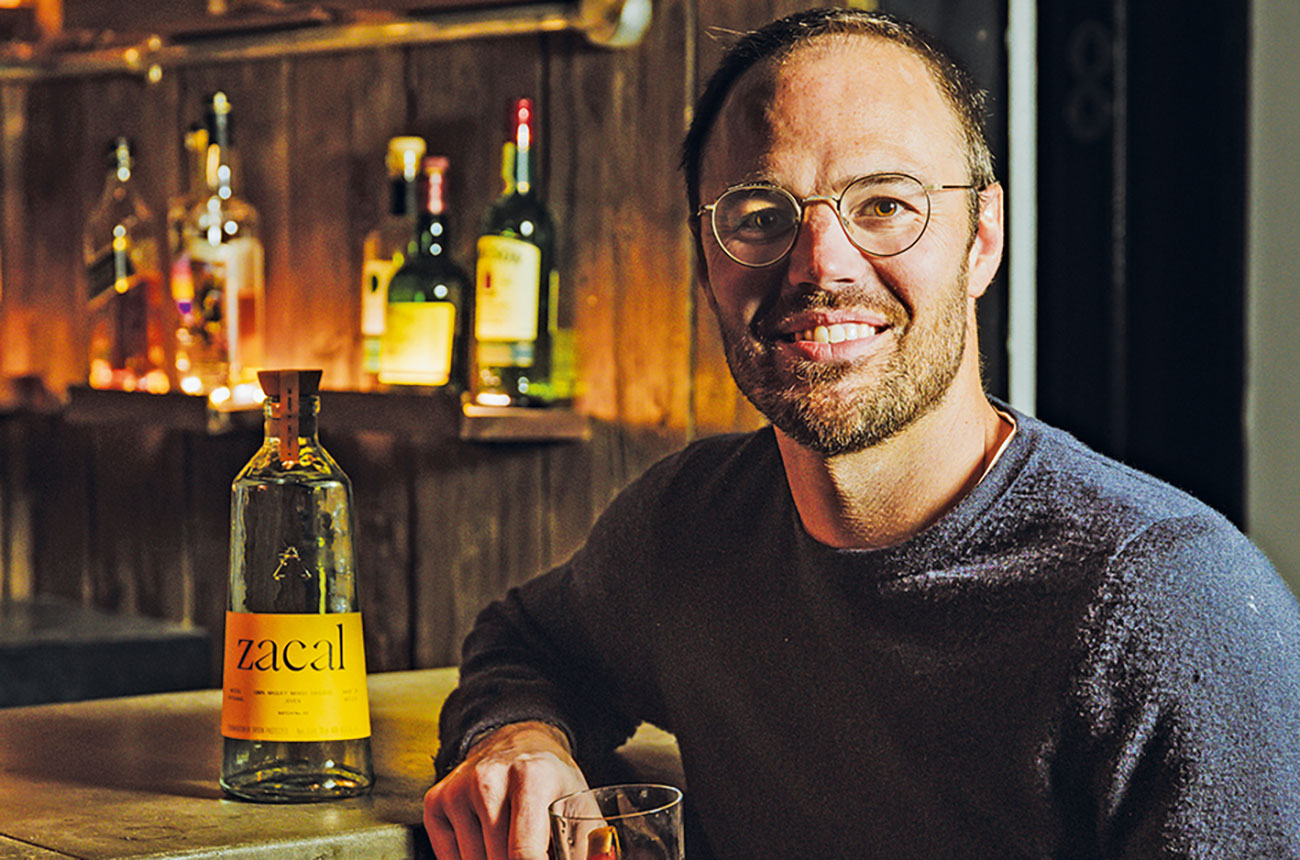
Launched in March 2025, Zacal Mezcal brands itself as ‘the spirit for wine lovers,’ igniting a robust discussion within the burgeoning mezcal industry about the foundational elements of its complex identity. Co-founder Andrew Maidment posits, "Like with wine, a mezcal’s identity is shaped by soil, altitude and climate… and it has remarkably nuanced varietal expression." This assertion immediately raises a critical question that has long fascinated connoisseurs and producers alike: for this distinct agave spirit, which holds greater sway—the inherent characteristics of the agave varietal, or the environmental influences of its terroir? The answer, as industry experts are increasingly demonstrating, is rarely simple, often involving an intricate dance between the two.
Mezcal, a traditional Mexican spirit distilled from the cooked hearts of agave plants, has experienced an exponential surge in global popularity over the past decade. Once primarily a regional drink, its artisanal appeal and diverse flavor profiles have captivated palates far beyond Mexico’s borders. This growing appreciation has led to a deeper examination of the factors contributing to its complexity, drawing parallels with the established world of wine. The debate around varietal versus terroir is not new to the beverage industry, but its application to mezcal highlights the spirit’s sophisticated evolution and the increasing demand for nuanced understanding among consumers.
The Historical Ascent and Cultural Significance of Mezcal
Mezcal’s roots stretch back millennia, predating the Spanish conquest, with evidence suggesting distillation techniques were practiced by indigenous communities long before European influence. Traditionally produced in small batches by mezcaleros using methods passed down through generations, mezcal is more than just a drink; it is a cultural artifact, deeply interwoven with the social, spiritual, and economic fabric of numerous Mexican states, particularly Oaxaca. Its recent global emergence began in earnest in the early 21st century, as international markets discovered its rich diversity, often characterized by smoky notes, herbaceous undertones, and a remarkable range of fruit and floral aromatics.
The timeline of mezcal’s modern recognition can be traced from its designation of origin (DO) in 1994, which legally protected its production to specific regions, primarily Oaxaca, but also Guerrero, Durango, San Luis Potosí, Zacatecas, Michoacán, Puebla, and Guanajuato. This regulatory framework helped formalize the industry, ensuring quality standards and regional authenticity. The subsequent years saw a gradual increase in exports, accelerating significantly post-2010. By 2015, mezcal exports had reportedly grown by over 300% in five years, with projections for continued double-digit growth annually. The launch of brands like Zacal Mezcal in 2025 signifies a mature market where producers are now delving into more sophisticated marketing narratives, appealing to a consumer base already familiar with the concepts of origin and botanical influence from wine and craft spirits.
The Varietal Argument: Unlocking Agave’s Genetic Riches
Esteban Morales, a respected figure known for his terroir-focused Derrumbes mezcals, paradoxically champions the agave plant itself as the primary determinant of character. Morales highlights a fundamental distinction between agave and grapevines: "Agave is a genus, not a species like Vitis vinifera, under which you get [virtually] all the grape varieties we know. There are more than 200 species of agave and then, beneath those, are the varieties — as many as 80 each. Imagine the scope." This staggering botanical diversity dwarfs that of wine grapes, offering an almost endless palette of flavors and aromas.
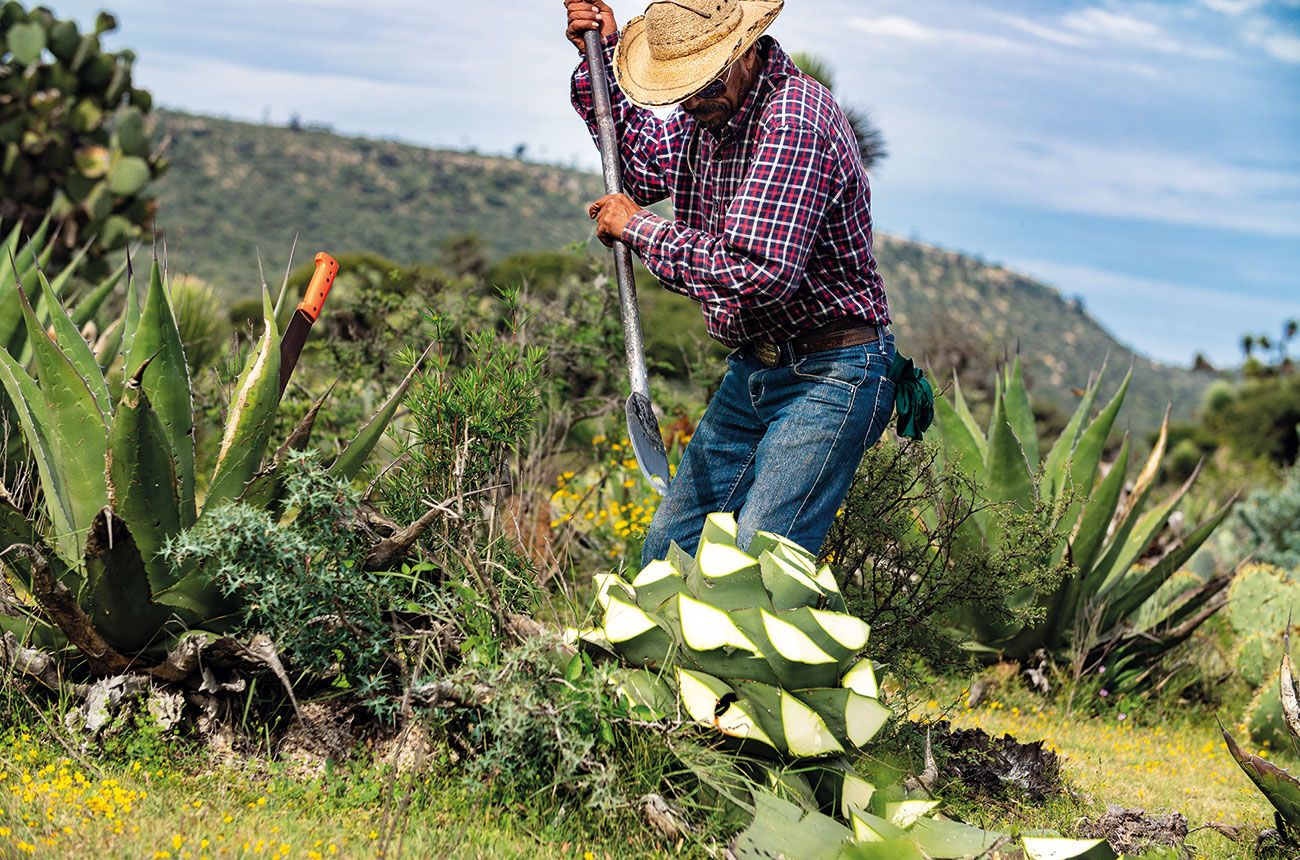
While Agave angustifolia (commonly known as espadín) remains the most widely cultivated and utilized agave for mezcal production due to its relatively faster maturation and higher sugar content, the growing interest in mezcal has fueled demand for less common, often wild, varieties. These heirloom agaves, sometimes taking 10-30 years to mature, offer distinct flavor profiles that captivate enthusiasts seeking unique sensory experiences.
Tom Bartram from Speciality Brands, the UK importer of Derrumbes, elaborates on these distinctive varietal characteristics. He explains that while espadín dominates in Oaxaca, other varieties offer vastly different expressions. For instance, Agave karwinskii, often characterized by its tall, slender stalk-like trunk, can impart "green grass notes and a touch of bark bitterness." Tepeztate (Agave marmorata), a notoriously challenging wild agave to harvest, is prized for its "quite floral, but with funky notes" profile, often displaying aromas of bell pepper, citrus, and mint. Bartram further describes Derrumbes Durango, made from Agave durangensis, as "citrus-led but with a creamy texture, like nectarine Petits Filous!" These descriptions underscore the profound impact of the agave’s genetic makeup on the final spirit, suggesting that the varietal itself dictates a significant portion of mezcal’s identity.
The sheer number of agave species and varieties used in mezcal—estimated to be around 50 commercially, with many more being explored—presents a world of flavor exploration. Each varietal brings its unique chemical composition of sugars, acids, and aromatics, which interact during the cooking, fermentation, and distillation processes to create a signature taste. For instance, Tobalá (Agave potatorum) is celebrated for its sweet, tropical, and often herbal notes, while Arroqueño (Agave americana) tends to be more savory, earthy, and mineral-driven. The varietal lens offers a compelling argument for the inherent character bestowed by the plant itself, independent of its growing environment.
The Terroir Argument: The Land’s Unmistakable Signature
Conversely, for many producers and aficionados, the spirit of mezcal is inextricably linked to its terroir—the complete natural environment in which a particular mezcal is produced, including factors such as the soil, topography, climate, and surrounding flora. Elia Viramontes, founder of Mezcal Júrame, made from wild Agave salmiana, firmly believes that "Terroir is most important. You could plant salmiana somewhere else but it would grow in a different shape and have a completely different flavour." She explains that while Agave salmiana provides the inherent "pepper character," the distinct "herbal notes come from the soil, from the cactus and bushes it grows alongside."
Morales, despite his emphasis on varietals, readily concurs with the profound influence of terroir. He draws a direct parallel with viticulture, stating, "Each plant spends eight, 12 years in the ground in interaction with the soil, the environment, the microclimate. It’s like planting a vine — you don’t harvest for years, until that plant really expresses the terroir." This long maturation period, often extending over a decade, allows the agave to absorb and reflect the unique characteristics of its environment. The mineral content of the soil, the specific microbial life, the altitude’s impact on temperature and sun exposure, and the presence of other plants and organisms all contribute to a complex symphony of flavors that manifest in the cooked agave and, subsequently, the distilled spirit.
The diversity of Mexican landscapes further strengthens the terroir argument. From the arid, high-altitude plains of Durango to the humid, forested valleys of Oaxaca, each region presents a unique ecological fingerprint. A mezcalero in a particular region might find that their local Agave espadín tastes markedly different from espadín grown just a few hundred miles away, even with identical processing methods. This regional specificity is why the Mezcal DO recognizes different states and even sub-regions, understanding that geography plays a crucial role. For example, the Agave durangensis grown in the volcanic soils of Durango contributes to a mezcal distinct from one produced from the same species in a different geological context.
Moreover, often the terroir dictates which varietals can thrive and, therefore, which are traditionally used in mezcal production. Zacal Mezcal’s 100% manso de Sahuayo (Agave americana var. sahuayensis) is a compelling illustration of this symbiotic relationship. This variety is intensely localized to Sahuayo, Michoacán. As Andrew Maidment articulates, "The town is Sahuayo, the land is Sahuayo, the agave is Sahuayo — they’re indistinguishable." This profound connection exemplifies how a specific microclimate and soil composition can foster a unique agave expression that is inseparable from its place of origin. The very identity of the agave becomes an extension of its environment.
Bridging the Divide: An Inseparable Partnership
The prevailing consensus among leading mezcaleros and industry experts is that the debate between varietal and terroir is ultimately a false dichotomy. Rather than one being inherently "more important," they are two sides of the same coin, engaged in an intricate and inseparable partnership that defines the final character of the mezcal. A specific agave varietal grown in different terroirs will undoubtedly yield different results, showcasing how environmental factors modify genetic potential. Conversely, different agave varietals grown in the same terroir will also produce distinct spirits, demonstrating the inherent influence of the plant’s genetics.
This complex interplay is what makes mezcal so fascinating and endlessly diverse. The mezcalero acts as the interpreter, understanding both the potential of the agave varietal and the specific gifts of their land. Their traditional knowledge, often passed down through generations, allows them to coax out the finest expressions of both. The methods of cooking (e.g., pit oven vs. above-ground oven), fermentation (e.g., wild yeast vs. inoculated, wooden vat vs. stone), and distillation (e.g., copper still vs. clay pot) are all adapted to best express the unique qualities derived from the specific agave and its growing environment.
Economic and Sustainability Implications
The increasing global demand for mezcal, particularly for unique varietals and terroir-driven expressions, has significant economic and sustainability implications. On the economic front, it provides substantial opportunities for local communities in Mexico, often in rural areas, to preserve traditional practices and generate income. The premium placed on rare and wild agaves translates into better prices for producers who cultivate or sustainably harvest these plants.
However, this demand also presents sustainability challenges. Wild agaves, which can take decades to mature, are susceptible to over-harvesting. The industry is actively grappling with responsible sourcing, reforestation efforts, and sustainable cultivation practices. Many producers are investing in nurseries to propagate wild agave species and experimenting with semi-cultivation to ensure future supply without depleting natural populations. The emphasis on terroir also encourages biodiversity, as a healthy ecosystem contributes to the unique character of the agave.
From a market perspective, consumers are becoming increasingly sophisticated, seeking stories of origin, authenticity, and distinctiveness. Brands that can articulate the interplay between varietal and terroir, as Zacal Mezcal is attempting to do, are well-positioned to capture this discerning segment. The UK market, for example, has seen a rapid expansion in mezcal availability, with importers like Speciality Brands actively educating consumers about the diverse world of agave.
Official Responses and Industry Outlook

Industry bodies like the Consejo Regulador del Mezcal (CRM) continue to refine regulations, balancing tradition with modernization and sustainability. While the DO primarily defines regionality (terroir), there is a growing recognition within the industry of the need to protect and promote the vast array of agave varietals. Educational initiatives by trade organizations and producers are crucial in communicating the nuances of mezcal to a global audience, moving beyond simple ‘smoky spirit’ descriptors to a deeper appreciation of its agricultural and cultural heritage.
The debate, or rather the exploration, of varietal versus terroir is a testament to mezcal’s coming of age on the global stage. It signifies a maturation of consumer understanding and a deepening of producers’ commitment to expressing the true essence of this ancient spirit. The future of mezcal will likely see continued innovation in cultivation and production techniques, further research into agave genetics and their environmental interactions, and an even greater appreciation for the dedicated mezcaleros who craft these remarkable spirits.
One to Try: Júrame Joven – A Testament to Terroir and Varietal
For those eager to explore the intricate relationship between agave and its environment, Júrame Joven offers an excellent starting point.
Júrame Joven
£61.95/70cl Master of Malt
While Júrame also offers a commendable reposado, the unaged Joven expression provides the clearest window into the varietal and terroir character of its Agave salmiana. This mezcal delivers a real bite of jalapeño and lime, a testament to the agave’s inherent peppery notes. However, it is the added complexity of distinct garrigue aromas—evocative of wild herbs and brush from its high-altitude terroir—that truly showcases the land’s profound influence. The interplay between the agave’s intrinsic profile and the environmental nuances of its origin creates a vibrant and compelling spirit. At 40% Alcohol, it is approachable yet richly flavored, making it an ideal example for understanding the depth that both varietal and terroir contribute to a fine mezcal.
The discussion surrounding varietal versus terroir ultimately enriches the narrative of mezcal, inviting consumers into a deeper, more appreciative understanding of its origins and craftsmanship. As new brands like Zacal Mezcal emerge and established names continue to innovate, the industry is poised for an exciting era of exploration, revealing the boundless diversity contained within each agave plant and the unique landscapes of Mexico.