admin

The craft beer landscape of Northern California, long dominated by the legendary breweries of San Francisco and the experimental hubs of the East Bay, has seen a significant geographical expansion southward into San Mateo County. Along a strategic 30-mile corridor of Highway 101, stretching from the transit-heavy Burlingame district down to the historic centers of Redwood City, a distinct "beer trail" has emerged. This development represents more than just a collection of new taprooms; it signifies a broader economic and cultural shift within the San Francisco Peninsula, where industrial zones are being repurposed into sophisticated social hubs that cater to a diverse demographic ranging from Silicon Valley tech professionals to international travelers arriving via San Francisco International Airport (SFO).
The Strategic Evolution of the Peninsula Beer Trail
Historically, the San Francisco Peninsula served as a suburban thoroughfare between the financial centers of San Francisco and the burgeoning tech campuses of Silicon Valley. However, the last decade has seen a concerted effort by municipal planners and entrepreneurs to foster local identities that go beyond bedroom communities. The emergence of the Peninsula beer trail is a direct result of this effort.
In San Mateo County, the brewing industry has capitalized on the availability of industrial warehouse space in cities like Belmont and San Carlos, combined with the high foot traffic of downtown Burlingame and Redwood City. According to data from the California Brewers Association, the state remains the leader in the U.S. craft beer industry with over 1,100 breweries. The Peninsula’s growth mirrors a statewide trend where "taproom-first" business models allow smaller producers to maintain higher margins by selling directly to consumers, fostering a neighborhood-centric atmosphere that differs from the mass-distribution models of the past.
Burlingame: The Northern Gateway and Plant-Based Innovation
The trail begins in Burlingame, just south of SFO, where the intersection of high-end dining and craft brewing is personified by Twelvemonth. This establishment represents a unique pivot in the industry; it was founded by Bob Trahan, a former technology executive who transitioned into the culinary world. Twelvemonth is housed in a renovated brewery space and functions as an ambitious plant-based restaurant and bakery complex.
The beverage program at Twelvemonth serves as a curated introduction to the region’s brewing prowess. While maintaining an extensive internal tap list, the venue also highlights established California icons such as Russian River Brewing Company’s Pliny the Elder. The inclusion of easy-drinking lagers from Richmond-based East Brother Beer Co. and non-alcoholic options from San Francisco’s Fort Point Beer Company demonstrates a sophisticated understanding of modern consumer preferences, which increasingly lean toward sessionability and inclusivity for non-drinkers. This model suggests that the Peninsula’s beer scene is not just about the beer itself, but about the integration of craft beverages into a holistic lifestyle and dining experience.
The Industrial Hubs: Belmont and San Carlos
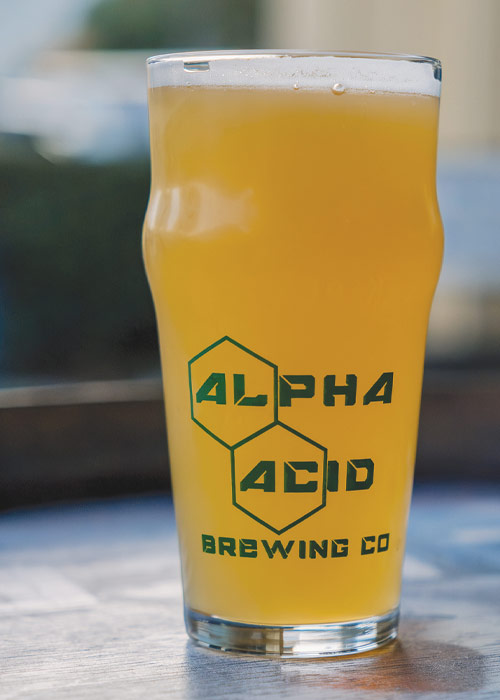
Moving south into Belmont, the aesthetic shifts from polished dining rooms to the grit of the Harbor Business Center. Here, Alpha Acid Brewing Company exemplifies the "destination brewery" model. Tucked into the back of an industrial lot, Alpha Acid has been a fixture since 2014, drawing crowds with a rotating selection of highly specialized brews.
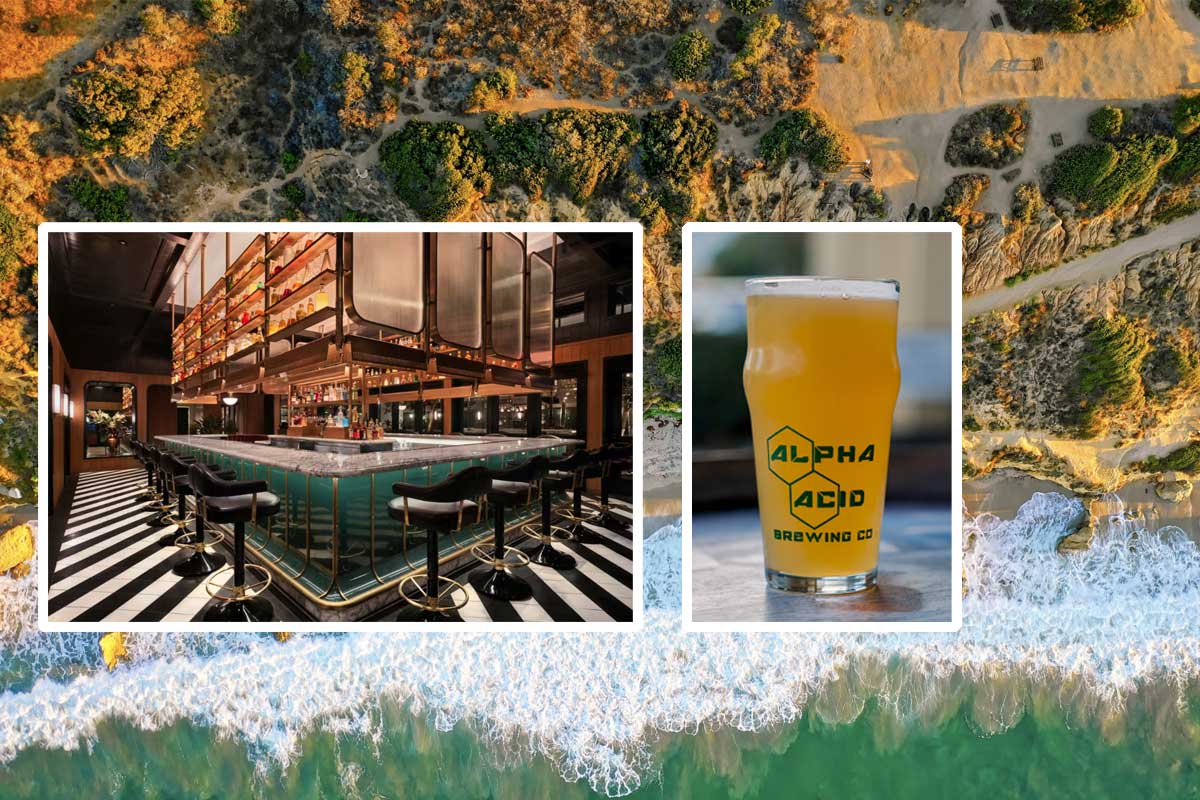
The brewery’s portfolio is diverse, ranging from the "La Chulita" Mexican Lager—designed to pair with local taco trucks—to complex, high-ABV offerings like the "Flying Dutchman," a 10.2% ABV rum-barrel-aged tropical stout. The success of Alpha Acid highlights a specific trend in craft brewing: the utilization of industrial "flex spaces" that offer lower overhead costs while providing an authentic, "hidden gem" atmosphere that appeals to beer enthusiasts. The presence of pinball machines and a rotating schedule of food trucks creates a communal "third space" that bridges the gap between the workplace and the home.
In neighboring San Carlos, Blue Oak Brewing Co. has carved out a niche by specializing in sours and fruit-forward infusions. Their "Cherry Bomb" (fruited sour with cherry and lime) and "POG is My Copilot" (passion fruit, orange, and guava) cater to a palate that seeks alternatives to the hop-heavy profiles of traditional IPAs. However, they also embrace modern brewing science, utilizing "thiolized" yeast strains in their "Hello Motueka" hazy IPA to amplify tropical fruit flavors. This commitment to both experimental sours and scientific innovation marks Blue Oak as a key player in the Peninsula’s specialized market.
Redwood City: The Trail’s Southern Anchor
Redwood City serves as the southern terminus of this 30-mile stretch and boasts the highest density of craft beer establishments in the county. The city’s revitalized downtown and surrounding neighborhoods have become a laboratory for different brewing philosophies.
Ghostwood: The Neighborhood Social House
Ghostwood operates as a classic neighborhood brewpub, focusing on the social aspect of the taproom. Their "Extra Crispy" American lager has garnered critical acclaim, proving that there is still a significant market for clean, well-made traditional styles amidst the craze for hazy IPAs. Ghostwood’s business model integrates entertainment—trivia nights, billiards, and Mario Kart—with a high-quality beverage program, including "Serial Chiller," a Cold IPA that utilizes lower fermentation temperatures to achieve a crisp, bright finish.
Freewheel Brewing: A Focus on English Tradition
Located in the Marsh Manor Shopping Center, Freewheel Brewing Company offers a distinct departure from American brewing trends by specializing in English cask ales. Since 2012, Freewheel has championed the "Extra Special Bitter" (ESB) and nitro-poured stouts. Their flagship "Big V Amber" utilizes Maris Otter malt, a premium British barley known for its rich, bready flavor. By focusing on the smooth, creamy textures of cask-conditioned beer, Freewheel provides a specialized experience that attracts both European expatriates and domestic aficionados seeking a more traditional pint.
Gourmet Haus Staudt: The Bavarian Connection
No analysis of the Redwood City beer scene is complete without mentioning Gourmet Haus Staudt. Functioning as a Bavarian Bierstube, market, and bottle shop, it has become a legendary destination for German imports. Notably, the establishment is reputed to sell more Weihenstephaner—the world’s oldest brewery—than almost any other location in the United States. This highlights the Peninsula’s ability to support both hyper-local microbreweries and world-class international imports simultaneously.
Supporting Data and Economic Context
The growth of these establishments is supported by the demographic profile of San Mateo County. With a median household income significantly higher than the national average, the Peninsula’s population has the discretionary income to support "premiumized" craft products. Furthermore, the proximity to the Caltrain corridor allows for "transit-oriented imbibing," where commuters can stop at various points along the trail without the necessity of a car, a factor that city planners have increasingly encouraged to reduce traffic congestion on Highway 101.
According to a 2023 economic impact report by the Brewers Association, craft brewing contributed over $9 billion to California’s economy. The Peninsula’s contribution to this figure is characterized by high-value, small-batch production rather than high-volume industrial brewing. This "boutique" approach ensures that the region remains a destination for "beercations"—a growing travel trend where tourists plan itineraries specifically around brewery visits.
Broader Implications and Future Outlook
The development of the Peninsula beer trail reflects a broader national trend: the decentralization of craft beer culture from major urban centers into the suburbs. As San Francisco’s commercial real estate remains costly, the Peninsula offers a more sustainable environment for small-scale manufacturers.
However, the success of these breweries also brings challenges. The rising cost of living in San Mateo County poses a threat to the service industry workforce that sustains these taprooms. Furthermore, as the market becomes more crowded, breweries must increasingly differentiate themselves through specialized niches—such as Twelvemonth’s plant-based focus or Freewheel’s cask ales—to maintain consumer interest.
The synergy between the culinary and brewing scenes is also expected to deepen. The "bonus" mention of State of Mind Public House and Pizzeria in Redwood City, led by award-winning pizzaiolo Lars Smith, illustrates how high-quality food is becoming an essential component of the craft beer experience. The rotation of elite draft lists alongside world-class pizza suggests that the future of the Peninsula beer trail lies in "gastropub" integration.
In conclusion, the 30-mile stretch along Highway 101 has successfully transformed from a transit corridor into a premier destination for craft beer. Through a combination of technical innovation, respect for tradition, and strategic urban placement, the breweries of Burlingame, Belmont, San Carlos, and Redwood City have established a new cultural landmark on the San Francisco Peninsula. As the industry continues to evolve, this region is well-positioned to remain at the forefront of Northern California’s vibrant beverage landscape.