admin
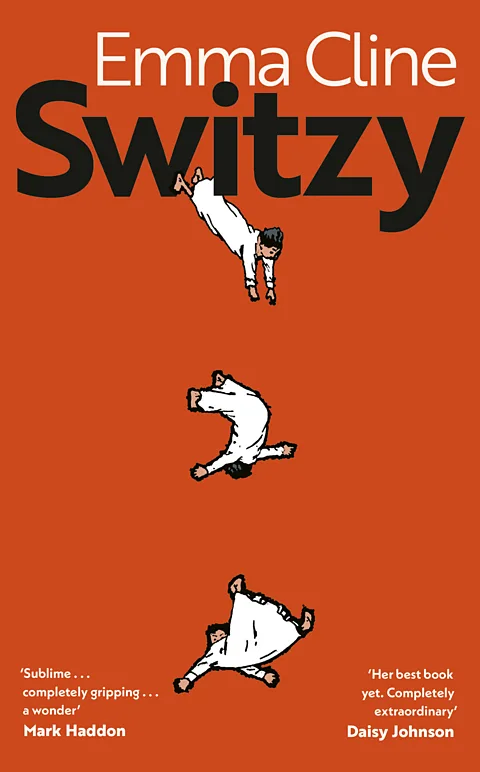
The literary landscape of 2026 has been significantly shaped by a single, divisive, and profoundly somber work of fiction: Emma Cline’s third novel, Switzy. Despite a premise that centers on the terminal decline of a man with Alzheimer’s disease and his journey toward an assisted dying facility in Switzerland, the book has achieved rare status as both a commercial juggernaut and a flashpoint for intense critical debate. While Cline has previously explored the fringes of society and the nuances of social desperation in her previous works, Switzy represents a shift toward the existential, forcing readers to confront the mechanics of memory loss and the ethics of self-determined death. The novel’s recent exclusion from the 2026 Booker Prize shortlist, after appearing on the longlist of 13 titles, has ignited a rare level of public outcry, highlighting a growing tension between traditional literary gatekeeping and the influence of digital book communities.
The Narrative Core and Character Study of David Hastings
Switzy follows the final days of David Hastings, a retired high-level business executive whose life has been defined by corporate success and emotional distance. Having been diagnosed with Alzheimer’s, Hastings decides to end his life before the disease strips him of his remaining lucidity. The novel opens with Hastings traveling to Zurich via a private jet—a final gift from a former business associate—emphasizing the protagonist’s "one-percenter" status. This wealth serves as a narrative device that removes the logistical and financial barriers to assisted dying, allowing Cline to focus exclusively on the psychological and philosophical dimensions of David’s choice.
Accompanying David is his assistant, Cody, a character who functions as a pragmatic foil to David’s unraveling consciousness. Cody manages the schedule, administers medication, and ensures the itinerary is followed, including a pivotal stop in London. This stop involves a dinner with David’s estranged daughter, Rebecca. The tension of the novel is heightened by David’s refusal to inform Rebecca of his plans, creating a poignant exploration of parental failure and the limits of reconciliation.
Cline utilizes a close third-person perspective to simulate the onset of dementia. The prose is deliberately fragmented, reflecting a mind where information is described as "shaking like dice in a leather cup" before being scattered in a jumble. David relies on a small leather notebook to anchor himself to reality, recording essential facts such as his current city, the name of his grandson, and the countdown to his appointment at the clinic. This stylistic choice has been praised for its immersive quality, placing the reader directly within the disorientation of a fading intellect.

Chronology of Release and the Rise of a Literary Phenomenon
The trajectory of Switzy from a difficult manuscript to a cultural touchstone began in early 2026. When Cline first submitted the draft to her agent, the response was one of concern rather than immediate celebration, reflecting the "tough sell" of the subject matter. However, upon its release in September 2026, the novel immediately defied market expectations.
- January – May 2026: Initial industry buzz begins to build around Cline’s "secret project," following the success of her previous works, The Girls and The Guest.
- September 2026: Switzy is published to immediate critical acclaim. It enters bestseller lists in the United Kingdom and the United States within its first week of release.
- October 2026: The Booker Prize judges include Switzy on the "longlist" of 13 books, cementing its status as a major literary contender.
- Late October 2026: The Booker Prize shortlist is announced. Switzy is notably absent. This omission triggers a wave of "Justice for Switzy" campaigns across social media platforms including TikTok and Instagram.
- November 2026: The novel remains at the center of the cultural conversation, with sales continuing to climb as the public debates the merits of the Booker judges’ decision.
The Booker Prize Controversy and the Hype Cycle
The omission of Switzy from the Booker Prize shortlist became a defining moment for the 2026 awards season. The reaction from "BookTok" and "Bookstagram"—digital communities that have become increasingly influential in the publishing industry—was swift and largely critical of the judging panel. High-profile literary influencers, such as Jack Edwards, publicly voiced their disappointment, signaling a shift where popular acclaim and "internet love" now play a significant role in how literary prestige is perceived.
In response to the backlash, Booker Prize judge Patricia Lockwood defended the panel’s decision, stating that the judges must remain insulated from "hype cycles." This comment sparked further debate regarding whether the popularity of a book should be a factor in its critical evaluation, or if a "hype cycle" can sometimes accurately reflect a book’s genuine resonance with the contemporary zeitgeist.
Despite the snub, the novel has received endorsements from several of the industry’s most respected voices. Matt Haig described the work as "very impressive," and former Booker winner Samantha Harvey labeled it "a miracle of a novel." The divide between the official prize outcome and the consensus of fellow authors and the reading public has highlighted the subjective nature of literary excellence.
Contextualizing Assisted Dying and Ethical Frameworks
The thematic backbone of Switzy is the contentious issue of assisted dying. The novel’s release coincided with significant real-world legislative debates. In the United Kingdom, proposals to legalise assisted dying were recently narrowly rejected, reflecting a society deeply divided on the issue of end-of-life autonomy.

Cline’s approach to the topic is notably objective. She avoids taking a moral stance, instead presenting David’s decision as a fait accompli. The narrative focuses on the how and the experience rather than the should. By naming the clinic representative "the Ghoul," David acknowledges the grim nature of the process, yet he remains steadfast in his belief that he must be "crazy to do this but not so crazy" that he loses the legal capacity to consent.
The novel examines the "rigorous assessment" required by Swiss facilities, where patients must demonstrate lucidity before being allowed to proceed. This creates a ticking-clock element to the story; David is in a race against his own brain to ensure he can end his life on his own terms. This exploration of "the void" offers a stark look at mortality that many readers have found both uncomfortable and "strangely invigorating."
Critical Dissent and Stylistic Critiques
While the majority of the reception has been positive, Switzy has not been without its detractors. A notable critique came from Devon Halliday in a viral Substack post titled "Literary Fiction Has Lost The Plot." Halliday argued that the novel’s "slow, vague, broody opening" is emblematic of a trend in contemporary fiction that prioritizes atmosphere over narrative momentum.
Furthermore, critics such as Nick Roberts in the Los Angeles Review of Books have questioned the choice of protagonist. Roberts noted the challenge Cline faced in making an "unpleasant one-percenter" sympathetic to a general audience. The portrayal of David as a man who was an absent father and a ruthless businessman suggests that Cline was less interested in creating a likable hero and more interested in exploring the universal experience of death through the lens of a man who has lost everything that previously defined his ego.
The inclusion of humor, such as David’s reaction to the Swiss road sign "Ausfahrt" (which he misinterprets as "assfart"), serves to ground the high-concept tragedy in the mundane and the absurd. These moments of levity have been cited by supporters as evidence of Cline’s sophisticated control over tone, preventing the novel from becoming a purely somber exercise in nihilism.

Broader Implications for the Publishing Industry
The success of Switzy suggests a shift in reader appetite toward "difficult" subject matter. In an era often dominated by escapism, the popularity of a novel about dementia and assisted suicide indicates a desire for literature that grapples with the core of the human condition.
The data surrounding the book’s performance—its high engagement on social media and its sustained presence on bestseller lists—demonstrates that literary fiction can still achieve mass-market success without compromising on stylistic complexity or thematic weight. The controversy surrounding the Booker Prize has also raised questions about the future of literary awards. If the most "championed" book of the year is excluded from the top prizes, does it diminish the prestige of the award or the perceived value of the book?
As Cline reflected in her interview with the New Yorker, the novel asks what remains of a person when their professional identity, their wealth, and their memories fall away. This existential inquiry has clearly struck a chord in 2026, a year characterized by global uncertainty and a renewed focus on individual autonomy.
Conclusion
Emma Cline’s Switzy stands as a definitive work of its time, not merely because of its controversial subject matter, but because of its daring execution. By placing the reader inside the dissolving mind of David Hastings, Cline has created a unique reading experience that transcends the boundaries of traditional narrative. Whether viewed as a masterpiece of contemporary fiction or a product of a social media hype cycle, the novel’s impact on the literary discourse of 2026 is undeniable. It has forced a public conversation on assisted dying, the fallibility of memory, and the criteria by which we judge literary greatness, ensuring its place in the cultural canon for years to come.