admin
When the founders of DankHouse Brewing in Newark, Ohio, received an invitation to showcase their portfolio at the prestigious Juicy Brews IPA festival in February 2020, they faced a logistical and culinary crisis that would lead to one of the most unorthodox "scooping parties" in the history of the craft beer industry. Josh and Heather Lange, who established their brewery in 2017, had selected "Banana Peel’d"—a hazy India Pale Ale (IPA) infused with banana puree—as their flagship offering for the Pittsburgh-based event. However, just days before the beer was scheduled to ship, the couple found the flavor profile lacking the necessary intensity to compete on a national stage.
The ensuing scramble highlighted the unique challenges of working with one of the world’s most recognizable but technically difficult fruits. Aseptic banana puree, the industry standard for commercial brewing, could not be delivered in time. Attempts to use store-bought bananas resulted in unappetizing browning due to rapid oxidation, and dried banana chips failed to yield the desired aromatic impact. The solution came from an unexpected discovery: the high-quality purees used by professional brewers shared a nearly identical composition with Gerber banana baby food. This led the Langes to canvas every grocery store within a 40-mile radius of Columbus, Ohio, clearing shelves of infant nutrition to fortify their IPA. At the festival, the DankHouse team found themselves pouring their "baby food beer" just booths away from industry titans like The Alchemist, creators of the legendary Heady Topper, illustrating the playful yet desperate lengths to which modern brewers will go to achieve the perfect banana profile.
The Historical and Biological Divide of Banana Flavor
To understand why brewers struggle to replicate "authentic" banana flavor, one must look back nearly a century to a shift in global agriculture. Until the mid-20th century, the dominant banana variety exported to the United States was the Gros Michel, also known as "Big Mike." This cultivar was characterized by a thick peel and a high concentration of isoamyl acetate, a fruity ester that provides the pungent, sweet aroma most people now associate with artificial banana candy, such as Runts or Laffy Taffy.
In the 1950s, a fungal outbreak known as Panama disease decimated the Gros Michel populations, forcing the global fruit industry to pivot to the Cavendish variety. While the Cavendish was resistant to the fungus, it contained significantly lower levels of isoamyl acetate. This biological shift created a permanent sensory disconnect for consumers: real bananas today taste mild, while "banana-flavored" products—and certain styles of beer—rely on a chemical profile that mirrors an extinct era of fruit production.
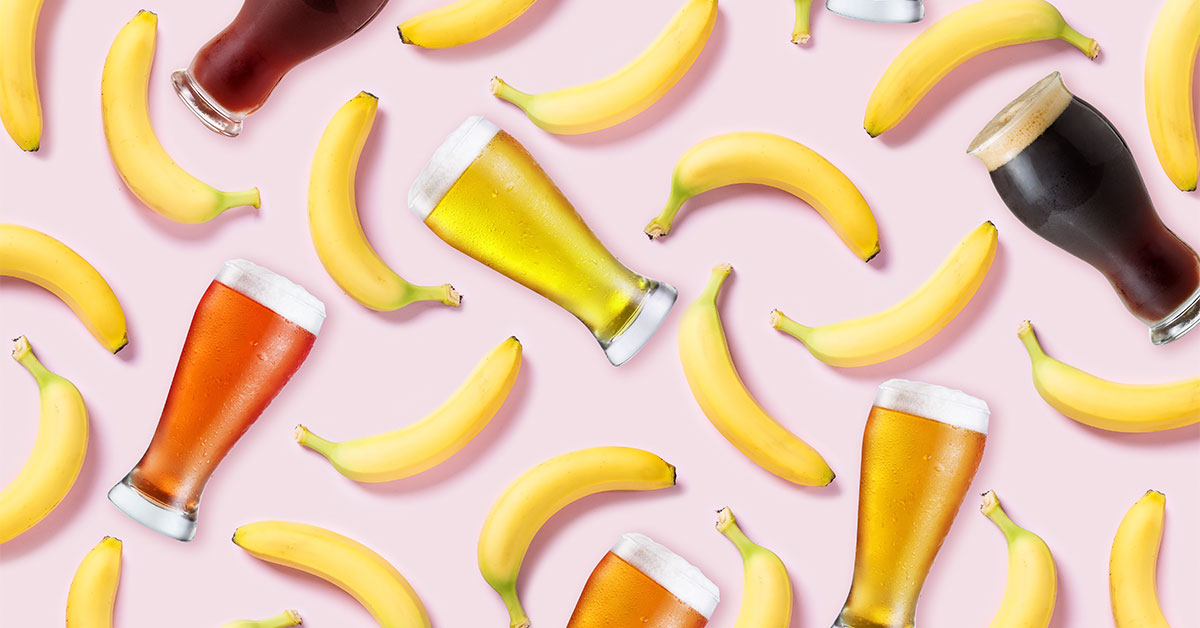
In the brewing world, all beers contain some level of isoamyl acetate. Even mainstream macro-lagers like Coors Banquet possess a subtle banana note that develops during cold fermentation. However, in most styles, an overt banana scent is classified as an "off-flavor," indicating a failure in temperature control or yeast health. The notable exception is the German Hefeweizen, where the banana aroma is not just welcomed but required.
The Technical Art of Yeast Stress
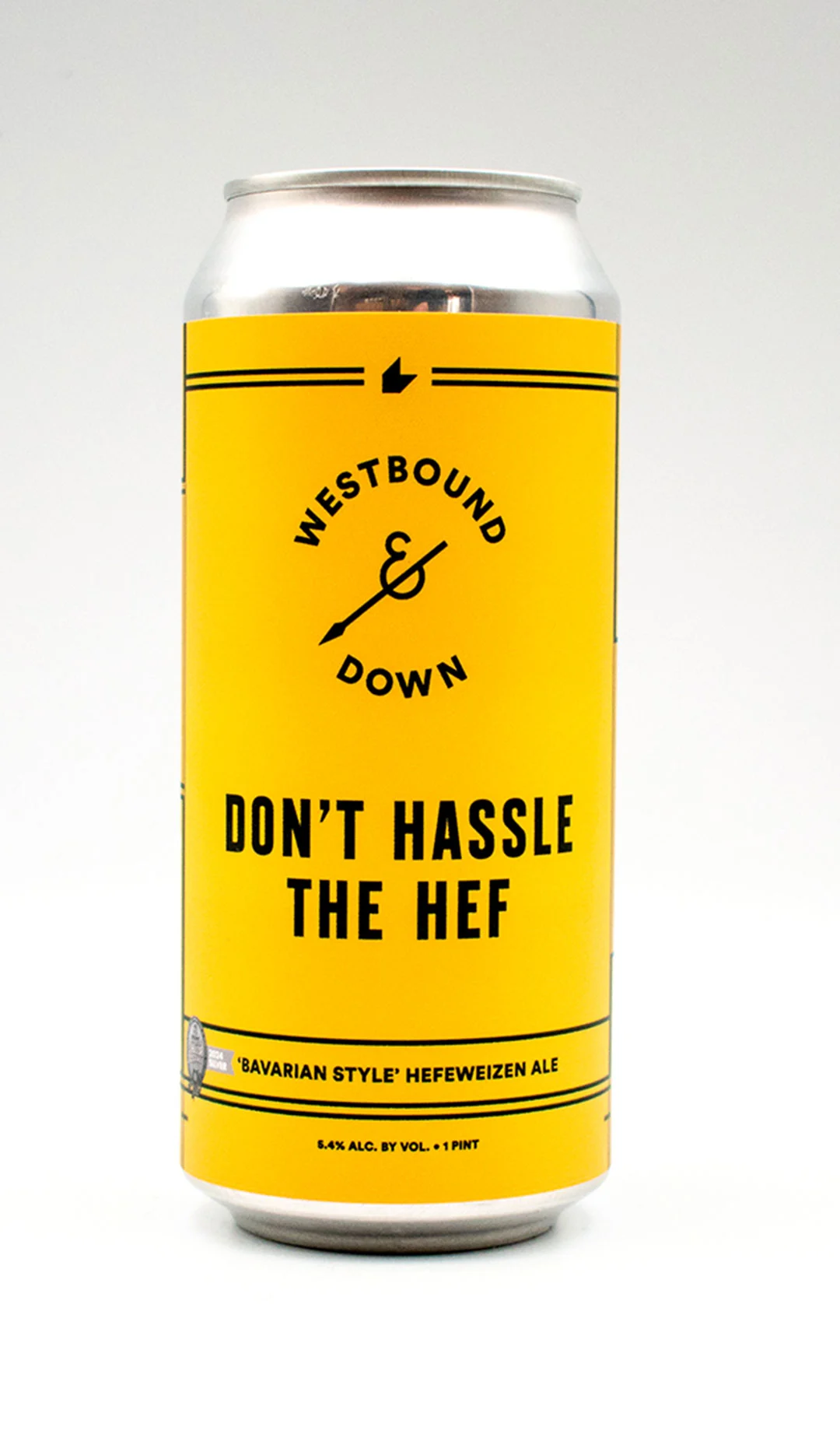
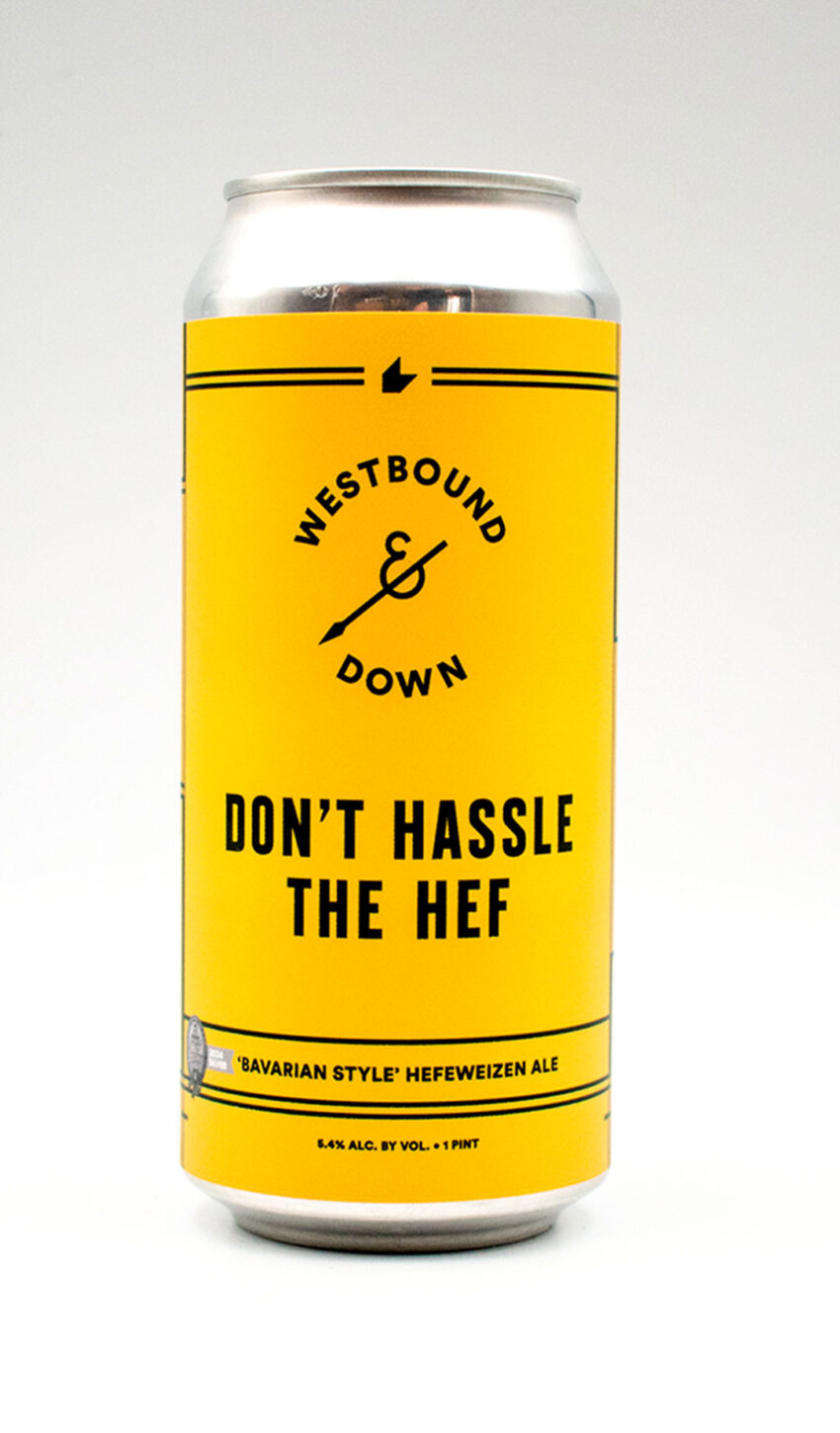
Achieving the signature banana scent in a Hefeweizen without adding actual fruit is a feat of biochemical engineering. Derek Goodman, the head brewer at Colorado’s Westbound & Down Brewing, notes that a proper Hefeweizen should smell less like a fresh Cavendish and more like a handful of crushed banana Runts. To achieve this, Goodman employs a technique known as "under-pitching."
By pitching only one-third of the recommended amount of yeast and minimizing the available oxygen in the wort, brewers intentionally stress the yeast cells. In their struggle to reproduce and consume the sugar-rich wort, the yeast cells produce an excess of esters, specifically isoamyl acetate. This "greedy" behavior of the yeast, as Goodman describes it, is what generates the classic banana and clove profile of the Great American Beer Festival (GABF) medal-winning "Don’t Hassle the Hef."
This trend is reflected in the broader market data provided by yeast suppliers. Jeff Mello, founder of Nashville’s Bootleg Biology and Spot Yeast, reports that Hefeweizen strains have surged to become the second best-selling products in his catalog, trailing only the ubiquitous hazy IPA yeasts. The demand for these profiles has even spurred local events, such as the "Banana Brunch" at Nashville’s Fait La Force Brewing, where Hefeweizen is paired with ice cream to lean into its dessert-like qualities.
Regulatory Evolution and the TTB
For years, the use of bananas in commercial brewing was hampered by federal bureaucracy. Until late 2022, the Alcohol and Tobacco Tax and Trade Bureau (TTB) did not classify bananas as a "traditional" brewing ingredient. Unlike malts, hops, or even certain citrus fruits, bananas required breweries to submit complex "formula exemptions" before they could legally sell banana-infused beers.
This regulatory hurdle often discouraged smaller breweries from experimenting with the fruit due to the administrative burden and the potential for delays in product launches. However, following a series of expansions to the list of exempt ingredients, the TTB now allows for much greater flexibility. This shift has coincided with the rise of the "pastry stout" and "smoothie sour" movements, where brewers seek to replicate complex desserts like banana-split sundaes or Bananas Foster within a glass.
The Quest for the Grand Cru of Bananas
While yeast stress works for German ales, brewers of high-gravity imperial stouts and barleywines often require more "heft" than yeast alone can provide. This has led to a burgeoning market for exotic adjuncts, most notably the wild Thai banana.
Rodrick Markus, CEO of Chicago-based Rare Tea Cellar, began importing these dried, fructose-rich fruits over a decade ago, primarily for the culinary market. He refers to them as the "Grand Cru of bananas" because they provide a concentrated, jammy flavor that does not introduce the excess water or oxidation issues associated with fresh fruit or standard purees. During the COVID-19 pandemic, while restaurant orders plummeted, Markus saw a massive spike in demand from the brewing industry. Craft breweries such as Other Half and Evil Twin began buying thousands of pounds of Thai bananas to infuse into their barrel-aged stouts.
However, this premium flavor comes at a significant cost. Matt Tarpey, co-founder of The Veil Brewing in Richmond, Virginia, notes that to achieve a truly "crazy" banana character, a brewery needs upwards of 10 pounds of Thai bananas per barrel of beer. With prices hovering around $50 per pound—compounded by a 35% tariff on Thai imports—the cost of ingredients alone can make these beers a "labor of love" rather than a primary profit driver. For a standard 30-barrel batch, the fruit cost alone could exceed $15,000, a staggering figure for a small business.
Supply Chain Realities and Brewing Logistics
The physical properties of bananas also present unique challenges in the brewhouse. Adding purees during active fermentation can lead to the production of excess sulfur, resulting in "rotten egg" aromas that are difficult to scrub from the finished beer. Nick Panchamé, president of HOMES Brewery and the Smooj hard smoothie brand, prefers adding banana puree post-fermentation. This method preserves the residual sweetness and contributes to a thick, creamy mouthfeel that has become a hallmark of the "smoothie" beer trend.
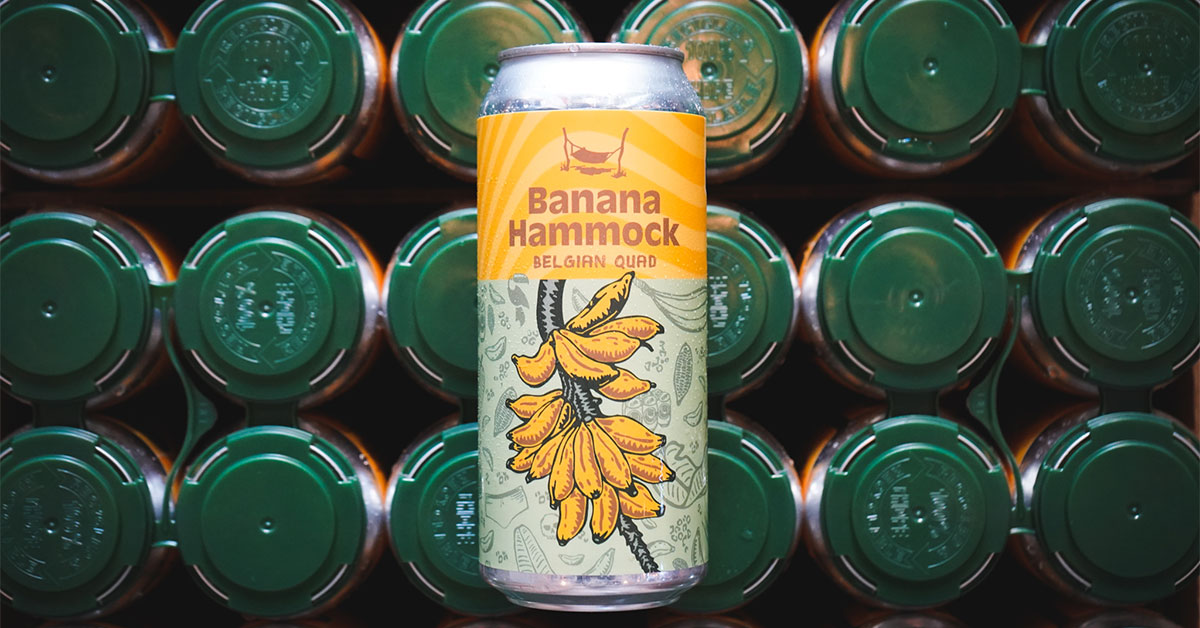
Despite the move toward high-tech purees and expensive imports, some brewers maintain a sentimental connection to the raw fruit. At Crooked Hammock Brewery, which produces the Belgian-style quadrupel "Banana Hammock," director of brewing operations Larry Horwitz still insists on adding a few whole bananas to the brew kettle. While the brewery now uses bulk purees for the majority of the flavor, Horwitz believes the act of hand-peeling and tossing a few bananas into the mix "just feels right," bridging the gap between industrial production and artisanal craft.
Broader Impact and Industry Implications
The "banana moment" in American craft beer is indicative of a larger shift in consumer preferences toward recognizable, nostalgic flavors. As the market for traditional IPAs reaches a point of saturation, breweries are increasingly turning to "culinary brewing" to differentiate themselves. The success of banana-centric beers reflects a consumer base that is less concerned with "purity" (as defined by the German Reinheitsgebot) and more interested in sensory experiences that evoke memory and comfort.
Furthermore, the economic impact of these trends is felt globally. The demand for specific varieties like the wild Thai banana has created a niche but lucrative supply chain that links American taprooms to Southeast Asian agriculture. As trade policies and tariffs continue to fluctuate, the cost of these "luxury" beers will likely rise, testing the limits of what consumers are willing to pay for a pint that tastes like a childhood snack.
In conclusion, the journey of the banana in beer—from a stressed-out yeast ester to a $50-a-pound exotic adjunct—mirrors the evolution of the craft beer industry itself. What began as a technical necessity in German brewing has transformed into a high-stakes pursuit of flavor that involves grocery store raids, federal regulatory shifts, and international trade logistics. Whether through the "scooping parties" of Newark or the barrel-aging programs of Richmond, the industry’s obsession with the banana shows no signs of slipping.