admin
The famous verses of Emma Lazarus’s 1883 sonnet, "The New Colossus," inscribed on the pedestal of the Statue of Liberty, have long served as the definitive anthem for the American immigrant experience. While the "huddled masses" of the early 20th century are most frequently associated with the tenements of New York’s Lower East Side or the industrial hubs of the Midwest, a parallel narrative of aspiration and upward mobility unfolded on the West Coast. In San Francisco, the "golden door" was often found not in the promise of gold mines, but in the industrial corridors of the city’s burgeoning brewing industry. For the Slovene-American community, these factories represented a vital bridge between the hardships of the Old World and the stability of the American middle class.
The Maritime Roots and Industrial Evolution of San Francisco Brewing
San Francisco’s identity as a city of fortune-seekers dates back to the mid-19th century, long before it became a global technology hub. Richard Henry Dana, a Harvard-educated sailor who documented his 1834 journey in Two Years Before the Mast, provided some of the earliest English-language accounts of the region. By the time Dana returned in 1858, the Gold Rush had transformed a quiet village into a bustling metropolis. However, as Dana noted, the real fortunes were rarely found in the hills of the Sierras. Instead, the enduring wealth of the city was built by merchants and manufacturers who catered to the needs of a rapidly growing population.
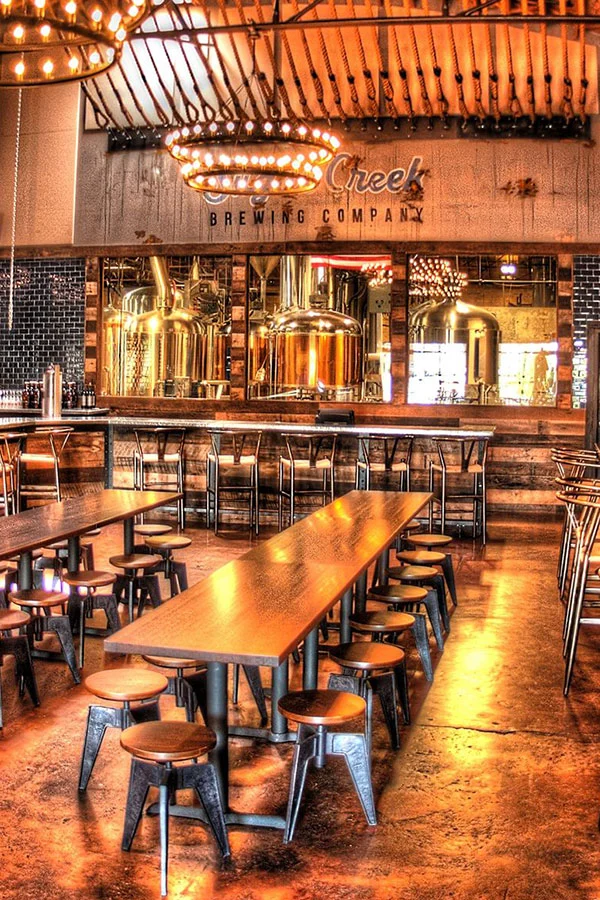
Among these entrepreneurs were the city’s early brewers. Records indicate that the first shipment of bottled beer arrived in San Francisco in 1843, via the firm of Benjamin T. Reed. Because the local climate lacked the natural ice necessary for traditional European lager production, San Francisco brewers developed a unique process known as "steam beer." This method involved cooling the heated wort in large, shallow pools on brewery rooftops, allowing the cool Pacific breezes to facilitate fermentation. This process, now a trademarked style known as California Common, became the backbone of the local industry.
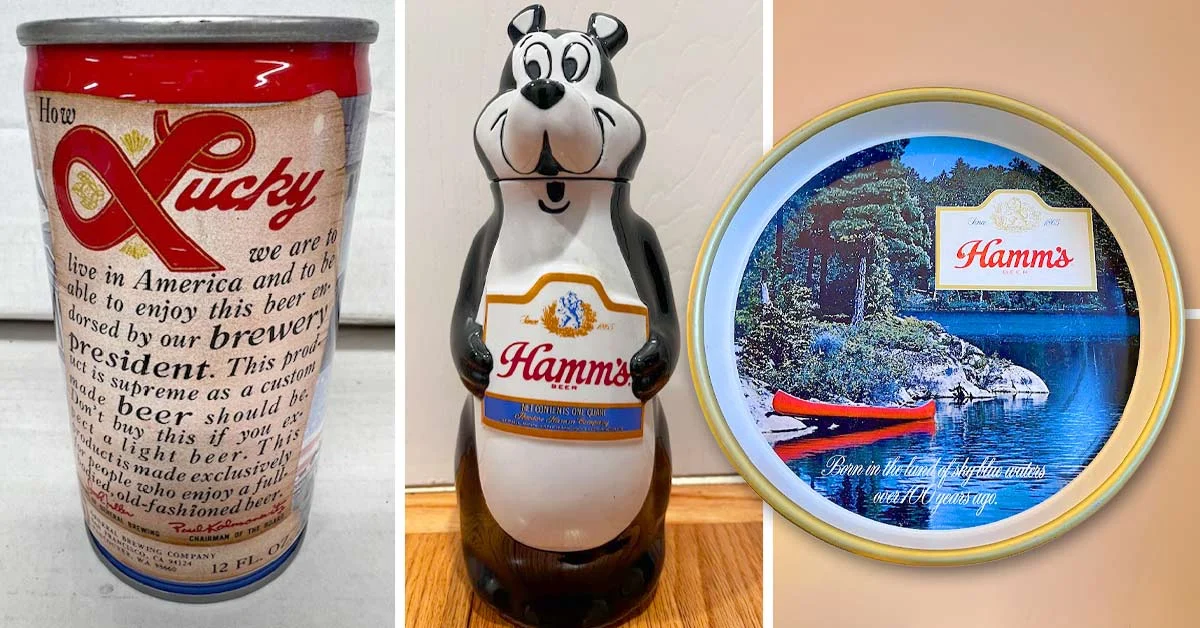
The early 20th century brought significant challenges to the trade. The Great Earthquake and Fire of 1906 leveled many facilities, while the onset of Prohibition in 1920 forced many brewers to pivot to "near-beer" or soda production. Furthermore, anti-German sentiment following World War I marginalized several prominent brewing families. Despite these setbacks, the post-Prohibition era saw the rise of regional giants such as Lucky Lager, Acme Brewing, and the Milwaukee Brewing Company—later rebranded as the San Francisco Brewing Corporation and eventually, in 1956, as Burgermeister.
The Slovene Migration and the Search for Industrial Stability
The story of the Slovene-American community in San Francisco is a micro-history of the broader South Slavic migration to the United States. In the 1920s, thousands of Slovenians fled the economic and political instability of the newly formed Kingdom of Yugoslavia. While many settled in the mining towns of Montana, Idaho, and Colorado, or the industrial centers of Ohio and Pennsylvania, a significant contingent eventually migrated toward the Pacific.
According to 1920 census estimates, there were approximately 228,000 Slovene-Americans and their children residing in the United States. In San Francisco, this community remained tight-knit, often centered around manual labor and the trades. For many Slovene men, the initial draw to the U.S. was the mining industry, but the hazardous conditions and boom-and-bust cycles of the Mountain West led them to seek more permanent opportunities in coastal manufacturing.
The transition to the brewing industry was often facilitated by family networks. For instance, the Klemens family, who had arrived in San Francisco in the early 20th century, became a conduit for other Slovene immigrants. Joseph Klemens, an early employee of Burgermeister following the repeal of Prohibition in 1933, encouraged younger relatives and fellow immigrants to join the factory floor. By the 1940s and 50s, the brewing industry had become a primary employer for Slovene-Americans, offering a level of economic security that had eluded previous generations.
Labor Conditions and the Melting Pot of the Brew Floor
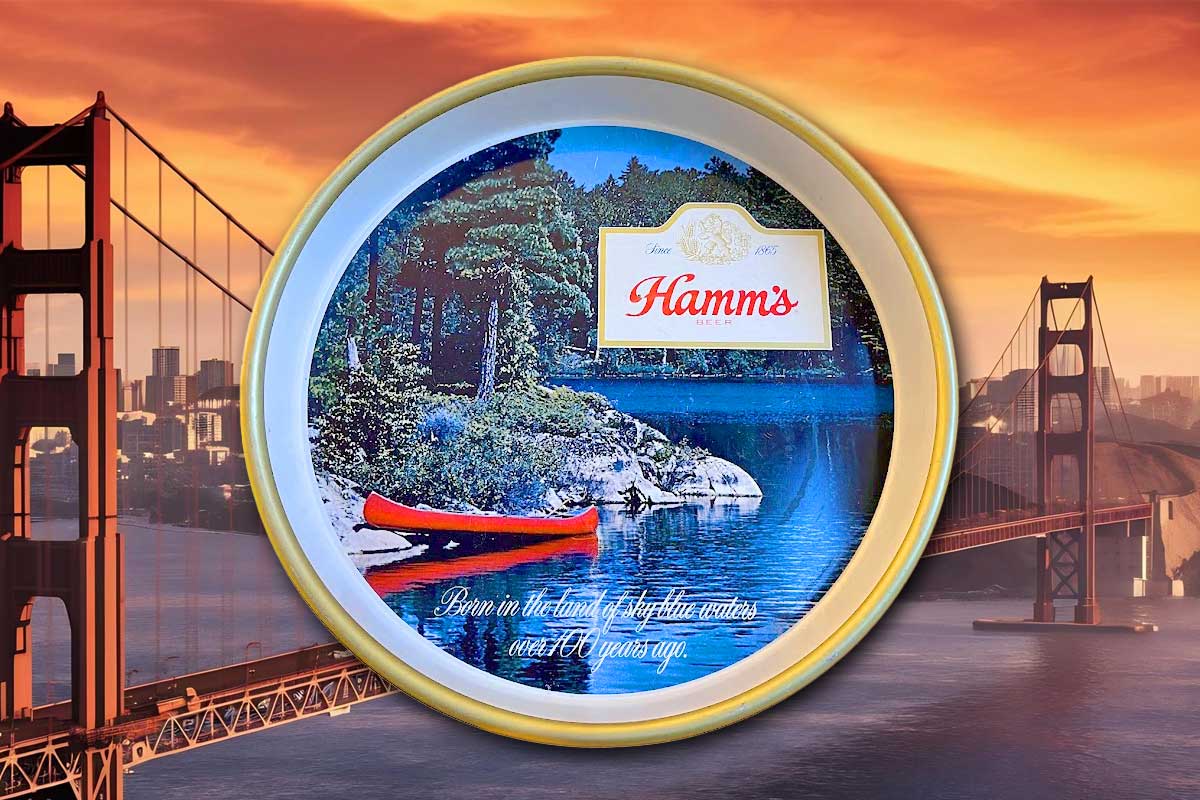
The 1950s marked a golden age for large-scale brewing in San Francisco. National brands like Hamms and Schlitz established massive plants to meet the post-war demand. Burgermeister, affectionately known as "Burgie," became a cornerstone of the local economy. For the Slovene community, these factories were more than just workplaces; they were environments where they could achieve social integration despite prevailing prejudices.
Historical accounts from the era indicate that "No Bohunks Need Apply" signs—a derogatory term targeting Czechs, Slovenes, and Slovaks—were not uncommon in some business sectors. However, the brewing industry, often managed by immigrants themselves, proved more inclusive. The brewery floors functioned as a multicultural melting pot where Slovene workers labored alongside Irish, Italian, French, and Scottish immigrants. By the 1970s, the workforce further diversified to include African American workers, reflecting the shifting demographics of the city.
The labor was grueling but respected. Workers were responsible for:
- Packaging: Moving glass bottles and, later, large pallets of aluminum cans.
- Logistics: Operating forklifts to manage heavy kegs and shipping crates.
- Production Line: Monitoring fillers, labeling machines, and capping stations.
- Quality Control: Testing pH levels and product consistency to ensure brand standards.
During the peak summer months, demand for beer skyrocketed, allowing workers to take on extensive overtime. Double shifts during "swing" and "graveyard" schedules were common, providing the financial means for these families to move into the middle class, purchase homes, and send their children to college.
Unionization and the Path to the Middle Class
The upward mobility of the Slovene-American community was inextricably linked to the strength of labor unions, particularly the Teamsters. In an era before the widespread automation of manufacturing, the union provided a critical safety net, ensuring fair wages, workplace safety, and, most importantly, pensions.
The political consciousness of these workers was evidenced during the 1973 nationwide boycott of the Coors Brewing Company. Slovene workers in San Francisco joined the protest against Coors’ alleged anti-union practices, employment discrimination, and the implementation of polygraph tests for employees. For the Slovene community, supporting the union was a matter of preserving the dignity of manual labor.
The impact of these wages was generational. High school and college-aged sons of brewery workers often joined the union for summer shifts, earning enough to pay for their education or purchase their first vehicles. This seasonal labor served as a rite of passage, reinforcing the value of hard work while providing the capital necessary for the next generation to pursue professional careers.
The Vietnam War and the Cultural Significance of the "Cold One"
The San Francisco brewing industry also played a unique role during the Vietnam War. Many of the factory workers were veterans of World War II or the Korean War, and by the late 1960s, many had sons serving overseas. When shipments of beer were prepared for transport to military bases in Southeast Asia, workers would often line the pallets with local newspapers, magazines, and letters from home.
For the servicemen stationed in Vietnam, receiving a pallet of San Francisco-brewed beer was a significant morale booster. It represented a tangible connection to their home city and the families working on the production lines. This practice underscored the deep-seated patriotism of the immigrant workforce and their commitment to supporting the next generation of Americans.
Technological Disruption and the Rise of Craft Brewing
The decline of large-scale industrial brewing in San Francisco began in the late 1970s, driven by two primary factors: technological automation and shifting market dynamics. As computer-controlled machinery began to replace manual sorting and packing tasks, the need for a large blue-collar workforce diminished. Simultaneously, the industry saw a move toward consolidation, with many San Francisco plants closing as production moved to more centralized, high-capacity facilities outside the city, such as the Anheuser-Busch plant in Fairfield.
However, as the industrial giants faded, a new movement was taking root. In 1965, Fritz Maytag acquired a struggling Anchor Brewing Company. By focusing on quality, traditional methods, and small-batch production, Maytag ignited the American craft beer revolution. While the massive Burgermeister factory eventually closed its doors—the site is now occupied by a Costco—the legacy of San Francisco brewing shifted from quantity to artisanal quality.
Legacy and the Modern Landscape
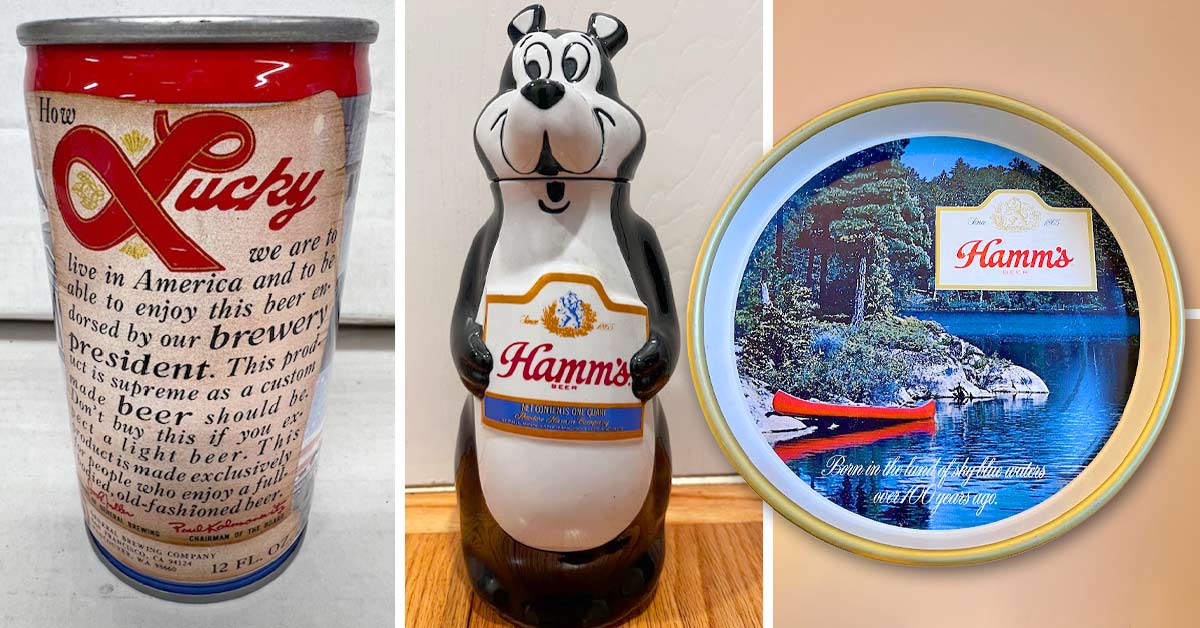
Today, the contribution of Slovene-American workers to the fabric of San Francisco is largely preserved through oral histories and family memorabilia. The old promotional trays, calendars, and neon signs found in the basements of Slovene families serve as artifacts of a bygone industrial era.
The city remains a focal point for beer culture, highlighted by events such as SF Beer Week, which showcases hundreds of Northern California breweries. Interestingly, the connection to Slovenia remains alive in the modern market. Slovenia has developed its own robust brewing culture, dominated by the Laško and Union brands. At European-style bottle shops across the Bay Area, descendants of the original Slovene immigrants can now purchase beers imported from their ancestral homeland, completing a cultural circle that began over a century ago.
The story of the Slovene-American brewery workers serves as a factual testament to the power of industrial labor in facilitating the American Dream. While the "golden door" of the West Coast may have changed its appearance over the decades—from gold mines to beer factories to technology campuses—the underlying narrative remains one of hard work, community solidarity, and the enduring search for a better life. As John Steinbeck famously wrote in Cannery Row, "There’s nothing like that first taste of beer!" For the Slovene immigrants of San Francisco, that taste was synonymous with the flavor of success and the security of a new home.