admin
admin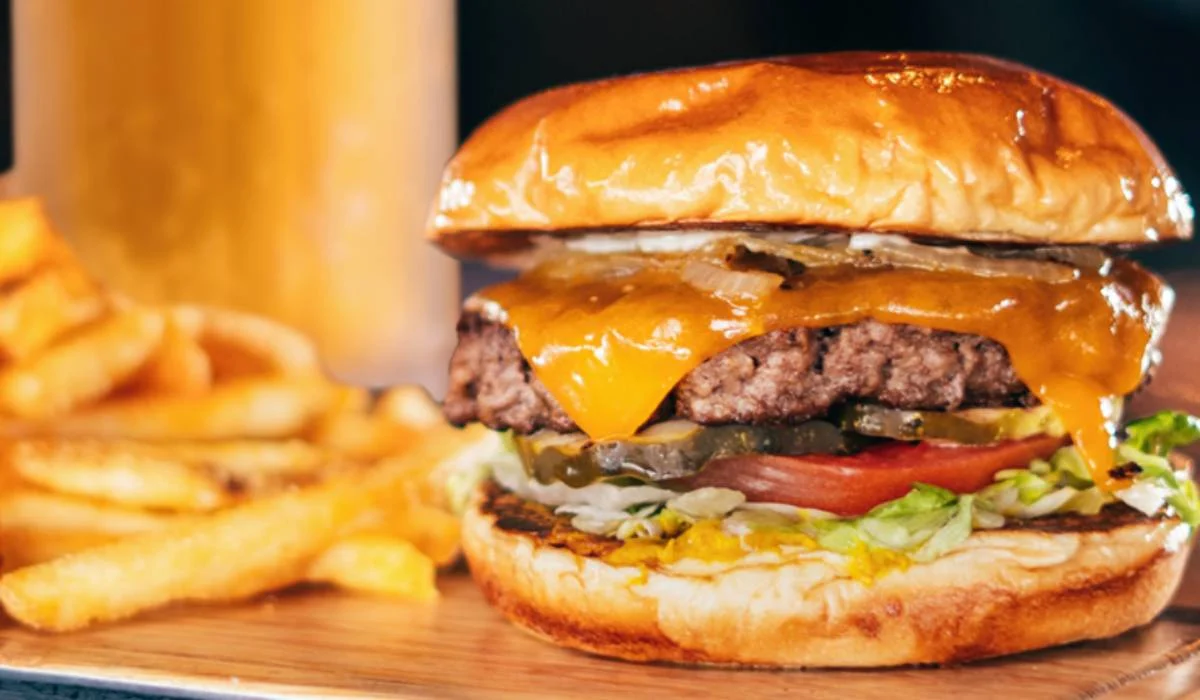
The hospitality landscape is witnessing a significant structural evolution as Twin Peaks, the Dallas-based sports lodge chain, navigates a high-profile transition in its corporate governance and ownership. Earlier this year, the 115-unit brand transitioned to new ownership following a publicized bankruptcy involving its former parent company, FAT Brands. The shift culminated in lenders taking control of the chain through a $359.5 million credit bid, a financial maneuver that has effectively decoupled the brand’s operational future from the fiscal challenges of its previous holding company. Despite the complexities of the capital restructuring, the brand’s executive leadership remains steadfast in its commitment to a "business-as-usual" approach, prioritizing aggressive physical expansion and a comprehensive overhaul of its culinary program.
At the center of this transition is Summit Acquisitions, a group comprised of prominent franchisee leadership that is now overseeing operations and growth strategy on behalf of the lender-owners. This shift toward operator-led governance is being hailed by internal stakeholders as a strategic advantage. Melissa Fry, the Chief Marketing Officer for Twin Peaks, emphasizes that while the ownership papers may have changed, the brand’s core identity—centered on its signature 29-degree beer, extensive television arrays, and high-touch service—remains the focal point of the guest experience. Fry notes that consumer loyalty is rarely tethered to corporate ownership structures, but rather to the emotional and experiential consistency a brand provides.
Operational Continuity and the Role of Summit Acquisitions
The transition to a franchisee-influenced leadership model represents a pivot toward operational pragmatism. By placing the brand under the guidance of Summit Acquisitions, Twin Peaks is leveraging the expertise of those who manage the lodges on the front lines. This "operator-first" mentality is intended to streamline decision-making and ensure that corporate strategies are grounded in the realities of daily restaurant management. Fry, who joined Twin Peaks in late 2024 following a 25-year tenure at Hooters, suggests that having an advisory group composed of actual operators ensures that everyone at the table "speaks the same language."
This model is designed to move away from the traditional friction often found between Wall Street-oriented investors and boots-on-the-ground franchisees. Instead, the current structure prioritizes long-term brand health and market expansion. The executive team, which remains largely intact following the acquisition, includes President and COO Roger Gondek, Chief People Officer Lexi Burns, and Chief Financial Officer Scott Gray. The retention of this "C-suite" is a calculated move to signal stability to both the workforce and prospective development partners. There are currently no planned staffing reductions, further underscoring the lenders’ belief in the existing operational framework.
A Chronology of Restructuring and Resilience
The path to the current ownership structure began with the financial challenges faced by FAT Brands, which acquired Twin Peaks in 2021 for approximately $300 million. While Twin Peaks remained a high-performing asset within the portfolio, the broader financial pressures on the parent company led to the Chapter 11 filing. The $359.5 million credit bid by lenders was a decisive action to protect the value of the Twin Peaks brand by separating it from the parent company’s liabilities.
For Melissa Fry, this process bears a striking resemblance to her previous experience. During her quarter-century at Hooters, she navigated a similar public bankruptcy and ownership transition that eventually saw the brand guided by a franchisee group. Fry reflects on that period as a formative learning experience, one that taught her how to maintain brand integrity and guest trust during periods of corporate volatility. She maintains that the "guest promise"—the expectation of quality and atmosphere—must never waver, even when the back-end financial structures are in flux. Under this new leadership, Twin Peaks has not only maintained its current footprint but has actively continued to open new "lodges," signaling to the market that the brand is in a growth phase rather than a defensive one.
Culinary Innovation: The "Massive" Menu Rollout
While the ownership change has dominated industry headlines, the most visible shift for the consumer will occur within the kitchen. Twin Peaks is preparing for its most significant menu launch in nearly six years. This "massive" rollout, teased by Fry, aims to challenge the misconception that the brand is a standard "fries and sliders" sports bar. Under the direction of concept chef Christian Stewart, the brand is moving toward what it describes as "elevated polished casual dining."
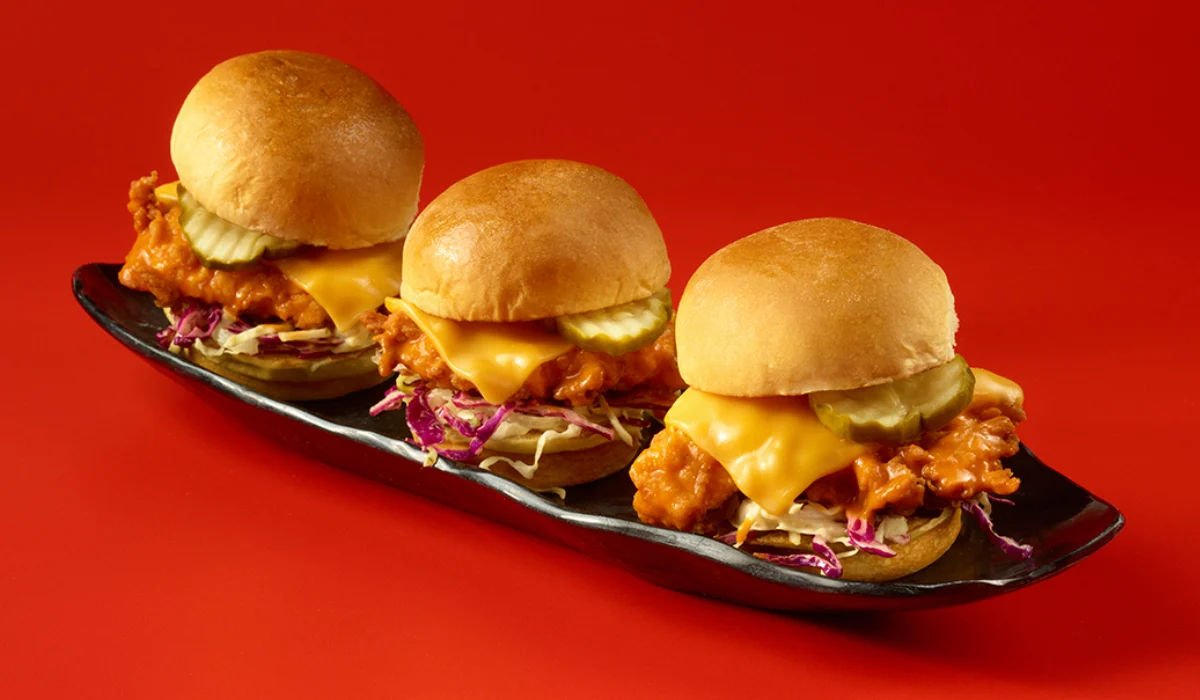
Earlier this year, the chain introduced several new items to test the waters, including a Turkey Cheddar Melt, Sweet Heat Shrimp Tacos, Twice-Baked Potatoes, and a Crispy Fish Sandwich. The upcoming rollout will expand on this foundation, introducing more "knife and fork" entrees, an array of shareables, and enhanced lunch specials. The beverage program is also seeing a shift, with new cocktails, shots, and an expanded selection of zero-proof (non-alcoholic) options to cater to a broader demographic and evolving social habits. This culinary pivot is intended to drive repeat visits during non-peak sports hours, ensuring the lodges remain high-volume destinations throughout the week.
Data-Driven Marketing and the "Un-Streamable" Experience
In an era where sports consumption is increasingly fragmented across various streaming platforms, Twin Peaks is doubling down on the "shared experience" that cannot be replicated at home. Fry acknowledges that while fans can now stream games on mobile devices or computers, they cannot stream the atmosphere of a crowded lodge or the camaraderie of a collective viewing experience. The marketing strategy is moving toward creating "destination" moments for major events, such as the World Cup, UFC fights, and NFL Sundays.
To support this, the brand is leaning heavily into its "Friends at the Peaks" platform. This loyalty and engagement tool allows the company to move away from mass marketing and toward personalized consumer connections. By analyzing data on guest behavior, preferences, and milestones, Twin Peaks aims to reward frequency and recognize individual customer loyalty. Fry argues that marketing in the modern age must be a blend of high-level creativity and rigorous data analysis, ensuring that the brand reaches the "right" customers rather than just the "most" customers.
Strategic Expansion and Market Outlook
The financial "health" of the brand is currently being measured by its development pipeline. Twin Peaks has recently signed three letters of intent (LOIs) and has active area development agreements for key regions, including Connecticut and South Texas. This geographical diversification suggests a move beyond its traditional strongholds in the South and Midwest, testing the brand’s appeal in the Northeast.
Current franchisees are also signaling confidence by proposing expansions within their existing markets. This internal reinvestment is often viewed by industry analysts as the strongest indicator of a brand’s viability. The interest from prospective new franchisees remains high, bolstered by the brand’s performance metrics and the perceived stability of the new ownership group. The goal is to capitalize on the "blue sky" potential of the brand, positioning it as a leader in the premium sports dining category.
Analysis of Value and Industry Implications
As the restaurant industry faces headwinds from inflation and shifting consumer spending, the concept of "value" has become a central theme. Fry asserts that value at Twin Peaks is not defined by the lowest price point, but by an experience that exceeds the cost of the transaction. In the "polished casual" segment, guests are often willing to pay a premium if the service, food quality, and environment are perceived as superior to lower-tier competitors.
The broader implication of the Twin Peaks transition is a potential trend toward "de-conglomeration" in the restaurant industry. As large holding companies struggle with debt loads, individual high-performing brands may increasingly be "spun off" or taken over by lenders and franchisees who are more focused on the specific operational needs of that single brand. For Twin Peaks, this transition appears to have "unlocked" the brand, allowing it to move forward without the distractions of a larger, struggling corporate parent.
The CMO’s vision for the future is one of "tremendous success," where the ownership transition is viewed in retrospect as a pivotal turning point. By focusing on culinary innovation, technological adaptation, and franchisee-led growth, Twin Peaks is positioning itself to define the next chapter of the sports dining experience. As the brand continues to scale, the industry will be watching closely to see if this operator-centric model becomes a blueprint for other chains facing similar financial crossroads. Fry’s sentiment that the "greatest chapters are still ahead" reflects a corporate culture that is no longer just surviving a transition, but actively seeking to dominate its market segment.