admin
admin
The casual dining landscape in North Carolina is set for a significant transformation as East Coast Wings + Grill (ECW+G), a prominent full-service family dining franchise, moves forward with a sophisticated expansion plan in the Piedmont region. This latest development is spearheaded by Brent and Sherry Weaver, two of the brand’s most seasoned franchise owners, who are transitioning from traditional restaurant operators to comprehensive real estate developers. Scheduled for a second-quarter opening in 2027, the new establishment will not only serve as a flagship dining destination for the Davidson County area but will also anchor a broader retail center designed and owned by the Weavers. This move represents a milestone for the franchise, illustrating a shift toward owner-led real estate investment and long-term generational wealth building within the hospitality sector.
A Legacy of Local Commitment and Franchise Growth
The narrative of this expansion is deeply rooted in the local history of the Piedmont area. Brent and Sherry Weaver, both natives of Davidson County and current residents of Lexington, North Carolina, have spent over two decades cultivating a business relationship with ECW+G. Their journey began 21 years ago when Brent Weaver identified a market gap in his home county. Upon learning that the corporate entity of East Coast Wings + Grill was scouting locations near his community, he initiated contact with the brand’s leadership, ultimately securing the rights to the market.
Since that initial agreement, the Weavers have meticulously built a portfolio of successful ECW+G locations across the state, including high-performing units in Winston-Salem and Mt. Airy. Their latest project in the Piedmont area is the culmination of twenty years of operational excellence and financial planning. By choosing to build on property they own and develop themselves, the Weavers are moving beyond the role of franchisees and entering the realm of commercial real estate development. This strategy allows them to act as their own landlords, providing a level of financial security and operational control that is rare in the traditional restaurant franchise model.
The Strategic Importance of Unit Level Economics
At the heart of this expansion is the brand’s proprietary focus on Unit Level Economics (ULE). Unlike many franchise systems that prioritize rapid unit count growth at the expense of individual store profitability, ECW+G has built its reputation on a disciplined, data-driven approach to sustainability. The project in the Piedmont area serves as a primary case study for this philosophy.
Sam Ballas, the CEO and Founder of East Coast Wings + Grill, brings a background in finance and Wall Street to the franchise’s leadership. Ballas holds a Certified Commercial Investment Member (CCIM) designation and operates a commercial real estate firm, providing him with a unique perspective on the intersection of hospitality and property investment. Under his guidance, the brand encourages franchise owners to look beyond the kitchen and dining room toward the underlying value of the real estate they occupy.
Ballas noted that the Weavers’ transition to becoming their own landlords is a direct result of the wealth created through the ECW+G system. The corporate office provided non-traditional guidance, coaching the couple on how to navigate the complexities of ground-up development and retail center management. This level of support is designed to ensure that the franchise owner captures the maximum possible value from their investment, shielding them from the volatility of commercial rent hikes and providing a tangible asset that appreciates over time.
North Carolina as a Premier Franchise Growth Market
The timing of this expansion aligns with broader economic trends within the state. North Carolina was recently identified as one of the Top 10 franchise growth markets in the United States, according to a comprehensive report from the International Franchise Association (IFA). Several factors contribute to this ranking, including a favorable tax environment, a growing population, and a robust labor market.
The Piedmont region, specifically, has benefited from a diversified economy that includes manufacturing, healthcare, and education. As the population in the Lexington and Davidson County areas continues to swell, the demand for high-quality, full-service dining has outpaced supply. The Weavers’ new location aims to fill this void, offering a "go-to" destination for families and wing enthusiasts who seek a more elevated experience than what is typically found in the fast-casual or quick-service segments.
Development Specifics and the Anchor Tenant Model
The project is distinctive because it involves the construction of a multi-tenant retail center. By serving as the anchor tenant, the ECW+G restaurant will drive consistent foot traffic to the site, increasing the desirability of the surrounding retail spaces for other businesses. This "anchor" strategy is a classic real estate play, but it is rarely executed by the restaurant operator themselves.
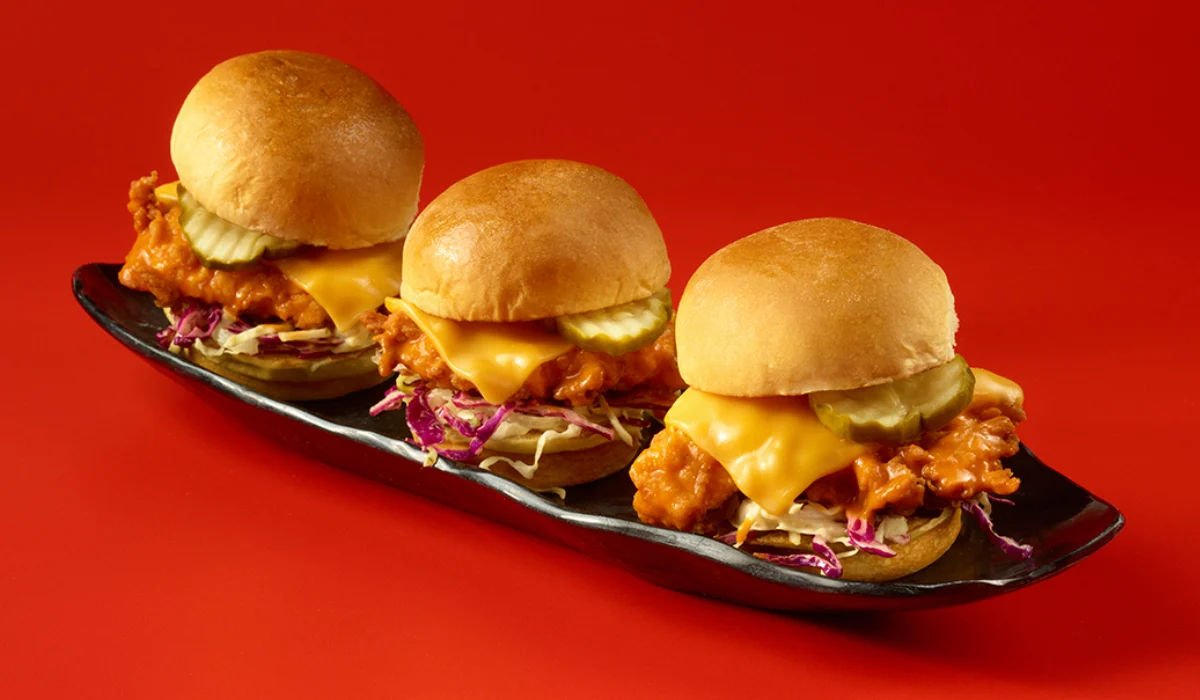
The ground-up development allows the Weavers to customize the restaurant’s footprint to meet the modern operational needs of the ECW+G brand. This includes optimized kitchen layouts for both dine-in and off-premises sales, as well as a dining area designed to accommodate the brand’s signature family-friendly atmosphere. The restaurant is famous for its extensive menu, featuring over 50 flavors of award-winning wings and seven distinct heat levels, ranging from "Mild" to the formidable "Insanity." By controlling the construction process, the Weavers can ensure that the facility is built to the exact specifications required to deliver this complex menu efficiently.
Generational Succession and Community Roots
Beyond the immediate economic implications, the Piedmont project is a vehicle for generational wealth. The Weavers have structured the business with a clear succession plan in place for their son, Andrew Weaver. Andrew is slated to eventually take over the operations of the family’s restaurant portfolio and the management of the new retail center.
This focus on generational transfer is a core component of the ECW+G culture. By involving the next generation in the development phase of the new location, the Weavers are ensuring that the family’s investment remains rooted in the Davidson County community for decades to come. This stability is often cited by the brand as a key factor in its high levels of franchisee satisfaction and system-wide performance.
Corporate Strategy and Disciplined Growth
The expansion in North Carolina is part of a larger, "density-driven" growth strategy managed in partnership with the Dine Growth Group (DGG). Led by Chief Development Officer Carrie Evans, DGG focuses on identifying markets that align with the brand’s operational strengths and logistics networks. The goal is to create clusters of high-performing locations that can share resources and benefit from regional brand awareness.
Evans emphasized that the Weavers’ project reflects the "discipline" that defines the ECW+G brand. By focusing on multi-unit operators who are deeply embedded in their communities, the brand avoids the pitfalls of over-expansion. The focus remains on quality over quantity, ensuring that each new location has the support and the market conditions necessary to thrive. Evans pointed out that seeing a 20-year operator reinvest in their own community is the strongest possible endorsement of the franchise’s business model and its long-term financial resilience.
Broader Implications for the Casual Dining Sector
The move by the Weavers and ECW+G highlights several emerging trends in the casual dining industry. First, it underscores the increasing importance of real estate ownership as a hedge against inflation and rising operational costs. As labor and food costs continue to fluctuate, controlling the real estate provides a fixed-cost advantage that can be the difference between profit and loss.
Second, the project demonstrates the continued viability of the full-service wing concept. While the wing category has seen a surge in "ghost kitchens" and limited-service startups, ECW+G’s success suggests that there remains a strong consumer preference for a traditional, sit-down dining experience that caters to families. The brand’s ability to maintain high performance across multiple decades and economic cycles is a testament to the enduring appeal of its thoughtfully crafted menu and community-focused atmosphere.
Finally, the expansion serves as a signal to other multi-unit operators and investors. In an era where many brands are struggling with franchisee turnover, ECW+G’s ability to retain and grow with operators for over 20 years is notable. The brand’s "Unit Level Economics" philosophy, combined with the real estate expertise of its leadership, positions it as a sophisticated option for those looking to build lasting wealth in the hospitality sector.
As the Weavers break ground on their new Piedmont area development, the project will be closely watched by industry analysts and prospective franchisees alike. It stands as a bold integration of restaurant operations and real estate development, proving that with the right partnership and a disciplined approach, a local business can evolve into a significant regional economic driver. For the residents of Davidson County, the Q2 2027 opening will mark the arrival of a long-awaited community hub, while for the franchise industry, it marks a new chapter in the evolution of the American dream through smart, sustainable growth.