admin
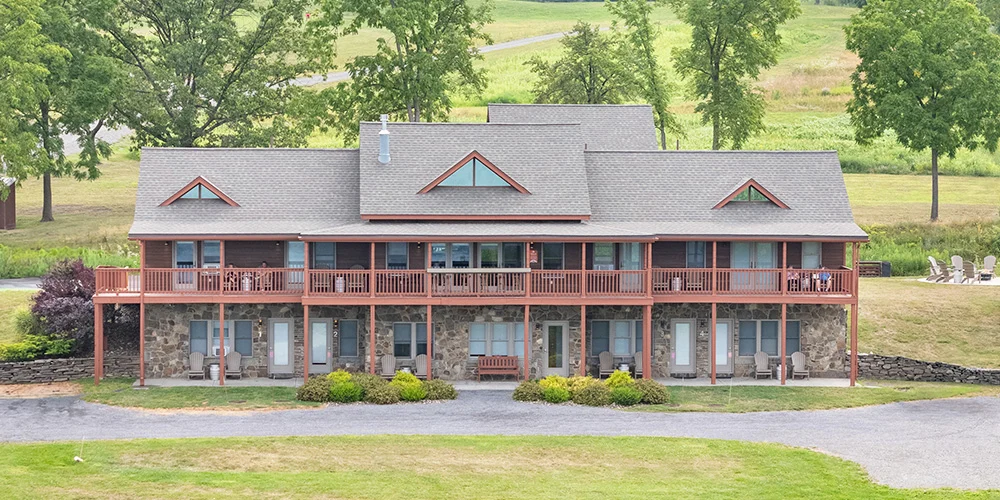
Across the United States, the craft brewing industry is undergoing a significant structural evolution, moving beyond the traditional taproom model to embrace a comprehensive hospitality-driven approach. Brewers are increasingly transforming rural barns, historic bungalows, and landmark urban buildings into boutique accommodations that serve as physical extensions of their brand ethos. This burgeoning trend, colloquially known as the "beercation," represents a shift in consumer behavior where beer enthusiasts seek more than a tasting flight; they are looking for a multi-day immersion into the culture, history, and environment of their favorite breweries. From rustic cabins in the Pacific Northwest to alpine lodges in New England, these brewery stays are redefining the intersection of the craft beverage industry and the travel sector.
The Evolution of Beer Tourism: From Taprooms to Destinations
The emergence of brewery-based lodging is a logical progression in the history of American craft beer. In the early 2000s, the industry focused primarily on production and wholesale distribution. However, as the market became increasingly saturated—with over 9,000 craft breweries currently operating in the U.S. according to the Brewers Association—businesses have been forced to diversify their revenue streams. The "destination brewery" model, popularized in the 2010s by pioneers like Sierra Nevada and Stone Brewing, proved that consumers were willing to travel long distances for an authentic experience.
The COVID-19 pandemic further accelerated this trend. As indoor dining faced restrictions, breweries with outdoor spaces and unique geographic locations saw a surge in visitors looking for safe, localized getaways. Industry analysts note that "direct-to-consumer" (DTC) sales, which include taproom purchases and onsite lodging, offer significantly higher margins than traditional wholesale. By providing overnight accommodations, breweries can extend the "customer lifecycle" from a 90-minute visit to a 48-hour stay, fostering a deeper emotional connection and brand loyalty that translates into long-term advocacy.
Case Study: The Integration of Outdoor Culture and Craft Beer in Washington
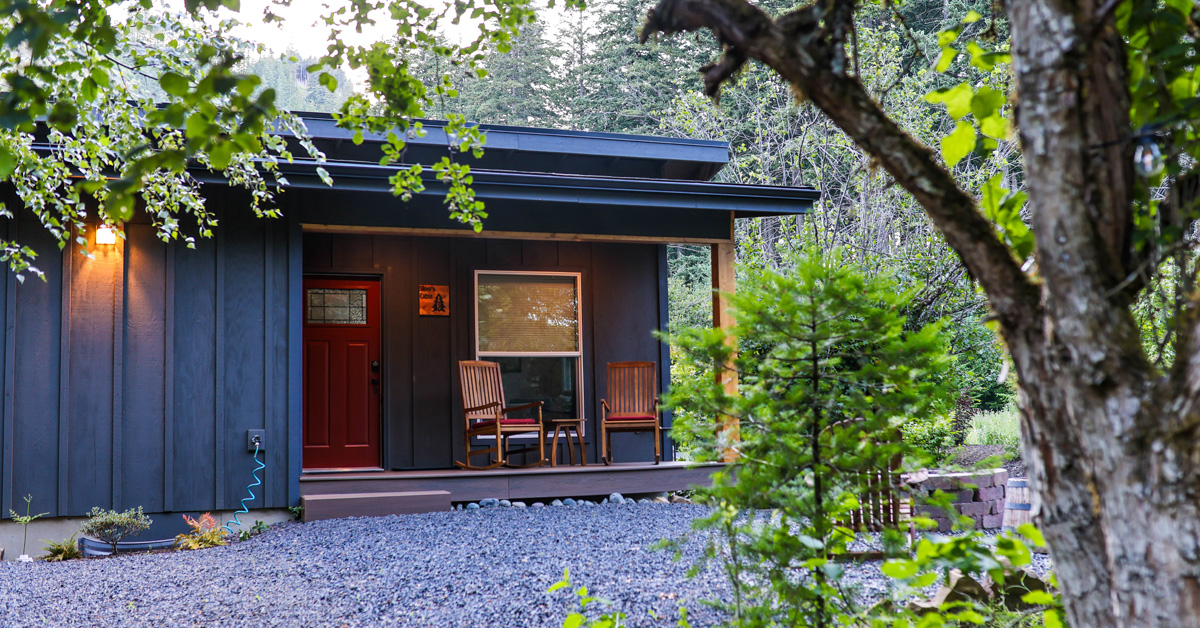
A primary example of this shift is found in Carson, Washington, where the Backwoods Brewing Company has expanded its footprint to include luxury-leaning cabins. Located in the Columbia River Gorge, approximately one hour from Portland and three hours from Seattle, the brewery has leveraged its scenic surroundings to create a holistic retreat. The Waters family, who owns and operates the brewery, identified a gap in the local market for accommodations that matched the "cabin-core" aesthetic of the Pacific Northwest while providing modern comforts.
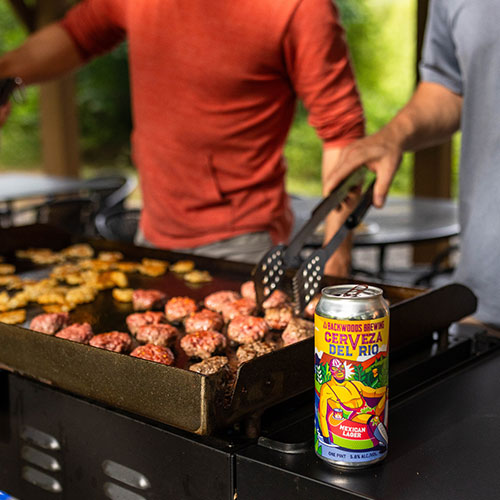
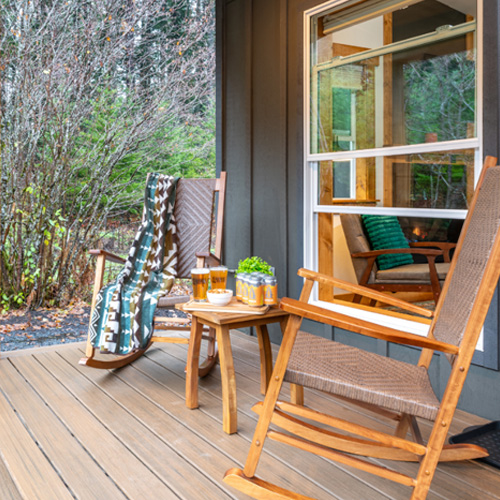
The Backwoods Cabins consist of eight uniquely themed units—such as the Hiker’s, Kayaker’s, and Stargazer’s cabins—designed to reflect the regional lifestyle. The integration of the brewery brand into the lodging is meticulous. Guests can opt to have a curated selection of beers waiting in their room upon arrival, and the interior design features hops-scented spa soaps and PNW-inspired furnishings. According to Steve Waters, CEO of Backwoods, the goal was to create a space where guests could "slow down" and feel like part of the brewery’s inner circle. This model emphasizes the "experience economy," where the value is derived not just from the product (the beer) but from the memories associated with the environment in which it is consumed.
Historical Preservation and Alpine Tradition in Vermont
While some breweries build new structures, others utilize existing historical legacies to anchor their hospitality offerings. The von Trapp Family Lodge in Stowe, Vermont, represents a unique fusion of musical history and European brewing tradition. Founded by the family made famous by The Sound of Music, the 2,600-acre estate has become a cornerstone of New England beer tourism.
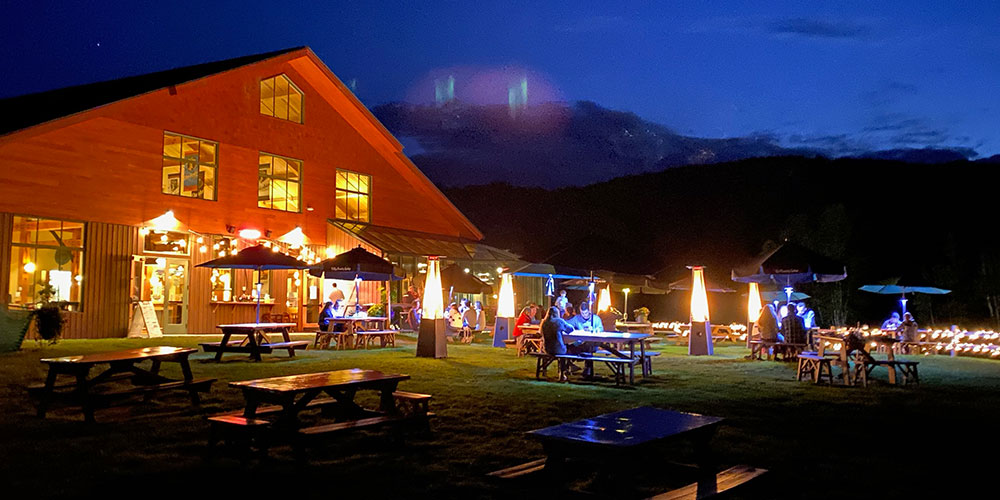
The von Trapp Brewing facility was established by Johannes von Trapp with a specific focus on Austrian-style lagers—a departure from the hop-heavy IPA trend that dominates much of the American craft scene. By building the brewery directly into the resort property and utilizing natural spring water from the land, the family created a vertically integrated experience. Guests at the lodge can participate in guided brewery tastings, snowshoe tours led by family members, and dine on Austrian-inspired cuisine that utilizes the brewery’s lagers in its recipes. This "Lager DNA" informs every aspect of the stay, positioning the brewery not as an amenity, but as a fundamental part of the estate’s identity.
The Lodging-First Model: Innovation in the Finger Lakes
In Watkins Glen, New York, Grist Iron Brewing offers a counter-narrative to the typical brewery expansion. While most breweries add lodging after establishing their beer brand, Grist Iron’s founders acquired a property that already featured guest rooms. This allowed the business to develop its brewing operations and hospitality services in tandem, resulting in a highly cohesive brand experience.
The Lodge at Grist Iron is designed with "beer-centric" details that cater specifically to the enthusiast. Most notably, the bathrooms include built-in shower ledges designed to hold a "shower beer," a nod to a popular subculture within the craft community. Beyond the rooms, the property has expanded to include "Beer Mountain," a disc golf course and dog park featuring an on-site "Woof Top" bar. This diversification suggests that the future of brewery stays lies in creating a "resort" atmosphere where multiple recreational activities are centered around the production and consumption of craft beer.
Adaptive Reuse and Urban Branding Strategies
The trend is not limited to rural or scenic landscapes. In the Pacific Northwest, McMenamins has become a leader in "adaptive reuse," transforming defunct historic buildings—including former schools, churches, and poor farms—into eclectic hotel-brewery hybrids. This strategy preserves local history while creating a "treasure hunt" atmosphere for guests, who can discover secret bars and original artwork throughout the properties.
In more urban settings, like Fargo, North Dakota, Drekker Brewing’s "Brewhalla" project represents the "hyper-branded" boutique model. The hotel rooms are themed after specific beers, such as the "Mind Bullets" suite, which features psychedelic murals and industrial design elements that mirror the beer’s label art. This approach treats the brewery’s intellectual property as a design language, allowing fans to literally live inside the brand’s aesthetic for the duration of their stay.
Economic Implications and the Future of the Industry
The expansion into lodging represents a significant capital investment for small breweries, but the potential rewards are substantial. Data from regional tourism boards suggests that "beer travelers" tend to have higher-than-average discretionary income and stay longer in a destination than the typical tourist. By capturing the lodging spend, breweries can insulate themselves against the volatility of the retail beer market.
Furthermore, these stays provide a controlled environment for brand storytelling. In a traditional retail setting, a brewery has little control over how its product is presented. In a brewery-owned hotel, every touchpoint—from the check-in beer to the hops-infused toiletries—is a branding opportunity. This level of immersion creates a "halo effect" that can drive off-site sales long after the guest has checked out.
Analysis of the "Experience Economy" in Craft Beer
The rise of brewery stays is a manifestation of the broader "experience economy," a term coined by Pine and Gilmore to describe an economy where businesses must orchestrate memorable events for their customers. For the modern consumer, particularly within the Millennial and Gen Z demographics, the value of a product is increasingly tied to the experience surrounding it.
As the craft beer industry continues to mature, the breweries that survive and thrive will likely be those that can offer a sense of "place." Whether it is a 19th-century pilsner brewed in a historic Wisconsin inn like the Commerce Street Brewery Hotel or a hazy IPA enjoyed on a private porch in the Columbia River Gorge, the beer is becoming the souvenir of a larger travel experience. The "beercation" is no longer a niche hobby; it is a significant and growing sector of the American hospitality industry that reflects a deeper consumer desire for authenticity, connection, and craftsmanship.
Conclusion: A New Standard for Hospitality
The transformation of breweries into boutique accommodations is a testament to the creativity and resilience of the craft beer community. By bridging the gap between manufacturing and hospitality, these businesses are creating a new standard for what a "tasting room" can be. As this trend continues to grow, it is expected that more breweries will seek out partnerships with designers and hospitality experts to create even more sophisticated and immersive "beercation" destinations. For the traveler, this means the next great getaway might not be a traditional resort, but a place where the bed is comfortable, the story is real, and the beer is brewed just a few steps away.