admin
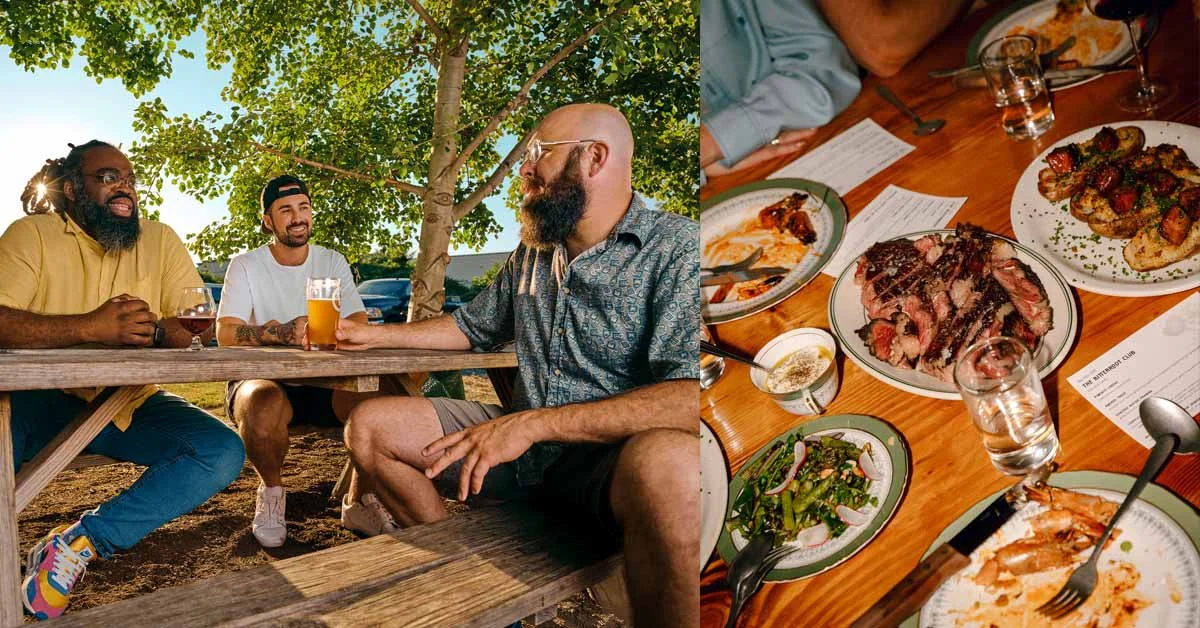
The landscape of American craft beer is currently undergoing a period of significant structural transformation, and nowhere is this evolution more visible than in Portland, Oregon. On a typical Tuesday evening in the Southeast district, the bustling atmosphere of Grand Fir Brewing serves as a primary example of how the industry is pivoting to meet new consumer expectations. Located in the Buckman neighborhood, a district known for its blend of industrial history and modern hipness, the brewpub operates as both a community staple and a high-end culinary destination. While the main taproom embodies a rustic, wood-and-steel aesthetic, a more exclusive experience occurs behind a nondescript door at the building’s rear. Known as The Bitterroot Club, this weekly supper club represents a strategic shift in the craft beer business model: the integration of elite gastronomy with traditional brewing.
The Bitterroot Club is the brainchild of co-owners Doug Adams and Whitney (Burnside) Adams. Doug Adams, a finalist on Bravo’s "Top Chef" and a James Beard Rising Star Award semifinalist, utilizes the space to showcase a prix fixe menu that emphasizes seasonal, locally sourced ingredients. These dishes are meticulously paired with beers crafted by Whitney Adams, a veteran of the Pacific Northwest brewing scene with a resume that includes Upright Brewing, Elysian, and a tenure as brewmaster at 10 Barrel Brewing Company. This "elevated" approach—a term Whitney acknowledges is overused but fitting—is becoming a necessity in a marketplace where simply offering a high-quality IPA is no longer a guaranteed path to solvency.
The Shift Toward "Elevated" Experiences
The Adamses’ approach at Grand Fir Brewing reflects a broader national trend where brewers are scurrying to attract on-premises patrons in a shrinking and increasingly competitive marketplace. Across the United States, craft breweries are transforming their facilities into multi-use entertainment hubs, installing dog parks, arcades, and pickleball courts to maintain a foothold. However, Portland’s response to these economic woes and shifting tastes is distinct. In a city often referred to as "Beervana," the challenge is not necessarily a lack of drinkers, but a consumer base that has become exceptionally discerning.
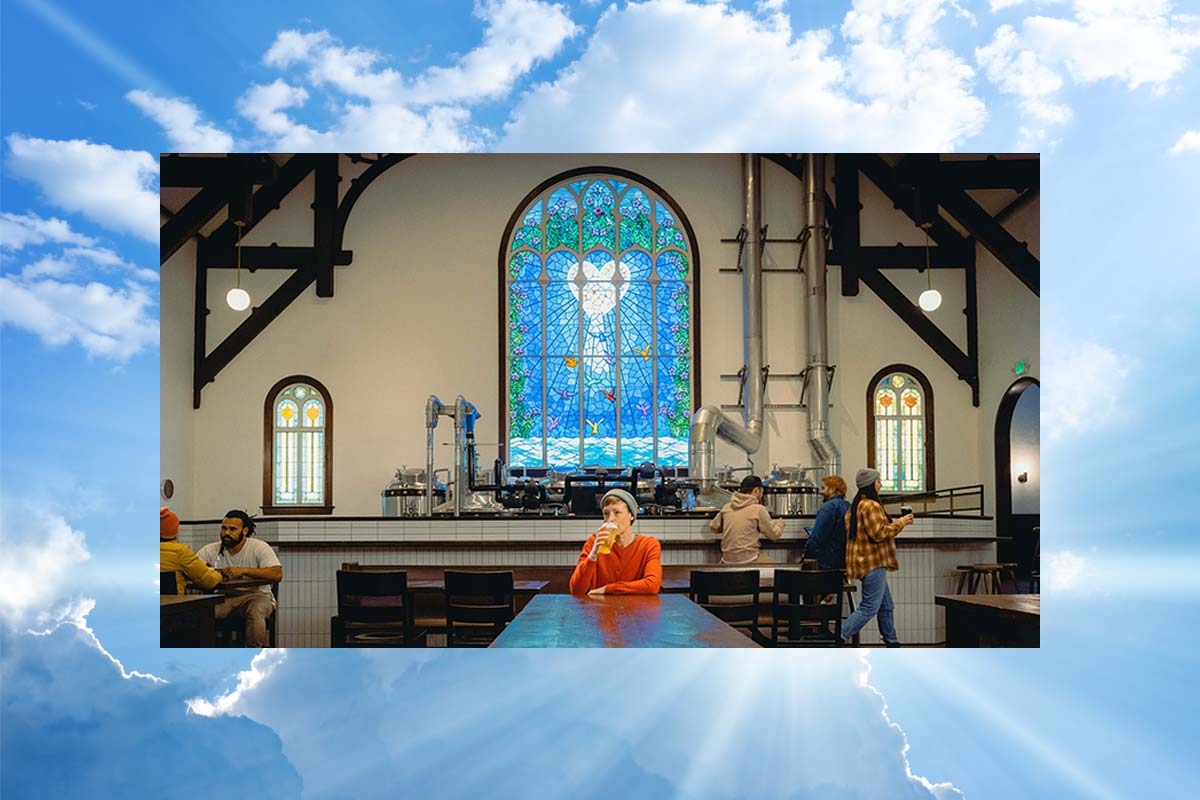
Whitney Adams notes that the decision to open a brewery with a heavy culinary focus was a calculated survival strategy. "I felt that if I were to just open up a brewery, I honestly don’t think it would make it," she explains. "You need a certain angle these days to be successful." This sentiment is echoed by many in the industry who believe that the "pure" brewery model—one focused solely on production and a basic tasting room—is increasingly vulnerable to market fluctuations. At Grand Fir, the regular menu mirrors this philosophy, featuring artistic iterations of pub classics, such as shrimp rolls with jalapeño Old Bay tartar and fried chicken sandwiches topped with garlic buffalo sauce.
A Chronology of Beervana: From Isolation to Innovation
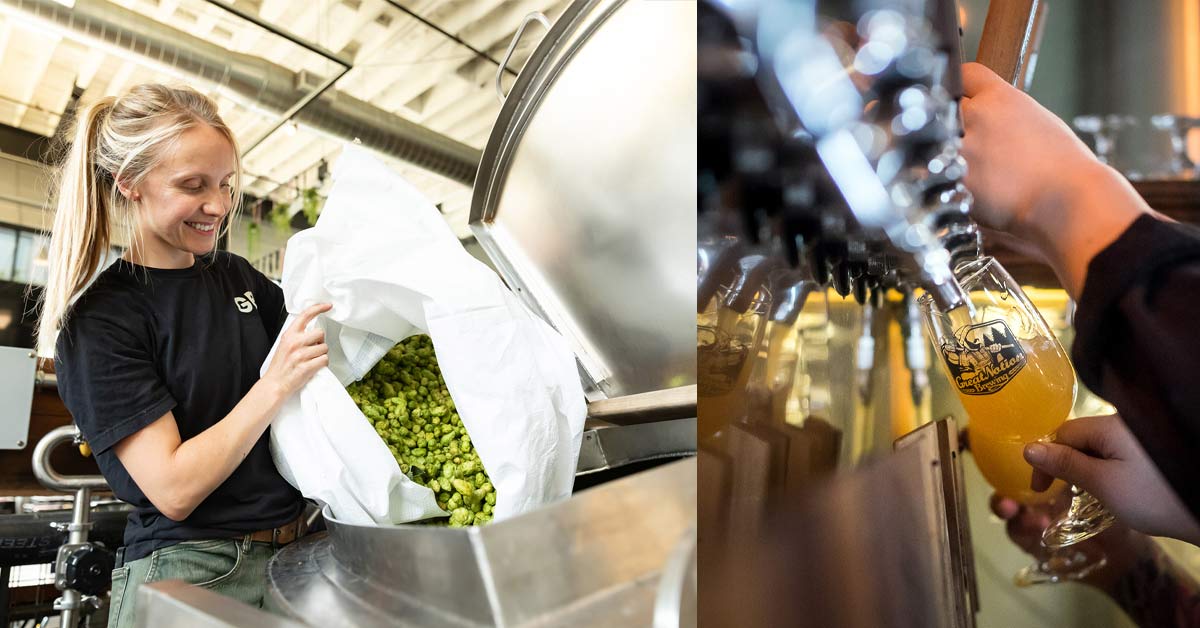
To understand the current state of Portland’s beer scene, one must examine the historical factors that allowed it to flourish independently of the "Big Beer" conglomerates. The city’s status as a brewing mecca is deeply rooted in its geography and its proximity to the Willamette Valley, one of the world’s premier hop-growing regions.
The 1980s and 1990s: The Foundational Era
The term "Beervana" was first coined in 1994 by Willamette Week, a local alternative weekly, but the seeds were sown a decade earlier. Van Havig, master brewer and co-founder of Gigantic Brewing, points out that Portland’s geographical isolation historically kept national brands like Miller and Budweiser from dominating the local market. This vacuum allowed local distributors and early brewpubs to establish a firm grip on the community’s palate. During this era, iconic labels such as Widmer Brothers’ Hefe, Deschutes’ Mirror Pond Pale Ale, and Portland Brewing’s MacTarnahan’s Amber Ale became the standard "beer" for locals, rather than niche "microbrews."
1996: The IPA Template
A pivotal moment in the chronology of Northwest beer occurred in 1996 with the introduction of BridgePort Brewing Co.’s India Pale Ale. Utilizing five local hop varieties, it delivered a profile of citrus, floral, and pine notes that would define the Northwest-style IPA for decades. This "hop bomb" style initially flummoxed outsiders but was embraced by Portlanders, setting the stage for an era of aggressive hop experimentation.
The 2000s and 2010s: Expansion and the Growler Phenomenon
By the 2000s, Portland was widely considered the most developed craft market in the country. Ben Edmunds, brewmaster at Breakside Brewing, notes that by the time he arrived in 2007, the city was entering a "once-in-a-generation" expansion phase. This period saw the rise of dedicated beer shops and the "growler phenomenon," where gas stations and grocery stores installed draft towers to sell local brews. This increased "draft real estate" allowed smaller, experimental breweries to find an audience without needing massive distribution networks.
The Discerning Palate: Supporting Data and Market Demographics
The resilience of the Portland market is supported by significant economic data. According to the Oregon Brewers Guild, the beer industry contributes approximately $6.6 billion to the state’s economy and supports over 50,000 jobs. Oregon consistently ranks in the top five states for breweries per capita, with Portland serving as the primary engine of this growth.
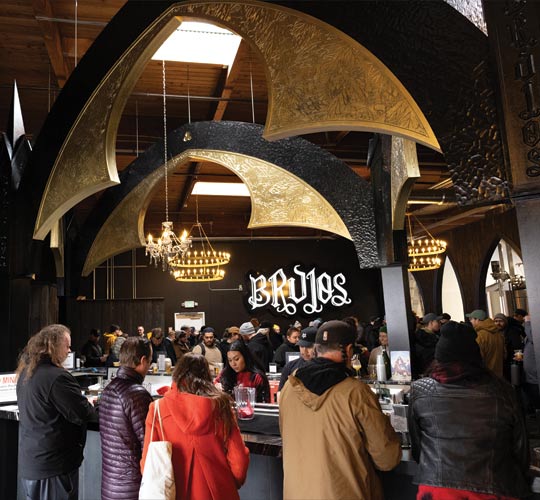
However, the nature of consumption has shifted. While the 2010s were characterized by a "more is better" mentality, the 2020s are defined by quality and variety. In a two-day span, a visitor to Portland can transition from Wayfinder, which popularized the "Cold IPA" (brewed with lager yeast), to Brujos Brewing, a "heavy metal" house focused on hazy IPAs, or Living Häus Beer Company, an experimental hipster enclave. Even national stalwarts like Deschutes have had to adapt, recently investing heavily in non-alcoholic (NA) versions of their core brands, such as Black Butte Porter, to cater to health-conscious demographics.
Whitney Adams emphasizes that this variety is sustained by the "savviness" of the local drinker. "People here are fans. They have a good pulse on what’s happening with each brewery," she says. This deep engagement creates a feedback loop where brewers are constantly pushed to innovate, whether through barrel-aging programs, pastry sours, or the use of experimental hop varieties like Strata.
The Brewing Family Tree and Institutional Knowledge
One of the unique aspects of Portland’s beer scene is its "brewing family tree." For the first several decades of the movement, brewers tended to remain at their original posts, creating a stable but somewhat stagnant leadership tier. Ben Edmunds observes that this has changed in recent years, as veterans from established pillars have branched off to start their own ventures.
This influx of "new blood" with "old pedigrees" has revitalized the scene. Grand Fir, Living Häus, and Ruse Brewing were all founded by individuals with years of experience at larger regional powerhouses. This ensures that even as the scene becomes more experimental, the technical quality of the beer remains world-class. The mentorship and professional mobility within the city have created a network of breweries that support one another rather than engaging in predatory competition.
Broader Impact and Future Implications
Despite its storied history and cultural significance, the Portland brewing scene faces modern headwinds. Real estate prices in neighborhoods like Buckman and the Pearl District have skyrocketed, making the "elevated" food-and-beer model a financial necessity to cover high overhead costs. The post-pandemic economy has also seen a shift in foot traffic, forcing breweries to become destinations rather than just neighborhood hangouts.
However, the consensus among industry leaders like Van Havig and Ben Edmunds is that Portland has already "won" the battle for craft beer’s cultural integration. In most American cities, "craft beer" is still a specific category of beverage; in Portland, it is simply "beer." The normalization of high-quality, independent brewing means that the market is less susceptible to the boom-and-bust cycles seen in other regions.
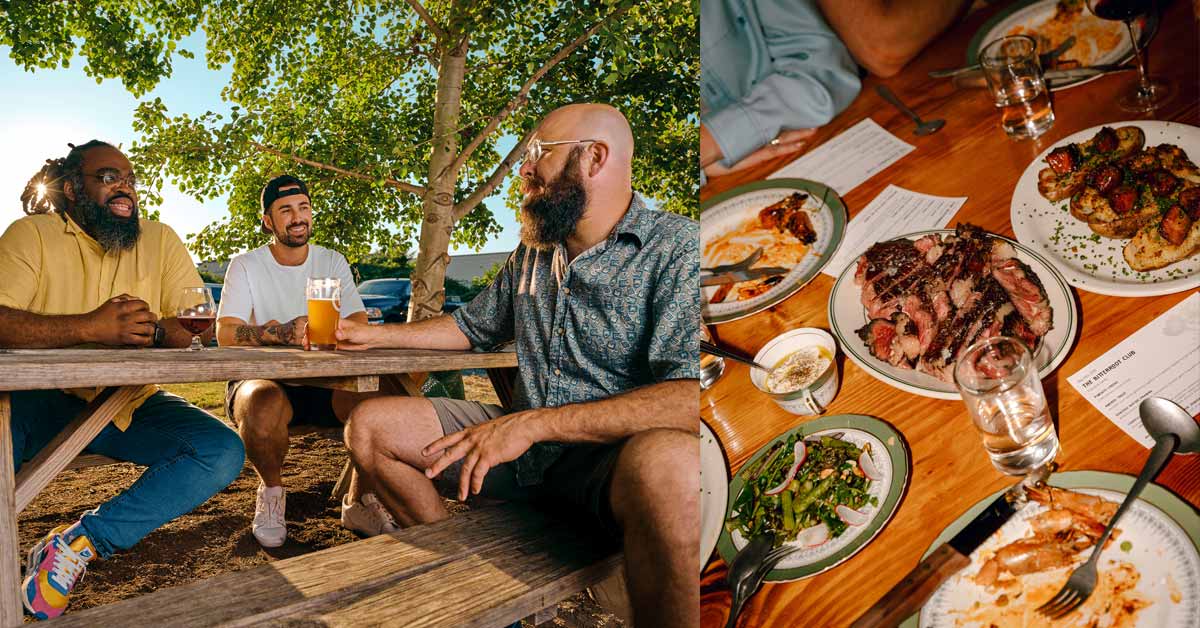
The success of ventures like The Bitterroot Club suggests that the future of the industry lies in the intersection of craft, community, and culinary arts. By pairing a charcoal-grilled pork chop with a crisp American IPA or a lemon buttermilk pie with a citrusy fresh-hop ale, brewers are moving beyond the pint glass to create a comprehensive lifestyle experience.
In conclusion, Portland’s "Beervana" is not a static monument to the past, but a living laboratory for the future of the American brewpub. While economic pressures and changing consumer habits present challenges, the city’s deep-rooted beer culture, agricultural advantages, and high concentration of professional talent provide a robust foundation. As Van Havig succinctly puts it, "The reality is, this is where craft beer won." The evolution currently witnessed at places like Grand Fir Brewing is not a sign of the industry’s decline, but of its maturity and its enduring ability to adapt to a more sophisticated world.