 admin
The landscape of the American craft beer industry, once defined by feverish enthusiasts camping outside brewery doors for limited-release "freshies," is undergoing a fundamental transformation. As the industry enters what many analysts describe as a "post-peak" era, the traditional model of hyper-growth driven exclusively by India Pale Ales (IPAs) is being replaced by a more diversified approach to beverage production. In 2024, the Brewers Association reported that 399 breweries across the United States closed their doors, while overall production volume saw a 2% decline. These figures represent a significant cooling of a market that enjoyed double-digit growth for much of the previous decade. Faced with shifting consumer demographics—particularly among Gen Z, who increasingly favor non-alcoholic options, ready-to-drink (RTD) cocktails, and THC-infused beverages—longtime craft breweries are seeking new ways to maintain relevance and revenue. For many of the nation’s most prestigious names in brewing, the answer lies in the copper stills of the distillery.
The transition from brewing to distilling is not merely a desperate pivot but a logical extension of the fermentation science that breweries have already mastered. JC Tetreault, co-founder of Boston-based Trillium Brewing, noted that the realization came early in the brewery’s lifecycle. Founded in 2013, Trillium rose to prominence during the nascent days of the New England Hazy IPA craze. However, Tetreault observed that a brewery is effectively 90% of the way toward being a distillery. To produce whiskey, one must first create a "mash," which is essentially a beer produced without the addition of hops. By distilling this base liquid and aging it in wooden casks, a brewery can transform its core competency into a high-value spirit. This technical synergy allows established breweries to leverage their existing grain-handling equipment, fermentation vessels, and water treatment systems, though the transition remains complex from both a regulatory and operational standpoint.
The Economic Context of a Shifting Market
The current pressures on the craft beer sector are multifaceted. According to data from the Distilled Spirits Council of the United States (DISCUS), spirits have recently overtaken beer in total market share by revenue for the first time in modern history. This shift is driven by a "premiumization" trend, where consumers are drinking less in terms of volume but spending more on high-quality, artisanal products. For a craft brewery, adding spirits to the portfolio allows them to capture a segment of the market that may have aged out of heavy beer consumption or never developed a taste for hops in the first place.
Furthermore, the "taproom model," which once relied on high-margin pint sales, is being challenged by a younger cohort of drinkers. Gen Z consumers are notably more "sober-curious" than previous generations, often alternating between alcoholic and non-alcoholic beverages in a single outing. By diversifying into spirits, breweries can create sophisticated cocktail programs that appeal to a broader demographic, including those who prefer spirits-based RTDs or complex non-alcoholic botanical distillates.
A Chronology of the Hybrid Brewing-Distilling Model
While the current wave of brewery-distilleries feels like a response to modern market pressures, the hybrid model has deep roots in the American craft movement. The pioneers of this trend demonstrated decades ago that the two disciplines could coexist profitably.
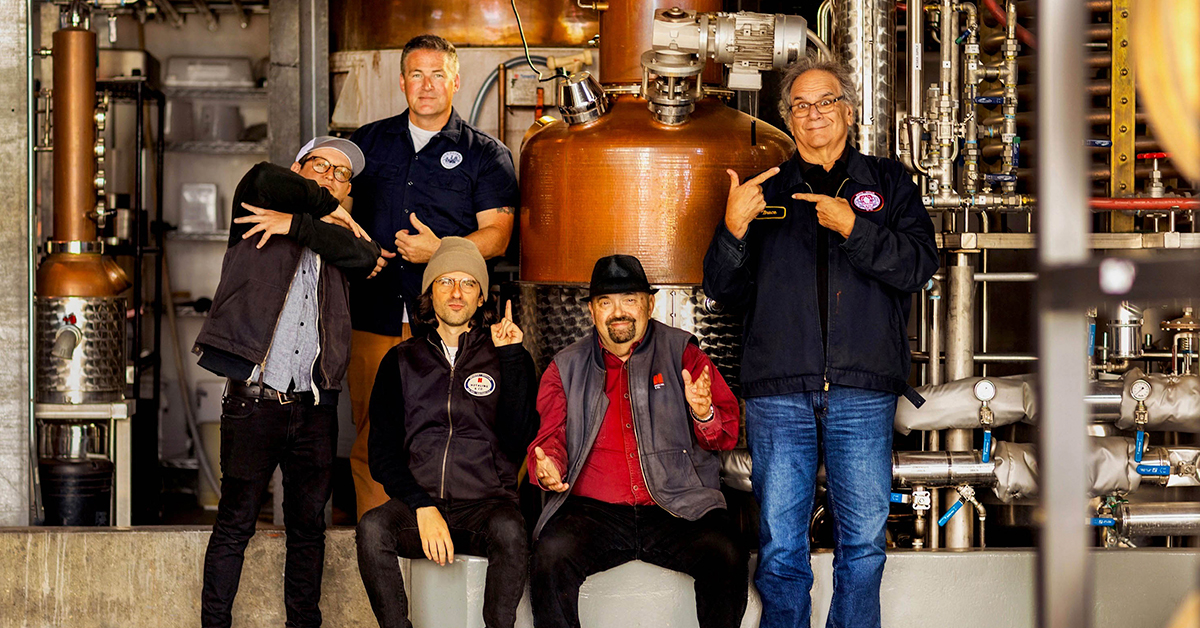
In 1993, Anchor Brewing in San Francisco—often cited as the first modern craft brewery—launched Anchor Distilling. Under the guidance of industry veterans like Bruce Joseph, the operation released Old Potrero, a single malt rye whiskey that predated the modern craft spirits boom. Joseph, who spent 45 years at the company, noted that the skills learned as a brewer provided a solid foundation for whiskey distilling, requiring only the addition of a still to bridge the gap. Anchor also produced Junipero Gin, which is widely regarded as one of the first American craft gins.
Following Anchor’s lead, other regional powerhouses entered the fray. Rogue Ales in Oregon established its distilling arm in 2003, eventually becoming one of the few operations in the country to copper its own barrels. In 2005, Michigan’s New Holland Brewing added spirits to its portfolio, and in 2006, San Diego’s Ballast Point opened a distillery that would later become Cutwater Spirits. The financial viability of this model was validated in 2019 when Anheuser-Busch acquired Cutwater Spirits, recognizing the massive potential of the canned cocktail market.
Case Studies: Trillium and Tree House
In the Northeast, two of the most influential breweries of the last decade, Trillium Brewing and Tree House Brewing Company, have fully embraced the distilling path. These breweries, which once built their reputations on "whale" beers and long lines, are now applying their rigorous quality standards to spirits.
Tree House Brewing Company, headquartered in Charlton, Massachusetts, began its distilling operations in 2021. Despite its massive success in the beer world—expanding to multiple locations including Cape Cod and a 100-acre farm in Connecticut—the company viewed distilling as a way to "create artful spirits at scale." Their program, led by John Britton, formerly of St. George Spirits, focuses on "grain-to-glass" production. Their Old Growth Bourbon and Rye are distilled exclusively from New England grains, emphasizing a sense of place that mirrors the "terroir" movement in craft beer.
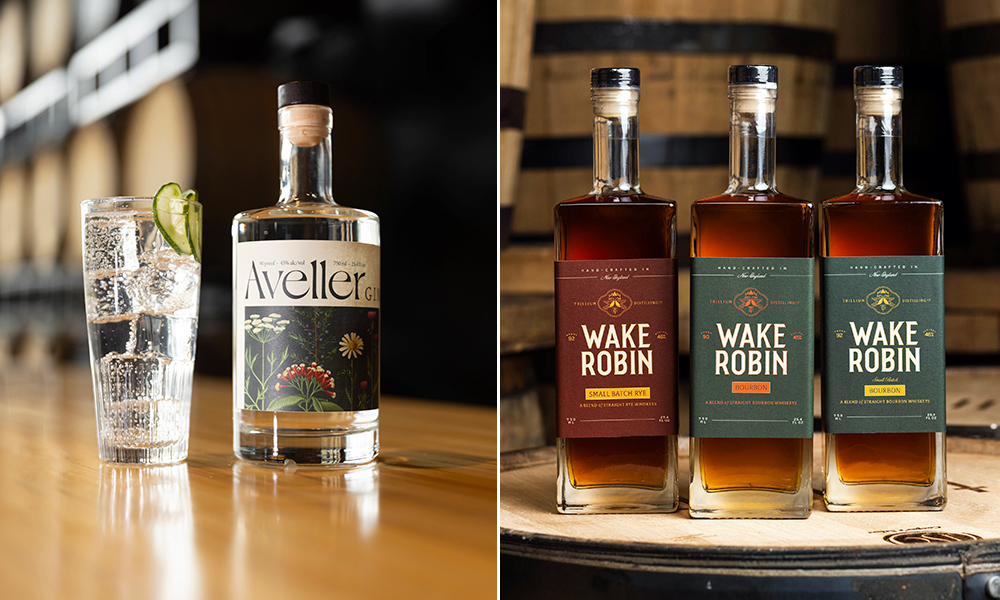
For Trillium, the move into spirits was also influenced by the regulatory environment. In Massachusetts, state laws dictate that for a taproom to offer a full cocktail menu, the establishment must produce the components themselves. This led Trillium to develop an expansive spirits portfolio that includes gin, vodka, rum, amaro, vermouth, and orange liqueur. This vertical integration allowed Trillium to open the Headroom Hi-Fi Cocktail Lounge in Boston’s Fort Point. The space has successfully attracted a different demographic: late-night, post-dinner crowds and younger consumers who may have never engaged with the brand as a primary beer producer.
Operational and Regulatory Hurdles
Despite the logical connection between brewing and distilling, the path is fraught with logistical challenges. From a legal perspective, the two operations are often viewed as entirely separate entities. In many states, a brewery cannot simply put a still in the corner of the brew house; they are often required to maintain a completely separate distilling space with its own federal and state licenses.
The production process itself also requires a shift in mindset. While a beer recipe is designed for immediate flavor balance, a whiskey mash is designed for what it will become after years in wood. Whiskeys often utilize a higher percentage of unmalted grains compared to traditional beer. Furthermore, the safety protocols for distilling—dealing with highly flammable high-proof alcohol—are significantly more stringent than those for brewing.
The RTD Revolution and Future Implications
Perhaps the most significant impact of breweries entering the distilling space is their ability to dominate the Ready-to-Drink (RTD) cocktail market. Using their existing high-speed canning lines, breweries like Tree House are producing canned versions of classic cocktails like the Tom Collins, Gin and Tonic, and Paloma. These products bridge the divide between the two categories, offering the convenience of a beer can with the flavor profile of a premium spirit.
Chris Conroy, Tree House’s spirits category sales manager, noted that these canned cocktails allow consumers to "jump the aisle," trying spirits-based products in the same price range and format as craft beer. This accessibility is crucial for maintaining market share as consumer preferences continue to fragment.
The trend of breweries becoming "beverage companies" rather than just "beer makers" suggests a permanent shift in the industry. As the number of breweries in the U.S. remains high despite the 2024 closures, differentiation is the key to survival. By offering a diverse range of products—from hazy IPAs and barrel-aged stouts to craft gins and estate bourbons—breweries are transforming their taprooms into comprehensive hospitality destinations. This evolution not only protects them against fluctuations in the beer market but also ensures they remain the "third place" for a new generation of drinkers who value variety, quality, and local craftsmanship above all else. In the end, the transition to distilling represents the maturity of the craft movement: an industry that has mastered the art of fermentation and is now ready to conquer the science of the spirit.