admin
The North Fork of Long Island has long been celebrated as the Napa Valley of the East, a title earned through decades of viticultural excellence and a landscape defined by sprawling vineyards that draw millions of visitors from the tri-state area annually. Traditionally, the region’s identity was tethered to its maritime climate and the success of its Cabernet Franc, Merlot, and Sauvignon Blanc. However, a significant cultural and economic shift is underway as the eastern edge of Long Island undergoes a diversification of its "alcohol trail." The North Fork is rapidly earning a reputation for its sophisticated craft beer scene, characterized by high-quality IPAs, Pilsners, sours, and stouts that leverage the region’s rich agricultural heritage. This transformation is not merely a trend but a structural evolution of the local economy, where breweries are moving from the periphery of the wine industry to become central pillars of North Fork agrotourism.
The Genesis of a Brewing Frontier
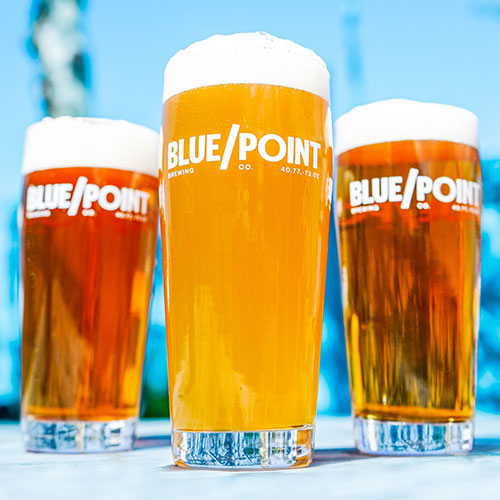
The seeds of the Long Island craft beer movement were planted in 1998 with the founding of Blue Point Brewing Company in nearby Patchogue. While located on the South Shore, Blue Point’s success demonstrated that there was a substantial appetite for local, independent beer in a region dominated by macro-lagers and imported wines. It took another decade for this momentum to fully penetrate the North Fork’s rural landscape. The turning point arrived in 2009 with the opening of Greenport Harbor Brewing Company. Founded in an old firehouse in the village of Greenport, the brewery served as a proof of concept that the North Fork could sustain a dedicated brewing operation.
Over the subsequent 15 years, the region has seen an exponential growth in its brewing infrastructure. Following the success of Greenport Harbor, a wave of new establishments emerged, including Jamesport Brewery, Eastern Front Brewing Co., Twin Fork Beer Co., North Fork Brewing Company, and Übergeek Brewing. This growth was catalyzed in part by the 2012 New York State Farm Brewery Law, which provided tax incentives and eased regulations for brewers who utilized a specific percentage of New York-grown ingredients. This legislation effectively bridged the gap between the brewing industry and the North Fork’s existing agricultural network, allowing brewers to claim the same "terroir" that had long been the exclusive domain of winemakers.
Agricultural Synergy and the Concept of Terroir
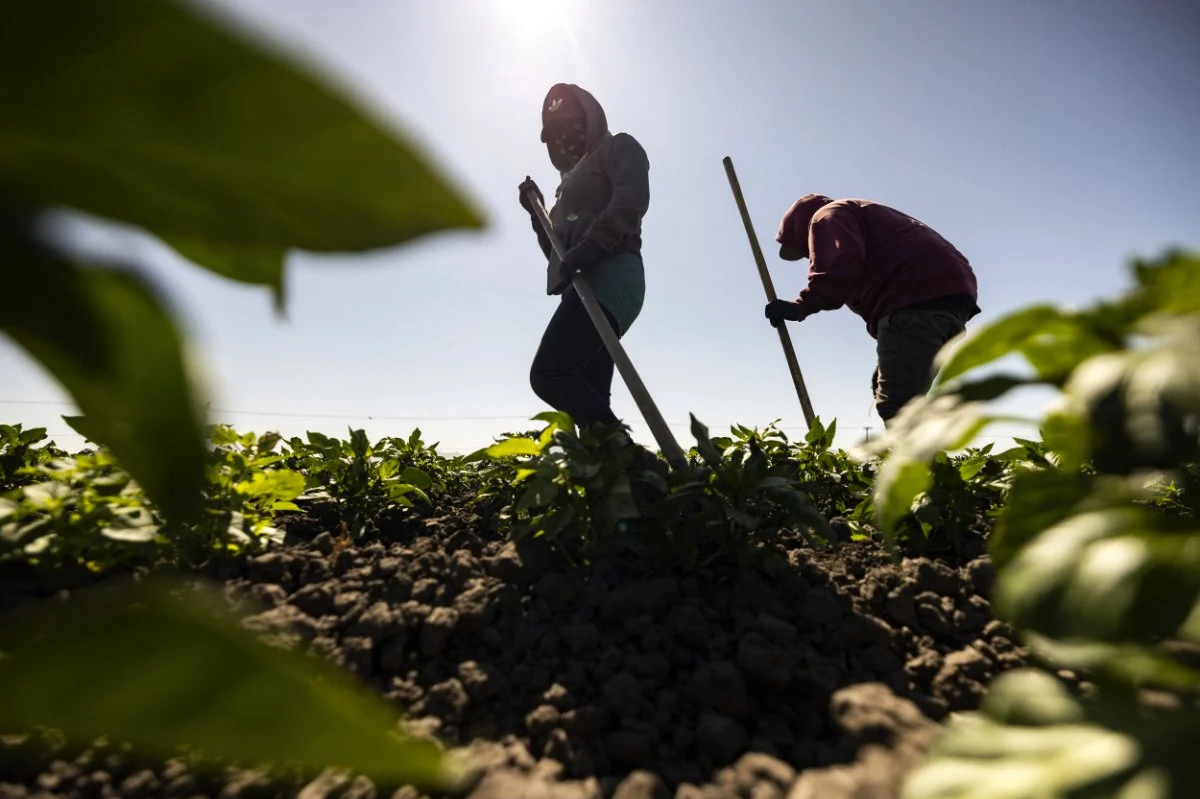
One of the most distinctive features of the North Fork craft beer scene is its deep integration with local farming. Unlike urban breweries that often rely on shipped, processed ingredients, North Fork brewers are increasingly operating as an extension of the land. This is most evident in the "fresh hop" season, which typically occurs in late August and early September. Sean Galligan, head brewer at Greenport Harbor Brewing, highlights the logistical advantages of the region’s geography. By utilizing Cascade and Willamette hops harvested from Orient Point, brewers can execute "wet hop" beers where the ingredients are picked in the morning and introduced to the kettle the same day. This process preserves volatile oils and aromas that are often lost during the drying and pelletizing process used in standard brewing.
The commitment to local sourcing extends beyond hops. North Fork Brewing Company, led by founder Peter Barraud, utilizes a rotating roster of ingredients sourced from neighboring entities such as Peconic River Herb Farm, Herricks Lane Farm, and CJ Van Bourgondien Greenhouses. By incorporating local honey, berries, herbs, and even foraged ingredients, these breweries create a product that is geographically unique. Barraud notes that the abundance of niche produce, such as ancho chiles or specific varieties of peaches and strawberries from Lewin Farms, allows for a level of experimentation that reflects the "terroir" of the East End. This agricultural synergy ensures that the beer produced on the North Fork is not just a commodity but a seasonal representation of the local harvest.
Case Study in Expansion: Greenport Harbor and Übergeek
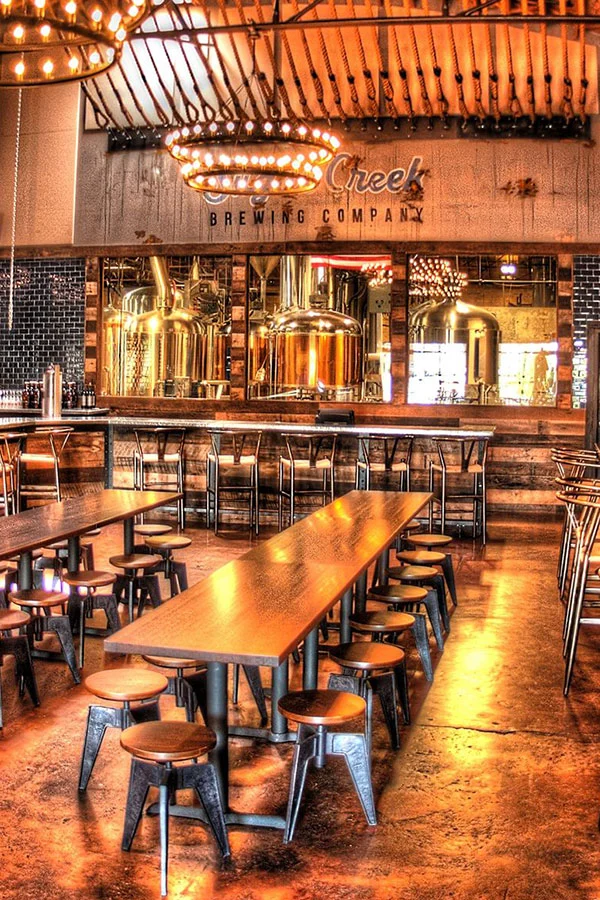
The economic vitality of the sector is best illustrated by the rapid expansion of its key players. Greenport Harbor Brewing Company, the regional pioneer, has grown from its modest firehouse beginnings to include a sprawling second location in Peconic. This facility features a state-of-the-art kitchen, several acres of outdoor space for picnic tables and lawn games, and a production capacity that allows for wide-scale distribution. Their flagship offerings, such as the American-style Harbor Ale and the West Coast-style Otherside IPA, have become staples of the Long Island market. Furthermore, their innovation in the "Lucha Lager," brewed with New York-grown wheat, sea salt, and key limes, demonstrates a move toward lighter, food-friendly styles that appeal to the traditional wine-drinking demographic.
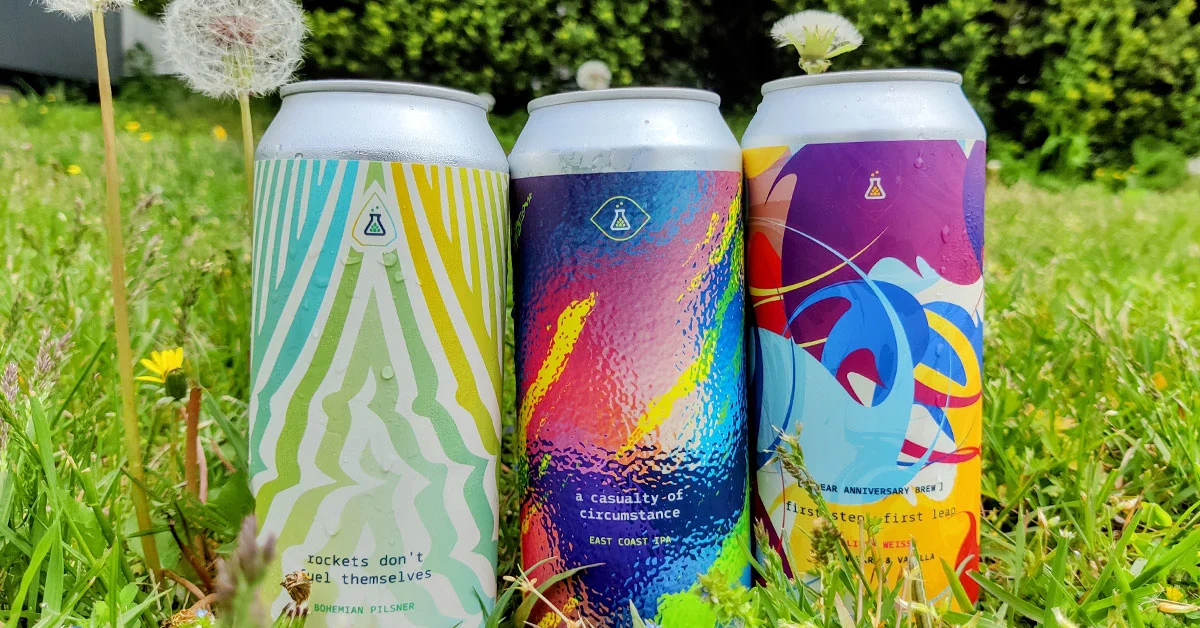
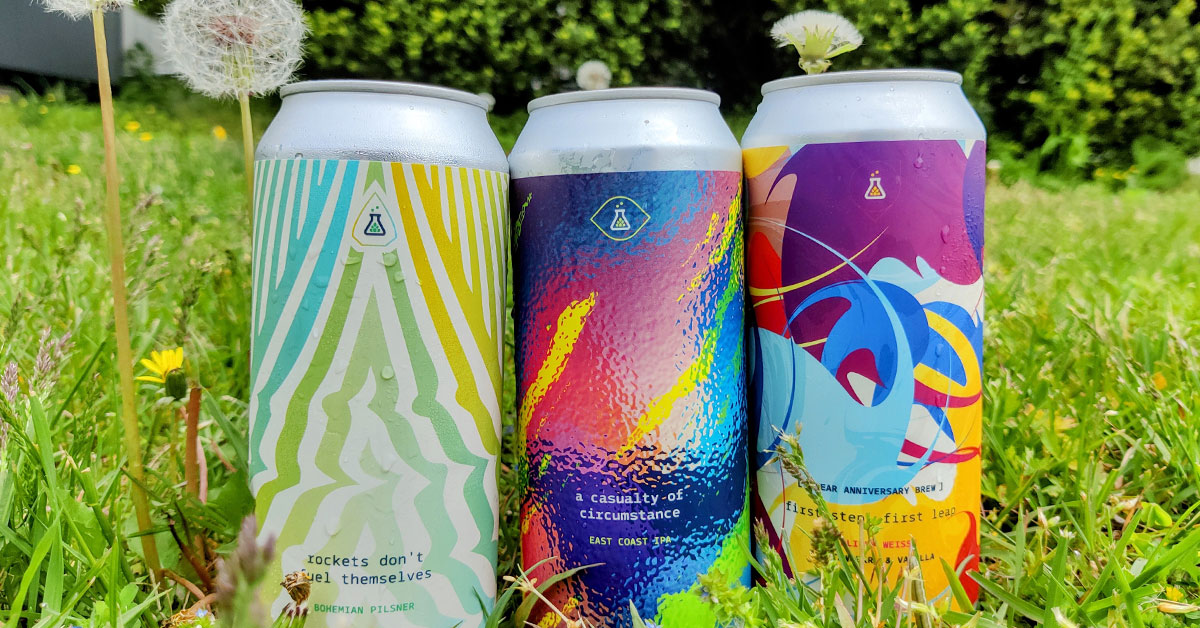
In Riverhead, the gateway to the North Fork, Übergeek Brewing represents the next generation of the industry. Owner and brewmaster Rob Raffa, whose background in physics and astrophysics informs his technical approach to fermentation, has overseen a period of remarkable growth. Since taking over the former Moustache Brewing space in 2021, Übergeek has expanded from four fermenters to 16, with an additional eight scheduled for installation. This expansion is slated to double the brewery’s output by the end of the current winter season. Raffa’s approach combines scientific precision with a creative, almost existential branding strategy. Beers like "A Casualty of Circumstance" and "Space Age Times, Stone Age Minds" resonate with a younger, craft-focused audience, while the brewery’s warehouse-style tasting room serves as a cultural hub for monthly concerts and food truck festivals.
A Symbiotic Relationship with the Wine Industry
A common misconception in the early days of the North Fork’s brewing boom was that beer would compete with wine for a limited pool of tourist dollars. On the contrary, the relationship has proven to be highly symbiotic. Peter Chekijian, co-founder of Twin Fork Beer Co., notes that the breweries are "riding the coattails" of the established wine business. The influx of tourism—ranging from organized bus tours to cycling groups—provides a steady stream of customers who are often looking for variety during their visit to the East End.
This cooperation is formalized through collaborations and cross-promotional efforts. Many local wineries now carry North Fork beers in their tasting rooms to accommodate guests who prefer suds over Sauvignon Blanc. A notable example of this cross-industry collaboration is Greenport Harbor’s "Collaborations" series. One specific iteration was conditioned on Carménère grapes from Osprey’s Dominion and fermented with wild yeast strains. This "oenobeer" hybrid won a silver medal in the Fruit & Vegetable Beer category at the 2024 New York State Craft Beer Competition, serving as a tangible symbol of the successful merger of the two industries.
Economic Impact and Regional Implications
The rise of the North Fork as a beer destination has significant implications for the regional economy. According to data from the New York State Craft Brewers Association, the craft beer industry contributes billions of dollars to the state’s economy and supports tens of thousands of jobs. On the North Fork, the impact is felt most acutely in the extension of the "high season." While vineyard visits often peak during the fall harvest, breweries tend to maintain a more consistent year-round draw, offering indoor taproom experiences that remain popular through the winter months.
The diversification of the "alcohol trail" also makes the North Fork a more resilient destination. By offering beer, cider, and spirits alongside wine, the region appeals to a broader demographic, including younger travelers and groups with diverse preferences. This "something for everyone" approach, as Rob Raffa describes it, ensures that the North Fork remains competitive with other coastal destinations. The transition from a mono-cultural wine region to a multi-faceted beverage destination has also spurred investment in the local hospitality sector, with new restaurants and boutique hotels opening to cater to the increased foot traffic.
Future Outlook: Sustainability and Innovation
As the North Fork craft beer scene matures, the focus is shifting toward long-term sustainability and continued innovation. The challenge for local brewers will be to maintain their "small-batch" appeal while managing the logistics of increased production and distribution. The continued reliance on local agriculture will be a key differentiator in a crowded national market. By leaning into the "terroir" and the unique micro-climate of the East End, North Fork breweries are positioning themselves not just as local favorites, but as nationally recognized producers of high-quality craft beverages.
The trajectory of the North Fork suggests that the distinction between "wine country" and "beer country" is becoming increasingly blurred. Visitors are no longer forced to choose between the two; instead, they are invited to experience a comprehensive agricultural landscape where the quality of the pint is held to the same rigorous standards as the quality of the glass. With ongoing expansions, award-winning collaborations, and a deep-seated commitment to the local land, the North Fork has firmly established itself as a premier destination for craft beer enthusiasts, ensuring that the "Napa Valley of the East" remains a title of both tradition and transformation.