admin

The arrival of the spring equinox marks a fundamental shift in the global culinary landscape, as restaurant menus pivot from the heavy, preserved flavors of winter toward a profile defined by freshness and ephemeral availability. As temperatures rise, agricultural outputs such as asparagus, fava beans, English peas, spring onions, ramps, and various tender lettuces enter their peak harvest windows, demanding a culinary approach that prioritizes minimalist intervention. This seasonal transition is not merely a change in ingredients but a philosophical shift toward "simplicity" and "balance," two concepts that have become the cornerstones of modern craft beer and food pairings. In the professional kitchen and the craft brewery alike, the current trend emphasizes the inherent quality of raw materials over complex processing, reflecting a broader movement toward transparency and sourcing integrity in the hospitality industry.
The Seasonal Transition and the Palate of Spring
The spring harvest is characterized by ingredients that are often available for only a few weeks, creating a sense of urgency for chefs and consumers. Vegetables such as radishes, scapes, and beets are being featured in preparations that range from raw and shaved to lightly pickled or grilled, with the objective of maintaining their "clean and bright" flavor profiles. This period also coincides with the production of young, fresh cheeses—varieties intended for consumption within days of manufacture—which offer a creamy, lactic acidity that complements the bitterness and herbaceousness of early-season produce.
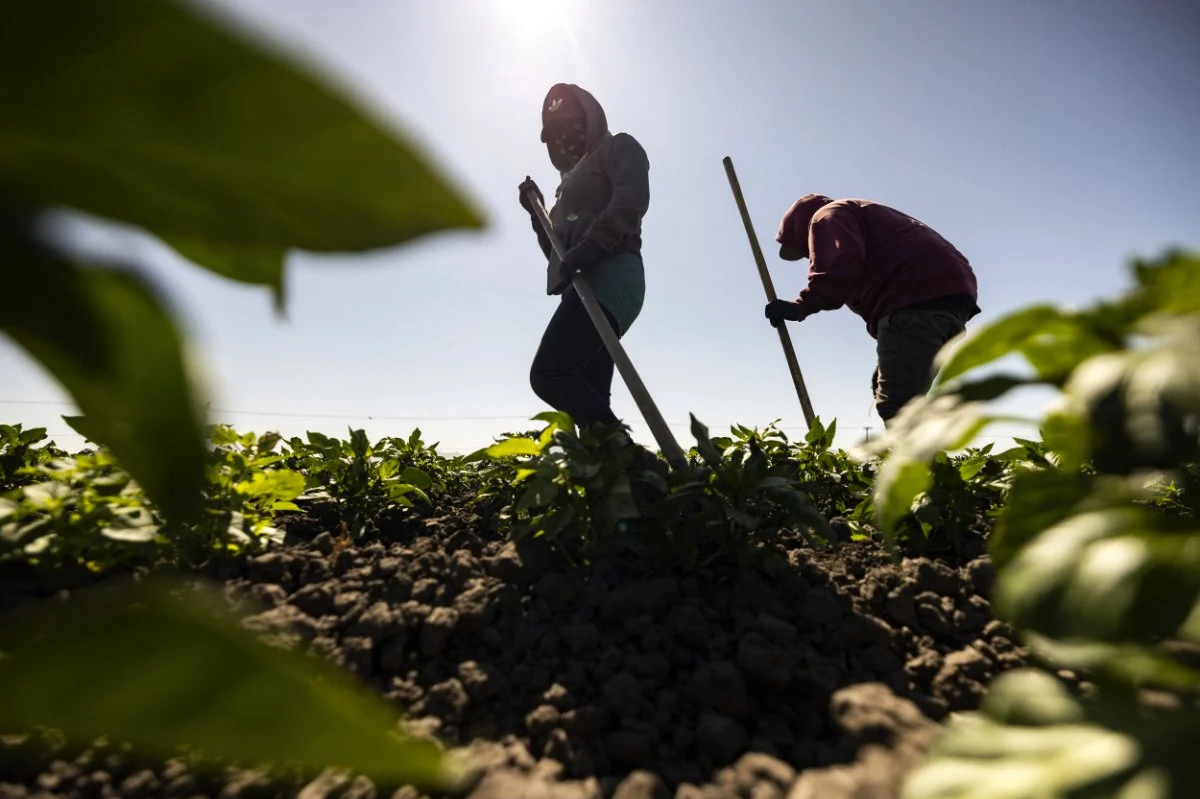
According to agricultural data, the "spring window" is critical for small-scale farmers who rely on high-value, short-season crops. The demand for ramps and fiddlehead ferns, for instance, has seen a significant increase in the farm-to-table sector, with wholesale prices reflecting their scarcity and labor-intensive foraging requirements. This scarcity necessitates a culinary style where the ingredient is the "center stage" performer. Culinary experts argue that when an ingredient is at its peak, excessive manipulation—such as heavy sauces or complex spice blends—can obscure the very qualities that make the item desirable.
The Chemistry of Simple Pairings: A Case Study in Balance
A primary example of the "simplicity" movement is the pairing of aged cheeses with specific beer styles. A classic pairing cited by industry professionals involves the combination of a shaved piece of Parmesan Reggiano with a traditional pale ale. This pairing serves as a masterclass in flavor balance, illustrating how disparate elements can harmonize through chemical and sensory interactions.
From a technical perspective, the nuttiness and umami depth of the Parmesan, which results from a long aging process and the development of tyrosine crystals, find a counterpoint in the malt profile of a pale ale. The carbonation of the beer acts as a palate cleanser, cutting through the high fat content of the cheese, while the alpha acids in the hops provide a bitter "pop" that prevents the saltiness of the cheese from becoming overwhelming. This relationship highlights the concept of "balance"—the equilibrium between the sweetness of the malt, the bitterness of the hops, and the creaminess of the dairy.
Industry analysts note that this drive toward balance is a reaction to the "extreme" trends of the previous decade. During the early 2010s, both the culinary and craft beer worlds were often dominated by "attention-grabbing" offerings, such as ultra-high-IBU (International Bitterness Units) IPAs or over-elaborate, multi-component dishes that risked "palate wreckage." The modern shift focuses on "taking something off the plate" rather than over-working the pairing, a technique that requires higher precision and better-quality sourcing.
The Role of Small and Independent Breweries
The Brewers Association, a not-for-profit trade group representing small and independent American craft brewers, has long advocated for the integration of craft beer into the fine dining experience. Data from the association indicates that there are now over 9,500 craft breweries in the United States, many of which focus on local distribution and seasonal releases. These breweries often produce styles like Saisons and Pale Ales that are specifically designed to complement the regional harvest.
A Saison, for example, often features peppery, phenolic notes and a dry finish, making it an ideal companion for the "gentle sweetness" of a freshly harvested radish. When a chef serves a radish dipped in butter and garnished with sea salt, the dish is not a result of simplified labor but a deliberate choice to tell a "story of the harvest." The pairing of this dish with a Saison bridges the relationship between the farmer, the brewer, the chef, and the diner. This interconnectedness is a hallmark of the modern craft movement, which prioritizes the narrative of the product’s origin.
Chronology of the Spring Culinary Cycle
The transition into spring menus typically follows a structured chronological path dictated by soil temperatures and regional climates:
- Early Spring (Late March – Mid April): The emergence of "overwintered" crops and the first hardy greens. This is the period for parsnips that have sweetened in the frozen ground, followed by the first shoots of ramps and asparagus.
- Mid-Spring (Late April – May): The arrival of peas, fava beans, and morels. This is often considered the "peak" of the spring flavor profile, where menus become dominated by shades of green and earthy, fungal notes.
- Late Spring (June): The transition toward summer, featuring the last of the cool-weather greens and the first berries and stone fruits.
Throughout this cycle, breweries adjust their production schedules. Many release "Spring Seasonals" that move away from the heavy stouts and porters of winter toward lighter, more effervescent styles like Maibocks, Goses, and various farmhouse ales. This synchronization between the brewhouse and the farm ensures that the beverage options available to consumers match the physiological needs of the palate as the weather warms.
Official Perspectives and Industry Implications
Leading figures in the culinary world have voiced support for this return to minimalism. In various industry forums, chefs have noted that achieving simplicity and balance actually takes more "focus, dedication, and perseverance" than complex cooking. Without the "smoke and mirrors" of heavy seasoning or intricate plating, any flaw in the ingredient or the technique is immediately apparent to the diner.
The economic implications of this trend are significant. By highlighting seasonal produce in its simplest form, restaurants can reduce food waste and support local biodiversity. Furthermore, the emphasis on "balance" in craft beer has opened the market to a wider demographic of consumers who may have been alienated by the "bitterness wars" of previous years. The rise of "sessionable" beers—those with lower alcohol content but high flavor complexity—is a direct result of the consumer’s desire for balance and the ability to pair multiple beverages with a meal without overwhelming the senses.
Broader Impact on Global Gastronomy
The move toward simplicity and balance is not localized to the United States but is part of a global movement in gastronomy. From the Nordic focus on foraging and raw preparations to the traditional Japanese emphasis on shun (the peak moment of an ingredient’s season), the international community is increasingly recognizing that the "best possible harvest time" is the most important factor in a dish’s success.
As the craft beer industry continues to mature, its role in this movement becomes more pronounced. No longer viewed as just a casual beverage, craft beer is being treated with the same viticultural respect as fine wine. The ability of a brewer to achieve a "clean, bright" flavor in a beer that complements a "marinated or grilled" spring vegetable is now a benchmark of professional skill.
In conclusion, the spring season serves as a reminder of the power of restraint. Whether it is a chef choosing to garnish a vegetable with only salt or a brewer focusing on the delicate interplay of malt and carbonation, the goal remains the same: to create a "moment" or a "complete experience" that honors the source material. As the industry moves forward, the values of simplicity and balance are expected to remain at the forefront, driving innovation through the pursuit of purity rather than complexity. The first harvest of spring is not just a change in the weather; it is a recalibration of the palate and a celebration of the essential relationship between the land and the table.