admin
The integration of artificial intelligence into the global economy has transitioned from a speculative futuristic concept to a foundational operational reality within the span of a single decade. While early public discourse surrounding AI often focused on its potential to disrupt white-collar sectors or automate heavy manufacturing, the technology has permeated nearly every facet of modern life, influencing everything from educational integrity and military logistics to autonomous transportation. Perhaps most surprisingly, this digital evolution has found a significant foothold in the craft beer industry—a sector traditionally defined by its "handcrafted" ethos, artisanal techniques, and human-centric tradition. As breweries face increasing competition and rising operational costs, many are turning to machine learning and generative algorithms to refine quality control, optimize resource management, and push the boundaries of flavor profile development.
The Shift Toward Data-Driven Quality Control
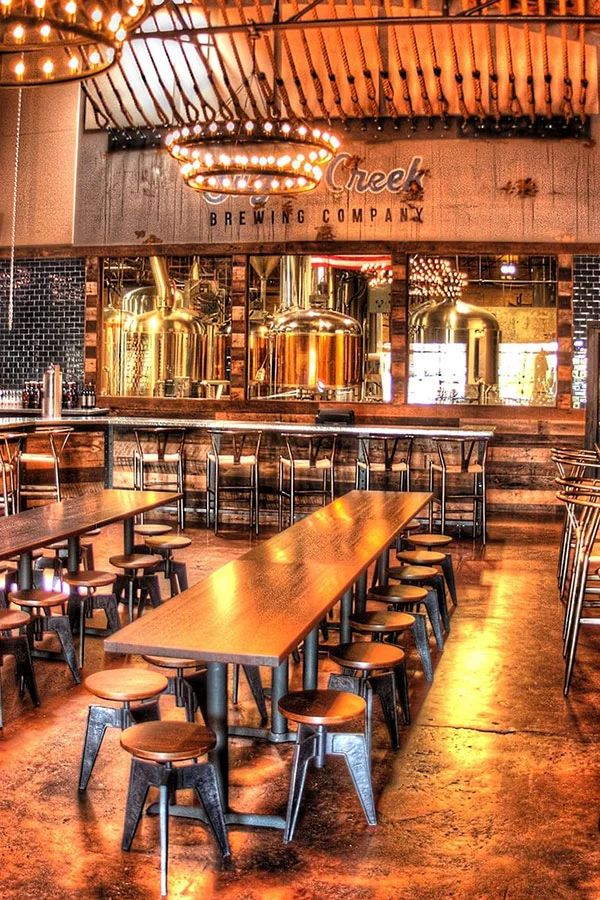
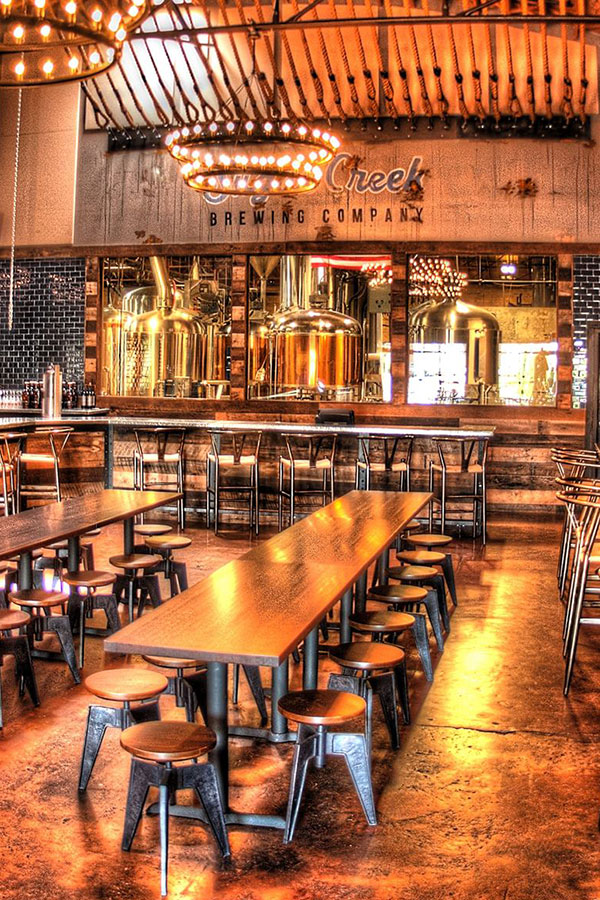
The application of AI in the brewing process often begins long before a pint is poured, focusing on the rigorous demands of quality assurance and packaging efficiency. For independent breweries, maintaining consistency across thousands of cans and bottles is one of the most significant logistical hurdles. Sugar Creek Brewing Company, based in Charlotte, North Carolina, has become a primary case study for how the Internet of Things (IoT) paired with AI can mitigate waste and ensure product integrity.
By deploying a network of sensors and AI-driven monitoring devices, Sugar Creek tracks variables that were historically difficult to manage in real-time, such as precise fill levels, temperature fluctuations, and foam consistency during the packaging phase. Excessive foaming during bottling, often referred to as "breakout," can lead to oxygen ingress, which significantly reduces the shelf life of the beer. Through AI analysis, the brewery can identify the exact mechanical or thermal conditions leading to these inefficiencies. This data-driven approach allows for immediate adjustments, reducing product loss and ensuring that every consumer receives a beer that meets the head brewer’s exact specifications.
Industry analysts note that this move toward "Smart Brewing" mirrors trends in the broader food and beverage sector. According to market research, the global AI in the food and beverage market is projected to reach nearly $30 billion by 2026, growing at a compound annual growth rate (CAGR) of over 40%. For craft breweries, where profit margins are often thin, the efficiency gains provided by AI are not merely a luxury but a strategic necessity for long-term survival.
Generative Algorithms and Recipe Innovation
Beyond the mechanical aspects of production, AI is being utilized to challenge the creative limitations of recipe formulation. Traditionally, a brewmaster relies on years of sensory training and historical knowledge to balance malts, hops, yeast, and water chemistry. However, Large Language Models (LLMs) like OpenAI’s ChatGPT are now being tasked with acting as digital brewing assistants.
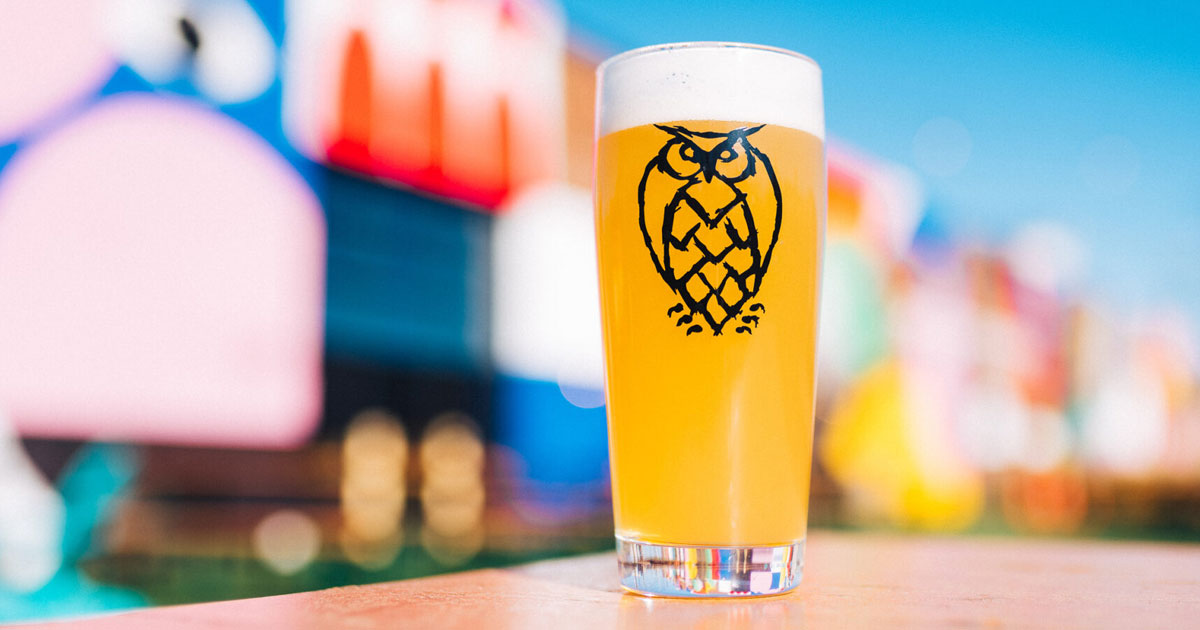
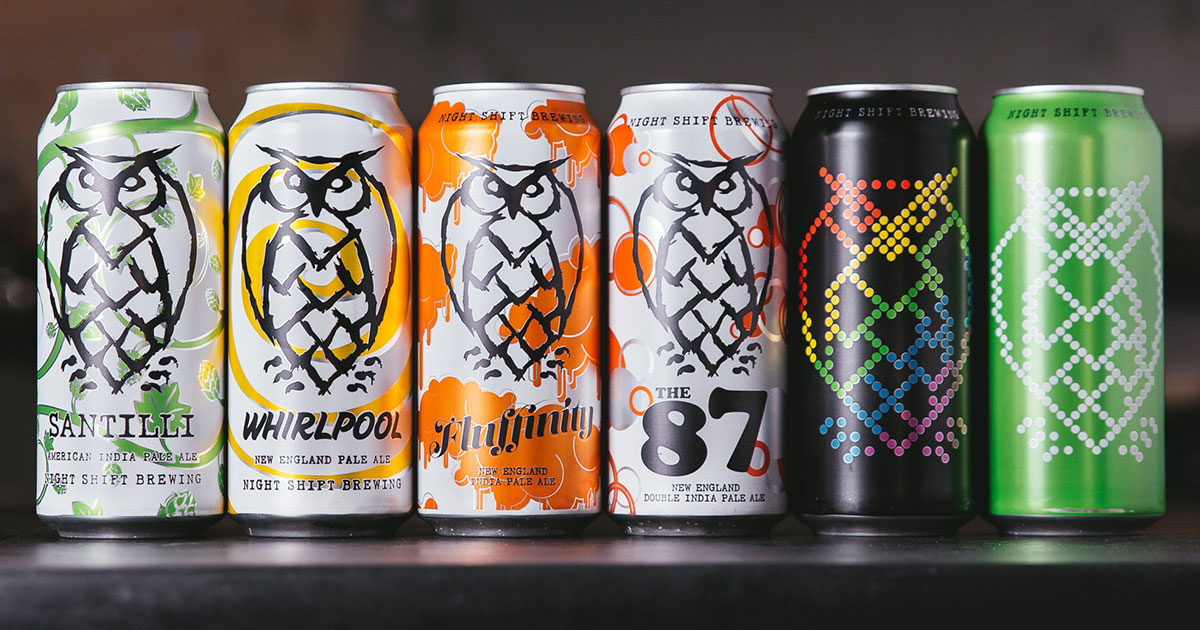
In Boston, Michael Oxton, co-founder of Night Shift Brewing, experimented with ChatGPT to develop a new hazy IPA. The AI was tasked with creating a comprehensive recipe, including a specific water profile—a complex set of mineral concentrations that determine the "mouthfeel" and hop perception of a beer—along with hop additions and fermentation instructions. Oxton noted that while a human brewing team might spend weeks or months researching and testing a new water profile for a specific style, the AI was able to generate a scientifically sound starting point in minutes.
The resulting "AI-PA" featured a complex flavor profile characterized by notes of mango, watermelon, and citrus. While the recipe was largely generated by the algorithm, the human element remained essential; the Night Shift team had to adjust the AI’s suggestions based on ingredient availability and practical equipment limitations. This collaboration highlights a growing trend: AI is not replacing the brewer but is instead functioning as a "creativity enhancer" that can process vast amounts of brewing data to suggest combinations that a human might not intuitively consider.
This trend is not isolated to the Northeast. Across the United States, several breweries have launched "AI-generated" labels. Asbury Park Brewery in New Jersey and Atwater Brewing in Detroit have both released AI-themed IPAs, while Urban Forest Craft Brewing in Rockford, Illinois, introduced "Put the AI in sAIson," a play on the traditional Belgian farmhouse style.
The Deep Learning Approach: Species X and Neural Networks
While many breweries use off-the-shelf LLMs, some industry innovators are building proprietary systems designed specifically for zymurgy—the study of fermentation. The Species X Beer Project represented one of the most advanced iterations of this concept. Founded by Beau Warren, who possesses a background in both beer microbiology and data analytics, Species X operated on a dual-track system: "Carbon Species" (human-designed recipes) and "Silicon Species" (AI-designed recipes).
Warren developed seven distinct machine-learning models using a combination of regression analysis and neural networks. Unlike a general-purpose AI, these models were trained on proprietary data sets encompassing water chemistry, hop alpha acids, yeast attenuation rates, and historical flavor profiles. By feeding the AI data from customer reviews and internal quality scores, the models "learned" the parameters of a highly-rated beer.
One of the most notable outputs from this system was an amber lager brewed with 100% Maris Otter malt. In traditional brewing, Maris Otter is almost exclusively used for British ales, porters, and stouts due to its rich, biscuity flavor; using it for a crisp lager was considered "out of left field" by traditional standards. However, the AI’s prediction proved successful, resulting in a balanced and popular product. Another creation, an imperial pastry Baltic porter developed by the "Beh3moth" model, utilized a staggering array of 12 malts, coffee, vanilla, marshmallows, and fruit, finished with a dry-hopping technique typically reserved for New England IPAs. Warren remarked that the AI’s ability to throw tradition aside allowed for the creation of beers that were "literally unlike anything" he had experienced in his career.
Optimization of Microbiology: The Role of Yeast Buddy
The influence of AI extends into the microscopic foundations of brewing through companies like Propagate Lab. Based in Colorado, this yeast propagation facility introduced "Yeast Buddy," an AI-driven chatbot designed to help brewers navigate the complexities of fungal strains. With hundreds of yeast variants available—each producing different esters, phenols, and attenuation levels—choosing the right strain can be an overwhelming task for even experienced brewers.
Yeast Buddy acts as an automated database manager, allowing brewers to input their desired flavor targets and technical parameters to find the optimal yeast match. Matthew Peetz, founder of Propagate Lab, compares the tool to a high-powered calculator. By removing the "default" choice of using familiar yeast strains, the AI encourages brewers to be more adventurous, facilitating the discovery of rare or specialized strains that might otherwise be overlooked. This level of optimization is crucial as the craft beer market becomes increasingly saturated, and "shelf-standard" beers struggle to compete with more innovative offerings.
The Human-in-the-Loop: Collaboration vs. Replacement
Despite the impressive capabilities of these digital systems, a consensus is emerging among industry leaders: AI is a tool, not a replacement for the human palate. The "human-in-the-loop" model remains the standard for several technical and ethical reasons.
First, AI models require "guardrails" to function within the laws of physics and the specific mechanical constraints of a brewhouse. An AI might suggest a recipe that is chemically sound but physically impossible to filter through a standard mash tun. Second, AI lacks the sensory experience of "tasting." While it can predict flavor based on chemical compounds, it cannot experience the nuances of a finished product or understand the cultural context of a specific beer style.
"It’s as useful as a calculator," says Matthew Peetz. "If you are punching in the wrong numbers, you’re going to get the wrong result." This sentiment is echoed by Michael Oxton, who views AI as a "brewing assistant" that can handle the heavy lifting of data analysis, allowing the head brewer to focus on the artistic and sensory aspects of the craft.
Economic Realities and the Future of AI in Brewing
While the technological potential of AI in brewing is vast, it is not a guaranteed shield against economic headwinds. The recent permanent closure of Species X Beer Project, despite its groundbreaking use of neural networks, serves as a sobering reminder of the volatility of the craft beer market. Rising ingredient costs, shifting consumer preferences toward spirits and non-alcoholic options, and a crowded retail landscape remain significant challenges that technology alone cannot solve.
However, the data gathered during these early experiments provides a roadmap for the future. The ability of AI to reduce waste, optimize energy consumption, and accelerate the R&D process offers a clear path toward a more sustainable and resilient industry. As AI models become more accessible and refined, it is likely that the "Silicon Species" of the brewing world will continue to evolve.
In the final analysis, the integration of AI into craft beer represents a synthesis of the ancient and the modern. By leveraging the power of machine learning, brewers are not abandoning the traditions of their craft; rather, they are becoming "superhuman" versions of themselves—equipped with the data and speed necessary to explore the next frontier of fermentation. The future of the taproom may be powered by algorithms, but the soul of the industry remains firmly rooted in the human desire for innovation, community, and the perfect pour.