admin
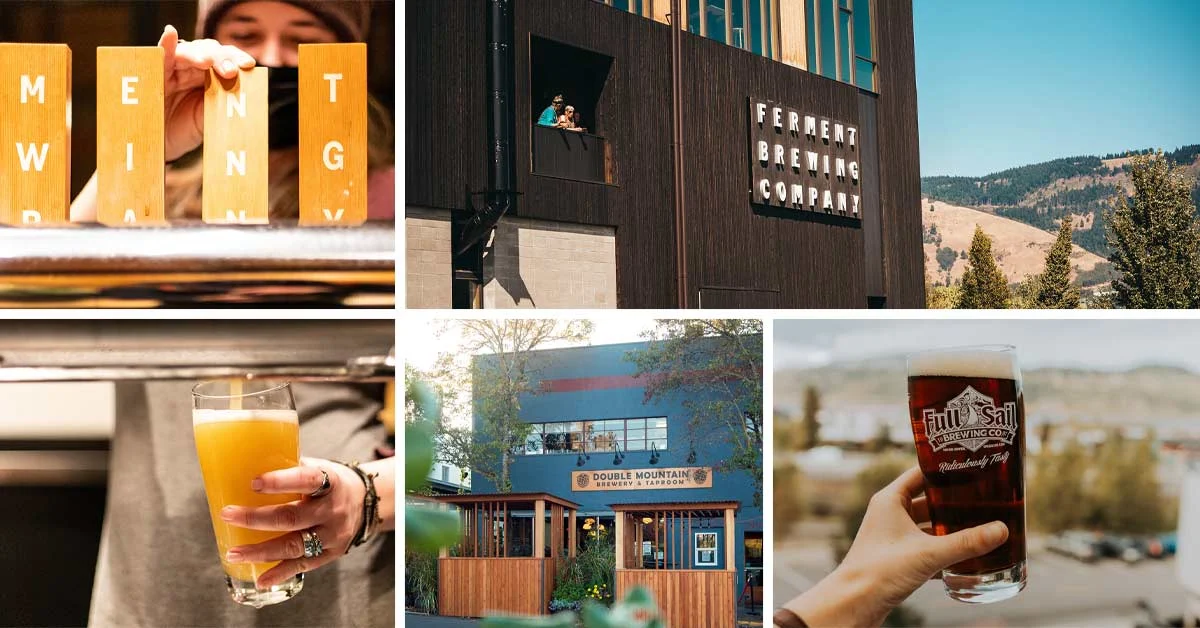
The inaugural Hood River Orchard and Ale Festival recently transformed the Columbia River waterfront into a central hub for craft beer enthusiasts, marking a significant milestone in the region’s burgeoning tourism and brewing sectors. Held in early October, the event celebrated the unique intersection of the Pacific Northwest’s world-class agricultural output and its storied brewing traditions. Despite the challenging meteorological conditions characteristic of the Columbia River Gorge—a natural wind tunnel known for high-velocity gusts—the festival successfully showcased the depth of the Hood River brewing community.
The festival’s debut comes at a time when Oregon continues to solidify its reputation as a global leader in the craft beverage industry. By positioning the event on the waterfront, organizers highlighted the geographical features that define the region’s beer: the proximity to the Hood River watershed and the volcanic geology of the Cascade Mountains. For attendees, the event provided a concentrated look at a town of just over 8,000 residents that arguably possesses the highest density of quality breweries per capita in the United States.
Geological and Hydrological Foundations of the Region’s Brewing Success
The quality of the beer produced in Hood River is inextricably linked to the local environment. Unlike many metropolitan brewing hubs that rely on treated municipal water, Hood River breweries draw from the Hood River watershed. This water source originates as snowmelt from the 14,000-foot peaks of the Cascade Mountains. As the water descends, it undergoes a natural filtration process through layers of volcanic basalt rock.
This geological filtration results in water that is exceptionally soft and clean, yet rich in essential minerals that enhance the mashing and fermentation processes. This "soft" water profile is particularly advantageous for brewing delicate lagers and crisp pilsners, styles that have become a hallmark of the Hood River scene. Furthermore, the region’s proximity to the Willamette Valley—one of the world’s most productive hop-growing regions—ensures that brewers have immediate access to fresh, high-quality ingredients. This logistical advantage is most evident during the "fresh hop" season in early autumn, which coincided with the festival.
A Chronology of the Hood River Brewing Industry
The development of Hood River as a brewing powerhouse has occurred over nearly four decades, characterized by a mix of pioneering "OG" establishments and modern, experimental newcomers.
The Foundation: Full Sail Brewing Co. (1987)
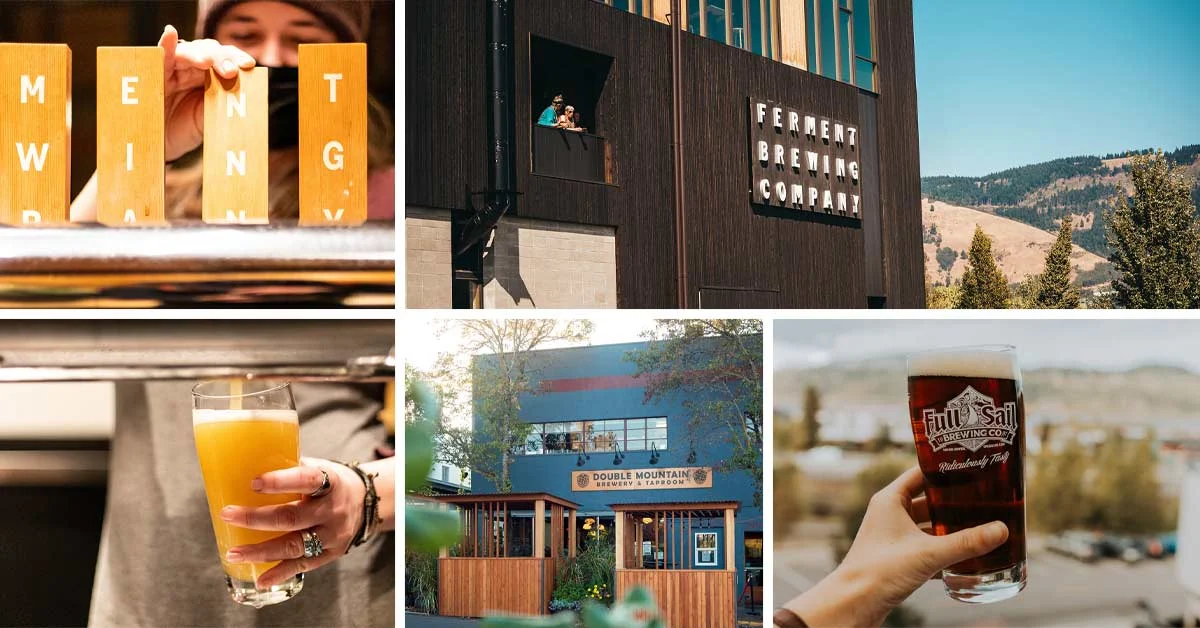
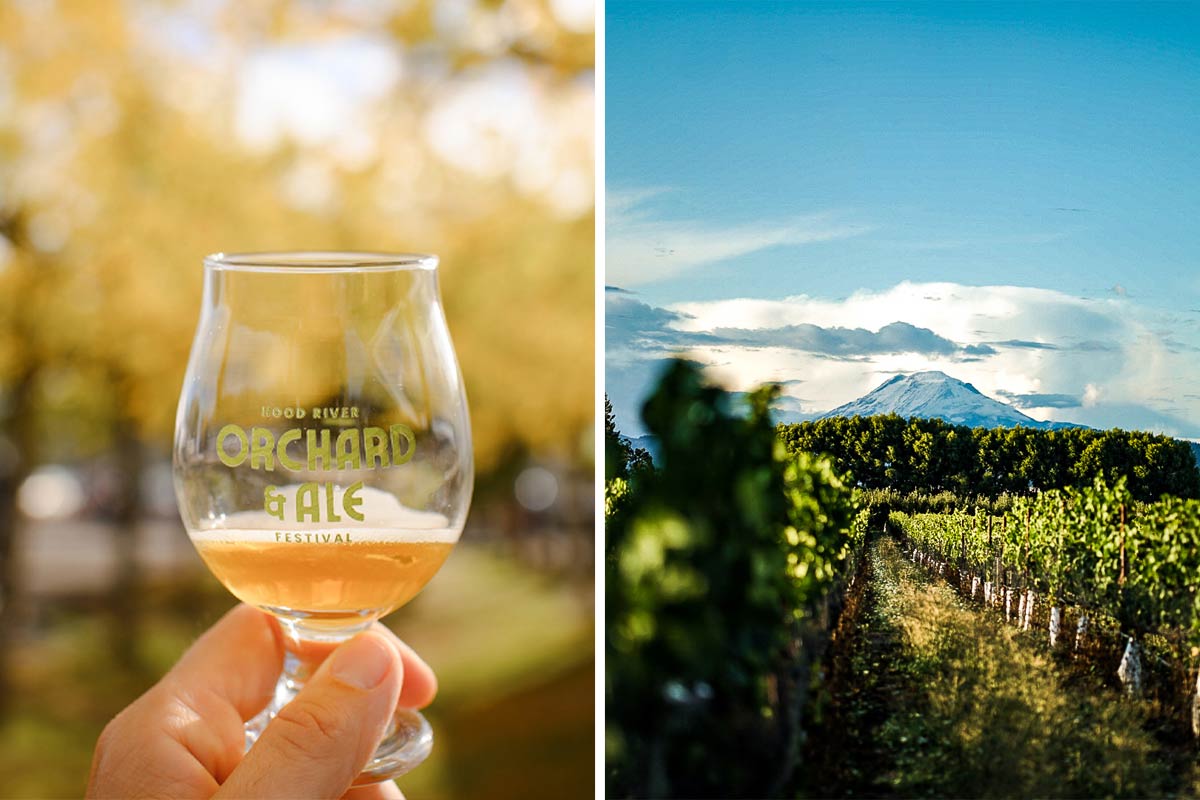
The local industry traces its roots back to 1987 with the founding of Full Sail Brewing Co. As one of the first craft breweries in Oregon to achieve significant regional distribution, Full Sail established the blueprint for the local industry. Known for its classic Full Sail Amber Ale, the brewery has remained a cornerstone of the downtown district for 37 years. In recent years, the establishment has modernized its portfolio to include West Coast and hazy IPAs, demonstrating the adaptability required to survive in an evolving market.
The Expansion Era: Double Mountain Brewery (2007)
Twenty years after Full Sail opened its doors, Double Mountain Brewery was established, further cementing the town’s reputation. Double Mountain became a local institution by focusing on bold flavors and sustainable practices, such as its long-standing commitment to refillable glass bottles. Its presence helped transition Hood River from a town with a single brewery to a genuine beer destination.
The Modern Powerhouse: pFriem Family Brewers (2012)
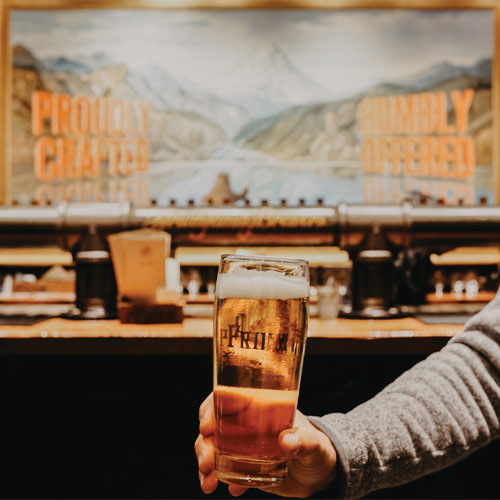
The 2012 opening of pFriem Family Brewers marked a shift toward European-inspired styles and high-end tasting room experiences. Located directly on the waterfront, pFriem has gained national acclaim for its artisanal approach to lagers and Belgian-style ales. The brewery’s success has been a primary driver of waterfront development, attracting a new demographic of "beer tourists" to the Gorge.
The New Wave: 2020–2025
The local scene has seen a recent surge in growth despite the economic challenges of the early 2020s. Ferment Brewing Company introduced a focus on "farmhouse" techniques and local terroir, utilizing native yeasts and local fruits, such as Oregon strawberries, in their fermentation processes.
In 2023, the Hood River Brewing Company opened its doors, offering a diverse range of styles including Mexican-style lagers. Most recently, in 2025, Kings & Daughters Brewery launched "The Walled Garden," an elegant public house that emphasizes lighter lagers and hazy IPAs, representing the latest evolution in the town’s aesthetic and culinary offerings.
Economic Impact and Tourism Data
The Hood River Orchard and Ale Festival serves as a strategic economic driver for the Columbia River Gorge. According to regional tourism data, the Gorge attracts over 2 million visitors annually, with outdoor recreation and culinary tourism being the primary motivators.
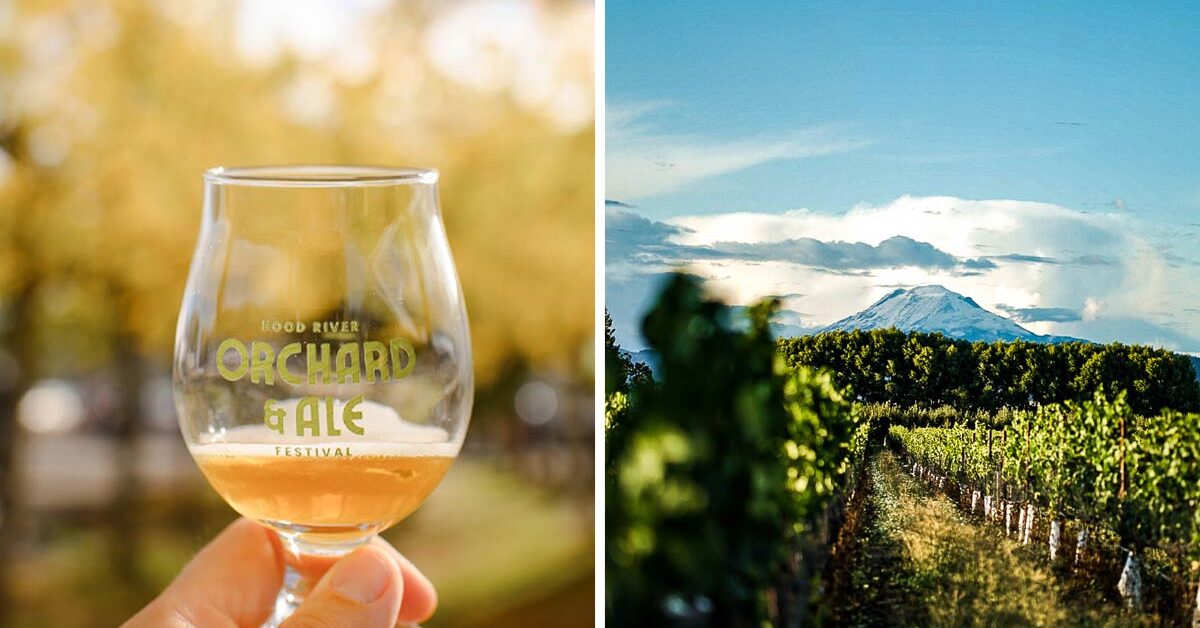
The concentration of breweries in a town of 8,000 residents creates a unique economic ecosystem. Industry analysts note that "brewery clusters" like the one in Hood River generate a multiplier effect; visitors who come for the beer also contribute to the local economy through lodging, dining, and retail. The inaugural festival was designed to capture this "shoulder season" revenue in October, a period when traditional summer recreation—such as windsurfing and kiteboarding—begins to taper off, but the harvest season is at its peak.
Local business owners reported a significant uptick in foot traffic during the festival weekend. "Events like the Orchard and Ale Festival are critical for sustaining the momentum of the local economy as we transition into the autumn months," stated a representative from the local Chamber of Commerce. "It bridges the gap between the summer sports season and the winter ski season on Mt. Hood."
Technical Challenges and Event Logistics
The inaugural festival was not without its logistical hurdles, primarily dictated by the unique geography of the Columbia River Gorge. The canyon acts as a natural venturi, accelerating winds as they pass through the narrow passage between the Oregon and Washington cliffs. On the day of the festival, steady gusts presented challenges for event staff and vendors.
Organizers noted that the wind conditions influenced consumer behavior, specifically regarding the choice of tasting vessels. While standard plastic tasting cups are common at such events, the high winds led many attendees to opt for heavier, premium glassware. This shift highlighted a broader trend in the craft beer community: a move toward "proper glassware" that enhances the sensory experience of the beer while providing practical benefits in outdoor settings.
The festival featured a wide array of styles, reflecting the technical proficiency of the region’s brewers. Notable offerings included:
- Bottom-Fermented Lagers: Working Hands Fermentation showcased the region’s mastery of lagers with their Night Shift Schwarzbier, a dark lager that maintains a light body and subtle smokiness.
- Fresh-Hopped Ales: Utilizing the immediate harvest from the Willamette Valley, breweries like Double Mountain and pFriem served IPAs and Pilsners featuring hops that had been picked and brewed within a 24-hour window.
- Terroir-Driven Sours: Ferment Brewing Company’s use of local fruit highlighted the "Orchard" aspect of the festival, blending the town’s fruit-growing heritage with modern fermentation science.
Analysis of Implications for the Craft Beer Industry
The success of the Hood River Orchard and Ale Festival suggests several broader implications for the craft beer industry at large. First, it reinforces the importance of "place" or terroir in brewing. As the market becomes increasingly crowded, breweries that can tie their identity to specific local ingredients and geographical features—such as the Hood River watershed—are better positioned to maintain brand loyalty.
Second, the festival demonstrates the viability of small-town brewing hubs. While cities like Portland and San Diego have traditionally been the centers of the craft beer world, smaller municipalities like Hood River are proving that they can support a dense and diverse brewing ecosystem by integrating with the local agricultural and tourism sectors.
Finally, the event underscores the shift toward "experiential" drinking. Modern consumers are looking for more than just a product; they are seeking an environment that reflects the origins of that product. By hosting the festival on the windswept banks of the Columbia River, within sight of the mountains that provide the water and the valleys that provide the hops, organizers created a narrative of authenticity that resonates with the contemporary craft beer consumer.
As Hood River looks toward the future, the integration of its brewing industry with its agricultural roots remains its greatest strength. The Orchard and Ale Festival is poised to become an annual fixture, further solidifying the town’s status as a premier destination for those seeking the pinnacle of Pacific Northwest craft beer. Following the conclusion of the event, the flow of enthusiasts continues to move along the river, connecting the rural excellence of the Gorge with the broader urban markets of the West Coast.