admin
The Colorado National Monument, situated on the western edge of Grand Junction, serves as a testament to the geological grandeur of the American West. Characterized by towering red rock monoliths, deep canyons, and sheer sandstone walls, the site offers a visual experience often compared to the Grand Canyon, yet it remains significantly less crowded. This lack of congestion is a defining characteristic of Grand Junction, a city that has quietly evolved into a premier destination for both outdoor enthusiasts and craft beer aficionados. While tourists frequently bypass the Western Slope in favor of the Front Range or the high-traffic national parks of Utah and Northern Arizona, Grand Junction has cultivated an "embarrassment of riches" that includes world-class hiking, mountain biking, and a sophisticated, community-driven brewing scene.
The Geographical and Historical Context of the Western Slope
Grand Junction derives its name from its location at the confluence of two major waterways: the Gunnison River and the Colorado River (historically known as the Grand River). This unique positioning has created a convergence of diverse natural landscapes. To the west lies the Colorado National Monument; to the north, the Book Cliffs; and to the east, the Grand Mesa. The latter is recognized as the largest flat-top mountain in the world, spanning approximately 500 square miles and rising to over 11,000 feet.
The region is also home to Rattlesnake Arches, which boasts one of the highest concentrations of natural arches outside of Arches National Park in Utah. Despite these accolades, the region has historically functioned as a service hub for agriculture and energy rather than a primary tourism magnet. However, the last decade has seen a deliberate shift. Local stakeholders have leveraged the area’s topography to build a recreation-based economy, which has, in turn, fueled a burgeoning hospitality sector centered on independent craft breweries.
A Chronology of the Grand Junction Brewing Movement
The evolution of the local beer scene is marked by distinct phases of growth. The foundational era began in 1994 with the opening of The Rockslide Brew Pub. As the city’s original craft brewery, Rockslide established the precedent for the "brewpub" model in the region, offering a consistent selection of ales and lagers in a convivial, downtown setting. For nearly two decades, the scene remained relatively stable until the mid-2010s and early 2020s, when a new wave of entrepreneurs began to diversify the local palate.
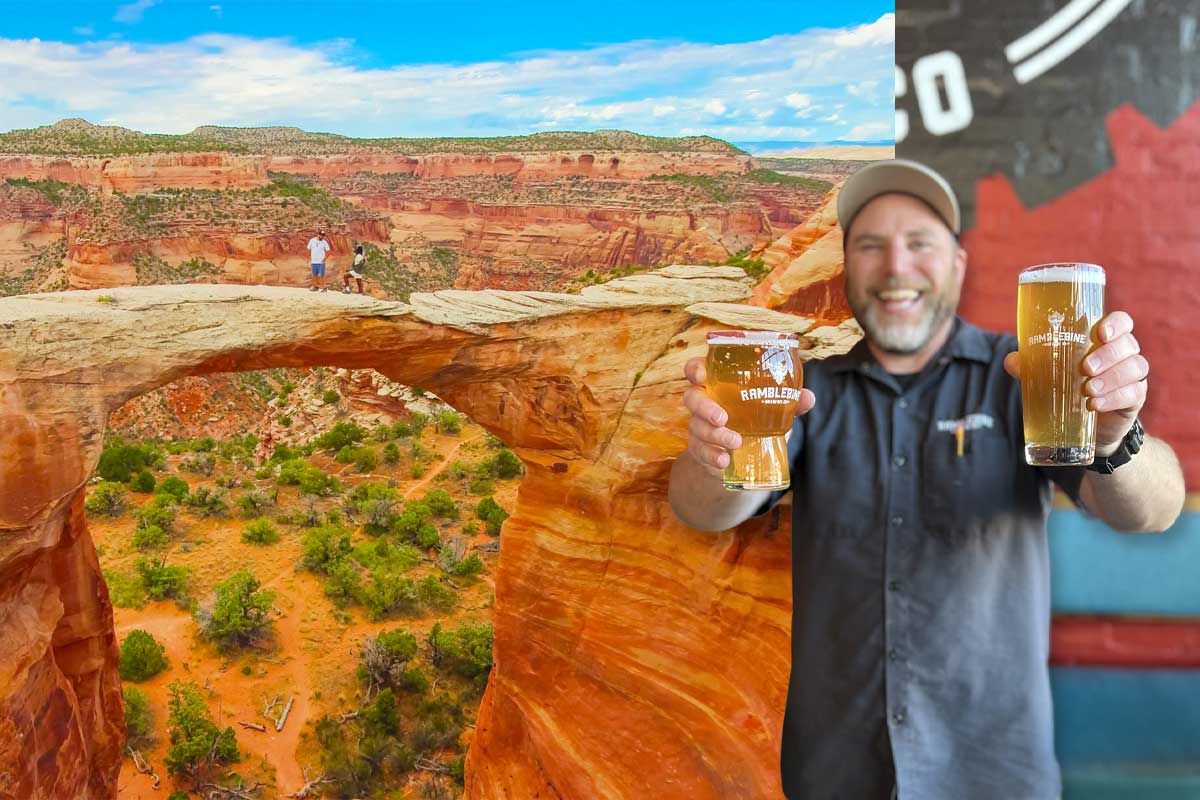
In 2020, despite the global challenges posed by the pandemic, Ramblebine Brewing opened its doors, signaling a shift toward more experimental and contemporary brewing styles. This was followed by a rapid succession of openings and expansions, including Trail Life Brewing and the recent debut of WestCo Brewing. This timeline reflects a broader trend within the state of Colorado, which consistently ranks among the top five states in the U.S. for the number of craft breweries per capita.
Analysis of the "Beer-and-Bikes" Synergy
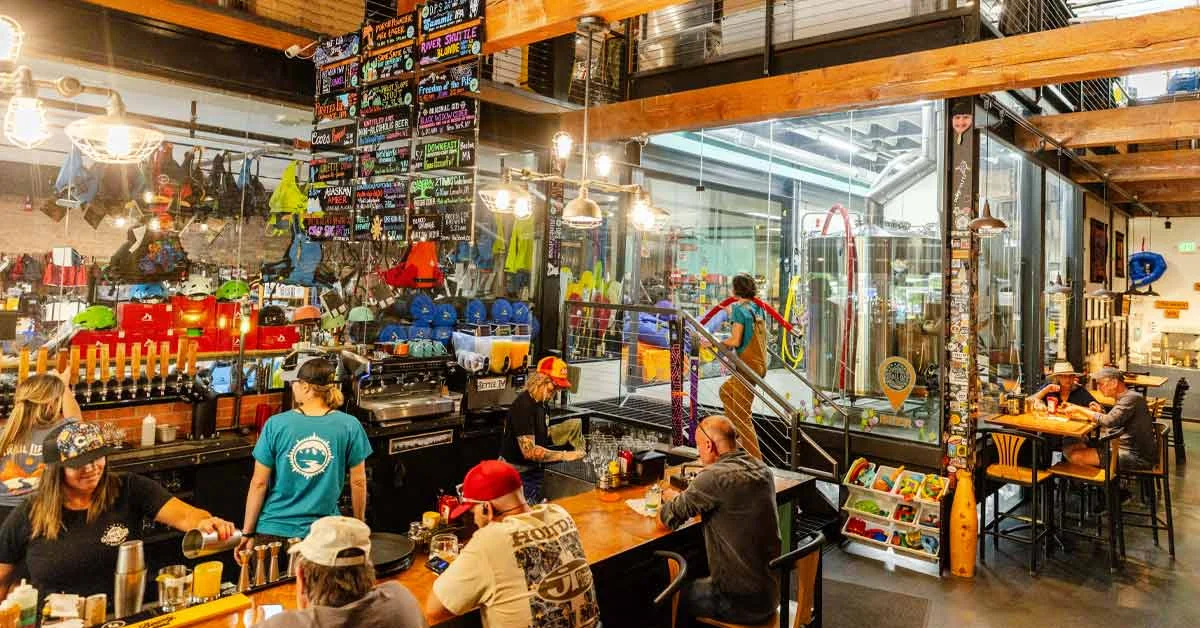
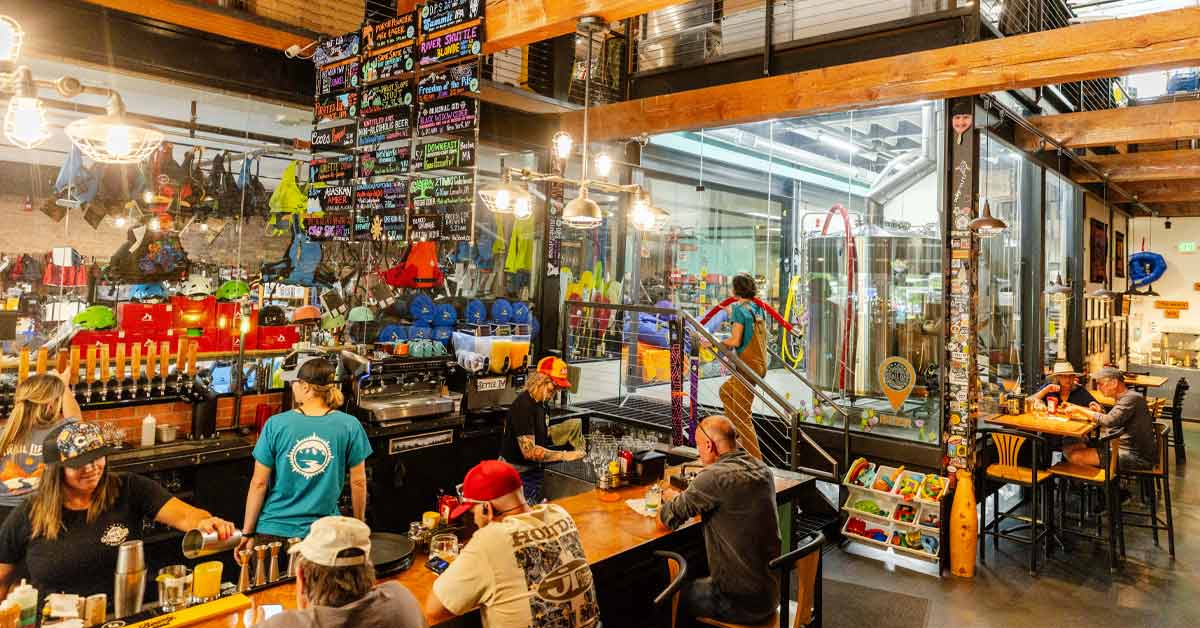
A distinctive feature of the Grand Junction market is the symbiotic relationship between outdoor recreation and the brewing industry. This is most visible at Trail Life Brewing, an establishment physically integrated with a mountain bike shop. The business model caters to the "apres-adventure" demographic, providing a space where patrons can transition directly from the trails to the taproom.
Adam Kinsey, a prominent figure in the local scene and owner of Handlebar Tap House and WestCo Brewing, notes that the city’s identity is inextricably linked to active lifestyles. Handlebar Tap House, also located adjacent to a cycling shop, features 24 rotating taps that highlight regional excellence. This proximity is not merely a real estate coincidence but a strategic alignment with the city’s culture. The "Beer-and-Bikes" model has proven resilient, as it taps into a loyal local base while providing a clear "lifestyle brand" for visitors to consume.
Leading Establishments and Technical Brewing Trends
The current landscape of Grand Junction brewing is characterized by a high degree of technical proficiency and a willingness to embrace global styles.
Ramblebine Brewing: Founders Eli Gerson and Rob James have gained recognition for their "God Hammer," a Norwegian red ale fermented with kveik yeast. Kveik, a traditional Norwegian farmhouse yeast, is known for its ability to ferment at high temperatures without producing off-flavors, resulting in a unique ester profile. Ramblebine’s portfolio also includes hazy IPAs, tart fruit sours, and barrel-aged stouts, reflecting a commitment to stylistic diversity.
WestCo Brewing: As the newest addition to the scene, WestCo represents the maturation of the local industry. A collaboration between Kinsey and head brewer Danny Wilson, the brewery is situated near the Amphitheater at Las Colonias Park. WestCo focuses on "flavor-forward but easy-drinking" styles, such as Japanese-style rice lagers and Mexican-style lagers. The establishment also distinguishes itself through its culinary program, which features a sophisticated fusion menu including Colorado elk sloppy joes and Japanese chicken curry poutine.
Base Camp Beer Works and Gemini Beer Company: These breweries contribute to the scene’s depth. Base Camp is noted for its creative adjuncts, such as pineapple and pistachio in cream ales, while Gemini Beer Company serves as both a producer of its own pale ales and a curator of other local beers, fostering a spirit of industry collaboration rather than cutthroat competition.
Supporting Data: The Economic Impact of Craft Beer
The growth of Grand Junction’s beer scene mirrors the economic importance of the craft brewing industry at large. According to the Brewers Association, a not-for-profit trade group, small and independent craft brewers contributed $76.3 billion to the U.S. economy in 2022. In Colorado, the industry is a vital component of the state’s identity, supporting tens of thousands of jobs.
Grand Junction’s ability to attract "beer tourists" provides a critical economic buffer. While traditional tourism often fluctuates based on seasonal factors, the craft beer enthusiast demographic tends to be highly mobile and willing to travel specifically for unique taproom experiences. By positioning itself as a "crowd-free" alternative to Denver or Fort Collins, Grand Junction is capturing a larger share of the "Western Slope" tourism spend.
Official Responses and Community Impact
Local business owners emphasize that the brewing scene is built around the community of adventurers who call the city home. The taprooms function as modern-day town squares. The Brewers Association highlights that independent breweries are often at the forefront of local revitalization efforts, frequently moving into historic or underutilized buildings and transforming them into vibrant community hubs.
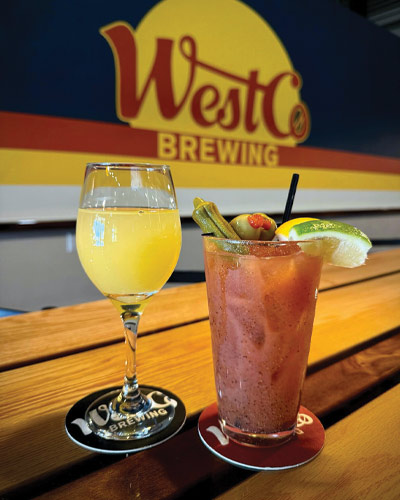
In Grand Junction, this is evident in the way breweries like WestCo and Ramblebine have become anchors for their respective neighborhoods. The consensus among local operators is that the scene is not yet at a saturation point; rather, the variety of offerings—from the "OG" status of Rockslide to the experimental nature of Base Camp—creates a comprehensive "ex-beer-ience" that benefits all participants.
Broader Implications and Future Outlook
The rise of Grand Junction as a beer destination has broader implications for regional development. It suggests that "secondary" cities can successfully compete with major metropolitan areas by leaning into their unique geographical advantages. As remote work continues to allow for more flexible living arrangements, Grand Junction’s combination of affordable (by Colorado standards) living, world-class outdoor access, and a sophisticated social scene makes it an attractive target for relocation.
Furthermore, the emphasis on "undiscovered" and "crowd-free" experiences is a powerful marketing tool in an era of over-tourism. As flagship parks like Zion and the Grand Canyon implement reservation systems and face overcrowding, Grand Junction’s Colorado National Monument offers a comparable experience with a fraction of the logistical hurdles.
In conclusion, Grand Junction has successfully transitioned from a quiet river town into a multifaceted destination. The synergy between its natural wonders and its artisanal brewing community has created a unique ecosystem. For the beer enthusiast, the city offers a high-quality, diverse selection of brews; for the adventurer, it offers unparalleled access to the rugged beauty of the Western Slope. Together, these elements position Grand Junction as a vital, if still somewhat hidden, jewel in the crown of Colorado’s outdoor and hospitality industries. As word spreads, the "bafflingly crowd-free" nature of the city may change, but for now, it remains a premier destination for those seeking quality, serenity, and a world-class pint.