admin
The intersection of aerospace engineering and zymurgy has found a unique home in Denver, Colorado, where FlyteCo Tower brewery continues to push the logistical boundaries of seasonal beer production. Each August, the brewery embarks on a high-stakes mission to harvest and transport fresh hops from the Western Slope of the Rocky Mountains back to the Mile High City via private aircraft. However, the 2025 harvest season has highlighted the inherent volatility of this "hop flight," as unpredictable weather patterns and shifting agricultural timelines underscored the challenges of marrying aviation with the time-sensitive requirements of craft brewing.
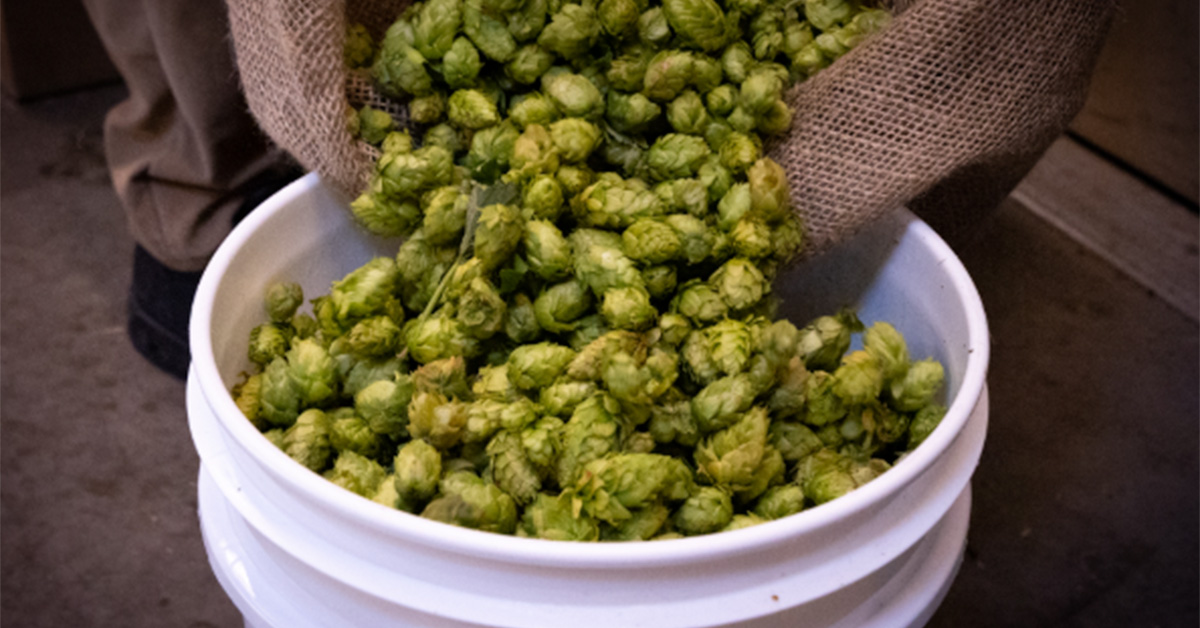
At the center of this endeavor is Eric Serani, co-founder and president of FlyteCo, a pilot who utilizes his four-seater Van’s Aircraft RV-10 to bridge the 175-nautical-mile gap between the Erie Municipal Airport and Billy Goat Hop Farm in Montrose, Colorado. The objective is the production of "Hop Is My Co-Pilot," a fresh hop IPA that relies on "wet" hops—flowers that have not been dried or processed into pellets. Because fresh hops begin to degrade and lose their aromatic oils within hours of being picked, the speed of aerial transport is not merely a branding exercise but a functional necessity.
The Logistical Complexity of Fresh Hop Brewing
Fresh hop beers, often referred to as "harvest ales," represent a narrow window in the brewing calendar. Unlike standard IPAs that use kilned and pelletized hops available year-round, fresh hop beers utilize whole-cone hops harvested at the peak of their lupulin content. These hops are approximately 75% to 80% water by weight, making them heavy, bulky, and prone to rapid oxidation and composting if not utilized immediately.
For FlyteCo, the window of opportunity is dictated by the maturation of the Chinook, Cascade, and Nugget varieties at Billy Goat Hop Farm. This year, the logistical chain faced unprecedented delays. Typically scheduled for mid-to-late August, the flight was postponed multiple times due to persistent cloud cover and atmospheric instability over the Continental Divide. Serani noted that while the brewery had successfully completed this mission for six consecutive years since its founding in 2019, the 2025 season marked the first time the flight was officially grounded by weather conditions that exceeded safety margins for the light aircraft involved.
The flight plan requires navigating the RV-10 at altitudes between 11,000 and 13,000 feet to clear the rugged terrain of the Rockies. Even under optimal conditions, the journey is a 90-minute flight that demands constant communication between the pilot and the brewing team back in Denver. As the plane departs Montrose with roughly 20 to 100 pounds of hops—depending on the batch size—the brewing team at FlyteCo Tower begins the mashing process. The goal is to have the wort ready for the hop addition the moment the aircraft touches down and the cargo is shuttled to the brewhouse.
A Legacy Grounded in Colorado Aviation History
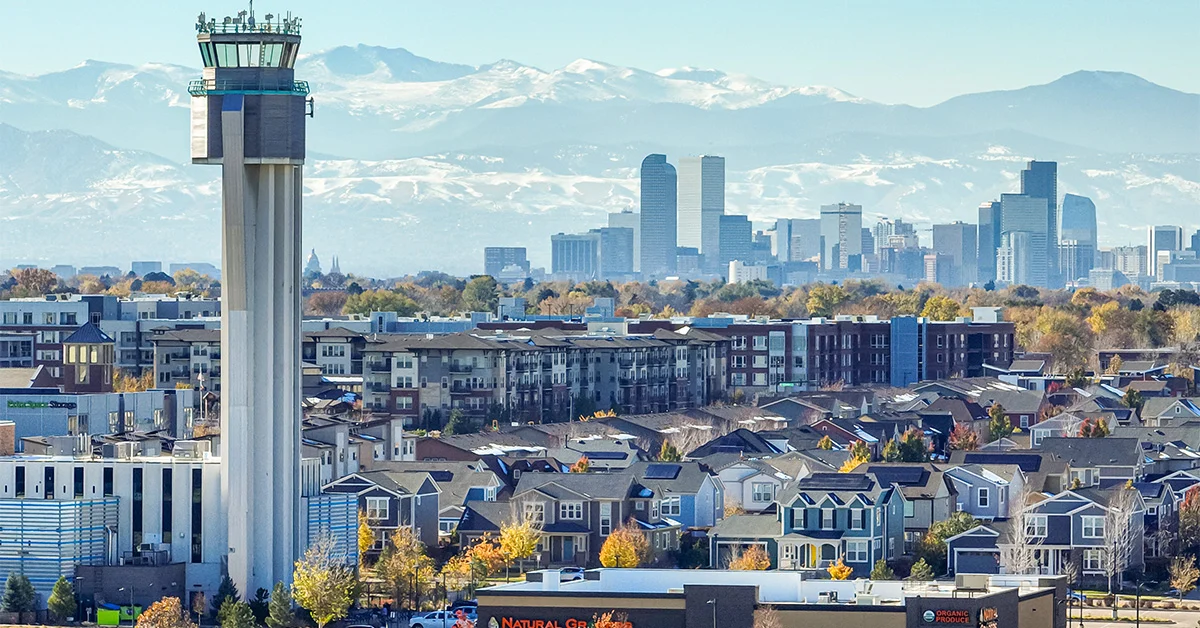
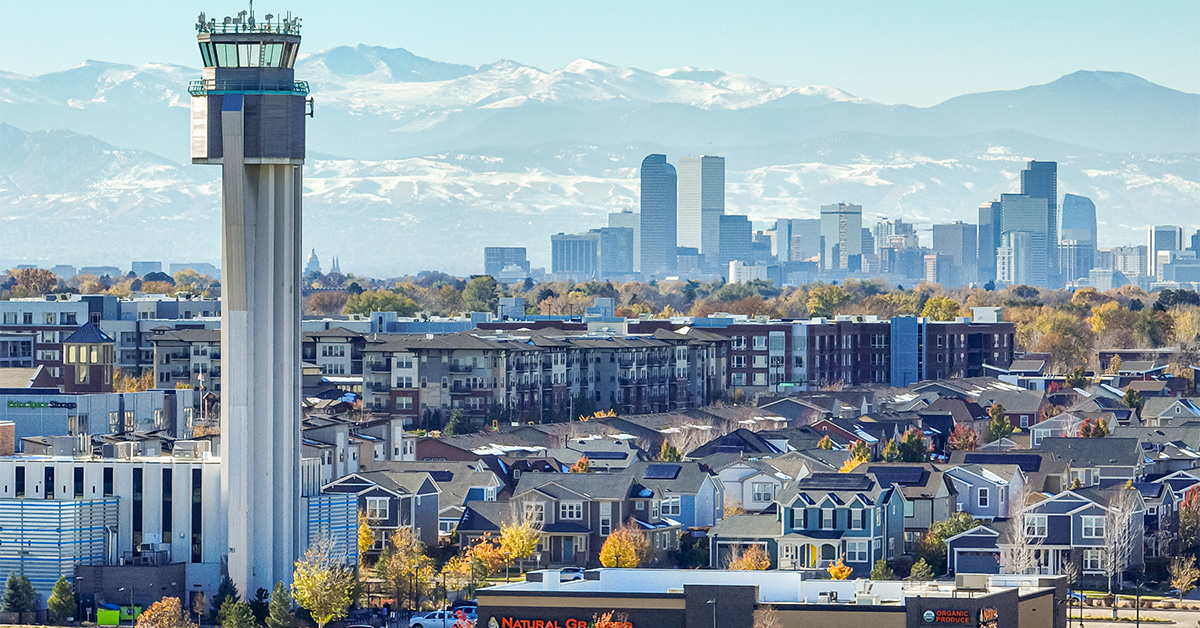
The FlyteCo brand is deeply rooted in the history of flight, a fact reflected in its choice of location. FlyteCo Tower operates out of the former air traffic control tower of Stapleton International Airport. Stapleton served as Denver’s primary aviation hub from 1929 until its closure in 1995, at which point operations were transferred to Denver International Airport (DIA). At its peak, Stapleton was the third-busiest airport in the United States and the sixth-busiest globally.
The preservation of this 11-story tower serves as a monument to Denver’s role in aviation advancement. The region’s history with flight dates back to 1910, when French aviator Louis Paulhan conducted the first successful high-altitude flight in the Mile High City, debunking contemporary theories that the thin air at 5,280 feet would prevent sustained flight. This spirit of innovation continued through the mid-20th century with the establishment of the Stanley Aviation Manufacturing Plant in nearby Aurora, where Bob Stanley pioneered the development of aircraft ejection seats.
Eric Serani’s personal history is inextricably linked to this local heritage. A third-generation pilot, Serani began flying at the age of 13 and soloed on his 16th birthday. His education in aerospace engineering at the University of Colorado Boulder, followed by a tenure at Boeing, provided the technical foundation for FlyteCo. His co-founder, Jason Slingsby, brought a background in chemical engineering, creating a leadership team capable of applying rigorous scientific standards to the brewing process.
The Evolution of FlyteCo: From Tennyson Street to the Tower
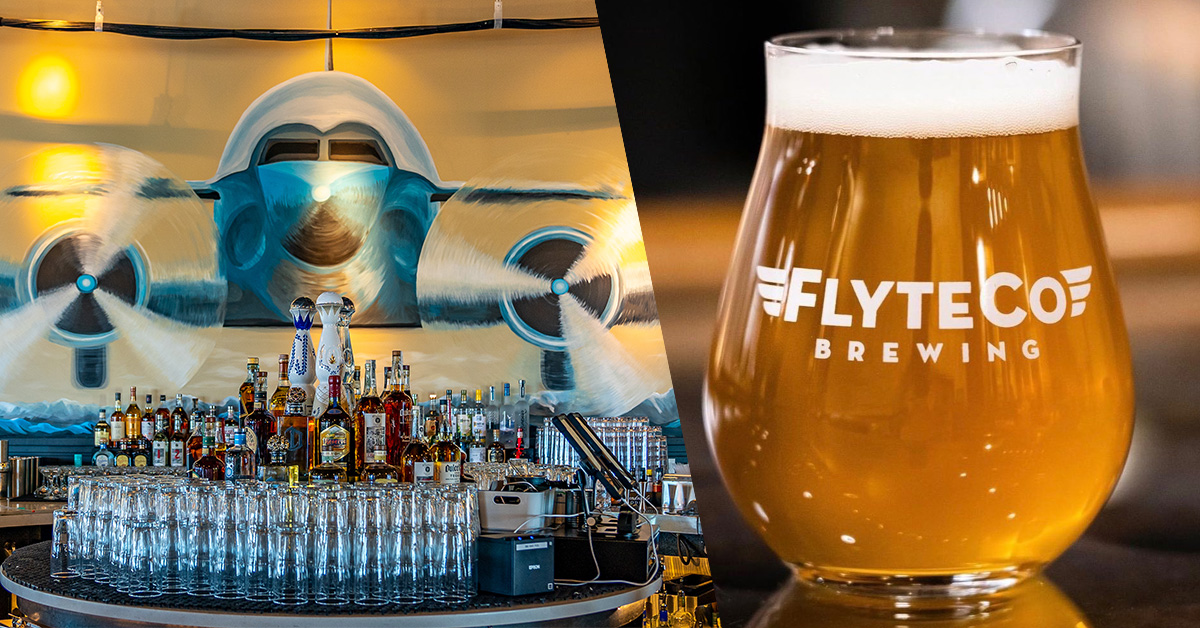
FlyteCo originally opened its doors on Tennyson Street in Denver in February 2019, featuring a 15-barrel brewing system. The expansion to the Stapleton tower in 2022 represented a significant scaling of the brand’s "experiential" mission. The tower location, known as FlyteCo Tower, transitioned the business from a traditional neighborhood brewery to a massive entertainment complex. The facility now includes multiple bars, bowling alleys, arcade games, and a museum-quality collection of aviation memorabilia.
In a strategic shift in 2025, FlyteCo closed its original Tennyson Street location to consolidate operations at the Tower. To maintain its supply of flagship beers, the company partnered with Copper Kettle Brewing Company to handle large-scale production. This allows the 2.5-barrel system at FlyteCo Tower to serve as a laboratory for experimental and seasonal releases, such as the "Hop Is My Co-Pilot" IPA.
This transition reflects a broader trend in the craft beer industry, where breweries are increasingly diversifying their revenue streams through "eatertainment" models. According to data from the Brewers Association, while overall craft beer growth has stabilized, taproom-focused breweries that offer unique experiences and community-centric environments continue to show resilience. FlyteCo’s integration of aviation education—led by in-house historian Sean Henson—serves as a primary differentiator in a crowded market.
Community Impact and the Young Eagles Program
Beyond the production of beer, FlyteCo functions as a philanthropic vehicle for the aviation community. The brewery commits 10% of its profits to support aviation-fueled initiatives, specifically those aimed at introducing youth to the industry. A primary beneficiary is the Experimental Aircraft Association’s (EAA) Young Eagles program, which provides children between the ages of 8 and 17 with their first flight experience.
Serani’s involvement with the EAA is a reciprocal tribute to the support he received as a young pilot. Following the death of his grandfather, who was his primary mentor, the local EAA chapter provided Serani with scholarships to complete his flight training at Erie Municipal Airport. Today, Serani serves as a flight instructor, balancing his duties at the brewery with the mission of training the next generation of aviators.
The annual hop flight serves as a high-visibility extension of this community work. By involving other pilots and aviation enthusiasts in the harvest trip, FlyteCo fosters a "common mission" that transcends commercial interests. Even when the flight is grounded, as it was in 2025, the effort reinforces the brand’s core ethos: pushing limits and embracing the unpredictability of both the elements and the craft.
Broader Implications for the Craft Beer Industry
The challenges faced by FlyteCo during the 2025 season offer a case study in the risks of hyper-local, seasonal supply chains. While "fresh hop" beers are highly prized by enthusiasts for their unique terroir and vibrant flavor profiles, they are notoriously difficult to scale. The 2025 weather delays forced the brewery to pivot, ultimately missing the harvest window for the aerial transport of wet hops.
This outcome highlights the precarious nature of agriculture-dependent brewing. The Pacific Northwest, which produces the vast majority of U.S. hops, has faced its own share of climate-related pressures, including heatwaves and shifting precipitation patterns. For Colorado-based breweries that source from smaller local farms like Billy Goat, these risks are magnified.
Despite the grounding of the 2025 flight, the "Hop Is My Co-Pilot" initiative remains a cornerstone of FlyteCo’s identity. The project serves as a yearly reminder of the brewery’s origins and its commitment to the aviation theme. Analysis of the brewery’s current trajectory suggests that the "experiential" model at the Tower—combining history, community service, and technical brewing—provides a stable foundation that can withstand the loss of a single seasonal release.
As the craft beer industry continues to evolve, the success of FlyteCo Tower suggests that brand longevity may depend on the ability to offer more than just a product. By anchoring itself in the historical and philanthropic fabric of Denver aviation, FlyteCo has created a destination that persists regardless of the weather over the Rockies. The 2025 season, while a disappointment for fresh hop fans, has solidified the brewery’s reputation for prioritizing safety and authenticity over marketing stunts, setting a clear course for the 2026 harvest.