admin
admin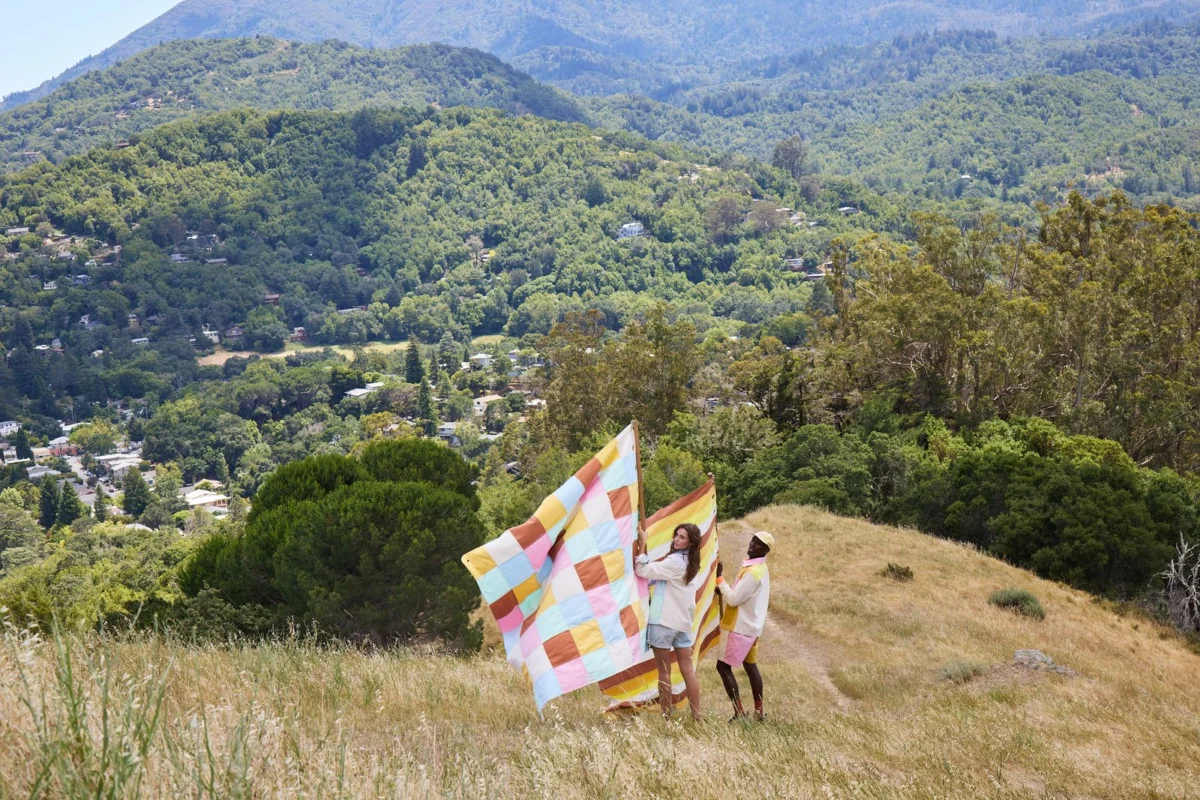
From the bustling corridors of corporate media to the intimate discussions in neighborhood cafes, the consensus at the dawn of 2026 was unequivocal: this year would mark the emphatic return of the analog. A collective weariness had settled over society, a palpable exhaustion with the relentless demands of digital screens and the pervasive, often homogenous, nature of online existence. The ambition was clear – to consciously disengage, to stow away devices, and to re-embrace the tangible: knitting needles, gardening gloves, meditation pillows, and the myriad simple pleasures of a life less tethered to the digital realm. Seven months into this declared analog renaissance, while individual success in achieving complete digital detachment varied, the underlying yearning for a less intimate relationship with technology has not only persisted but deepened, manifesting in profound cultural and material shifts.
Digital Saturation: The Catalyst for Change
The impetus for this societal recalibration stems from a growing disillusionment with the digital landscape. What many are actively seeking to escape when they activate airplane mode or sequester their smartphones in a drawer is the increasingly uniform, and frankly uninspiring, quality of content that dominates online platforms. A recent study conducted by the Institute for Digital Well-being in Q2 2026 revealed that over 70% of respondents reported feelings of "digital fatigue," characterized by information overload, reduced attention spans, and a sense of disconnection despite constant connectivity. This sentiment is further exacerbated by the proliferation of AI-generated content, which, while efficient, often lacks the idiosyncratic charm and genuine human touch that consumers are increasingly craving. The algorithmic homogenization of online aesthetics and narratives has inadvertently created a void that only authentic, imperfect, and human-made creations can fill.
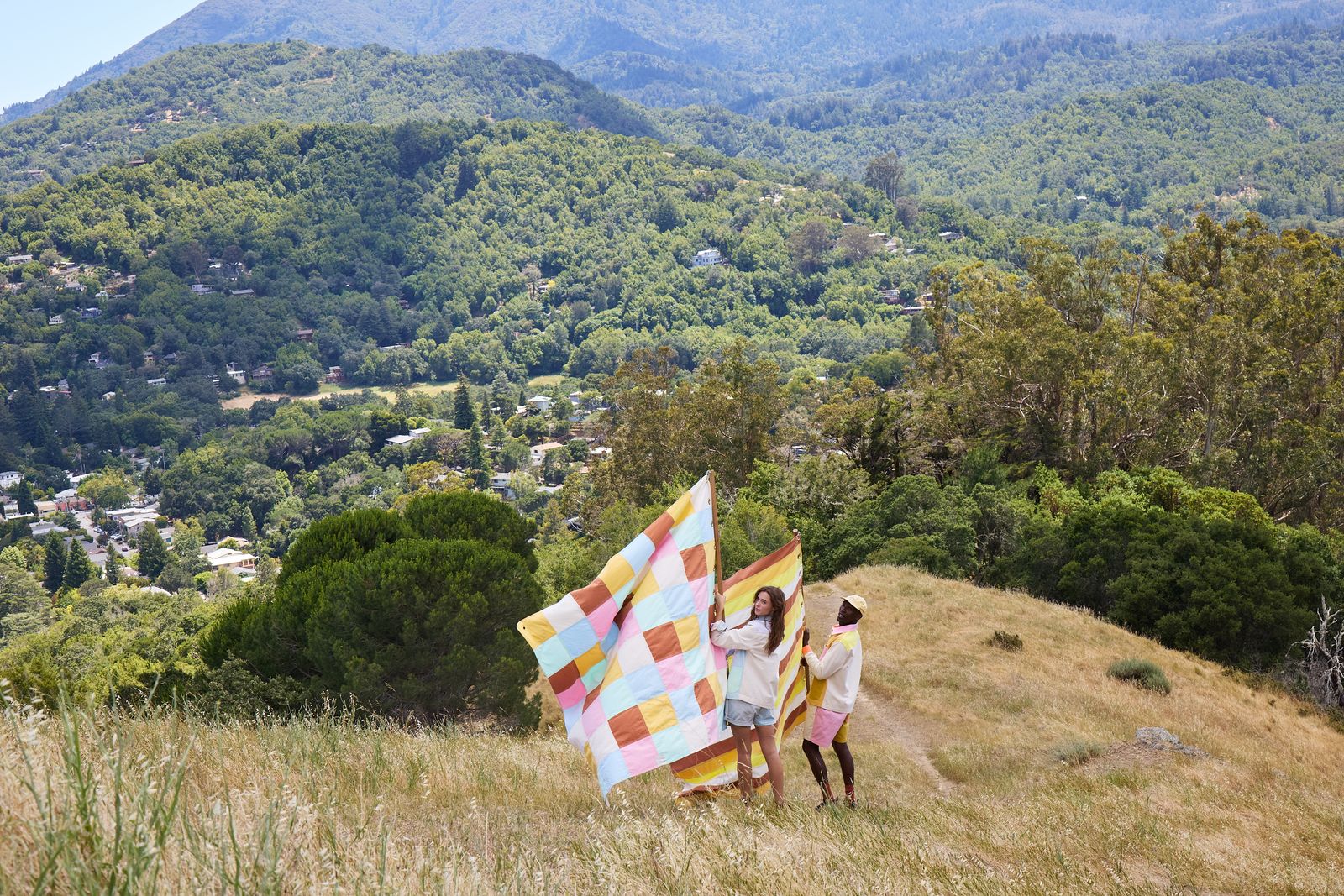
This broader trend towards the tangible is visibly permeating various facets of daily life, from the re-emergence of functional objects to shifts in interior design. The well-documented resurgence of the landline, once considered an archaic relic, serves as a prominent example of this desire to compartmentalize communication and create designated zones free from digital intrusion. Beyond these overt manifestations, subtler currents are also at play, guiding individuals towards escapes that the digital algorithm, with its predictable patterns and data-driven uniformity, could never produce. Among these, the craft of patchwork has emerged as a particularly potent symbol, with its inherent randomness, rich textures, and undeniable testament to human creativity and imperfection.
Patchwork: A Tapestry of Authenticity and Human Craft
Patchwork, a centuries-old textile art, has experienced a remarkable renaissance, transforming from a utilitarian craft born of necessity into a celebrated medium for artistic expression and a counter-narrative to mass production. Its appeal lies precisely in what digital culture often lacks: uniqueness, tactility, and a visible story of creation. The craft, which involves sewing together disparate pieces of fabric into a larger, cohesive design, inherently celebrates imperfection and resourcefulness. Each stitch, each mismatched fabric, each subtle variation in color or texture, tells a story of human hands at work, a stark contrast to the flawless, repetitive output of automated manufacturing.
Historically, patchwork quilts were born out of frugality, utilizing scraps of worn clothing and leftover textiles to create warm and durable coverings. This resourcefulness aligns perfectly with contemporary values of sustainability and conscious consumption, adding another layer to its modern appeal. The randomness inherent in the selection and arrangement of fabrics ensures that no two patchwork pieces are ever identical, offering a profound sense of individuality in a world increasingly dominated by identical, mass-produced items. This characteristic makes patchwork a powerful statement against the digital age’s drive for streamlined, often sterile, perfection.
Artisanal Voices: Crafting a New Aesthetic
The burgeoning interest in patchwork is being championed by a new generation of artisans and designers who recognize its unique capacity to convey meaning and create atmosphere. Many of these independent makers leverage platforms like Instagram, ironically, to showcase their one-of-a-kind creations, often selling directly to a discerning global audience. Patchwork curtains, in particular, have captured widespread attention, celebrated for the way light filters through their uniquely colored squares, transforming mundane spaces into dynamic canvases of light and shadow.
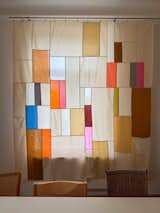
Munich-based designer and artist Lea Sigg exemplifies this trend. Her journey into patchwork began serendipitously when a friend requested a set of curtains. Sigg recounts the transformative experience, noting, "It almost felt like the curtain had two lives: one as a textile object and one as a kind of painting made of light. There is something very magical about that, and I still cannot fully explain it. Maybe that’s why I like it." Sigg posits that the broader cultural gravitation towards visibly handmade items is a direct response to the omnipresence of AI-generated and mass-produced goods. "There is a certain care in it," she explains. "We are surrounded by so many things that are AI-generated, mass-produced, perfect, and replaceable. Patchwork offers a tangible antidote to that."
Echoing this sentiment from La Rochelle, France, Coralie Halbout of Polka Atelier also discovered the allure of patchwork through a practical need – creating a photoshoot backdrop from fabric scraps. She quickly recognized the dual power of the method: its practicality and its distinct aesthetic. "Patchwork is naturally a resourceful technique," Halbout states. "It allows me to work with remnants, vintage fabrics, or small quantities of exceptional textiles that would otherwise be impossible to use for full-length curtains." Beyond waste reduction, Halbout emphasizes the enduring value of these creations. "Sustainability isn’t only about reducing waste. It’s also about creating objects that people want to keep for a very long time." This focus on longevity stands in stark contrast to the fast-fashion and disposable culture that much of the digital economy has inadvertently fostered.
The movement extends beyond micro-makers. Established California company Quiet Town, known for its patchwork shower curtains, recently collaborated with apparel company Alex Mill on a collection featuring clothing and bags crafted from remnants of their shower curtain production. This collaboration highlights both the aesthetic versatility and the sustainable credentials of patchwork. Lisa Fine, co-founder and creative director of Quiet Town, is drawn to patchwork’s timeless quality, viewing it as transcending fleeting trends. "It inherently tells a story of a life well-lived," Fine observes. "It’s thoughtful and carries a respect for objects and human hands and imperfections." Alex Mill creative director Somsack Sikhounmuong underscores the emotional resonance, adding, "There’s a joy and nostalgia to patchwork, I think. Everyone grew up with a patchwork quilt in their home." This speaks to a universal human connection to comfort, history, and handmade warmth.
The art of patchwork also found a prominent stage at Copenhagen’s annual design fair, 3 Days of Design. Designer Aaron Wes created a captivating installation for an event hosted by Cecilie Bahnsen and Caro Diario. The centerpiece, a grand dining table adorned with an abundant array of fresh food, was dramatically skirted with patchwork crafted from fabrics used in Bahnsen’s clothing designs. Wes was drawn to patchwork’s unique ability to harmonize disparate elements, creating a sense of cohesion from strong contrasts. "I think patchwork resonates today because it reminds us that materials don’t lose their value over time," Wes explains. "Instead, they carry memory, craftsmanship, and identity into new contexts." He further elaborates on its visual and compositional richness: "What fascinates me about patchwork is not only its visual richness, but its ability to bring together contrasting textures, colors, and material qualities into a composition that feels both dynamic and remarkably harmonious. Every individual fragment retains its own identity while contributing to a larger whole."
The Economic and Environmental Threads of Patchwork

The resurgence of patchwork is not merely an aesthetic shift; it carries significant economic and environmental implications. On an economic front, it signals a potential pivot towards supporting local artisans and small businesses. Unlike mass-produced items that often rely on globalized supply chains and low-cost labor, patchwork pieces are typically made by independent creators or small studios, fostering micro-economies and celebrating skilled craftsmanship. This trend provides an alternative revenue stream for textile artists and designers, offering consumers products with a higher perceived value due to their unique, handmade nature and often superior material quality.
Environmentally, patchwork is inherently a sustainable practice. By utilizing fabric remnants, vintage textiles, and textile waste, it actively reduces landfill burden and minimizes the demand for new material production, which can be resource-intensive. This aligns with a broader consumer movement towards eco-conscious purchasing and a desire for products that embody circular economy principles. The emphasis on creating items designed to last, rather than to be quickly replaced, further contributes to a reduction in overall consumption and waste.
Beyond the Fabric: Broader Societal Implications
The widespread embrace of patchwork and the broader analog movement suggest a profound re-evaluation of societal values. It points to a collective desire for genuine connection, meaningful engagement, and a return to the tactile experiences that often get lost in the digital ether. This is not merely a nostalgic whim but a considered response to the psychological and social consequences of hyper-digitalization. The pursuit of items that bear the mark of human imperfection and individuality is a quest for authenticity in a world where manufactured perfection and algorithmic uniformity have become the norm.
Psychologically, engaging with analog crafts like patchwork can be deeply therapeutic, offering a sense of flow, accomplishment, and mindfulness that contrasts sharply with the fragmented attention often demanded by digital devices. The act of creating, of working with one’s hands, provides a tangible output that is both satisfying and intrinsically rewarding. This mental well-being aspect is a significant driver of the analog shift, as individuals seek healthier ways to interact with their environment and manage their mental load.

Ultimately, regardless of the specific fabrics or techniques employed, the inherent randomness and distinct character of patchwork textiles stand as a powerful testament to the human touch. As Lisa Fine aptly articulates, "I think in a world where everyone is looking at the same things and being fed the same information, it’s so refreshing to feel like you’ve found something (or made something) that is the opposite of homogenized." The analog shift of 2026, with patchwork as one of its most vibrant expressions, signifies more than just a passing trend; it reflects a deep-seated cultural longing for authenticity, sustainability, and the irreplaceable value of human creativity in an increasingly digital world. This movement encourages not just a redecoration of our homes, but a re-evaluation of how we live, interact, and find meaning in our everyday lives.